

Yo, folks! As a supplier of Cryogenic Ribbon Cables, I often get asked about all sorts of technical stuff. One question that pops up a lot is, "What is the propagation delay of a cryogenic ribbon cable?" Let's dig into this topic and break it down in a way that's easy to understand.
First off, what's propagation delay? In simple terms, it's the time it takes for a signal to travel from one end of a cable to the other. You can think of it like sending a text message. When you hit send, there's a tiny bit of time before the message shows up on the recipient's phone. That's a form of delay, and in the world of cables, we call it propagation delay.
For cryogenic ribbon cables, this delay is super important. These cables are used in all sorts of high - tech applications, from scientific research in cold environments to certain types of advanced electronics. And in these fields, even the smallest delay can mess things up big time.
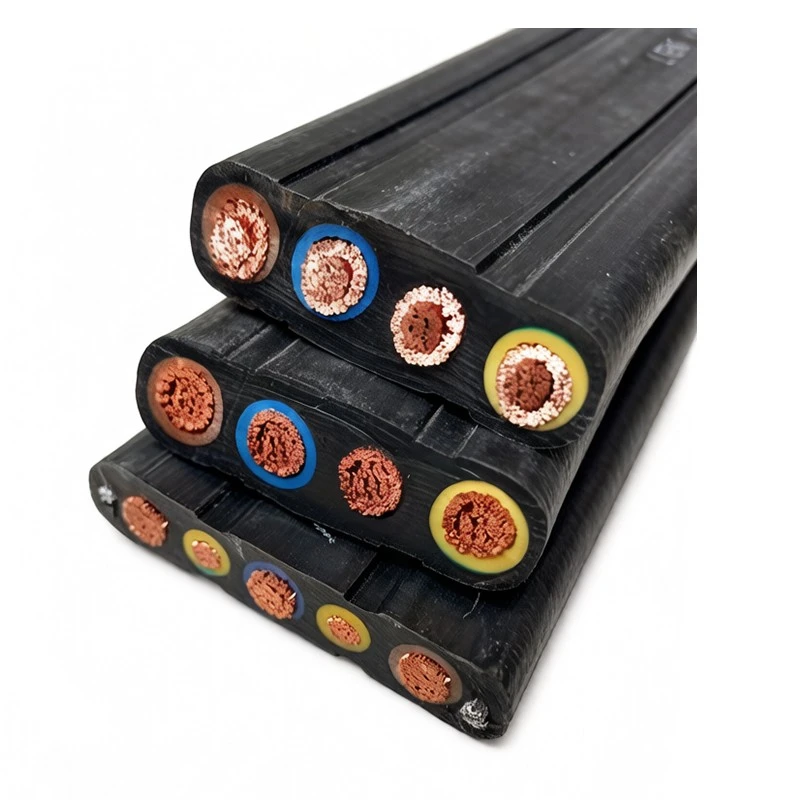
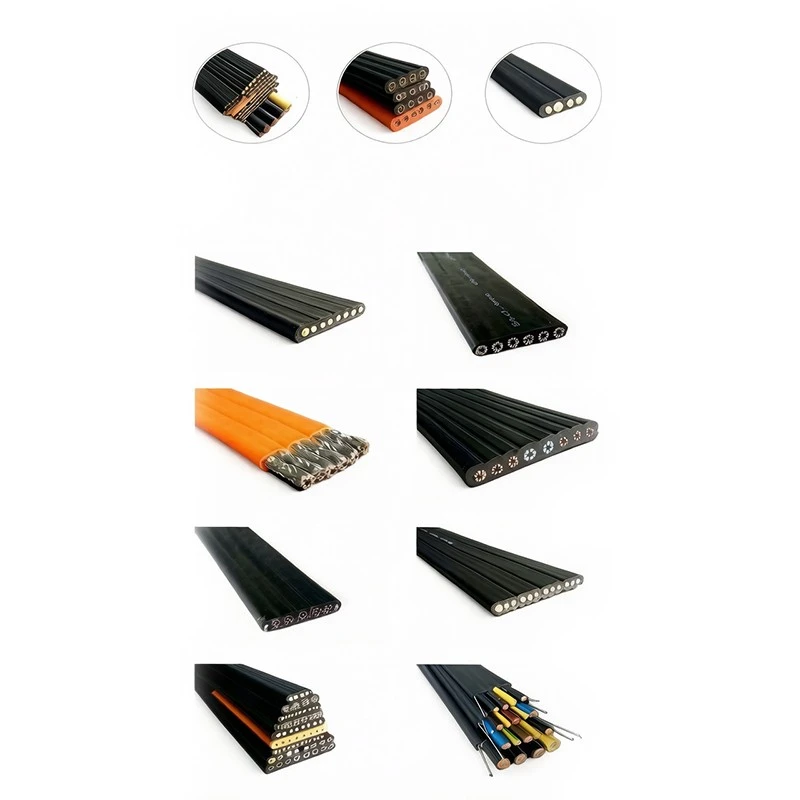
Now, what affects the propagation delay of a cryogenic ribbon cable? There are a few key factors.
Cable Length
The longer the cable, the more time it takes for the signal to travel. It's like running a race. If the track is longer, it'll take you more time to cross the finish line. In a cable, the signal has to travel through the conductors, and the more distance it has to cover, the greater the delay. For example, if you have a short cryogenic ribbon cable, say a few inches long, the signal can zip through pretty quickly. But if you're working with a cable that's several meters long, the delay will be more noticeable.
Dielectric Material
The dielectric is the insulating material between the conductors in the cable. Different dielectric materials have different electrical properties, and these properties can affect how fast the signal travels. Cryogenic ribbon cables often use special dielectric materials that are designed to work well in cold temperatures. Some dielectric materials can slow down the signal more than others. For instance, a material with a high dielectric constant will cause a greater propagation delay compared to one with a lower dielectric constant.
Conductor Properties
The type and quality of the conductors in the cable also play a role. Conductors with low resistance allow the signal to travel more easily. In a cryogenic environment, the conductivity of the conductors can change due to the extreme cold. High - quality conductors are less likely to introduce additional delay to the signal. For example, copper conductors are commonly used in cables because they have good electrical conductivity. But in cryogenic applications, some specialized alloys might be used to ensure optimal performance.
Operating Temperature
As the name suggests, cryogenic ribbon cables are designed to work in extremely cold temperatures. Temperature can have a significant impact on the propagation delay. In general, as the temperature drops, the electrical properties of the cable components change. The dielectric material may become more rigid, and the conductivity of the conductors can also be affected. In some cases, the delay might decrease slightly at very low temperatures because the electrons in the conductors can move more freely. But it's a complex relationship, and it depends on the specific materials used in the cable.
Now, let's talk about the different types of cryogenic ribbon cables and how their propagation delays might vary.
Flat Ribbon Power Cable
The Flat Ribbon Power Cable is designed to carry power. Since it mainly deals with power transmission, the propagation delay might not be as critical as in some other types of cables. However, in high - speed power systems, even a small delay can cause problems. The flat design of this cable can affect the signal's path and potentially introduce some delay. But with proper design and high - quality materials, the delay can be kept to a minimum.
Silicone Ribbon Cable
The Silicone Ribbon Cable is popular because of its flexibility and ability to withstand a wide range of temperatures. The silicone dielectric material has its own electrical properties that can influence the propagation delay. Silicone is a good insulator, but depending on its thickness and quality, it might add some delay to the signal. In cryogenic applications, the silicone needs to be able to maintain its properties at low temperatures to ensure consistent performance.
Shielded Flat Ribbon Cable
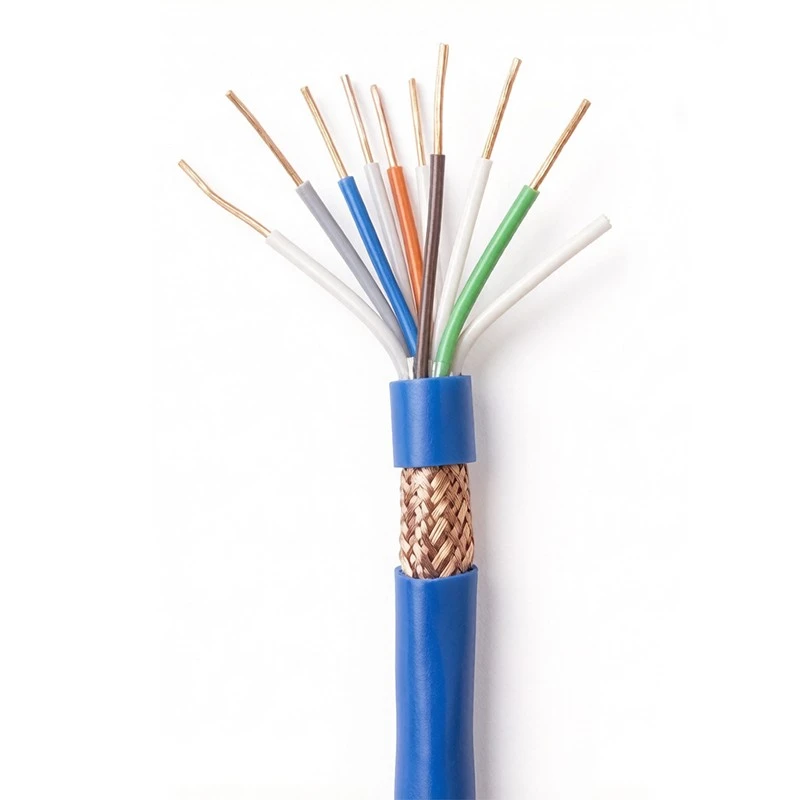
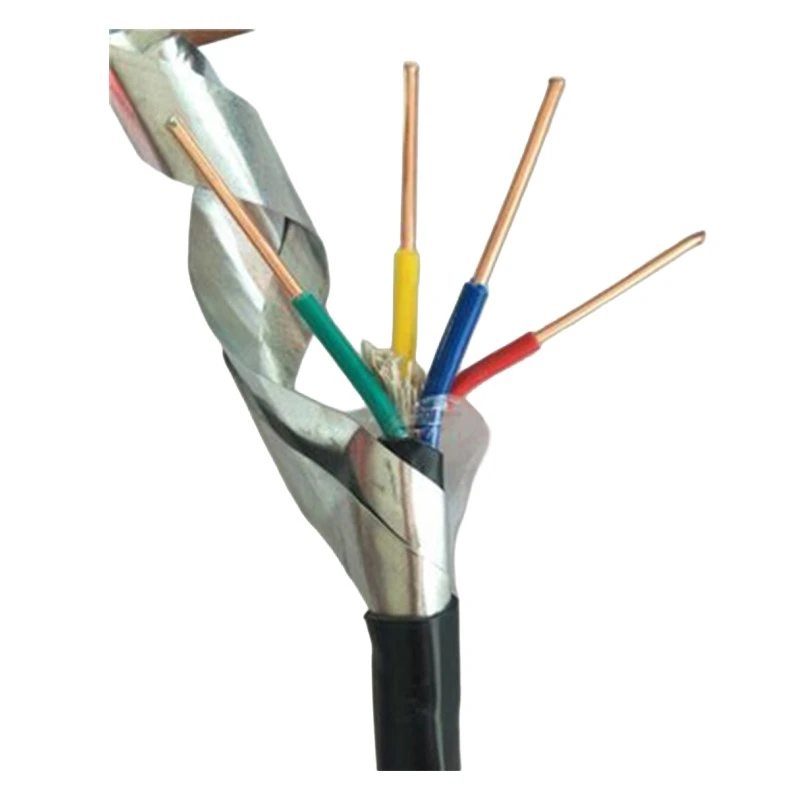
The Shielded Flat Ribbon Cable is designed to protect the signal from electromagnetic interference (EMI). While the shielding is great for keeping the signal clean, it can also add a bit of extra weight and capacitance to the cable. This additional capacitance can increase the propagation delay. However, the benefits of reducing EMI often outweigh the minor increase in delay in many applications.
High Temperature Ribbon Cable
The High Temperature Ribbon Cable is engineered to work in hot environments. Although we're talking about cryogenic applications here, understanding how it works can give us some insights. The materials used in high - temperature cables are chosen for their ability to withstand heat. In a cryogenic environment, these materials might need to be tested to ensure that they still perform well and don't introduce excessive propagation delay.
High Flex Ribbon Cable
The High Flex Ribbon Cable is designed to be bent and flexed repeatedly without breaking. The construction of this cable, which often involves very thin conductors and flexible dielectric materials, can affect the propagation delay. The constant bending and flexing can change the electrical characteristics of the cable over time, potentially increasing the delay. So, in cryogenic applications where there might be some movement or vibration, the high - flex cable's performance in terms of propagation delay needs to be carefully monitored.
As a supplier of cryogenic ribbon cables, we know how crucial it is to provide cables with consistent and predictable propagation delays. We use state - of - the - art manufacturing processes and high - quality materials to minimize the delay and ensure that our cables perform well in cryogenic environments.
If you're in the market for cryogenic ribbon cables or have any questions about propagation delay or any other technical aspects, don't hesitate to reach out. We're here to help you find the right cable for your specific needs. Whether you're working on a scientific experiment, a new electronic device, or any other project, we've got the expertise to assist you in your procurement process.
References
- "Fundamentals of Electric Circuits" - Charles K. Alexander, Matthew N. O. Sadiku
- "Cabling: The Complete Guide to Network Wiring" - Andrew S. Tanenbaum