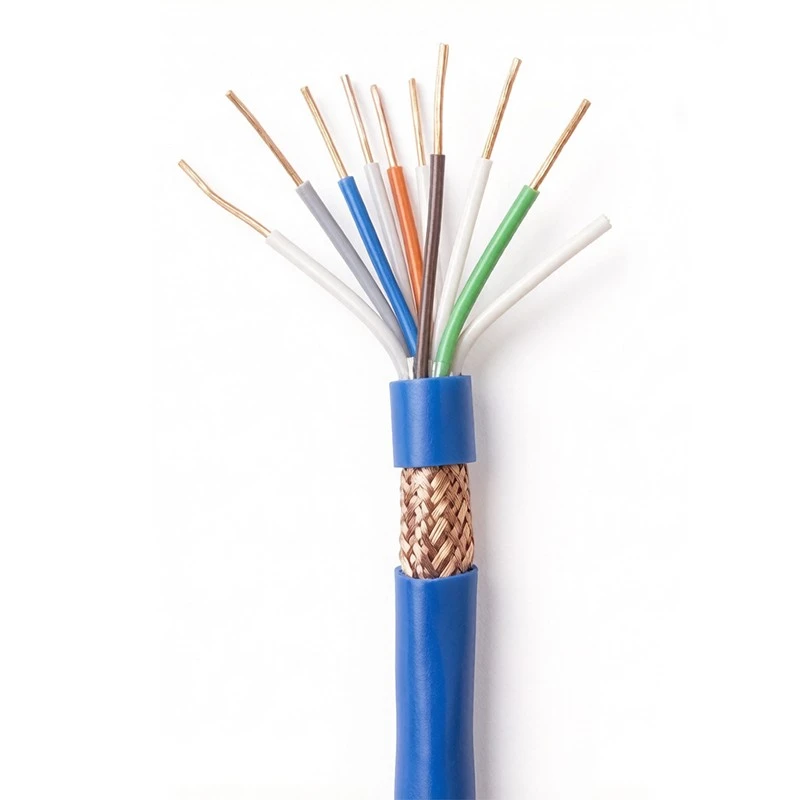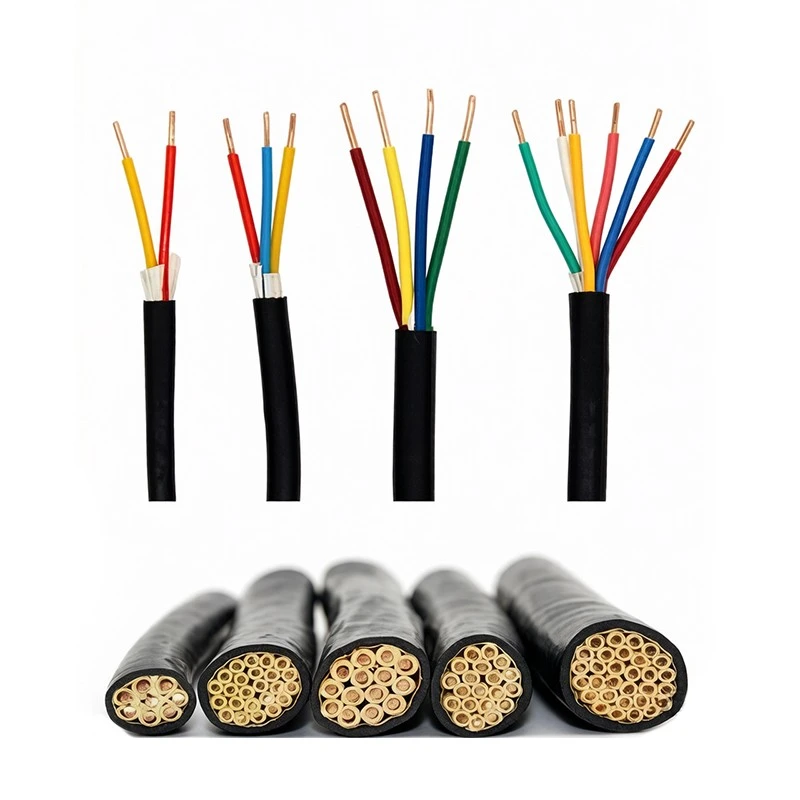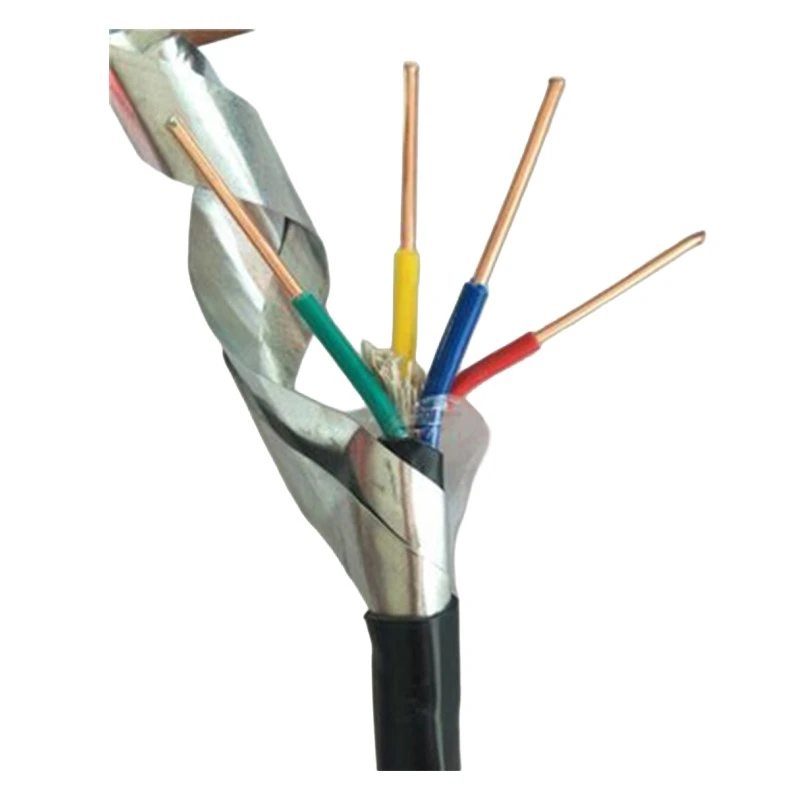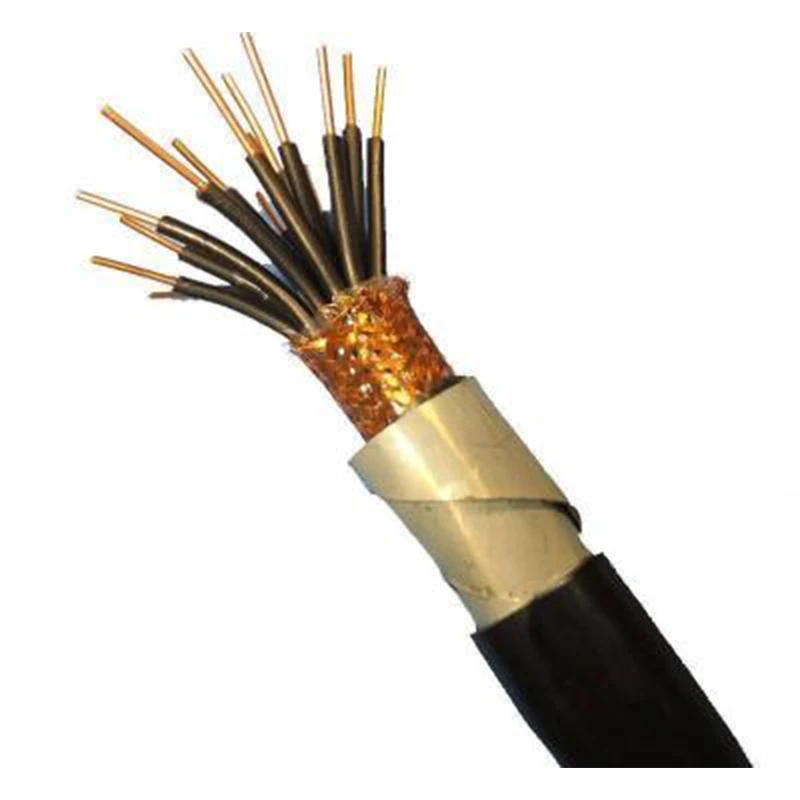

Fire resistant control cables play a crucial role in ensuring the safety and functionality of various industries. As a leading supplier of Fire Resistant Control Cable, I have witnessed firsthand the diverse applications of these cables across different sectors. In this blog post, I will explore the industries that commonly use fire resistant control cables and highlight their importance in maintaining operational continuity during fire emergencies.
Power Generation and Distribution
The power generation and distribution industry is one of the primary users of fire resistant control cables. Power plants, whether they are fossil fuel, nuclear, hydroelectric, or renewable energy sources, rely heavily on these cables to transmit control signals and power in critical areas. In the event of a fire, the integrity of these cables is essential to prevent the spread of the fire and ensure the safe shutdown of the power generation system.
For example, in a coal-fired power plant, fire resistant control cables are used to connect the control panels to the various equipment such as boilers, turbines, and generators. These cables are designed to withstand high temperatures and maintain their electrical conductivity for a specified period, allowing the operators to safely shut down the plant and prevent further damage. Similarly, in nuclear power plants, fire resistant control cables are used in areas where the risk of fire is high, such as the reactor containment building and the electrical switchgear rooms.
Oil and Gas
The oil and gas industry is another major sector that extensively uses fire resistant control cables. Oil refineries, offshore platforms, and petrochemical plants are high-risk environments where the presence of flammable liquids and gases increases the likelihood of fire. Fire resistant control cables are used in these facilities to connect control systems, instrumentation, and safety devices, ensuring the reliable operation of the equipment and the safety of the personnel.
In an oil refinery, for instance, fire resistant control cables are used to control the flow of oil, gas, and other chemicals through pipelines and valves. These cables are exposed to high temperatures, corrosive substances, and mechanical stress, and therefore need to be highly durable and fire resistant. Offshore platforms, on the other hand, are exposed to harsh environmental conditions such as saltwater, high winds, and extreme temperatures. Fire resistant control cables used in these platforms are designed to withstand these conditions and provide reliable performance in case of a fire.
Mining
The mining industry is also a significant user of fire resistant control cables. Mines are often located in remote areas and are exposed to various hazards such as fires, explosions, and rockfalls. Fire resistant control cables are used in mines to connect control systems, lighting, ventilation, and other equipment, ensuring the safety and productivity of the miners.
In underground mines, for example, fire resistant control cables are used to power the mining equipment and transmit control signals to the surface. These cables are designed to withstand the harsh conditions of the mine environment, including high humidity, dust, and mechanical stress. In addition, they are required to be flame retardant to prevent the spread of fire in case of an accident.
Transportation
The transportation industry, including railways, airports, and shipping, also relies on fire resistant control cables for the safe and efficient operation of its systems. In railways, fire resistant control cables are used to connect the signaling systems, traction systems, and other critical components. These cables are designed to withstand the vibrations, shocks, and temperature variations associated with railway operations, and to provide reliable performance in case of a fire.
At airports, fire resistant control cables are used in the air traffic control towers, runways, and terminal buildings. These cables are used to connect the communication systems, lighting, and security devices, ensuring the safety and efficiency of airport operations. In the shipping industry, fire resistant control cables are used on board ships to connect the navigation systems, engine controls, and other equipment. These cables are designed to withstand the corrosive effects of saltwater and the high temperatures and pressures associated with marine environments.

Building and Construction
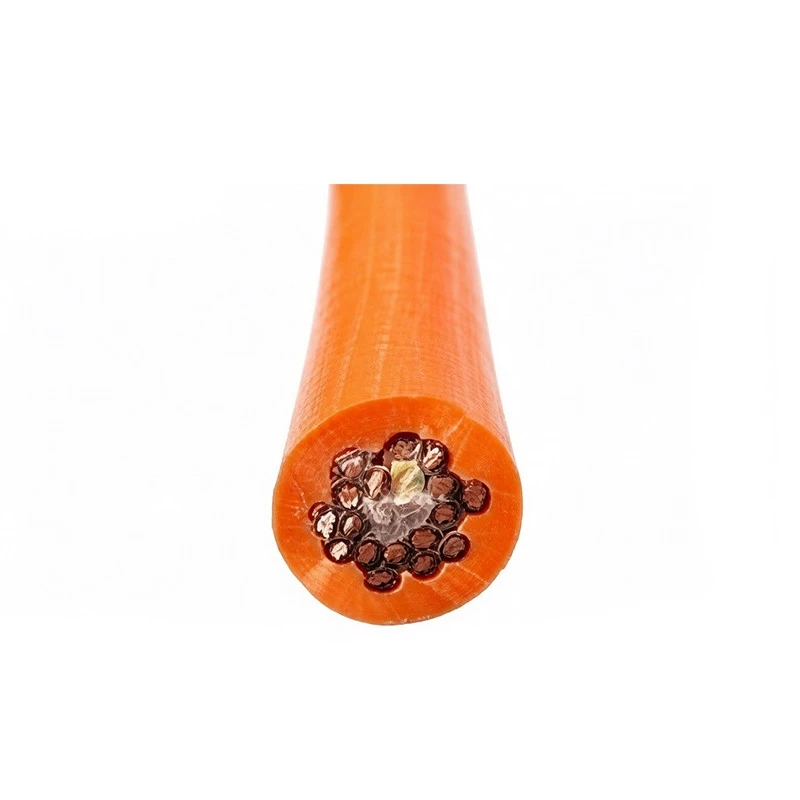
The building and construction industry is another sector that uses fire resistant control cables extensively. In commercial buildings, such as offices, hospitals, and shopping malls, fire resistant control cables are used to connect the fire alarm systems, sprinkler systems, and other safety devices. These cables are designed to maintain their integrity during a fire, allowing the safety systems to operate effectively and providing valuable time for the evacuation of the building.
In high-rise buildings, fire resistant control cables are also used to connect the elevators, escalators, and other vertical transportation systems. These cables are required to be fire resistant to prevent the spread of fire through the building's vertical shafts and to ensure the safe operation of the elevators in case of a fire.
Other Industries
In addition to the industries mentioned above, fire resistant control cables are also used in a variety of other sectors, including telecommunications, data centers, and food processing. In the telecommunications industry, fire resistant control cables are used to connect the communication equipment, ensuring the reliable transmission of data and voice signals. In data centers, these cables are used to power the servers, storage devices, and other critical equipment, and to provide a reliable connection between the different components of the data center.
In the food processing industry, fire resistant control cables are used to connect the control systems, motors, and other equipment in the processing plants. These cables are designed to be resistant to heat, moisture, and chemicals, and to prevent the contamination of the food products.
Conclusion
Fire resistant control cables are essential components in many industries, providing reliable power and control signals in critical applications. As a supplier of Fire Resistant Control Cable, I understand the importance of these cables in ensuring the safety and functionality of various systems. Whether it's in power generation, oil and gas, mining, transportation, building and construction, or other industries, fire resistant control cables play a vital role in protecting lives and property.
If you are looking for high-quality fire resistant control cables for your industry, we would be delighted to discuss your requirements. Our team of experts can provide you with detailed information about our products and help you select the most suitable cables for your specific needs. Contact us today to start the procurement process and ensure the safety and reliability of your systems.
References
- "Electrical Cables for Fire Safety Applications." IEC 60332-1-2:2017.
- "Fire Resistant Cables for Hazardous Environments." NEC (National Electrical Code).
- Industry reports on power generation, oil and gas, mining, transportation, and building construction.