

Hey there! As a control cables supplier, I often get asked about the difference between single - core and multi - core control cables. So, I thought I'd write this blog to break it down for you in a simple way.
Let's start with single - core control cables. These cables are exactly what they sound like - they have just one conductor inside the insulation. They're pretty straightforward and are commonly used in applications where you only need to transmit a single electrical signal. For example, in a basic lighting circuit, a single - core cable can be used to carry the power from the switch to the light bulb.
One of the main advantages of single - core cables is their simplicity. They're easy to install because there's only one conductor to deal with. You don't have to worry about arranging multiple conductors neatly or dealing with potential crosstalk between them. Also, single - core cables are generally more flexible than multi - core cables, which makes them easier to bend and route through tight spaces.
However, single - core cables do have their limitations. Since they can only carry one signal at a time, if you need to transmit multiple signals in a single cable run, you'll have to use multiple single - core cables. This can quickly become messy and take up a lot of space. For instance, in an industrial control system where you need to send multiple control signals to different components, using single - core cables would mean running a whole bunch of individual cables, which can be a headache to manage.
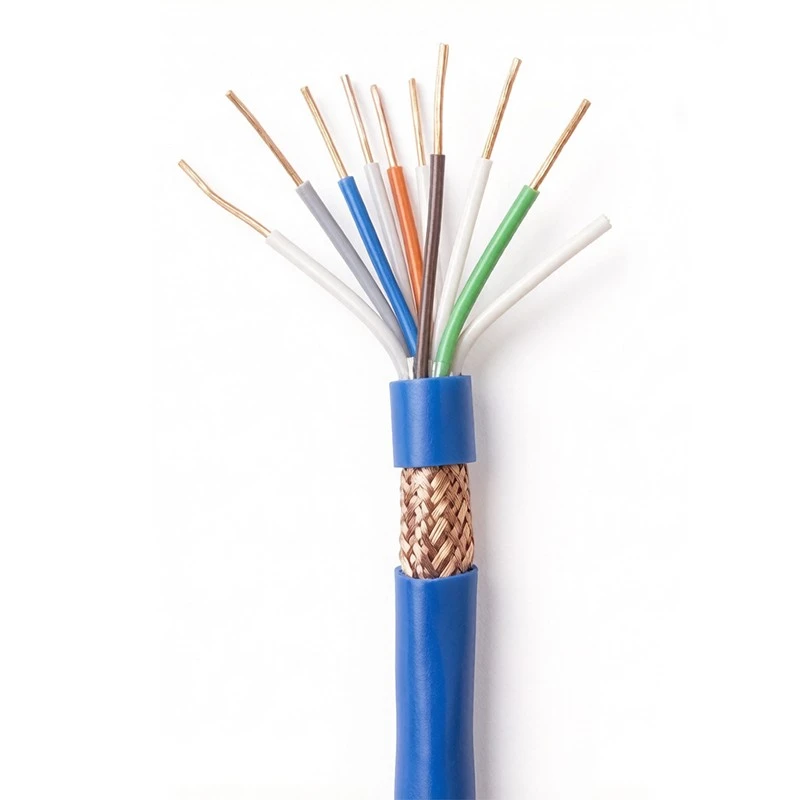
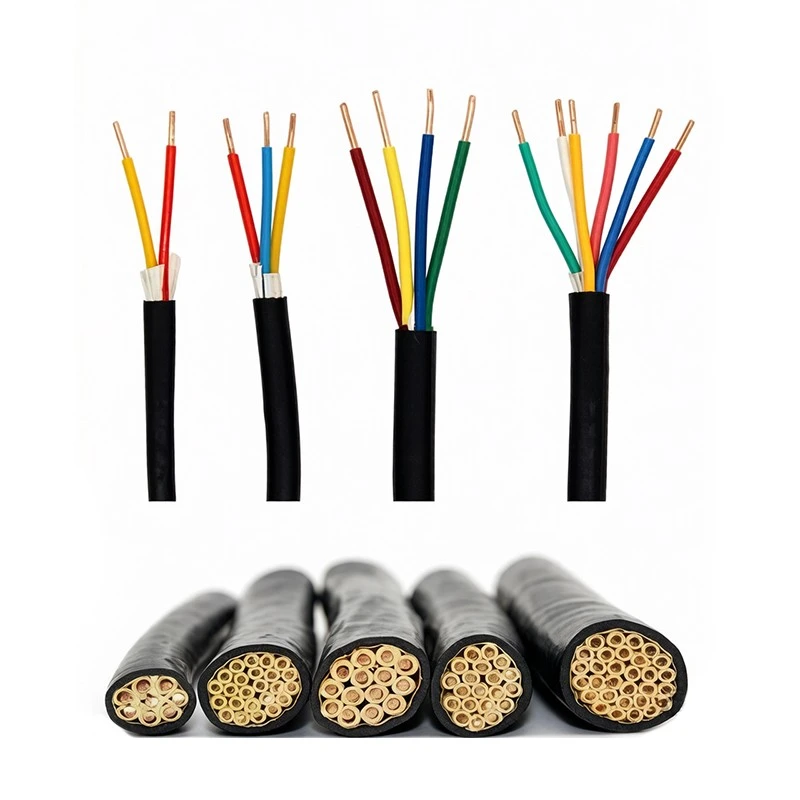
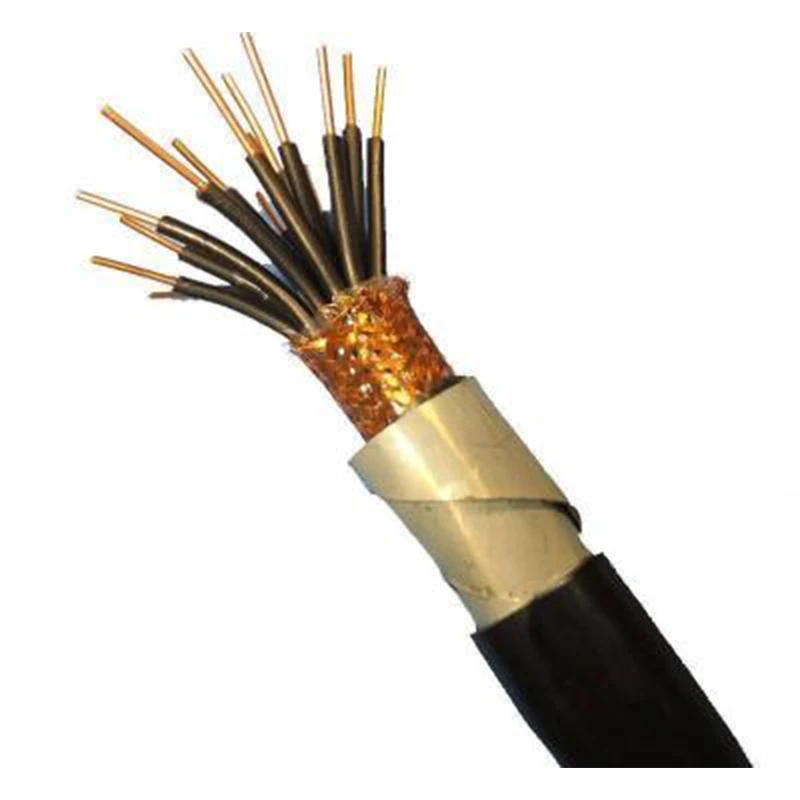
Now, let's talk about multi - core control cables. These cables contain multiple conductors within a single outer sheath. Each conductor can carry a different electrical signal, allowing you to transmit multiple signals simultaneously in one cable. This is a huge advantage in applications where you need to control multiple devices or transmit multiple data streams.
Take a modern automation system, for example. In such a system, you might need to send control signals to motors, sensors, and other devices all at once. A multi - core cable can handle all these signals in one go, reducing the number of cables you need to install and making the whole system more organized.
Another benefit of multi - core cables is that they're often more durable. The outer sheath provides additional protection to the individual conductors, shielding them from physical damage, moisture, and electromagnetic interference. This makes them suitable for use in harsh environments where single - core cables might not hold up as well.
But multi - core cables also have their drawbacks. They're generally less flexible than single - core cables because of the multiple conductors inside. This can make them a bit more difficult to install, especially in tight spaces. Additionally, if one of the conductors in a multi - core cable fails, it can be more challenging to identify and repair the problem compared to a single - core cable.
Now, let's look at some specific types of control cables that fall into these categories.
Multi Conductor Control Cable is a type of multi - core cable that is designed to carry multiple electrical signals. It's commonly used in industrial automation, machine control, and other applications where multiple signals need to be transmitted. These cables are available in different configurations, with varying numbers of conductors and different insulation materials.
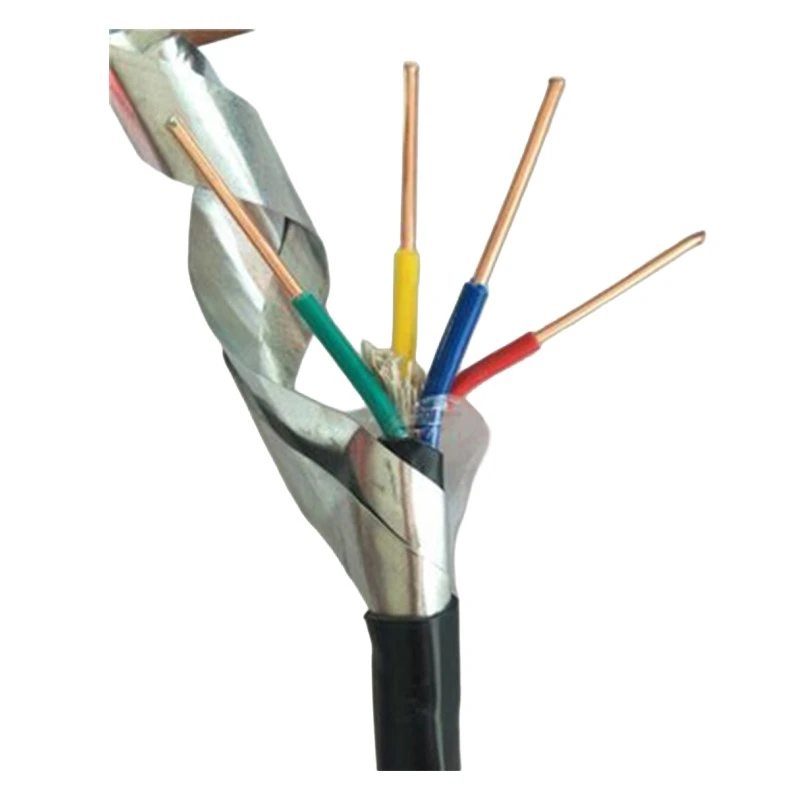
Screened Control Cable is another important type of multi - core cable. It has a special shielding layer around the conductors to protect them from electromagnetic interference (EMI). This makes it ideal for use in environments where there are a lot of electrical devices that can generate EMI, such as factories and power plants.
Silco Control Cables are known for their high - temperature resistance. They're often used in applications where the cables are exposed to high temperatures, such as in ovens or industrial furnaces. These cables can be either single - core or multi - core, depending on the specific requirements of the application.
Instrument Signal Cable is used to transmit low - level signals from instruments such as sensors and meters. These cables need to be very accurate and reliable to ensure that the signals are transmitted correctly. They can be single - core or multi - core, depending on the number of signals that need to be transmitted.
Fire Rated Instrumentation Cable is designed to maintain its integrity in the event of a fire. This is crucial in applications where the cables need to continue functioning during a fire, such as in emergency lighting systems or fire alarm systems. These cables are usually multi - core and are made with special fire - resistant materials.


So, when it comes to choosing between single - core and multi - core control cables, it really depends on your specific application. If you only need to transmit a single signal and flexibility is important, a single - core cable might be the way to go. But if you need to transmit multiple signals and durability and organization are key, a multi - core cable is probably a better choice.
If you're in the market for control cables and need some advice on which type is right for your project, don't hesitate to reach out. We're here to help you make the best decision for your needs. Whether you need single - core or multi - core cables, or any of the specialized types I mentioned above, we've got you covered. Let's have a chat about your requirements and find the perfect solution for you.
References
- Electrical Wiring Handbook
- Industrial Control Systems: Principles and Applications