

Grounding is a critical aspect of instrument signal cables, ensuring the reliable and safe operation of various instrumentation and control systems. As a leading supplier of Instrument Signal Cables, we understand the importance of proper grounding in maintaining signal integrity, protecting equipment from electrical hazards, and minimizing interference. In this blog, we will delve into the grounding requirements of instrument signal cables, exploring the key considerations, best practices, and industry standards.
Understanding the Basics of Grounding
Grounding, in the context of electrical systems, refers to the process of connecting an electrical circuit or equipment to the earth or a conducting body that serves as a reference point for electrical potential. In the case of instrument signal cables, grounding serves several important functions:
- Safety: Grounding provides a low-resistance path for electrical current in the event of a fault, such as a short circuit, to safely dissipate into the earth. This helps prevent electrical shock to personnel and damage to equipment.
- Signal Integrity: Proper grounding helps minimize electrical noise and interference that can degrade the quality of the instrument signals. By providing a common reference point for all electrical components in the system, grounding reduces the potential for voltage differences and electromagnetic interference (EMI) or radio frequency interference (RFI).
- Equipment Protection: Grounding helps protect sensitive instrumentation and control equipment from damage caused by electrostatic discharge (ESD) and lightning strikes. By providing a path for the discharge of static electricity and lightning currents, grounding helps prevent damage to electronic components and circuits.
Grounding Requirements for Instrument Signal Cables
The grounding requirements for instrument signal cables depend on several factors, including the type of cable, the application, and the electrical environment. Here are some key considerations:
Cable Shielding
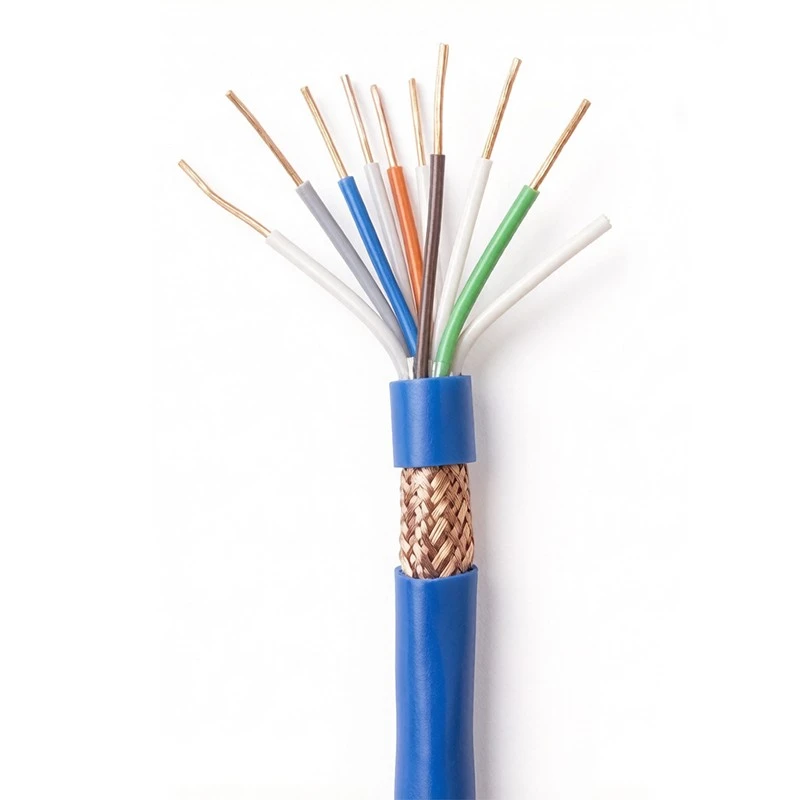
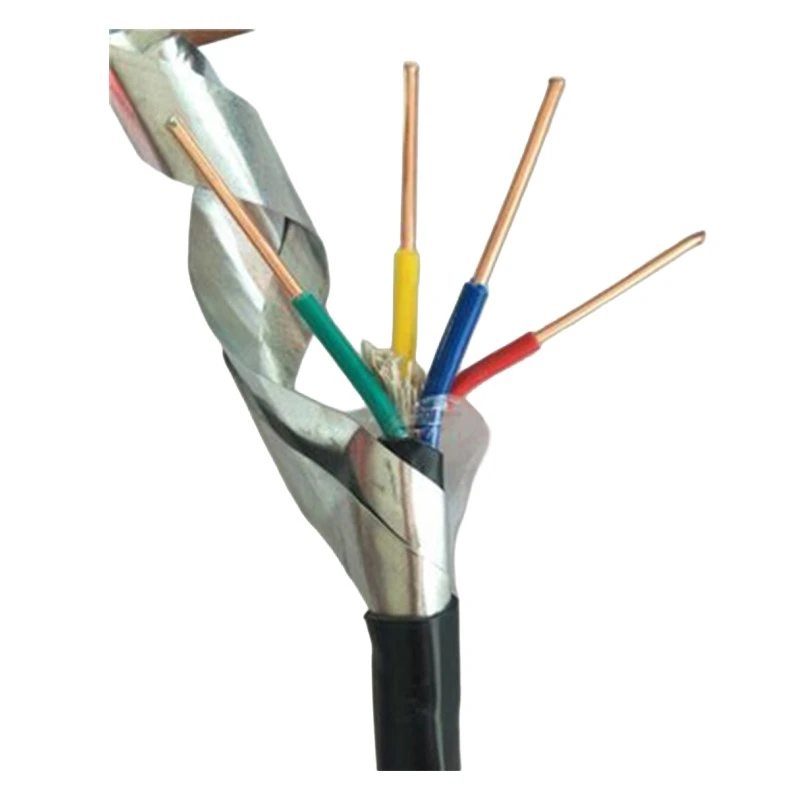
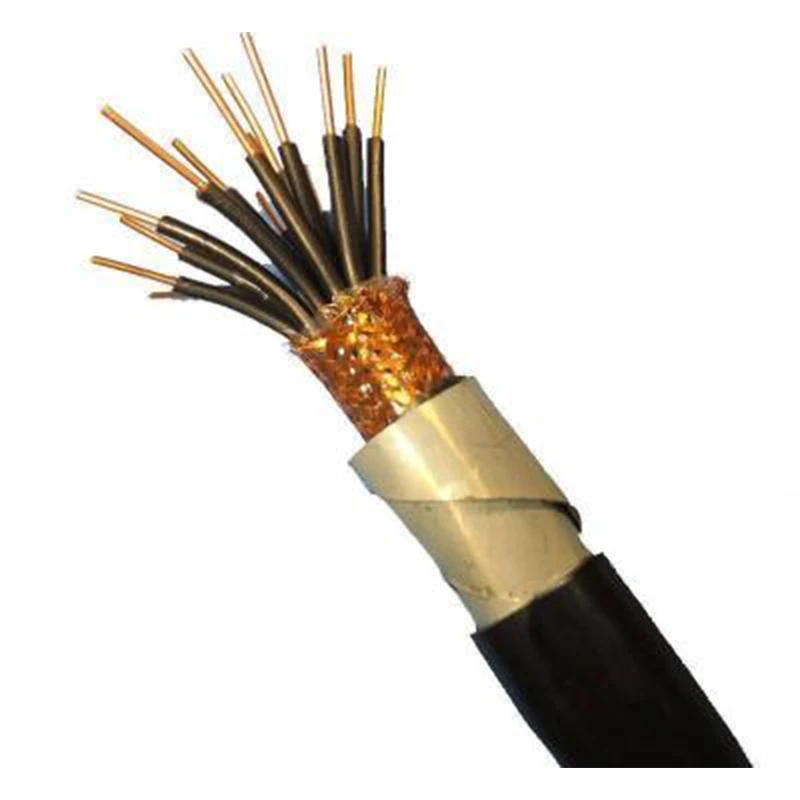
Most instrument signal cables are shielded to protect the signals from external interference. The shield is typically made of a conductive material, such as copper or aluminum, and is connected to ground at one or both ends of the cable. The grounding of the shield is crucial for its effectiveness in reducing EMI and RFI.
- Single-Ended Grounding: In single-ended grounding, the shield is connected to ground at only one end of the cable, usually at the source or the receiver. This method is commonly used in low-frequency applications where the risk of ground loops is minimal. Single-ended grounding helps prevent the flow of ground loop currents, which can introduce noise into the signal.
- Double-Ended Grounding: In double-ended grounding, the shield is connected to ground at both ends of the cable. This method is often used in high-frequency applications or in environments where there is a significant amount of EMI or RFI. Double-ended grounding provides a more effective shield against external interference but can also introduce the risk of ground loops if the two grounding points have different electrical potentials.
Grounding Conductors
In addition to the cable shield, instrument signal cables may also include one or more grounding conductors. These conductors are used to provide a dedicated path for the flow of electrical current in the event of a fault or to ensure proper grounding of the cable and the connected equipment.
- Size and Material: The size and material of the grounding conductors should be selected based on the expected fault current and the electrical requirements of the system. Generally, larger conductors with lower resistance are preferred to ensure a reliable and safe grounding path.
- Connection: The grounding conductors should be securely connected to the grounding system using appropriate connectors and terminals. The connections should be clean, tight, and free from corrosion to ensure good electrical conductivity.
Grounding System
The instrument signal cables should be connected to a reliable grounding system that provides a low-resistance path to the earth. The grounding system should be designed and installed in accordance with relevant electrical codes and standards, such as the National Electrical Code (NEC) in the United States.
- Grounding Electrodes: The grounding system typically includes one or more grounding electrodes, such as ground rods or plates, that are buried in the earth. The grounding electrodes should be installed at a sufficient depth and in a suitable location to ensure good electrical contact with the earth.
- Grounding Busbars: The grounding electrodes are usually connected to a grounding busbar, which serves as a common connection point for all the grounding conductors in the system. The grounding busbar should be made of a conductive material, such as copper or aluminum, and should be sized to handle the expected fault current.
Best Practices for Grounding Instrument Signal Cables
To ensure the effective grounding of instrument signal cables, the following best practices should be followed:

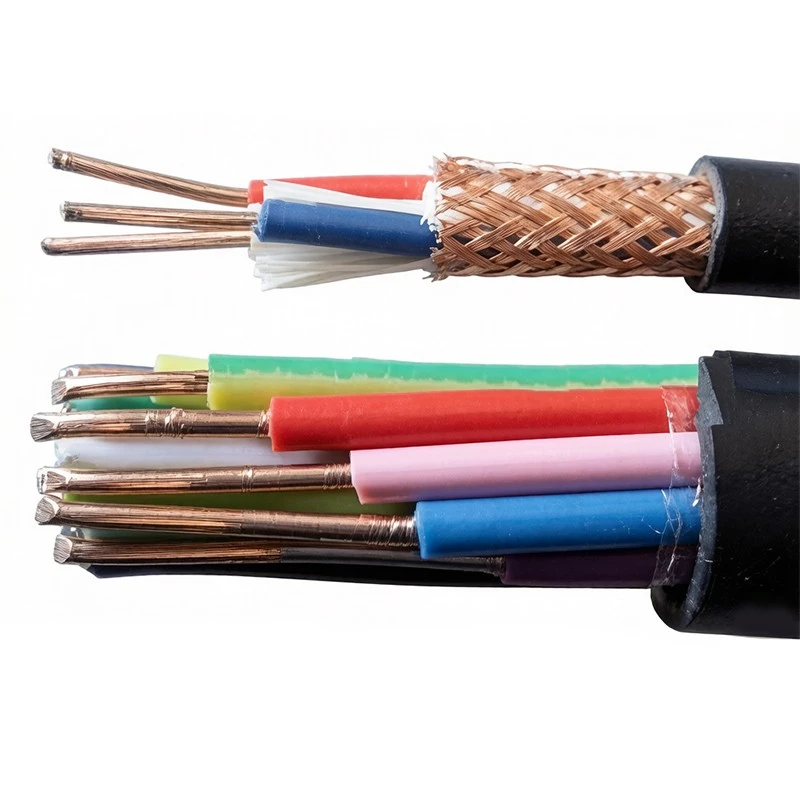
- Proper Cable Selection: Choose the appropriate type of instrument signal cable for the specific application, considering factors such as the signal type, frequency, and environmental conditions. Make sure the cable has adequate shielding and grounding conductors to meet the requirements of the system.
- Correct Installation: Install the instrument signal cables in accordance with the manufacturer's instructions and relevant electrical codes and standards. Avoid sharp bends, kinks, or damage to the cable during installation, as this can affect the performance of the shield and the grounding conductors.
- Isolation and Separation: Keep the instrument signal cables away from power cables, motors, and other sources of electrical interference. Use cable trays, conduits, or other means of isolation to separate the signal cables from the power cables and minimize the risk of EMI and RFI.
- Regular Maintenance: Inspect the instrument signal cables and the grounding system regularly for signs of damage, corrosion, or loose connections. Replace any damaged cables or components immediately to ensure the continued reliability and safety of the system.
Industry Standards and Regulations
The grounding requirements for instrument signal cables are governed by various industry standards and regulations. These standards provide guidelines and specifications for the design, installation, and maintenance of grounding systems to ensure the safety and performance of electrical equipment.
- National Electrical Code (NEC): The NEC is a widely adopted electrical code in the United States that provides requirements for the grounding and bonding of electrical systems, including instrument signal cables. The NEC specifies the minimum size and type of grounding conductors, the installation methods for grounding electrodes, and the requirements for grounding connections.
- International Electrotechnical Commission (IEC): The IEC is an international standards organization that develops and publishes standards for electrical and electronic equipment. The IEC standards, such as IEC 61010 and IEC 60204, provide guidelines for the grounding of electrical equipment, including instrument signal cables, to ensure safety and performance.
Conclusion
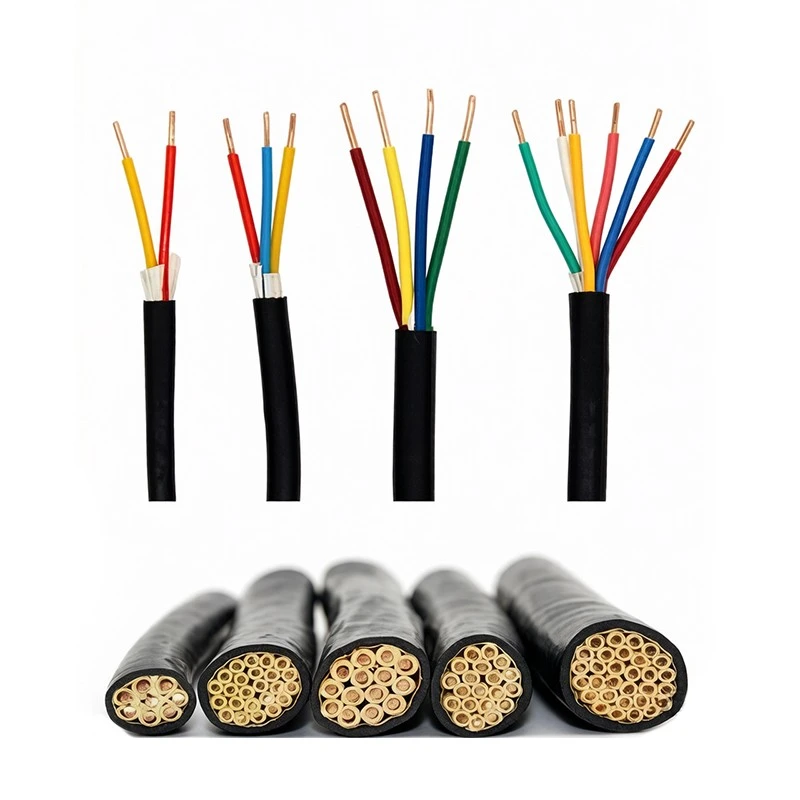
Proper grounding is essential for the reliable and safe operation of instrument signal cables. By understanding the grounding requirements, following best practices, and complying with industry standards and regulations, you can ensure the integrity of the instrument signals, protect the equipment from electrical hazards, and minimize interference. As a trusted supplier of Instrument Signal Cables, we offer a wide range of high-quality cables that are designed to meet the grounding requirements of various applications. Our cables are available in different types, including Multi Conductor Control Cable, Universal Control Cable, Pvc Control Cable, Armoured Control Cable, and Flexible Instrument Cable.
If you have any questions or need assistance with grounding your instrument signal cables, please feel free to contact us. Our team of experts is ready to help you select the right cables and provide you with the technical support you need. We look forward to working with you to ensure the success of your instrumentation and control systems.
References
- National Electrical Code (NEC), NFPA 70
- International Electrotechnical Commission (IEC) standards, such as IEC 61010 and IEC 60204
- Manufacturer's specifications and installation instructions for instrument signal cables