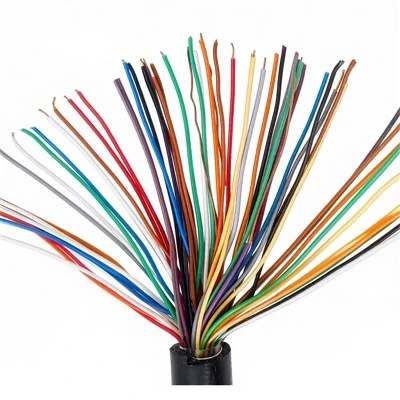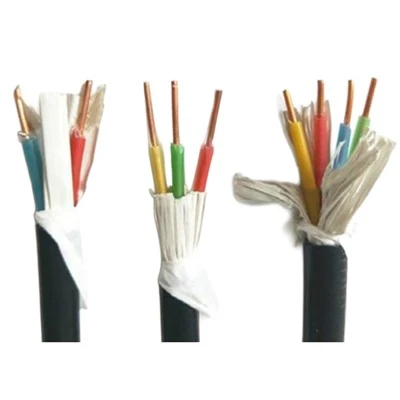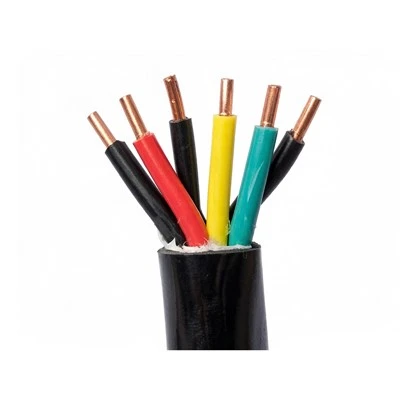

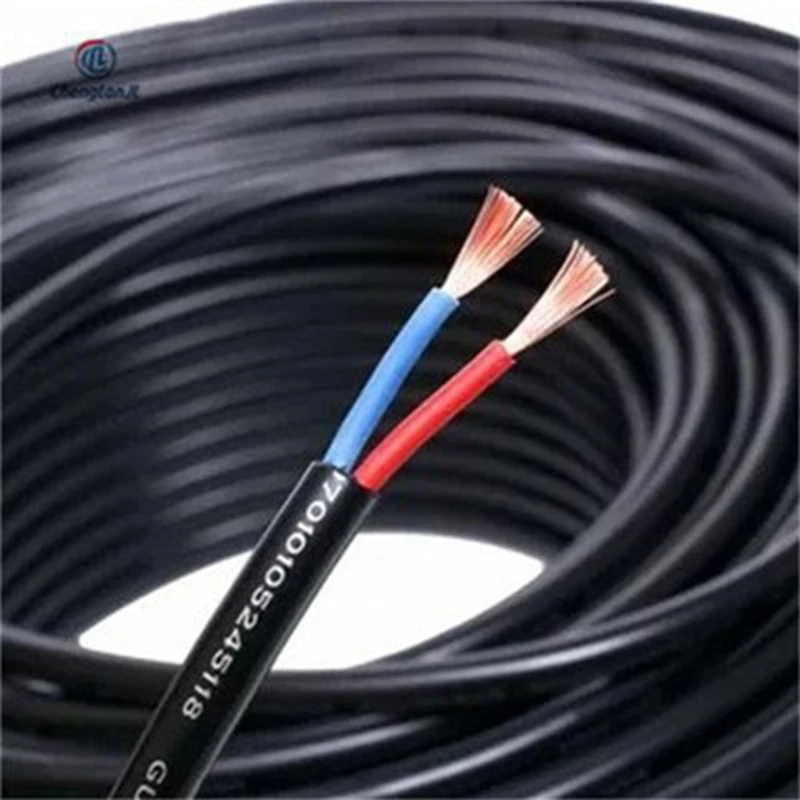

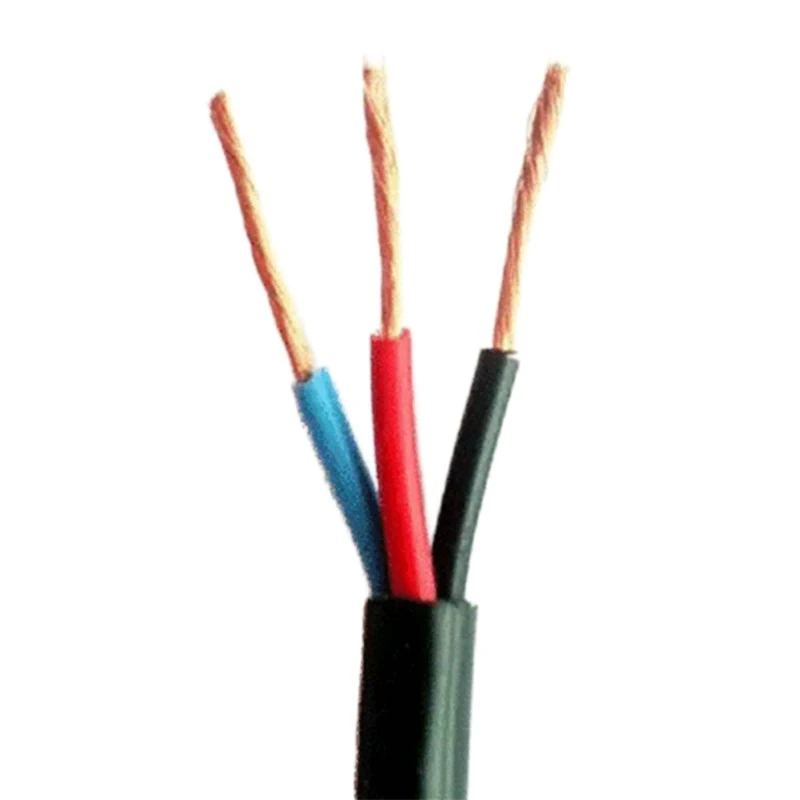

Instrument signals often come from equipment installed in confined or complex spaces. Cables must bend around corners and pass through narrow routing paths. Solid-core cables are difficult to install in such conditions, and excessive bending may damage the conductor.
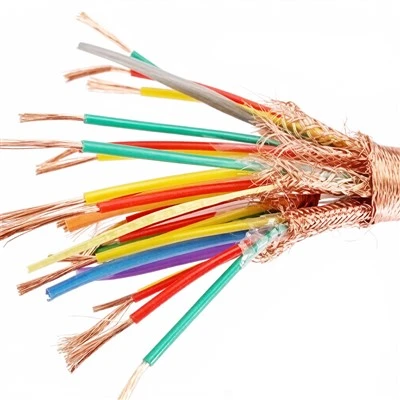
Our Flexible instrument cable is designed for these applications. It uses multi-strand fine copper conductors instead of a single solid wire, making the cable significantly softer and easier to handle. It can pass smoothly through narrow cable trays and bend freely inside equipment without mechanical stress.

Flexibility means better durability

Flexibility is not only for easier installation-it also improves service life.
In applications such as control cabinet doors, the cable bends repeatedly during opening and closing. In moving equipment, it is subject to continuous flexing. Solid-core cables are prone to fatigue failure under these conditions.
Our flexible design distributes stress across many fine copper strands, significantly improving bending fatigue resistance and extending service life.
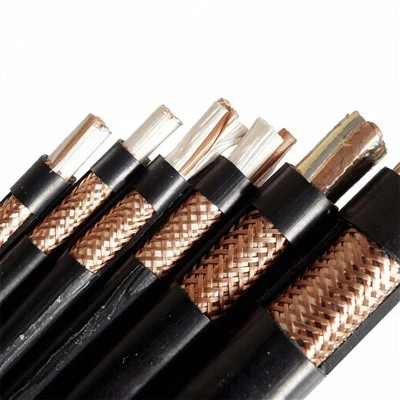
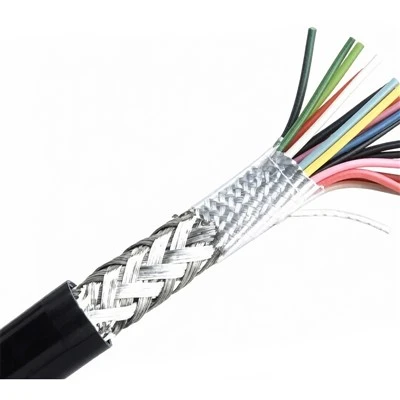
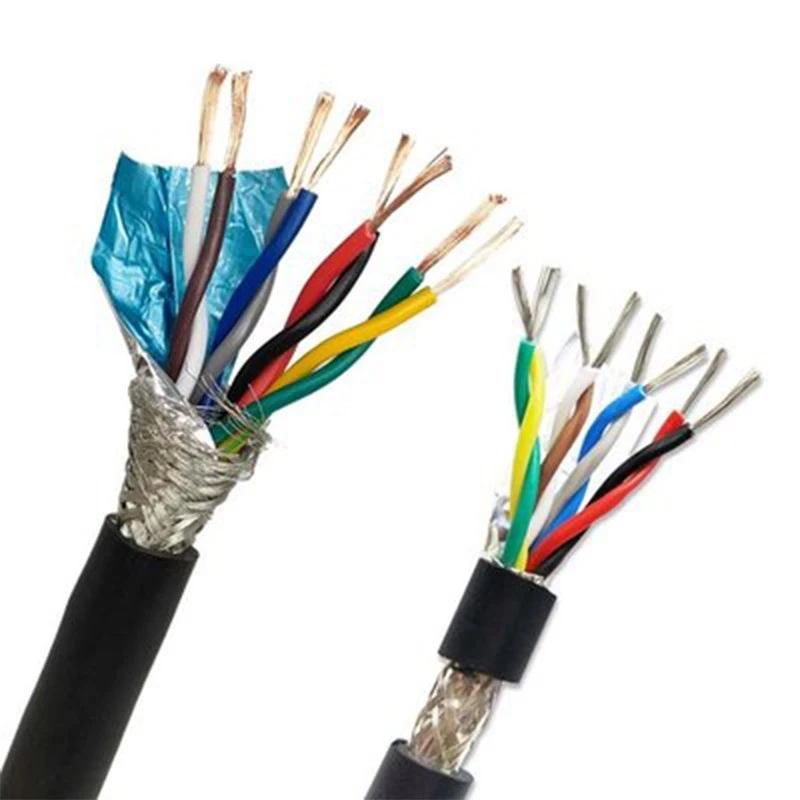
A dual shielding structure is maintained: aluminum foil shielding for each pair and a high-density tinned copper braid overall (≥85% coverage). Shielding performance remains stable even under dynamic movement and repeated flexing.
We use a well-established production process for flexible instrument cables. Every stage is strictly controlled, including stranding pitch, insulation extrusion, and tension control, to ensure consistent mechanical and electrical performance.
The product complies with GB/T 9330 and IEC 61156 standards and is certified to CE and RoHS requirements.
Common flexible instrument cable models such as DJYPVR, DJYPVPR, KYVR, and KYVRP are available in stock. The minimum bending radius can be as low as 4× cable diameter.
For export projects, we provide full test reports and customs documentation, with moisture-proof and impact-resistant packaging.

Key Specifications
|
Parameter |
Specification |
|
Common Models |
DJYPVR, DJYPVPR, KYVR, KYVRP |
|
Conductor |
Ultra-fine stranded oxygen-free copper (OFC) |
|
Shielding Structure |
Foil (pair) + tinned copper braid (overall) |
|
Bending Radius |
≥ 4 × cable diameter |
|
Working Temperature |
-30°C ~ +80°C |
Frequently Asked Questions
Hot Tags: flexible instrument cable, China flexible instrument cable manufacturers, suppliers, factory, Copper Control Cable, Fire Rated Instrumentation Cable, Instrument Signal Cable, Pvc Control Cable, Screened Control Cable, Silco Control Cables