

Can a Silicone Ribbon Cable be Used in Marine Applications?
As a supplier of Silicone Ribbon Cables, I often encounter inquiries about the suitability of our products for various applications, including marine environments. The marine industry has unique requirements due to the harsh conditions it presents, such as high humidity, saltwater exposure, extreme temperatures, and mechanical stress. In this blog post, I will explore whether silicone ribbon cables can be effectively used in marine applications, considering their properties, advantages, and limitations.
Properties of Silicone Ribbon Cables
Silicone ribbon cables are known for their excellent electrical and mechanical properties. They are made of silicone rubber insulation, which offers several benefits. Silicone rubber is highly flexible, allowing the cables to bend and twist without damage. This flexibility is crucial in marine applications where cables may need to be routed through tight spaces or around obstacles on boats, ships, or offshore platforms.
The silicone insulation also provides good electrical insulation properties, ensuring reliable signal transmission and power delivery. It has a high dielectric strength, which means it can withstand high voltages without breaking down. Additionally, silicone has a low dielectric constant, reducing signal loss and interference, which is essential for accurate data transmission in marine communication and navigation systems.
Another important property of silicone rubber is its resistance to extreme temperatures. It can operate effectively in a wide temperature range, from -60°C to 200°C. In marine environments, temperatures can vary significantly, from cold polar waters to hot tropical climates. Silicone ribbon cables can maintain their performance and integrity under these extreme temperature conditions, ensuring reliable operation of electrical systems.
Advantages of Using Silicone Ribbon Cables in Marine Applications
-
Corrosion Resistance: One of the biggest challenges in marine environments is corrosion caused by saltwater. Silicone rubber is highly resistant to corrosion, making it an ideal material for cables in these conditions. Unlike traditional cables with metal sheaths or insulation materials that can rust or corrode over time, silicone ribbon cables can withstand prolonged exposure to saltwater without degradation. This helps to extend the lifespan of the cables and reduce the need for frequent replacements.
-
Moisture Resistance: Marine environments are characterized by high humidity and moisture. Silicone rubber has excellent moisture resistance properties, preventing water from penetrating the cable insulation. This is important because water ingress can cause short circuits, electrical failures, and damage to sensitive electronic components. By using silicone ribbon cables, the risk of moisture-related problems is significantly reduced, ensuring the reliability and safety of electrical systems on board ships and boats.
-
Flame Retardancy: Safety is a top priority in marine applications. Silicone ribbon cables are often designed to be flame retardant, which means they will not support combustion and will self-extinguish when the source of ignition is removed. This is crucial in case of a fire on board a vessel, as it helps to prevent the spread of flames and reduce the risk of damage to equipment and injury to personnel.
-
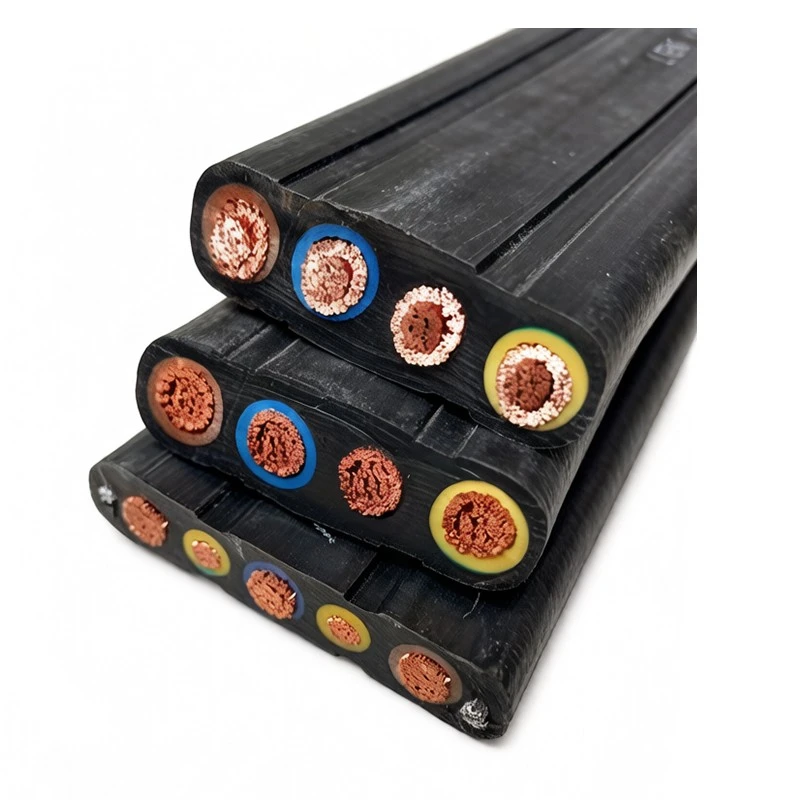
Lightweight and Space-Saving: In marine applications, weight and space are often limited. Silicone ribbon cables are lightweight and have a flat design, which makes them easy to install and take up less space compared to traditional round cables. This is especially beneficial in areas where space is at a premium, such as on small boats or in cramped electrical panels.
Limitations of Silicone Ribbon Cables in Marine Applications
While silicone ribbon cables offer many advantages for marine applications, they also have some limitations that need to be considered.
-
Mechanical Strength: Although silicone rubber is flexible, it may not be as mechanically strong as some other materials. In high-stress applications where the cables are subject to frequent bending, pulling, or abrasion, additional protection may be required. This can include using cable conduits, armor, or protective sleeves to prevent damage to the cables.
-
Cost: Silicone ribbon cables can be more expensive than traditional cables due to the cost of the silicone rubber material and the manufacturing process. This may be a consideration for some marine projects, especially those with tight budgets. However, the long-term benefits of using silicone ribbon cables, such as their durability and reliability, may outweigh the initial cost.
Applications of Silicone Ribbon Cables in the Marine Industry
Silicone ribbon cables can be used in a variety of marine applications, including:
-
Navigation and Communication Systems: These cables are used to connect navigation instruments, radios, radar systems, and other communication equipment on board ships and boats. Their excellent electrical properties and resistance to interference ensure accurate signal transmission, which is essential for safe navigation.
-
Lighting Systems: Silicone ribbon cables can be used to power and control lighting fixtures on ships and boats. Their flexibility allows them to be easily routed around the interior of the vessel, while their moisture resistance ensures reliable operation in wet environments.
-
Control Systems: In marine control systems, silicone ribbon cables are used to connect sensors, actuators, and control panels. Their ability to withstand extreme temperatures and harsh environmental conditions makes them suitable for use in engine rooms, pump rooms, and other areas where the cables may be exposed to high heat, vibration, and moisture.
-
Underwater Equipment: Some silicone ribbon cables are designed to be waterproof and can be used in underwater applications, such as connecting sensors, cameras, and other equipment on underwater vehicles or submarines.
Conclusion
In conclusion, silicone ribbon cables can be a suitable choice for many marine applications. Their excellent electrical and mechanical properties, corrosion and moisture resistance, flame retardancy, and flexibility make them well-suited to the harsh conditions of the marine environment. However, it is important to consider their limitations, such as mechanical strength and cost, and to ensure that they are properly installed and protected.
If you are considering using silicone ribbon cables in your marine project, I encourage you to contact us to discuss your specific requirements. We are a leading supplier of Silicone Ribbon Cable, Ribbon Power Cable, Shielded Flat Ribbon Cable, Flat Ribbon Power Cable, and Cryogenic Ribbon Cable, and our team of experts can help you select the right cable for your application. We offer high-quality products, competitive prices, and excellent customer service. Contact us today to start a conversation about your cable needs.
References
- [1] "Marine Electrical Systems Handbook", by John K. Dowd.
- [2] "Cable Engineering for Installers and Technicians", by Tom Henry.
- [3] Technical data sheets provided by silicone rubber manufacturers.