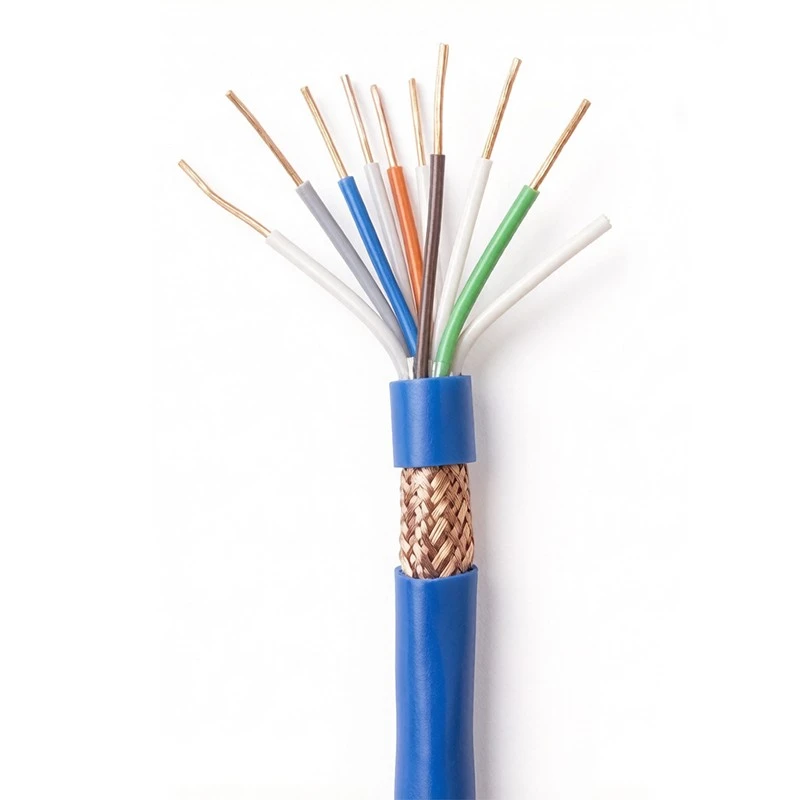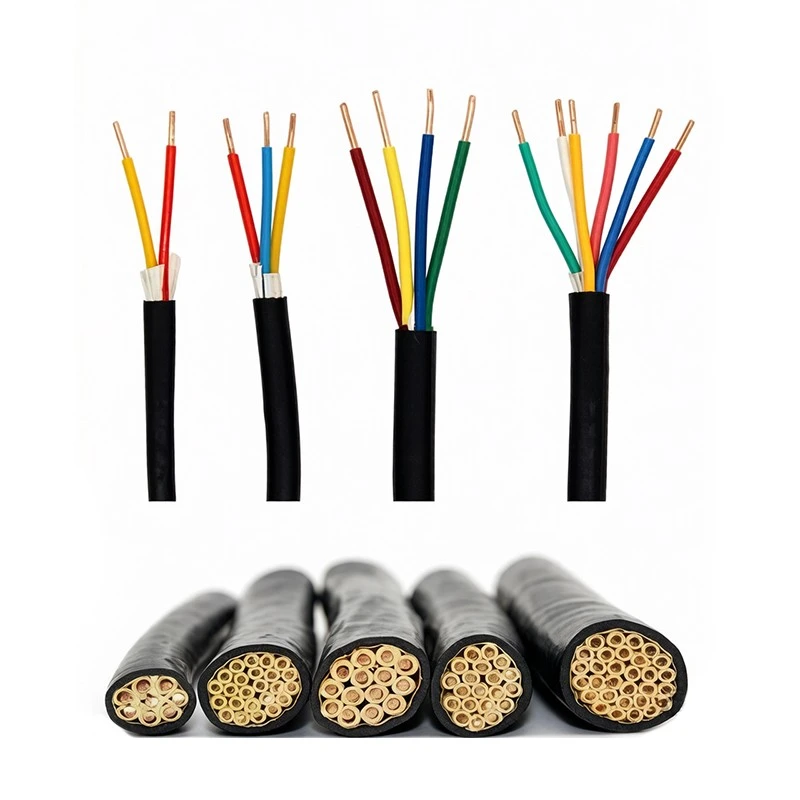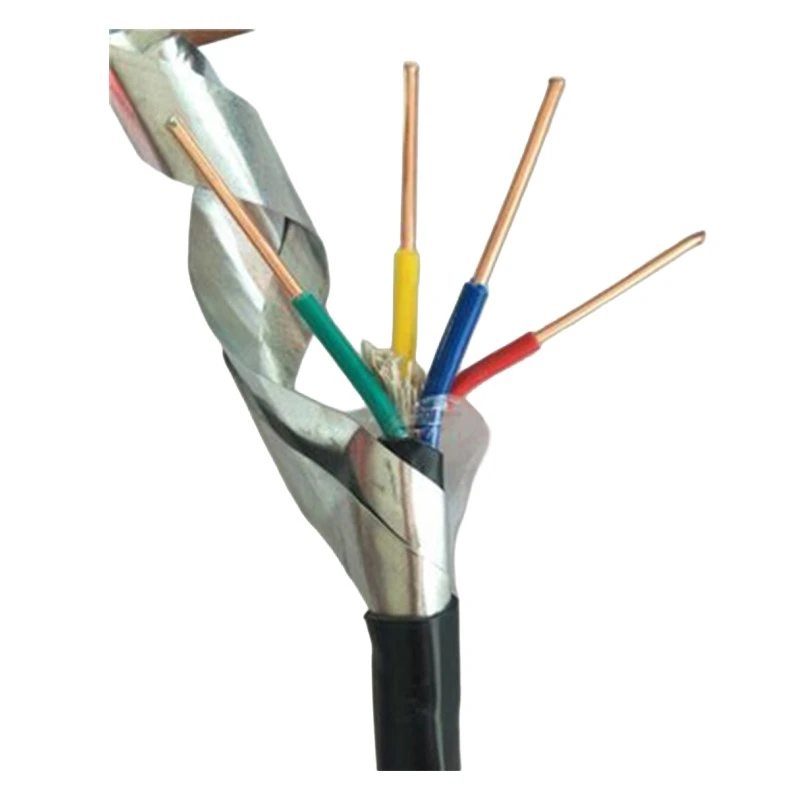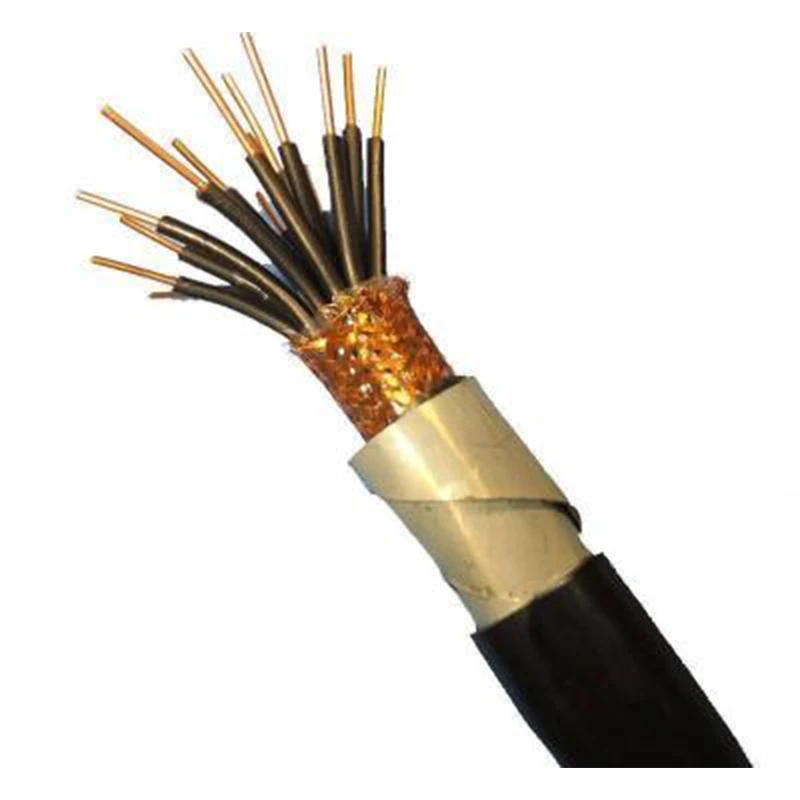


Hey there! As a supplier of Electrical Control Cables, I often get asked about how to reduce signal attenuation in these cables. Signal attenuation is a real pain in the neck for a lot of folks, as it can lead to all sorts of issues with the performance of electrical control systems. In this blog, I'm gonna share some tips and tricks that can help you keep that signal strong and clear.
Understanding Signal Attenuation
First things first, let's talk about what signal attenuation is. Simply put, signal attenuation is the loss of signal strength as it travels through a cable. This can happen due to a bunch of factors, like the length of the cable, the type of material it's made from, and the frequency of the signal.
The longer the cable, the more the signal is likely to weaken. That's because the signal has to travel a greater distance, and it loses energy along the way. The material of the cable also plays a big role. Some materials are better conductors than others, and they can help reduce attenuation. For example, copper is a great conductor, and Copper Control Cable is a popular choice for many electrical control applications because it offers relatively low attenuation.
The frequency of the signal is another important factor. Higher frequency signals tend to experience more attenuation than lower frequency ones. This is because higher frequency signals have shorter wavelengths, and they interact more with the cable material, causing more energy loss.
Choosing the Right Cable
One of the most important steps in reducing signal attenuation is choosing the right cable for the job. There are different types of electrical control cables available, each with its own characteristics and suitability for different applications.
If you're looking for a cable that can handle a lot of flexibility, Flexible Instrument Cable might be a good option. These cables are designed to bend and flex without causing too much signal loss. They're often used in applications where the cable needs to move around a bit, like in robotic arms or industrial machinery.
For applications where fire safety is a concern, Fire Rated Instrumentation Cable is the way to go. These cables are specially designed to resist fire and continue to function even in high-temperature environments. They still offer good signal transmission while providing an extra layer of safety.
Another option is Silco Control Cables. These cables are known for their high-quality insulation, which helps to reduce signal interference and attenuation. They're often used in more sensitive electrical control systems where a clear and strong signal is crucial.
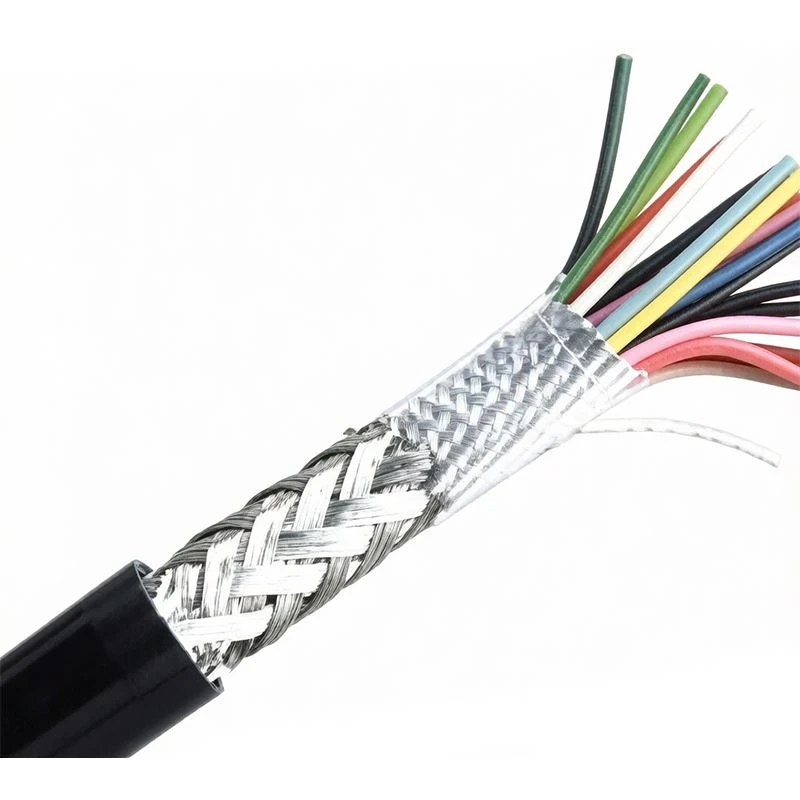
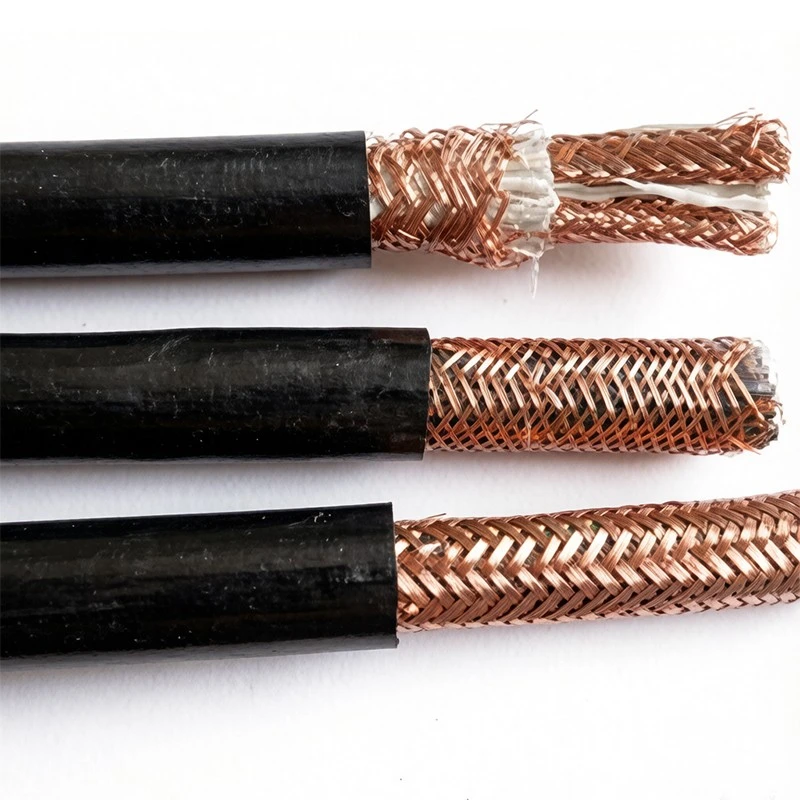
Instrument Signal Cable is also a popular choice. It's designed specifically for transmitting signals from instruments, such as sensors and meters. These cables are optimized to minimize signal loss and ensure accurate data transmission.
Cable Installation and Routing
Even if you choose the right cable, how you install and route it can also have a big impact on signal attenuation. Here are some dos and don'ts when it comes to cable installation:
Dos
- Keep the cable length as short as possible: Like I mentioned earlier, longer cables mean more signal loss. So, try to plan your cable runs in a way that minimizes the distance the signal has to travel.
- Use proper cable supports: Make sure the cable is properly supported along its length. This helps to prevent kinks and bends that can cause signal interference. You can use cable trays, conduits, or other types of supports depending on the application.
- Separate power and signal cables: Power cables can generate electromagnetic interference (EMI), which can affect the signal in the control cables. Keep the power and signal cables at a safe distance from each other to reduce the chances of EMI.
Don'ts
- Don't run cables near sources of interference: Avoid running the cables near motors, transformers, or other equipment that can generate strong electromagnetic fields. These fields can disrupt the signal in the cables and cause attenuation.
- Don't over-bend the cable: Excessive bending can damage the cable and increase signal loss. Make sure to follow the manufacturer's recommendations for the minimum bend radius of the cable.
Maintaining the Cable
Once the cable is installed, it's important to maintain it properly to keep the signal attenuation in check. Here are some maintenance tips:
- Regularly inspect the cable: Check the cable for any signs of damage, such as cuts, abrasions, or corrosion. If you notice any issues, replace the damaged section of the cable as soon as possible.
- Keep the cable clean: Dirt and debris can accumulate on the cable over time, which can affect its performance. Use a clean, dry cloth to wipe the cable periodically.
- Protect the cable from environmental factors: Exposure to extreme temperatures, moisture, or chemicals can damage the cable and cause signal attenuation. Make sure to install the cable in a suitable environment and take appropriate measures to protect it.
Using Signal Amplifiers
In some cases, even with the best cable selection, installation, and maintenance, you might still experience some signal attenuation. That's where signal amplifiers come in. Signal amplifiers are devices that can boost the strength of the signal as it travels through the cable.
There are different types of signal amplifiers available, depending on the type of signal and the application. For example, there are audio amplifiers, video amplifiers, and RF amplifiers. Make sure to choose an amplifier that is compatible with the signal frequency and the cable you're using.
However, using signal amplifiers also has its drawbacks. They can add to the cost of the system, and they can also introduce some noise and distortion to the signal. So, it's important to use them only when necessary and to choose a high-quality amplifier.
Conclusion
Reducing signal attenuation in electrical control cables is all about making the right choices and taking proper care of the cables. By choosing the right cable, installing and routing it correctly, maintaining it properly, and using signal amplifiers when needed, you can ensure that your electrical control systems operate smoothly and efficiently.
If you're in the market for high-quality electrical control cables or have any questions about reducing signal attenuation, feel free to reach out to us. We're here to help you find the best solutions for your needs.
References
- "Electrical Cable Handbook" - A comprehensive guide to electrical cables and their applications.
- Industry standards and specifications related to electrical control cables.
- Manufacturer's documentation for different types of electrical control cables.