

The voltage rating of an instrument signal cable is a crucial parameter that determines its performance and suitability for various applications. As a leading supplier of Instrument Signal Cable, we understand the significance of this specification and its impact on the overall system functionality. In this blog post, we will delve into the concept of voltage ratings for instrument signal cables, explore their importance, and discuss factors that influence these ratings.
Understanding Voltage Rating
The voltage rating of a cable refers to the maximum voltage that the cable can safely carry under normal operating conditions. For instrument signal cables, this rating is particularly important because it directly relates to the integrity and reliability of the transmitted signals. When the voltage applied to a cable exceeds its rated value, it can lead to insulation breakdown, signal interference, and potentially even safety hazards.
In the context of instrument signal cables, the voltage rating is typically specified in terms of root mean square (RMS) voltage. RMS is a mathematical way of expressing the effective voltage of an alternating current (AC) signal. For direct current (DC) applications, the rated voltage is simply the constant voltage level that the cable can withstand.
Importance of Voltage Rating
Signal Integrity
Maintaining signal integrity is paramount in any instrumentation system. Instrument signal cables are used to transmit small, precise electrical signals from sensors, transducers, and other measuring devices to control systems and data acquisition units. If the voltage rating of the cable is too low, the cable may not be able to handle the voltage spikes or surges that can occur in the system. This can result in signal distortion, noise, and loss of accuracy, leading to incorrect readings and potentially causing malfunction of the entire control system.
Safety
Safety is another critical aspect of voltage rating. Cables with an inadequate voltage rating can overheat, melt, or even catch fire if they are subjected to voltages higher than their design limits. This not only poses a risk to the equipment but also to the personnel working in the vicinity. By choosing a cable with an appropriate voltage rating, the risk of electrical accidents can be significantly reduced.
Compatibility
The voltage rating of a cable also affects its compatibility with other components in the system. For example, if a cable is connected to a device that operates at a higher voltage than the cable's rating, it may cause damage to the cable or the connected device. Ensuring that all components in the system have compatible voltage ratings is essential for proper operation and long - term reliability.
Factors Influencing Voltage Rating
Insulation Material
The type of insulation material used in the cable is one of the primary factors influencing its voltage rating. Different insulation materials have different dielectric strengths, which is a measure of their ability to withstand electrical stress without breaking down. For example, cables with high - quality insulation materials such as polyethylene (PE), polytetrafluoroethylene (PTFE), or cross - linked polyethylene (XLPE) can typically handle higher voltages compared to those with PVC insulation.
Cable Construction
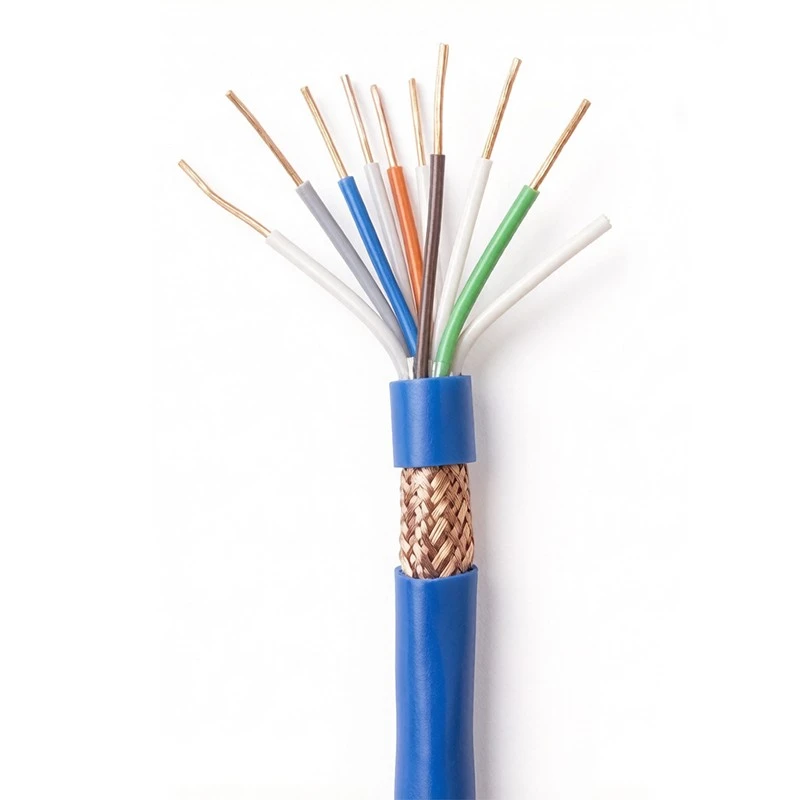
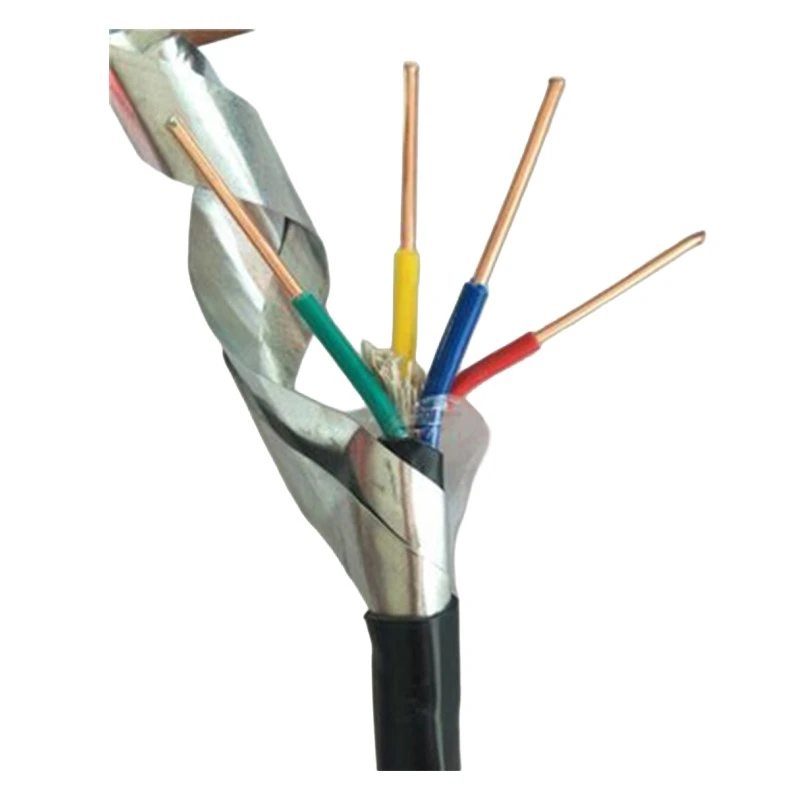
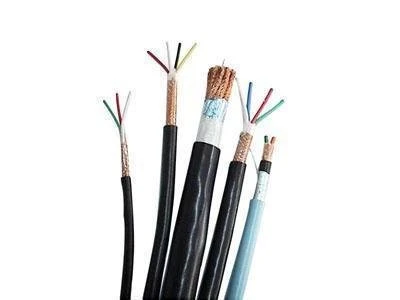
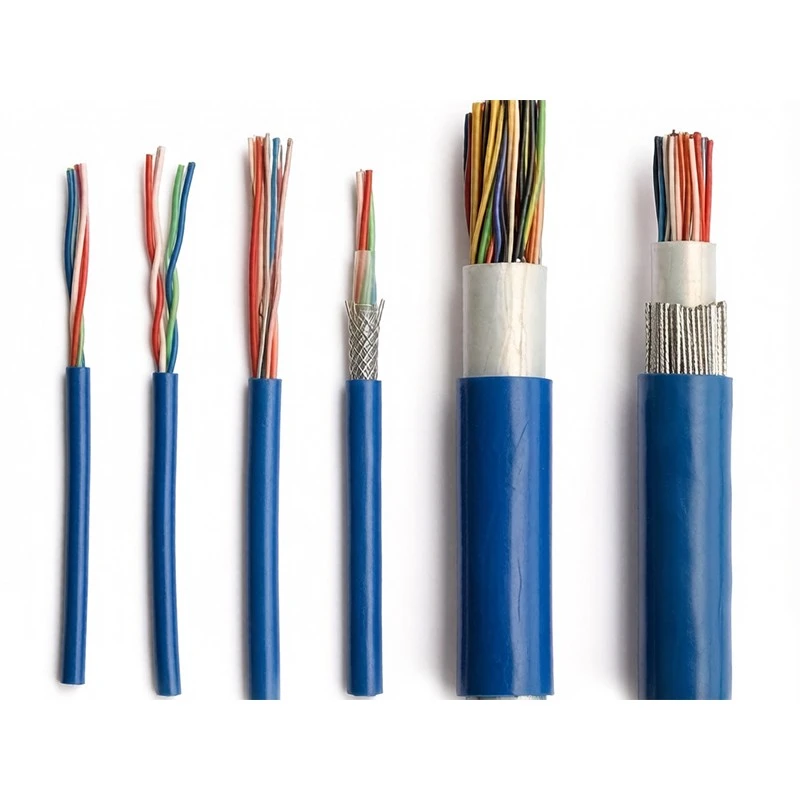
The construction of the cable, including the thickness of the insulation, the number of conductors, and the presence of shielding, also affects its voltage rating. Thicker insulation can provide better protection against electrical breakdown, allowing the cable to handle higher voltages. Shielded cables, which are commonly used in instrument signal applications to reduce electromagnetic interference (EMI), may have different voltage ratings depending on the type and quality of the shielding.
Environmental Conditions
The operating environment can have a significant impact on the voltage rating of a cable. Factors such as temperature, humidity, and exposure to chemicals or radiation can degrade the insulation material over time, reducing its dielectric strength. In harsh environments, cables may require a higher voltage rating to compensate for these effects and ensure reliable operation.
Typical Voltage Ratings for Instrument Signal Cables
Instrument signal cables are available with a wide range of voltage ratings to meet the diverse needs of different applications. Common voltage ratings for these cables include 300V, 600V, and 1000V.
- 300V Rating: Cables with a 300V rating are commonly used in low - voltage applications where the signals are relatively small and the risk of high - voltage surges is minimal. These cables are often found in control panels, small - scale instrumentation systems, and some consumer electronics.
- 600V Rating: A 600V rating is more versatile and can be used in a wider range of applications. These cables are suitable for industrial control systems, process automation, and many general - purpose instrumentation applications where the voltage levels may be slightly higher or where there is a possibility of transient voltage spikes.
- 1000V Rating: Cables with a 1000V rating are designed for more demanding applications, such as high - voltage instrumentation, power distribution in some industrial settings, and applications where the cable may be exposed to higher electrical stresses.
Choosing the Right Voltage Rating
When selecting an instrument signal cable, it is essential to choose the right voltage rating based on the specific requirements of the application. Here are some guidelines to help you make the right decision:
Evaluate the System Voltage
Determine the maximum voltage that the cable will be exposed to in the system. This includes both the normal operating voltage and any potential voltage spikes or surges that may occur. Consider factors such as the power supply voltage, the type of equipment connected to the cable, and the presence of any electrical noise sources in the environment.
Consider Future Expansion
If there is a possibility of future system expansion or changes, it may be wise to choose a cable with a slightly higher voltage rating than currently required. This can provide some margin of safety and ensure that the cable can handle any future increases in voltage without the need for costly replacements.
Consult the Manufacturer
Our team of experts can provide valuable advice on choosing the right voltage rating for your application. We have in - depth knowledge of the performance characteristics of our Instrument Signal Cable and can help you select the most suitable product based on your specific needs.
Other Types of Control Cables and Their Voltage Ratings
In addition to instrument signal cables, we also offer a range of other control cables, each with its own voltage rating requirements.
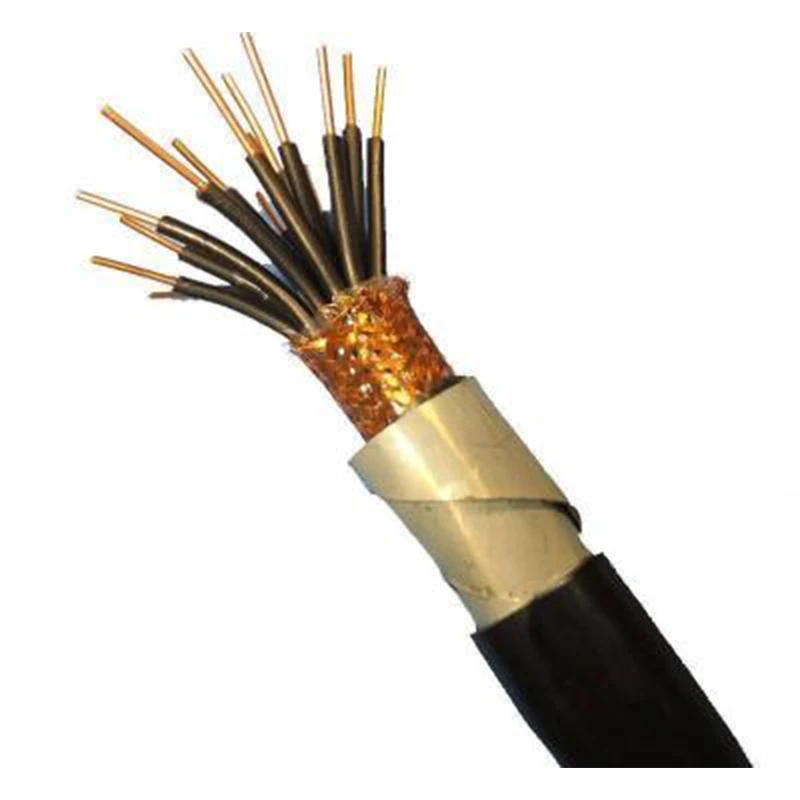
- Armoured Control Cable: These cables are designed to provide additional mechanical protection and are commonly used in harsh industrial environments. Armoured control cables are available with voltage ratings similar to those of instrument signal cables, ranging from 300V to 1000V or higher depending on the application.
- Universal Control Cable: As the name suggests, universal control cables are versatile and can be used in a variety of applications. They typically have voltage ratings that are suitable for general - purpose control and signal transmission tasks.
- Pvc Control Cable: PVC control cables are cost - effective and widely used in many electrical installations. Their voltage ratings depend on the specific PVC compound used and the cable construction, but they are commonly available with ratings of 300V or 600V.
- Copper Control Cable: Copper control cables are popular due to their excellent electrical conductivity. They are available in different voltage ratings to meet the requirements of various applications, from low - voltage control circuits to high - voltage power distribution.
Contact Us for Your Cable Needs
We understand that choosing the right cable with the appropriate voltage rating is crucial for the success of your project. Our company is committed to providing high - quality control cables, including Instrument Signal Cable, that meet the highest industry standards. If you have any questions about voltage ratings or need assistance in selecting the right cable for your application, our team of experts is here to help. We invite you to contact us to discuss your requirements and initiate a procurement negotiation.
References
- Electrical Engineering Handbook, Second Edition, edited by Richard C. Dorf
- Cable Engineering: Design, Installation, and Maintenance, by John D. Brown
- National Electrical Code (NEC) publications for cable safety and installation guidelines