

As a supplier of Flexible Instrument Cables, I've seen firsthand how these cables are revolutionizing the wearable device industry. Wearable devices, from smartwatches to fitness trackers and even more advanced medical monitors, are becoming an integral part of our daily lives. And at the heart of their functionality, flexible instrument cables play a crucial role. But what special requirements do these cables need to meet to fit seamlessly into wearable devices? Let's dive in.
Flexibility and Durability
One of the most obvious requirements for flexible instrument cables in wearable devices is, well, flexibility. Unlike traditional cables that are often used in stationary applications, those used in wearables need to bend, twist, and stretch with the user's movements. For example, when you raise your hand to check the time on your smartwatch, the cable inside needs to flex without breaking or losing performance.
We're talking about a high degree of flexibility here. The cables need to be able to endure repeated bending cycles without any degradation in electrical conductivity or mechanical integrity. This is where our expertise as a cable supplier comes in. We use special materials and manufacturing processes to ensure that our cables can handle the rigors of daily wear and tear. Our cables are designed to be super bendable, so they can adapt to the various movements of the human body.
Durability goes hand in hand with flexibility. Wearable devices are exposed to all sorts of environments and conditions. They might get bumped, jostled, or even accidentally dropped. The cables need to be tough enough to withstand these impacts. We test our cables rigorously to make sure they can handle rough treatment. This includes things like tensile strength tests, where we pull on the cables to see how much force they can take before breaking, and flex life tests, where we bend the cables thousands of times to simulate real - world use.
Size and Weight
Wearable devices are all about being lightweight and compact. Nobody wants to wear a bulky, heavy device on their wrist or body. That's why the cables used in these devices need to be tiny and light. We focus on minimizing the size of our flexible instrument cables without sacrificing their performance.
Smaller cables mean more room inside the wearable device for other components, such as batteries, sensors, and processors. This allows designers to create sleeker, more functional devices. And when it comes to weight, every little bit counts. A lighter cable means a lighter device overall, which makes it more comfortable for the user to wear for extended periods.
We use advanced materials and manufacturing techniques to achieve these small sizes and low weights. For instance, we might use ultra - thin insulation materials that still provide excellent electrical insulation properties. This helps us reduce the overall diameter of the cable without compromising its safety or performance.
Electrical Performance
Of course, the main job of a cable is to transmit electrical signals, and flexible instrument cables for wearable devices are no exception. These cables need to have excellent electrical performance to ensure that the device works correctly.
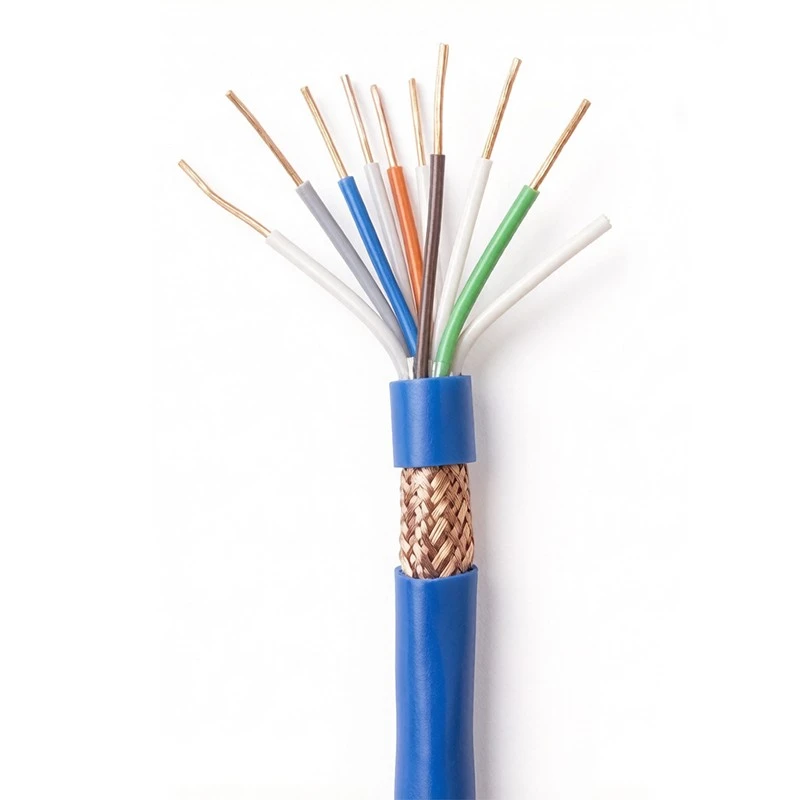
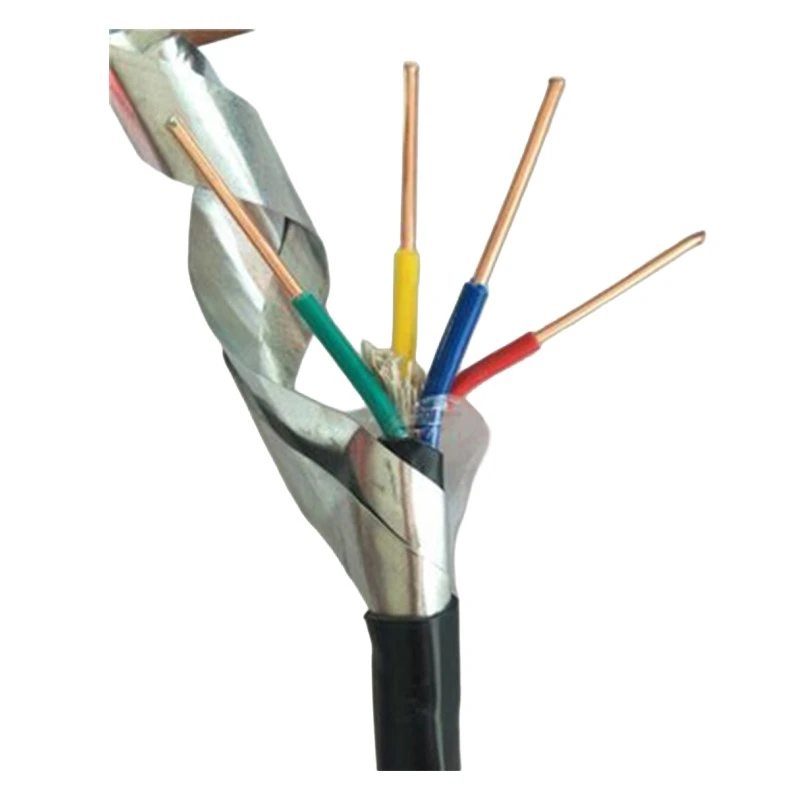
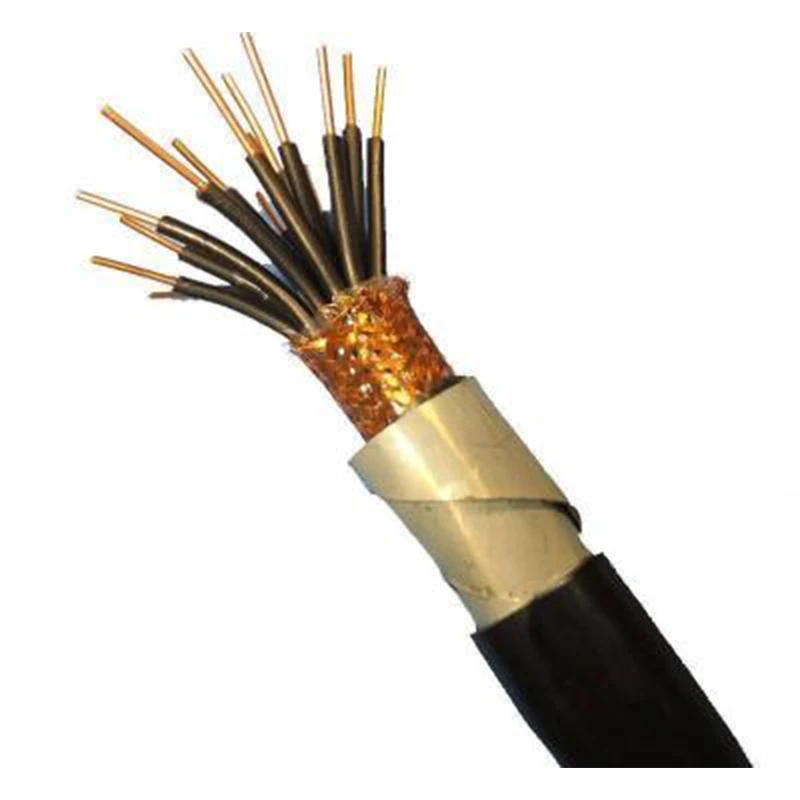
One important aspect is signal integrity. Wearable devices often transmit very small electrical signals, such as those from sensors that measure heart rate, blood pressure, or movement. Any interference or loss of signal can lead to inaccurate readings. Our cables are designed to minimize signal loss and interference. We use shielding techniques, similar to those in Screened Control Cable, to protect the electrical signals from external electromagnetic interference (EMI).
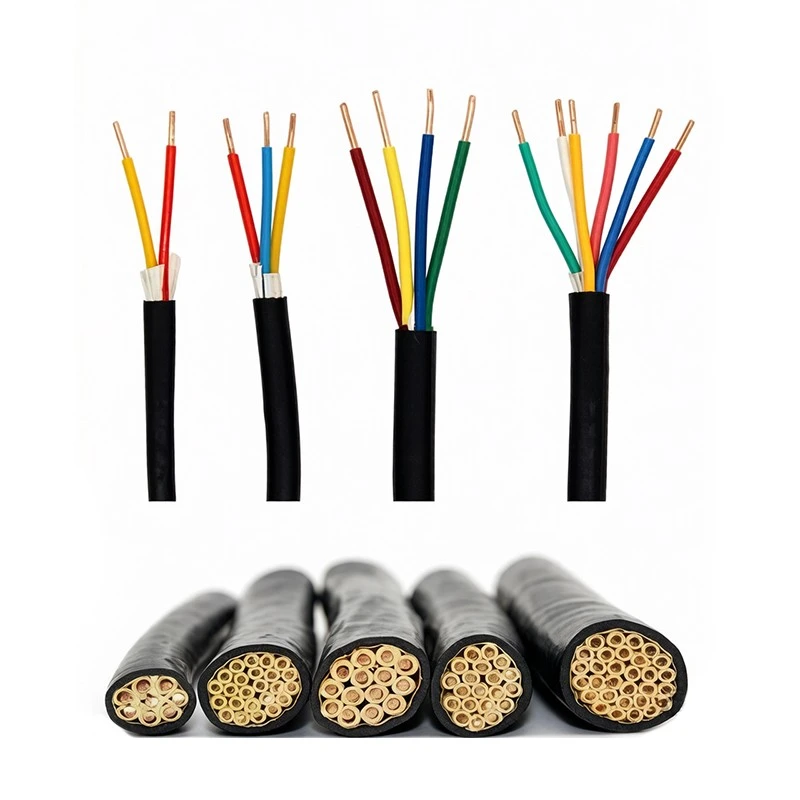
Another key factor is conductivity. The cables need to have low resistance to ensure that the electrical current can flow smoothly. This is especially important for power - hungry components in wearable devices, like the display or the wireless communication module. We use high - quality conductors, such as copper, which has excellent electrical conductivity. Our Copper Control Cable is a great example of a cable with high - performance conductivity that can meet the needs of wearable devices.
Biocompatibility
Since wearable devices are in direct contact with the human body, the flexible instrument cables need to be biocompatible. This means that they should not cause any allergic reactions or other adverse effects when in contact with the skin.

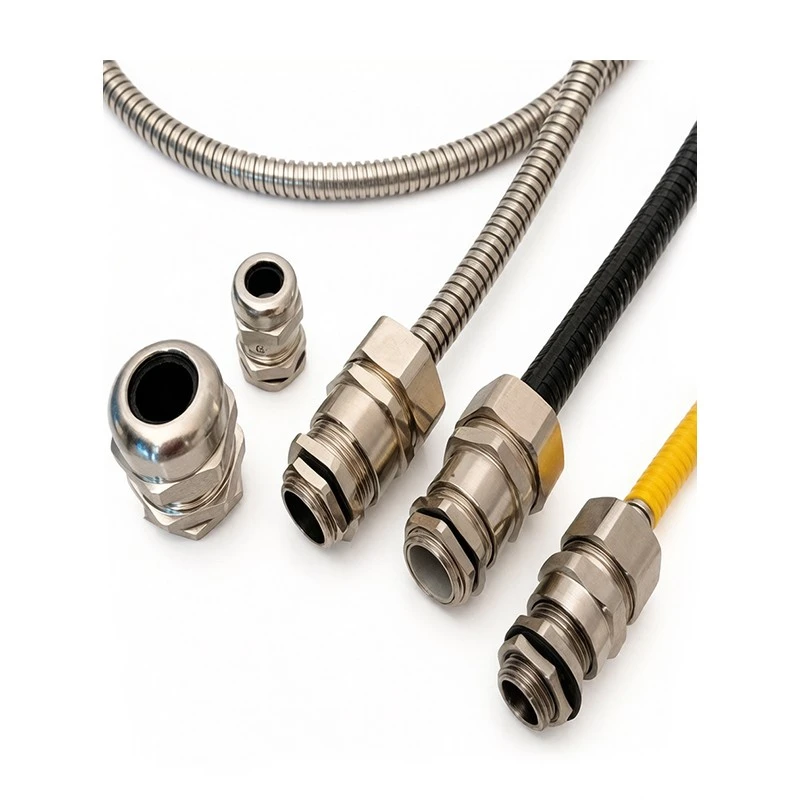
We take this requirement very seriously. We use materials that have been tested and approved for use in medical and wearable applications. These materials are non - toxic and hypoallergenic, ensuring that they are safe for long - term contact with the skin. This is especially important for medical wearable devices, such as continuous glucose monitors or electrocardiogram (ECG) monitors, where the cables are in direct contact with the skin for extended periods.
Resistance to Environmental Factors
Wearable devices are exposed to a variety of environmental factors, such as moisture, heat, and chemicals. The flexible instrument cables need to be resistant to these factors to ensure their long - term performance.
Moisture is a common problem, especially for wearable devices that are used during sports or in wet environments. Our cables are designed to be water - resistant, so they can withstand sweat, rain, and even being submerged in water for short periods. We use special coatings and seals to prevent moisture from seeping into the cable and causing damage to the electrical components.
Heat is another factor. Wearable devices can generate heat, especially when they are being used for intensive tasks, like running a big - screen app on a smartwatch. The cables need to be able to withstand high temperatures without melting or losing their performance. We use heat - resistant materials that can handle the thermal stress generated by the device.
Chemicals are also a concern, especially if the wearable device comes into contact with things like lotions, perfumes, or cleaning agents. Our cables are resistant to a wide range of chemicals, so they can maintain their integrity even when exposed to these substances.
Connectivity and Compatibility
In wearable devices, the cables need to have reliable connectivity. They need to connect securely to the various components inside the device, such as the printed circuit board (PCB), sensors, and connectors. A loose connection can lead to intermittent performance or even complete failure of the device.
We use high - quality connectors and termination techniques to ensure a secure and stable connection. Our cables are designed to be compatible with a wide range of connectors commonly used in wearable devices, ensuring that they can be easily integrated into different device designs. And just like Universal Control Cable, our flexible instrument cables can work well in multiple scenarios and with various components.
Cost - Effectiveness
Last but not least, cost - effectiveness is an important consideration. As the demand for wearable devices continues to grow, manufacturers are looking for ways to reduce costs without sacrificing quality. We understand this need and strive to offer high - performance flexible instrument cables at competitive prices.
By optimizing our manufacturing processes and using cost - effective materials, we are able to keep our prices down while still meeting all the special requirements of wearable devices. This allows our customers to create high - quality wearable devices that are affordable for consumers.
Conclusion
The flexible instrument cables used in wearable devices need to meet a wide range of special requirements, from flexibility and durability to electrical performance and biocompatibility. As a supplier, we are constantly innovating and improving our products to meet these needs. If you're in the business of manufacturing wearable devices and are looking for high - quality flexible instrument cables, we'd love to have a chat. Contact us to discuss your specific requirements and let's work together to create the best cables for your wearable devices.
References
- IEEE Transactions on Biomedical Engineering: Articles on electrical performance requirements for medical wearable device cables.
- ASTM International Standards: Standards related to the testing of cable durability, flexibility, and environmental resistance.