
Proper grounding of an instrument signal cable is a critical aspect of electrical systems, especially in industrial and instrumentation applications. As a leading supplier of Instrument Signal Cable, we understand the significance of correct grounding techniques to ensure the reliability and accuracy of signal transmission. In this blog, we will delve into the details of how to properly ground an instrument signal cable, covering the importance, methods, and best practices.
Why Grounding an Instrument Signal Cable is Important
Grounding serves several essential functions in an instrument signal cable system. Firstly, it provides a safe path for electrical current in the event of a fault, protecting both the equipment and personnel from electrical hazards. When a short - circuit or other electrical fault occurs, the grounding conductor allows the excessive current to flow safely to the earth, preventing damage to the instrument and reducing the risk of electric shock.

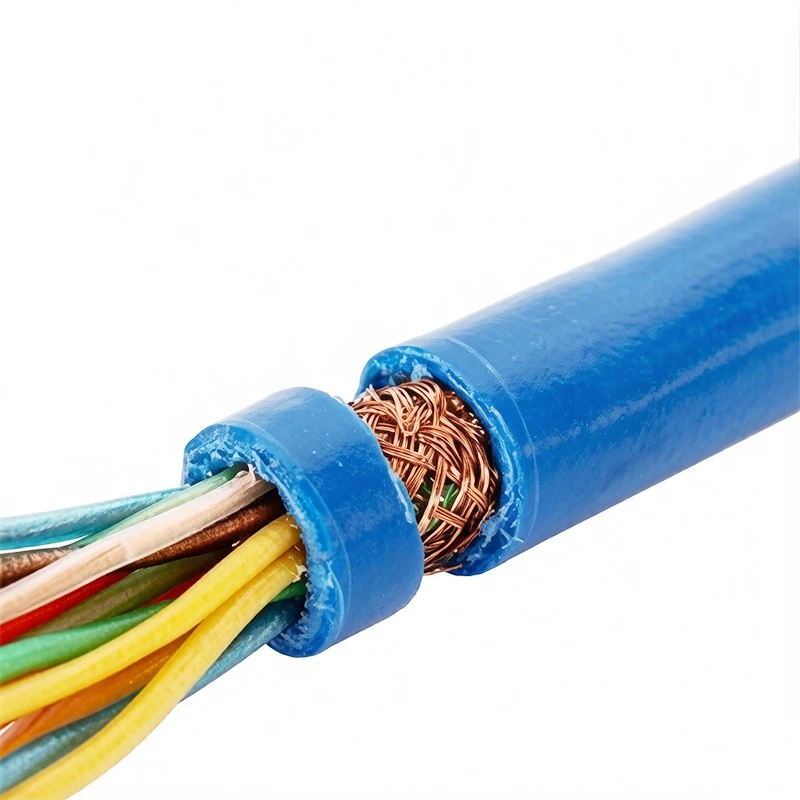
Secondly, grounding helps to minimize electromagnetic interference (EMI) and radio - frequency interference (RFI). These interferences can distort the signal carried by the cable, leading to inaccurate measurements and unreliable system operation. A well - grounded cable acts as a shield against external electromagnetic fields, ensuring that the signal remains clean and undistorted.
Finally, proper grounding helps to maintain a stable reference voltage for the signal. In an instrumentation system, accurate signal measurement often relies on a stable reference point. Grounding provides this reference, allowing the instrument to accurately measure and process the signal.
Types of Instrument Signal Cables
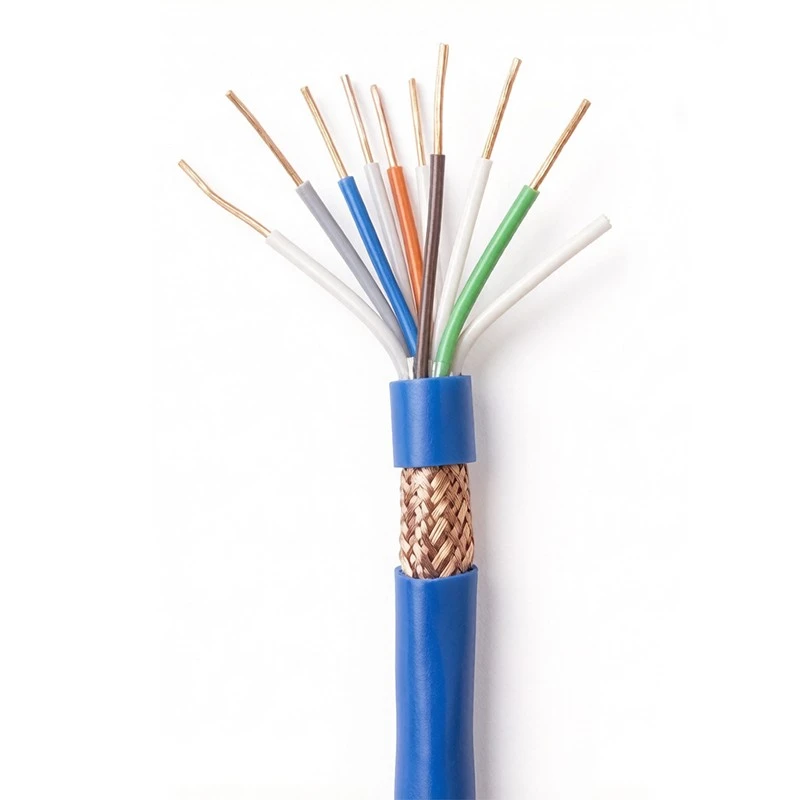
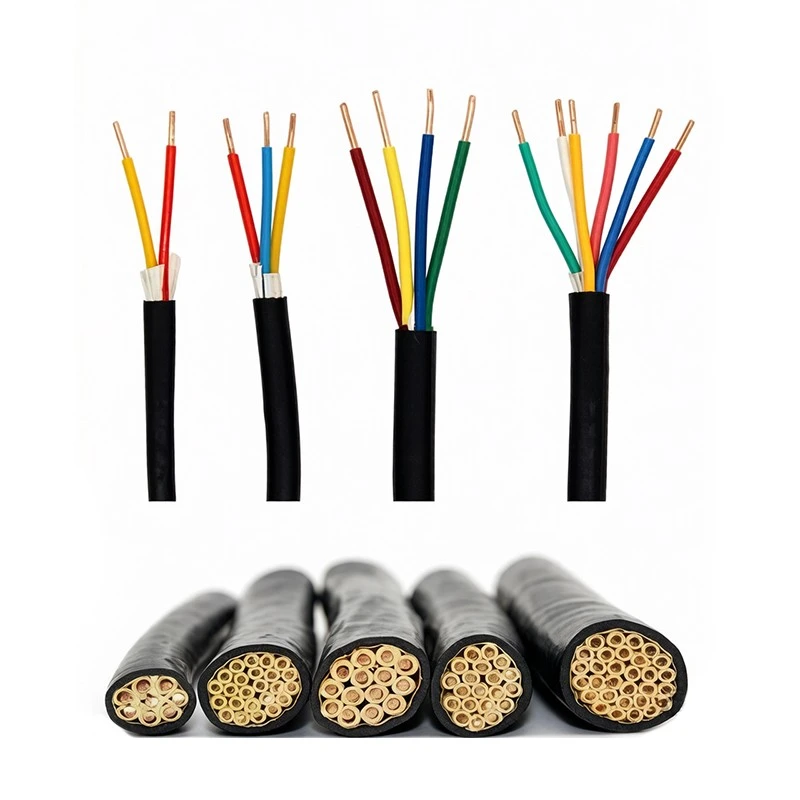
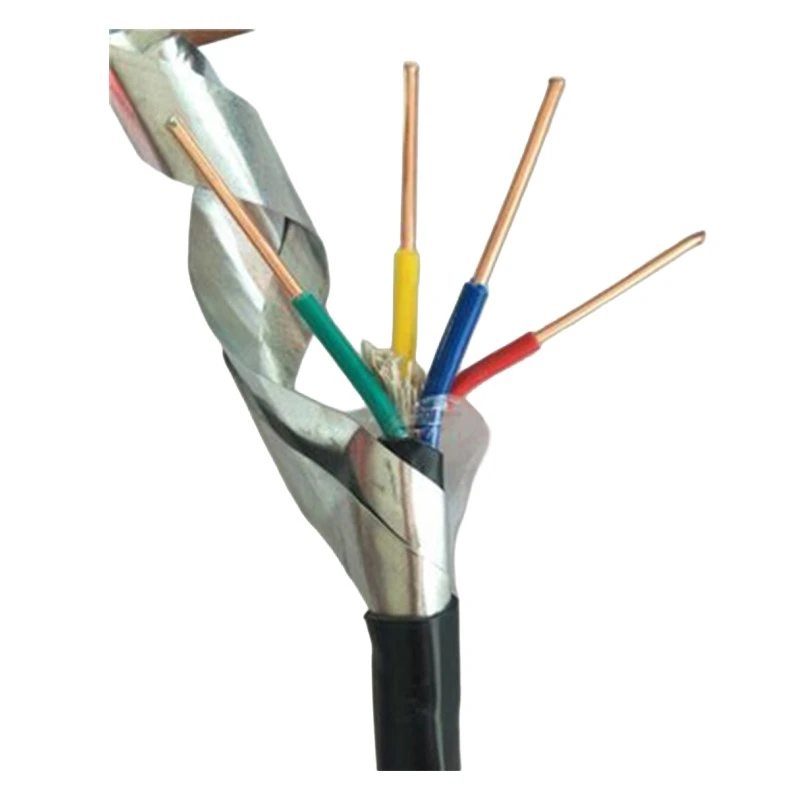
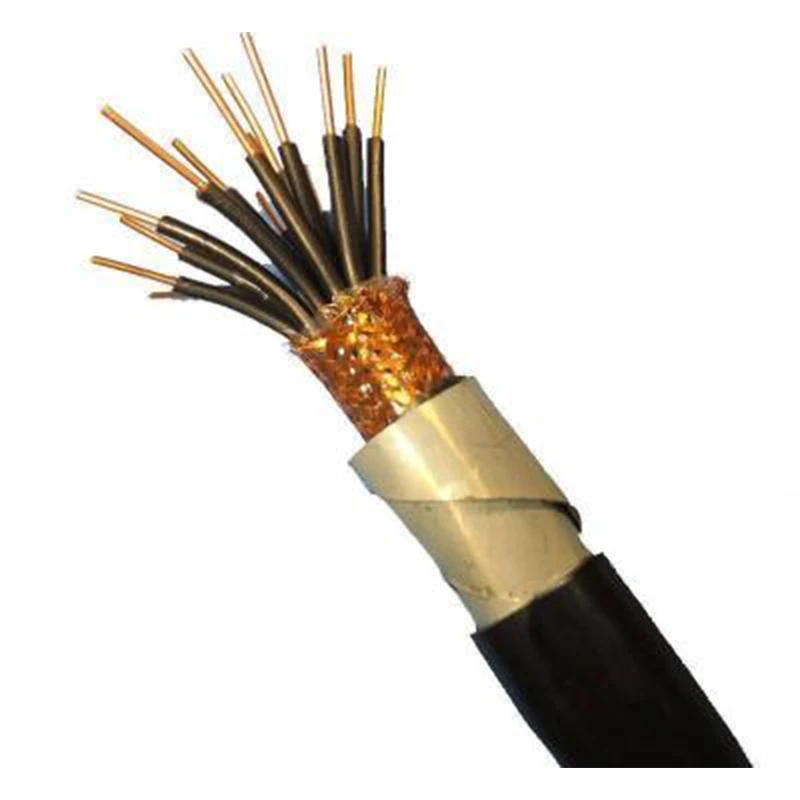
Before discussing grounding methods, it's important to understand the different types of instrument signal cables we offer. These include Armoured Control Cable, Motor Control Cable, Universal Control Cable, and Silco Control Cables.
Armoured control cables are designed to provide mechanical protection in addition to electrical insulation. The armour layer can be made of materials such as steel or aluminum, which helps to prevent damage from physical impact, abrasion, and rodents. Motor control cables are specifically engineered to handle the high - current and high - voltage requirements of motor control applications. Universal control cables are versatile and can be used in a variety of control and instrumentation systems. Silco control cables are known for their high - temperature resistance and excellent electrical properties, making them suitable for harsh environments.
Grounding Methods
Single - Point Grounding
Single - point grounding is a common method used for instrument signal cables. In this method, all the grounding conductors of the cable are connected to a single point, usually a grounding busbar or a grounding rod. This approach helps to eliminate ground loops, which can cause interference in the signal.
To implement single - point grounding, first, identify the grounding point. This should be a low - impedance connection to the earth. Then, connect the shield of the instrument signal cable to the grounding point using a short and thick conductor. The shorter the conductor, the lower the impedance, and the better the grounding performance.
Single - point grounding is particularly suitable for systems where the signal frequency is relatively low. However, it may not be effective in high - frequency applications, as the inductance of the long grounding conductor can cause significant impedance at high frequencies.
Multi - Point Grounding
Multi - point grounding involves connecting the shield of the instrument signal cable to multiple grounding points along the cable length. This method is often used in high - frequency applications, as it helps to reduce the impedance of the grounding path at high frequencies.
When using multi - point grounding, it's important to ensure that the grounding points are at the same potential to avoid the formation of ground loops. This can be achieved by using a common grounding grid or by carefully selecting the grounding points.
Hybrid Grounding
Hybrid grounding combines the advantages of single - point and multi - point grounding. In this method, the cable shield is grounded at a single point at the source end and at multiple points along the cable length. This approach helps to minimize ground loops at low frequencies while reducing the impedance at high frequencies.
Best Practices for Grounding Instrument Signal Cables
Use Proper Grounding Conductors
The grounding conductor should have low resistance and low inductance. Copper is a commonly used material for grounding conductors due to its high electrical conductivity. The size of the grounding conductor should be selected based on the maximum fault current that the cable may experience. A larger conductor size will result in lower resistance and better grounding performance.
Ensure Good Electrical Contact
When connecting the grounding conductor to the cable shield and the grounding point, it's important to ensure good electrical contact. This can be achieved by using proper connectors, such as crimp connectors or soldering. The connection should be clean and free of corrosion, as corrosion can increase the resistance of the grounding path.
Avoid Ground Loops
Ground loops can occur when there are multiple grounding paths with different potentials. To avoid ground loops, use single - point grounding in low - frequency applications and carefully design the grounding system in multi - point grounding applications. Also, avoid running the grounding conductor in parallel with power cables, as this can induce currents in the grounding conductor.
Protect the Grounding System
The grounding system should be protected from physical damage and environmental factors. This can be achieved by using proper enclosures and by installing the grounding conductors in a protected location. Additionally, the grounding system should be regularly inspected and maintained to ensure its integrity.
Conclusion
Proper grounding of an instrument signal cable is essential for the reliable and accurate operation of electrical systems. By understanding the importance of grounding, the different types of instrument signal cables, and the appropriate grounding methods and best practices, you can ensure that your instrumentation system performs at its best.
As a professional Instrument Signal Cable supplier, we are dedicated to providing high - quality cables and expert advice on grounding techniques. If you have any questions about instrument signal cable grounding or if you are interested in purchasing our products, please feel free to contact us for a detailed discussion. We look forward to assisting you in your next project.
References
- Electrical Installation Guidebooks for Instrumentation Systems
- Standards on Signal Cable Grounding by IEEE and NFPA
- Technical Bulletins from Cable Manufacturers