
Are compensating cables resistant to interference?
As a supplier of compensating cables, I often encounter questions from clients about the interference resistance of these cables. Compensating cables play a crucial role in temperature measurement systems, and their ability to resist interference is vital for accurate and reliable data collection.
In industrial environments, there are numerous sources of interference. These can include electromagnetic fields (EMF) generated by power lines, motors, and other electrical equipment. Radio - frequency interference (RFI) from communication devices, microwave ovens, and other radio - frequency sources can also pose a problem. Additionally, electrostatic interference can be caused by the build - up and discharge of static electricity in certain materials and working conditions.
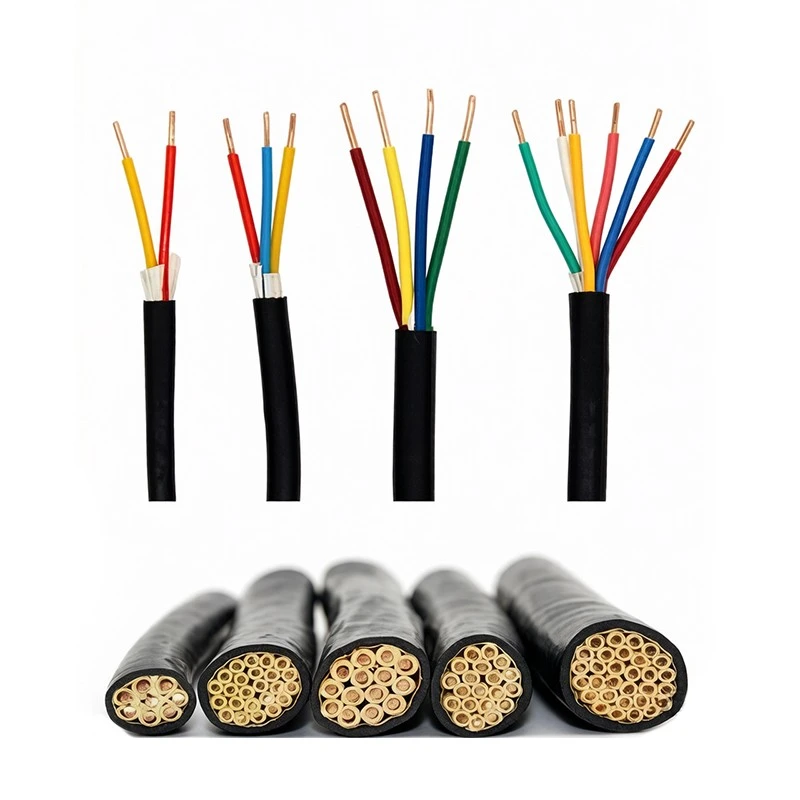
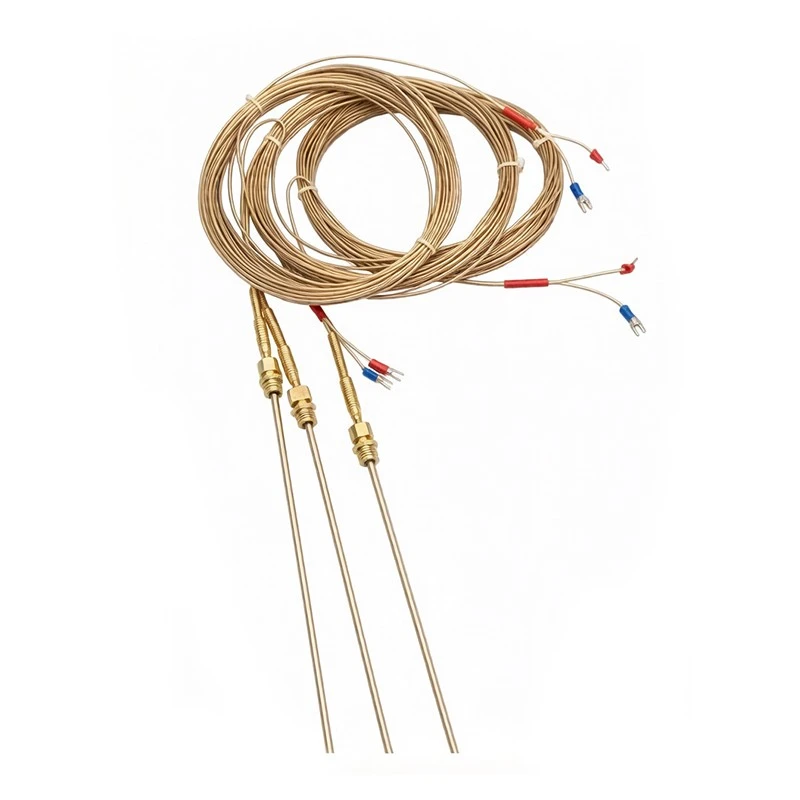
One of the key factors that determine the interference resistance of compensating cables is their construction. Different types of insulation materials can have a significant impact on how well the cable can withstand interference. For example, Fiberglass Insulated Thermocouple Wire offers some advantages in terms of interference resistance. Fiberglass is a good electrical insulator, which helps to prevent the coupling of external electrical signals into the cable conductors. It also has high thermal stability, allowing the cable to function effectively in high - temperature environments where interference sources may be more prevalent.
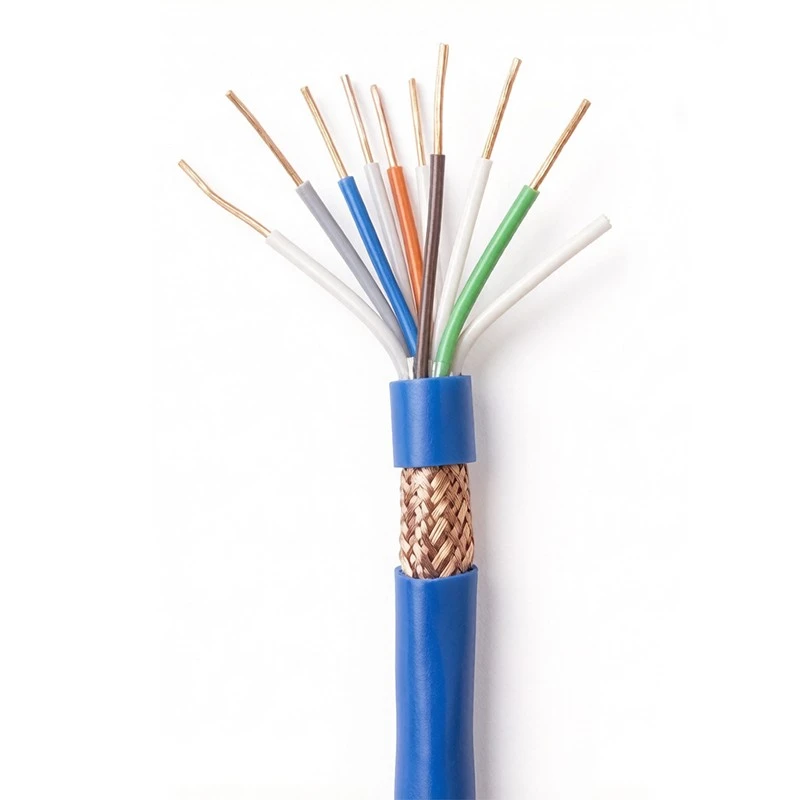
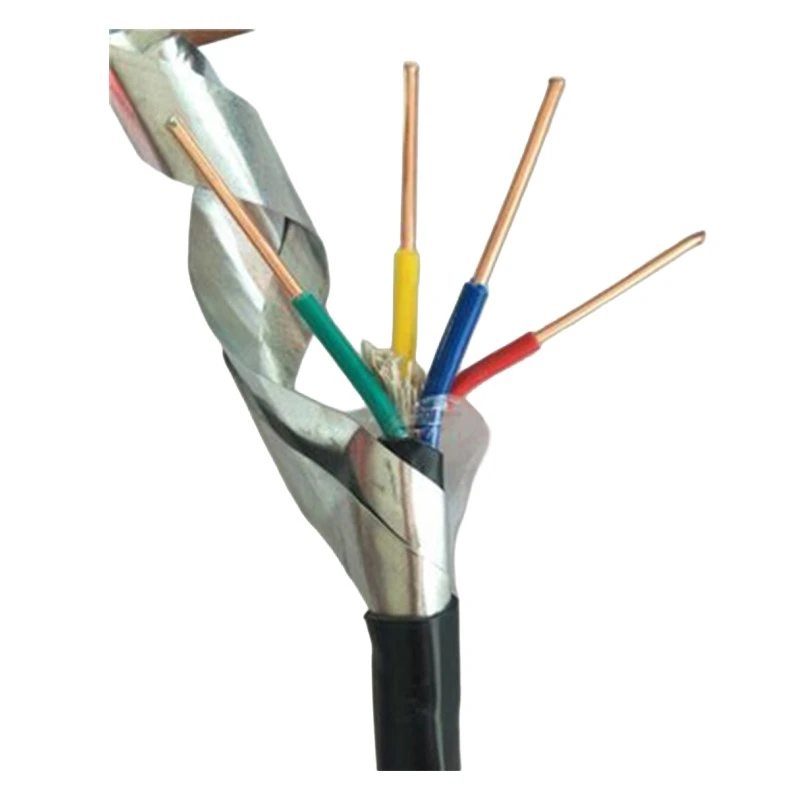
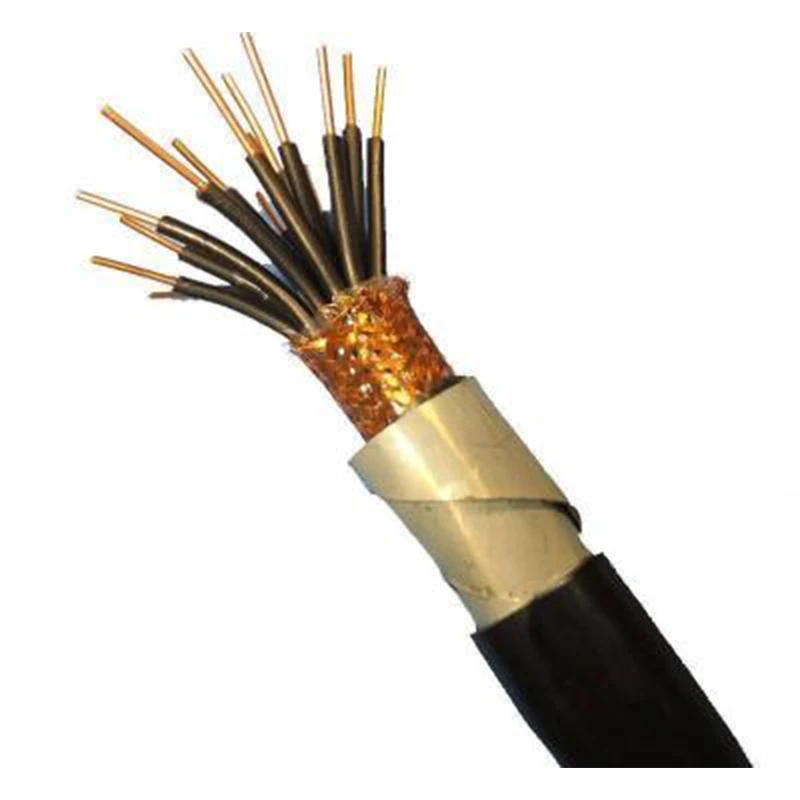
Another important aspect of construction is the shielding. Shielded compensating cables, such as Shielded Type K Thermocouple Wire, are specifically designed to reduce the effects of electromagnetic and radio - frequency interference. The shield acts as a barrier that intercepts the interference signals and diverts them to the ground. This helps to maintain the integrity of the electrical signals within the cable, ensuring accurate temperature measurements. There are different types of shielding materials and configurations available. Metallic shields, such as copper or aluminum foil shields, are commonly used. They are effective at blocking EMF and RFI because they can conduct the interference currents and route them away from the conductor. Braid shields offer additional mechanical protection in addition to their shielding properties, as the braid structure is more flexible and can withstand physical stress better.
However, it's not just the shielding and insulation that determine the interference resistance of compensating cables. The choice of conductor material also plays a role. Compensating cables typically use conductors made of specific alloys that are designed to match the thermoelectric properties of the corresponding thermocouples. These alloys need to have good electrical conductivity to minimize signal loss and should also be resistant to corrosion, which can affect the cable's performance over time.
It's also important to consider the installation and grounding of the compensating cables. Improper installation, such as running the cables too close to high - power electrical equipment or not providing proper support, can increase the risk of interference. Grounding is a critical factor in reducing interference. A well - grounded cable system ensures that any intercepted interference signals are effectively dissipated. If the grounding is not done correctly, the interference signals can accumulate and cause errors in the temperature measurements.
Let's look at some real - world scenarios to illustrate the importance of interference resistance in compensating cables. In a large industrial power plant, there are numerous electrical motors, generators, and control systems operating simultaneously. These generate strong electromagnetic fields that can easily interfere with the compensating cables used in the temperature measurement of various components such as boilers, turbines, and heat exchangers. If the compensating cables are not resistant to interference, the temperature readings can be inaccurate, leading to incorrect control decisions and potentially causing equipment damage or safety hazards.
In a laboratory setting, where precise temperature measurements are required for scientific experiments, even small amounts of interference can have a significant impact on the results. Compensating cables that can effectively resist interference ensure that researchers can rely on the accuracy of their temperature data, leading to more reliable and reproducible experimental results.
Thermocouple Lead Wire is another type of cable used in temperature measurement systems. These cables are often used to connect thermocouples to the measuring instruments. They also need to be resistant to interference to maintain the accuracy of the temperature readings. Similar to other compensating cables, proper insulation, shielding, and grounding are essential for their interference - resistant performance.
Compensating Wire is specifically designed to compensate for the change in the thermoelectric characteristics of thermocouples due to temperature differences between the measurement point and the instrumentation. In many cases, it needs to operate in environments where interference is present. By using high - quality compensating wire with good interference - resistant properties, the overall performance of the temperature measurement system can be improved.
Armored Thermocouple Cable offers an additional layer of protection against both physical damage and interference. The armor provides mechanical protection, preventing the cable from being damaged by external forces such as abrasion, impact, and crushing. At the same time, it can also contribute to the interference - resistance of the cable by acting as an additional shielding layer.
In conclusion, compensating cables can be resistant to interference, but it depends on several factors. The construction of the cable, including the choice of insulation, shielding, and conductor materials, as well as the installation and grounding practices, all play important roles in determining its interference - resistance performance. By choosing high - quality compensating cables and following proper installation procedures, users can ensure accurate and reliable temperature measurements even in the presence of various sources of interference.
If you are in need of high - quality compensating cables with excellent interference - resistant properties for your temperature measurement applications, we are here to help. We offer a wide range of products, including the different types of cables mentioned above. Contact us to discuss your specific requirements and start the procurement process. Together, we can design the best cable solution for your project.
References

- IEEE Standard for the Measurement of Electromagnetic and Radio - Frequency Interference.
- Handbook of Temperature Measurement, Wiley.
- Industrial Electronics and Control Systems, McGraw - Hill.