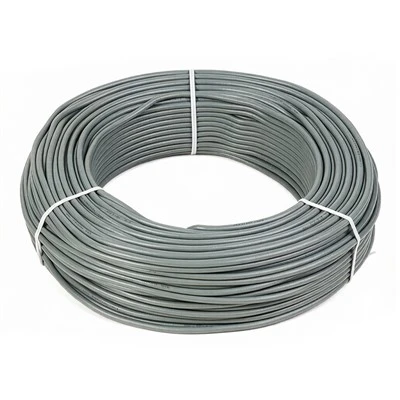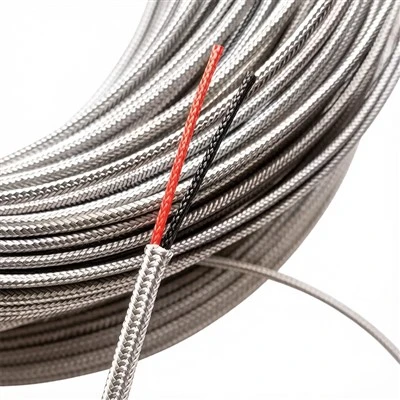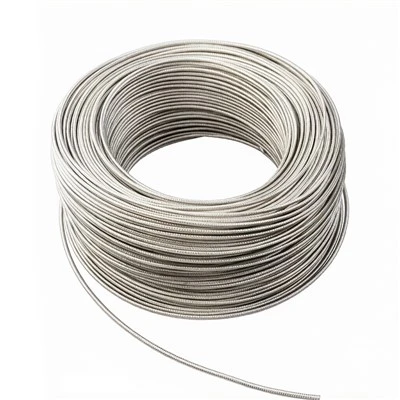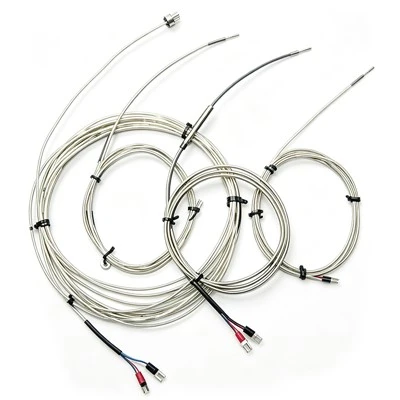

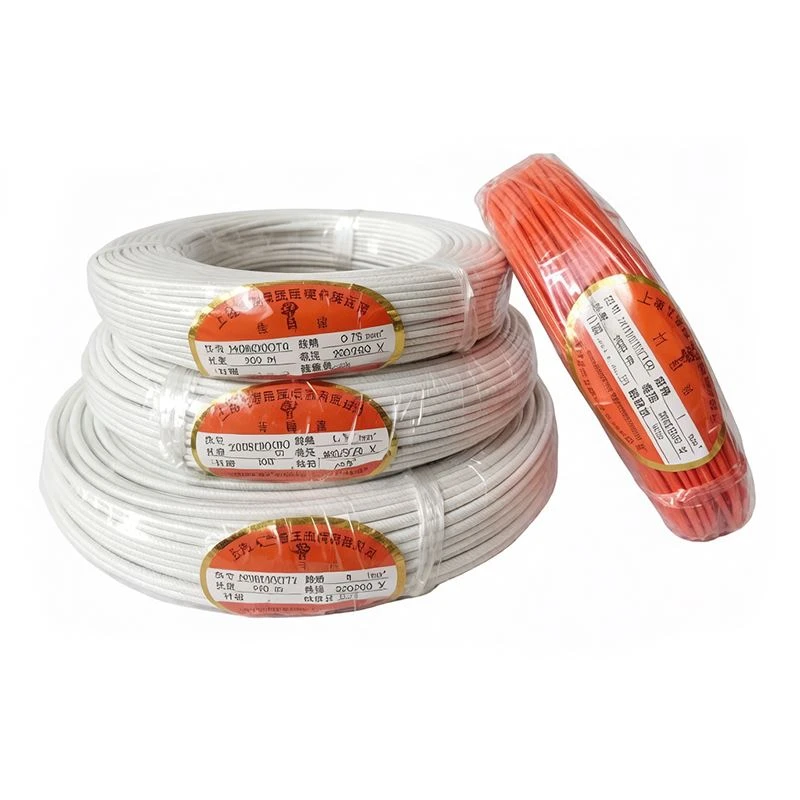
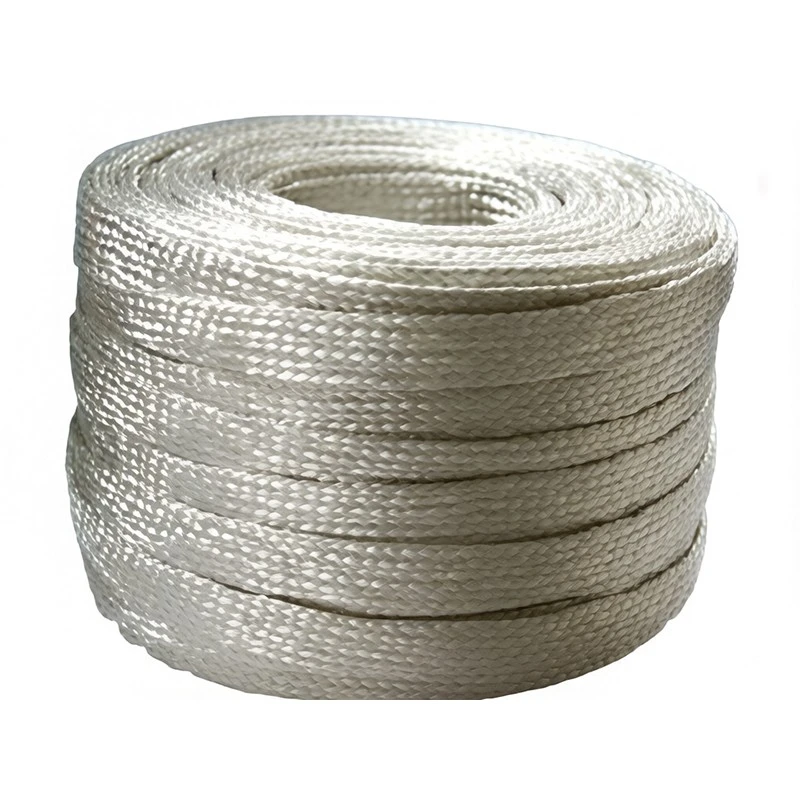
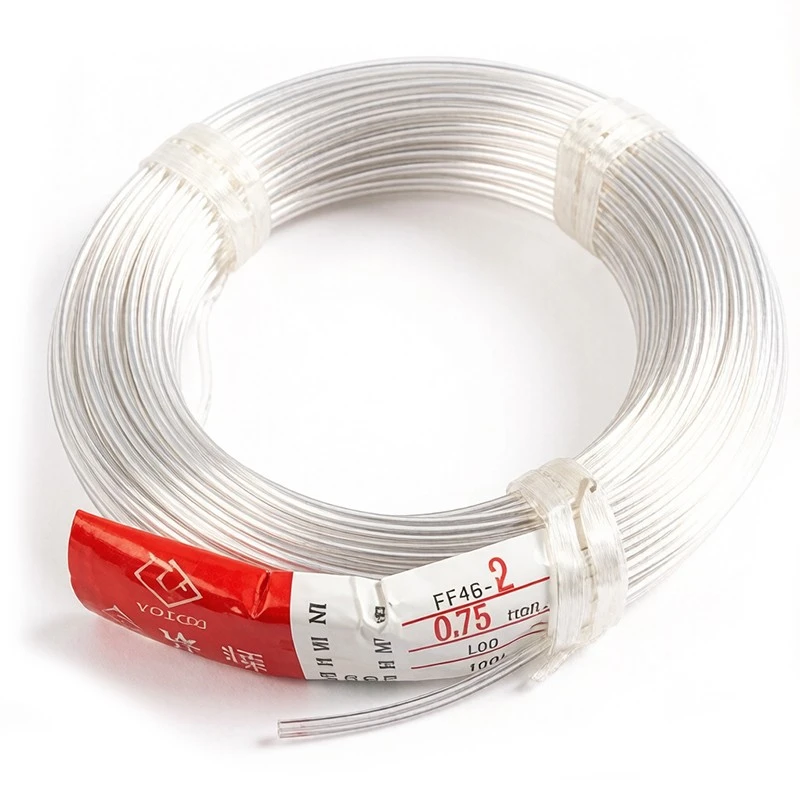
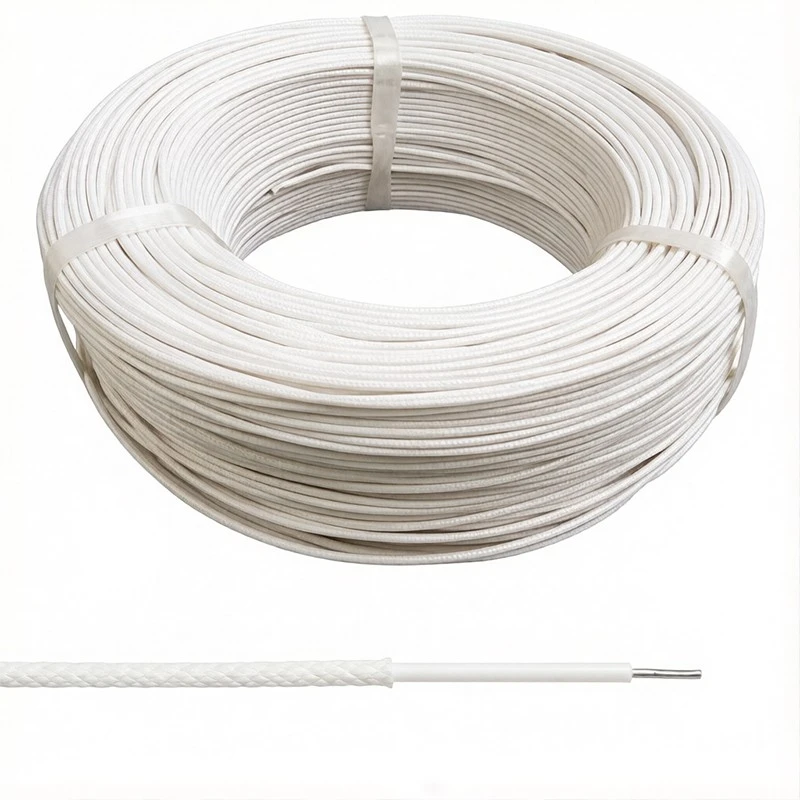
In high-temperature environments such as furnaces, heat treatment equipment, kilns, boilers, and hot gas ducts, conventional plastic insulation can melt or degrade rapidly. Our Fiberglass insulated thermocouple wire is designed for these extreme conditions. The insulation is made of high-quality glass fiber braid, which is non-combustible and capable of long-term operation at temperatures up to 450°C. It does not melt, soften, or decompose under continuous high-temperature exposure, making it suitable for fixed thermocouple installations in harsh thermal environments.

Stable Performance Under High Temperature

High temperatures can accelerate oxidation and affect conductor stability. This product uses specially selected thermocouple alloys optimized for high-temperature operation. The thermoelectric characteristics remain stable even under prolonged thermal stress, ensuring reliable measurement accuracy.
Both standard and precision accuracy grades are available. The precision grade provides tighter tolerance for applications requiring strict process control. Shielding options, including aluminum foil and tinned copper braid, are available. These shielding materials are thermally stable and designed to maintain integrity under high-temperature conditions. The outer glass fiber braid jacket also provides additional protection against thermal radiation.
We have extensive experience in manufacturing high-temperature instrumentation cables. The fiberglass insulated series is one of our core specialty product lines. Each production batch undergoes high-temperature aging tests as well as thermoelectric performance verification to ensure stability and measurement accuracy under thermal stress.
Our products comply with IEC 60584-3 standards and are CE certified. Common thermocouple types such as KX, KC, SX, and TX are available from stock. Custom lengths and conductor configurations are also supported. For export shipments, moisture-resistant packaging is used to ensure product integrity during long-distance transportation.

Key Specifications
|
Parameter |
Specification |
|
Common Models |
KX, KC, SX, SC, TX, TC (Fiberglass High-Temperature Type) |
|
Insulation Material |
Premium Glass Fiber |
|
Jacket Material |
Glass Fiber Braid (High-Temperature Resistant) |
|
Working Temperature |
-40°C ~ +450°C (Long-Term Operation) |
|
Shielding Structure |
Aluminum Foil / Tinned Copper Braid (Optional) |
Frequently Asked Questions
Hot Tags: fiberglass insulated thermocouple wire, China fiberglass insulated thermocouple wire manufacturers, suppliers, factory