

As a professional flat cables supplier, I understand the significance of maintaining flat cables to ensure their optimal performance and longevity. In this blog post, I'll share some essential tips and best practices on how to maintain flat cables, which will not only help you extend the lifespan of your cables but also save you money in the long run.
Understanding Flat Cables
Before delving into maintenance strategies, let's first have a clear understanding of flat cables. Flat cables, also known as ribbon cables, are flexible and flat in shape, composed of multiple parallel conductors. They come in various types to meet different application requirements, such as Ribbon Power Cable, Flat Ribbon Power Cable, Silicone Ribbon Cable, Shielded Flat Ribbon Cable, and High Flex Ribbon Cable. Each type has its unique characteristics and is suitable for specific scenarios, like power transmission, signal transfer, or applications that demand high flexibility.
General Maintenance Tips
1. Proper Installation
The first step in maintaining flat cables starts with proper installation. During installation, ensure that the cables are not bent beyond their recommended minimum bend radius. Excessive bending can damage the internal conductors, leading to signal loss, electrical shorts, or even complete cable failure. It's also crucial to secure the cables firmly using appropriate cable management solutions, such as cable ties, clips, or trays. This prevents the cables from moving around, which can cause abrasion and stress on the conductors over time.
2. Regular Inspection
Regular inspection is essential to detect any potential issues with flat cables early. Inspect the cables for signs of physical damage, such as cuts, abrasions, kinks, or fraying. These damages can expose the internal conductors, increasing the risk of electrical hazards. Additionally, check the connectors for loose connections, corrosion, or dirt. Loose connectors can result in poor electrical contact, leading to signal degradation or intermittent failures.
3. Cleanliness
Keeping the flat cables clean is vital for their proper functioning. Dust, dirt, and debris can accumulate on the cable surface and inside the connectors, affecting the electrical conductivity. Use a soft, dry cloth to wipe the cables regularly. For more stubborn dirt or contaminants, you can use a mild cleaning solution specifically designed for electronic components. However, make sure to follow the manufacturer's instructions and avoid getting the cables wet, as moisture can cause corrosion and short circuits.
4. Temperature and Humidity Control
Flat cables are sensitive to temperature and humidity changes. High temperatures can cause the insulation material to degrade, reducing its effectiveness and increasing the risk of electrical leakage. On the other hand, low temperatures can make the cables more brittle, increasing the likelihood of cracking. Similarly, high humidity can lead to corrosion of the conductors and connectors. Therefore, it's important to store and use the cables in an environment with controlled temperature and humidity levels.
5. Avoid Overloading
Overloading the flat cables can cause excessive heat generation, which can damage the insulation and conductors. Make sure to check the cable's ampacity rating and ensure that the current flowing through the cable does not exceed this limit. If you need to handle high currents, consider using cables with a higher ampacity rating or parallel multiple cables to distribute the load evenly.
Maintenance for Different Types of Flat Cables
Ribbon Power Cable
Ribbon power cables are designed to transmit electrical power. When maintaining these cables, pay special attention to the connections to ensure a secure and low - resistance electrical connection. Tighten any loose terminals regularly to prevent overheating due to poor contact. Also, inspect the insulation for signs of heat damage, as overloaded power cables can get very hot.
Flat Ribbon Power Cable
Similar to ribbon power cables, flat ribbon power cables require proper connection and insulation checks. Due to their flat design, they may be more prone to bending stress. Avoid sharp bends during installation and handling to prevent internal conductor breakage. Additionally, check for any signs of physical damage that could compromise the power transmission.
Silicone Ribbon Cable
Silicone ribbon cables are known for their high flexibility and resistance to extreme temperatures. However, they are still susceptible to damage from sharp objects. Store and handle these cables carefully to avoid cuts and abrasions. The silicone insulation can absorb moisture over time, so it's important to keep them in a dry environment. Periodically check the insulation integrity for any signs of degradation.
Shielded Flat Ribbon Cable
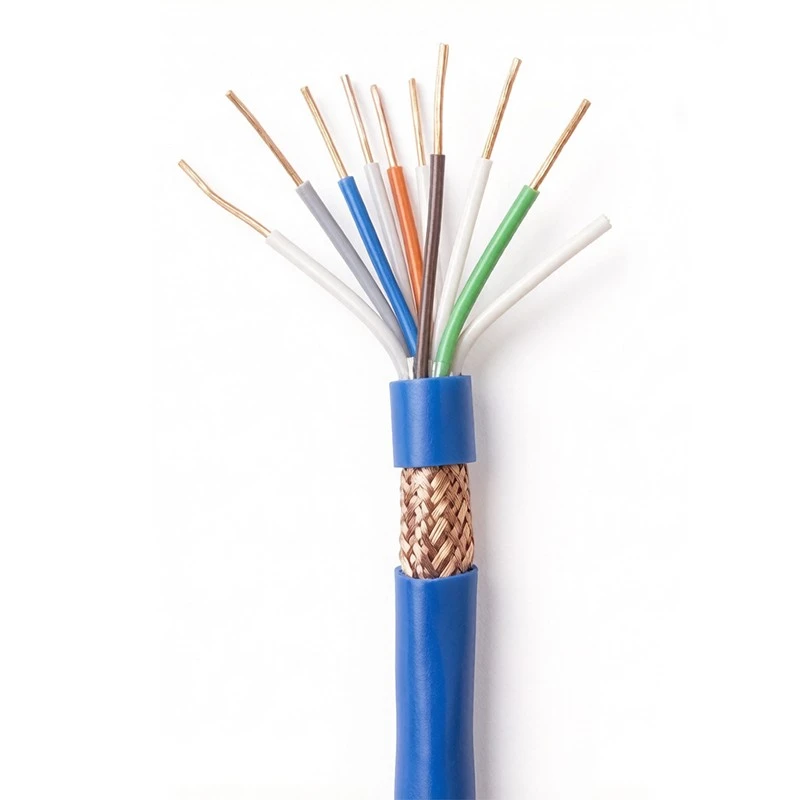
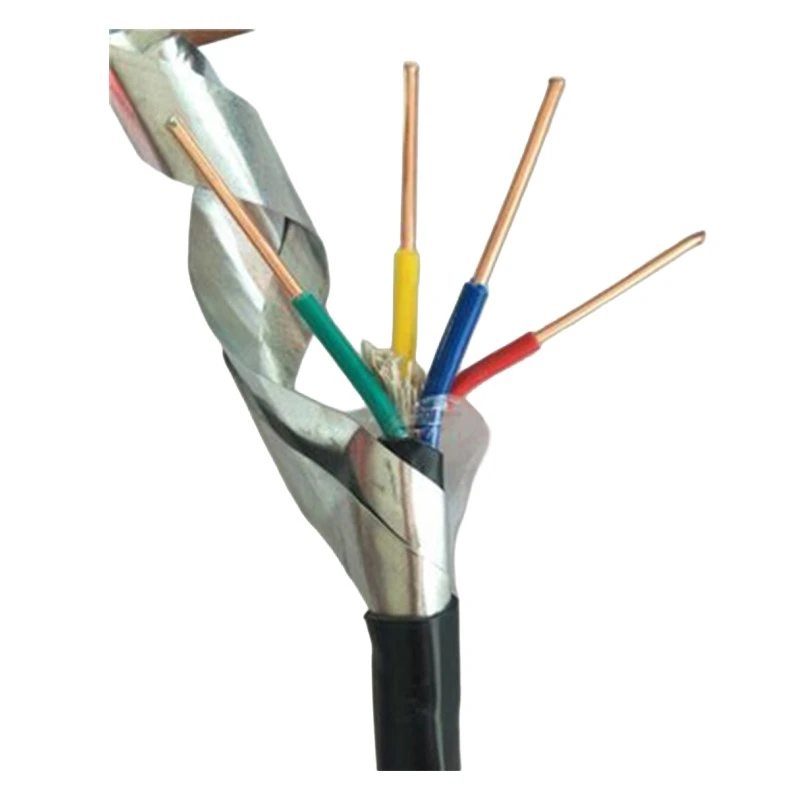
The shielding in shielded flat ribbon cables is crucial for protecting the signal from electromagnetic interference (EMI). Check the integrity of the shielding regularly. Any damage to the shielding can reduce its effectiveness and lead to signal interference. Ensure that the shielding is properly grounded to provide maximum protection. Also, maintain the connectors to prevent signal leakage at the connection points.
High Flex Ribbon Cable
High flex ribbon cables are designed for applications that require frequent bending and movement. To maintain their flexibility and performance, avoid over - stretching the cables. Over - stretching can cause the internal conductors to break. Additionally, check for signs of wear and tear on the insulation due to the repeated bending. If the cable shows excessive wear, consider replacing it before it fails completely.
Storage and Handling
Proper storage and handling of flat cables are also important for their maintenance. When storing flat cables, roll them up gently on a spool or coil them loosely without kinking. Avoid storing them in direct sunlight or in areas with high levels of vibration. When handling the cables, use clean hands or gloves to prevent dirt and oils from getting on the cables.
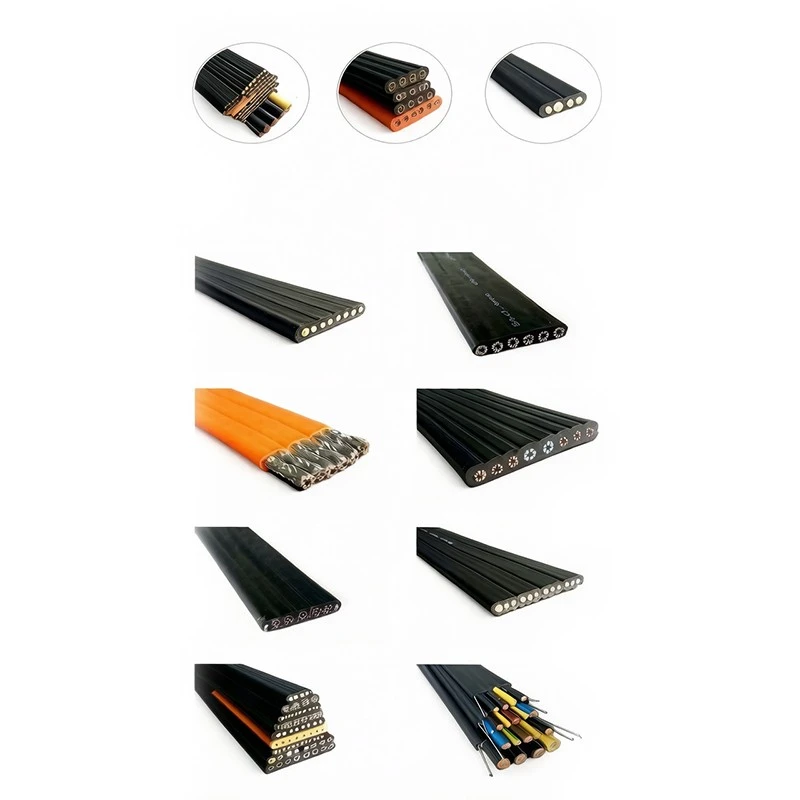

Troubleshooting and Repair
If you notice any issues with the flat cables, such as signal loss, electrical shorts, or physical damage, it's important to troubleshoot and repair them promptly. First, identify the source of the problem through visual inspection and electrical testing. For minor damages, such as a cut in the insulation, you can use insulation tape to repair the affected area. However, for more severe damages, such as a broken conductor, it may be necessary to replace the cable or a section of it.
Conclusion
Maintaining flat cables is a crucial aspect of ensuring their reliable performance and longevity. By following the tips and best practices outlined in this blog post, you can minimize the risk of cable failures and reduce downtime. As a flat cables supplier, we are committed to providing high - quality cables and offering professional advice on cable maintenance. If you have any questions about flat cables or need to purchase cables for your projects, feel free to contact us for a detailed consultation and procurement discussion.
References
- Electrical Engineering Handbook, Third Edition, CRC Press
- Cable Installation Manuals from Industry Leading Manufacturers
- Research Papers on Cable Reliability and Maintenance from IEEE Journals