

Yo! I'm a supplier of specialty cables, and I've been thinking a lot lately about whether the latest advancements in this field will make these cables more affordable. Let's dive right in and break this down.
The Current State of Specialty Cables
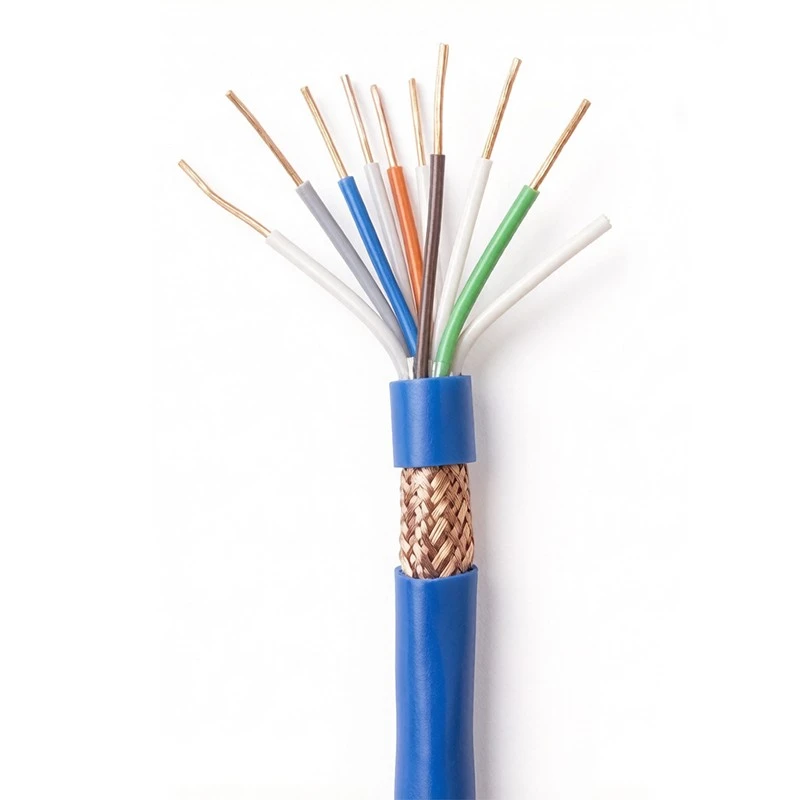
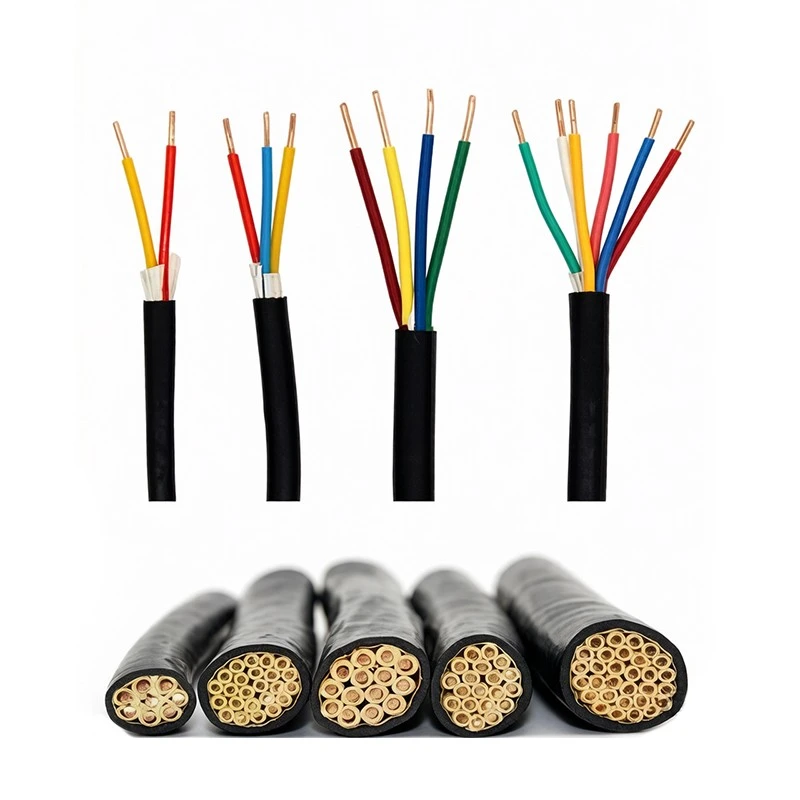
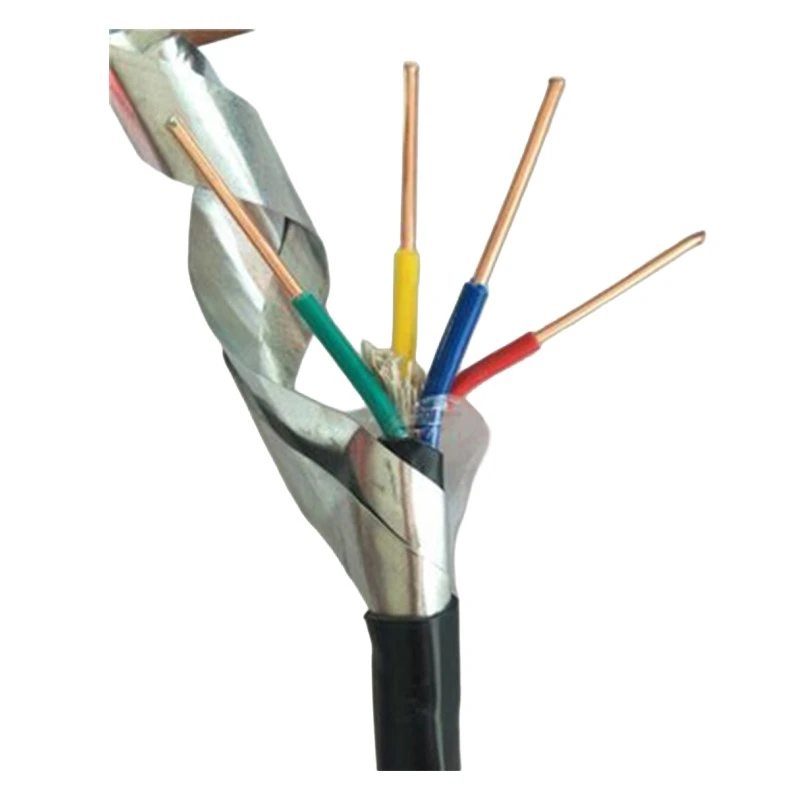
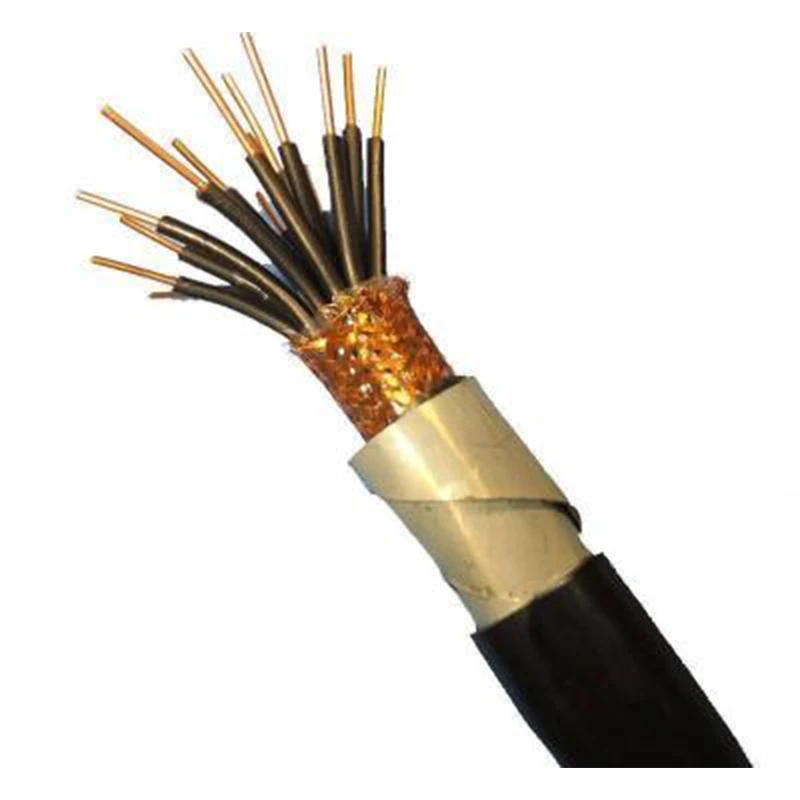
First off, specialty cables aren't your run - of - the - mill wires. They're designed for very specific applications, whether it's Enhanced Fire Cable that can withstand extreme heat during a fire, Specialty Computer Cables for high - performance computing systems, Lszh Fire Resistant Cable that emits low smoke and zero halogen in case of fire, Temperature Resistant Cable for industrial settings with crazy temperatures, or Speciality Cable for other unique and specialized needs.
Right now, the cost of these specialty cables can be pretty steep. There are a few reasons for this. The materials used in these cables are often top - notch and not as commonly available as those for regular cables. For example, the insulation materials in fire - resistant cables need to have very high melting points and excellent fire - retardant properties. These high - quality materials come at a price.
Also, the manufacturing process for specialty cables is more complex. It requires specialized machinery and highly skilled workers. You can't just slap these cables together on a regular production line. There are strict quality control measures in place to make sure they meet the specific standards for their intended use. All these factors contribute to the high cost.
Advancements in Material Technology
One of the biggest areas of advancement is in material technology. Scientists and engineers are constantly looking for new materials that can perform just as well as the current ones, but at a lower cost. For instance, they're researching alternative polymers for insulation that have similar fire - resistant or temperature - resistant properties but are cheaper to produce.
Some new composite materials are being developed that combine the best features of different substances. These composites can be more cost - effective because they use less of the expensive raw materials. If these new materials prove to be reliable and can pass the necessary safety and performance tests, it could significantly reduce the cost of manufacturing specialty cables.
Another aspect is the recycling of materials. There's a growing trend in the industry to recycle cable materials. By reusing old cables, we can reduce the demand for new raw materials. This not only helps the environment but can also bring down costs. If we can find efficient ways to recycle and reuse the materials in specialty cables, it would make them more affordable in the long run.
Manufacturing Process Innovations
The manufacturing process for specialty cables is also seeing some major advancements. New automation technologies are being introduced. These machines can work faster and with more precision than human workers. They can also operate around the clock, increasing the production capacity.
For example, 3D printing is starting to make its way into cable manufacturing. With 3D printing, we can create custom - shaped cable components more easily and at a lower cost. It reduces waste because the printer only uses the exact amount of material needed for the part. This technology also allows for more flexibility in design, as we can quickly change the shape or size of a component without having to retool an entire manufacturing line.
Robotics is another area where we're seeing progress. Robots can handle the more dangerous and repetitive tasks in cable manufacturing, such as handling hot materials or winding wires. This not only improves worker safety but also increases efficiency. As the cost of these automation technologies comes down over time, the overall cost of producing specialty cables is likely to follow.
Economies of Scale
As the demand for specialty cables grows, we can expect to see economies of scale come into play. More companies are starting to recognize the importance of these cables in various industries, such as data centers, aerospace, and industrial manufacturing. As the demand increases, manufacturers can produce more cables at once.
When you produce in larger quantities, the cost per unit goes down. For example, the cost of buying raw materials in bulk is usually lower than buying them in small quantities. The same goes for other production costs, like labor and equipment usage. With more companies entering the specialty cable market, the competition is also heating up. This competition can lead to price wars, which is great news for consumers.
Challenges That May Hinder Affordability
However, it's not all smooth sailing. There are still some challenges that could prevent specialty cables from becoming more affordable. One of these is the strict regulatory requirements. These cables have to meet very high - level safety and performance standards. Making sure they meet these standards often requires additional testing and certification processes, which can be expensive.
There's also the issue of intellectual property. Many of the advancements in specialty cable technology are protected by patents. If a company wants to use a patented technology, they may have to pay licensing fees. These fees can add to the cost of production and ultimately be passed on to the consumer.
The Future Outlook
Overall, I'm pretty optimistic that these advancements will lead to more affordable specialty cables. The progress in material technology, manufacturing processes, and the potential for economies of scale are all positive signs. But it's going to take some time. The regulatory and intellectual property issues need to be addressed, and new technologies need to be fully integrated into the production process.
If you're in the market for specialty cables, keep an eye on these developments. As the technology evolves, you're likely to see better quality cables at more reasonable prices. And if you're interested in purchasing specialty cables, whether it's for a large - scale project or a small - scale application, don't hesitate to reach out. We're here to help you find the best cable solutions for your needs. Let's start a conversation about your specialty cable requirements, and we can work together to get you the right products at a price that makes sense.
References
- Industry reports on specialty cable manufacturing
- Research papers on new materials and manufacturing processes for cables