

As an Instrument Signal Cable supplier, I've seen firsthand how signal distortion can be a real pain in the neck for folks using these cables. It can mess up data transmission, lead to inaccurate readings, and generally cause a whole bunch of headaches. So, I thought I'd share some tips on how to reduce signal distortion in an instrument signal cable.
Understanding Signal Distortion
Before we dive into the solutions, let's quickly understand what signal distortion is. In simple terms, it's when the original signal that's sent through the cable gets changed or degraded by the time it reaches the other end. This can happen for a bunch of reasons, like interference from other electrical devices, the cable's length, and its quality.
Choose the Right Cable
One of the most important steps in reducing signal distortion is choosing the right cable for the job. Not all cables are created equal, and using the wrong one can lead to all sorts of problems. For instance, if you're working in an environment with a lot of electrical interference, you'll want to go for a cable with good shielding.
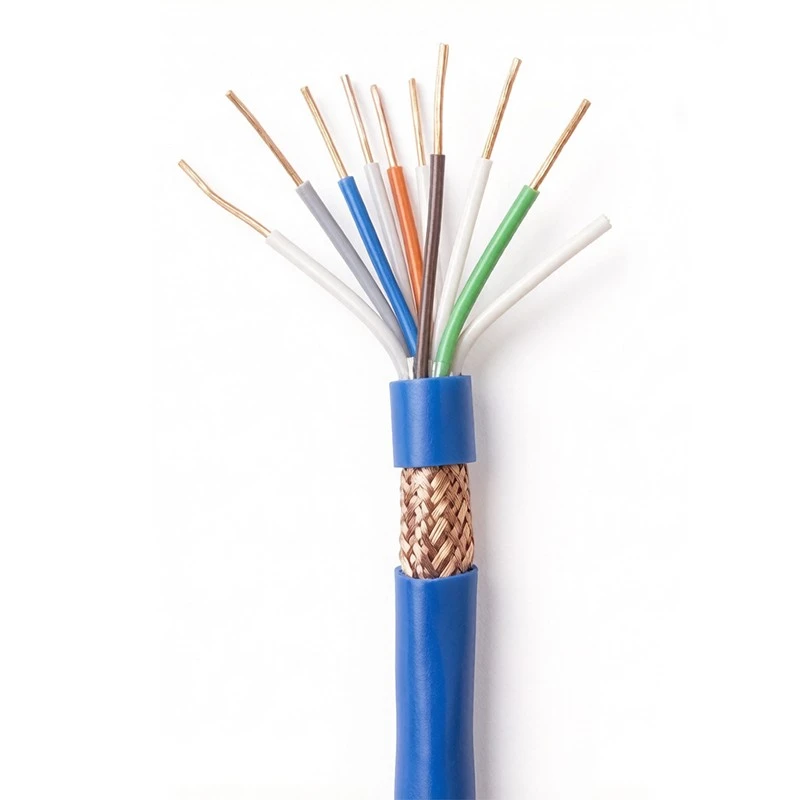
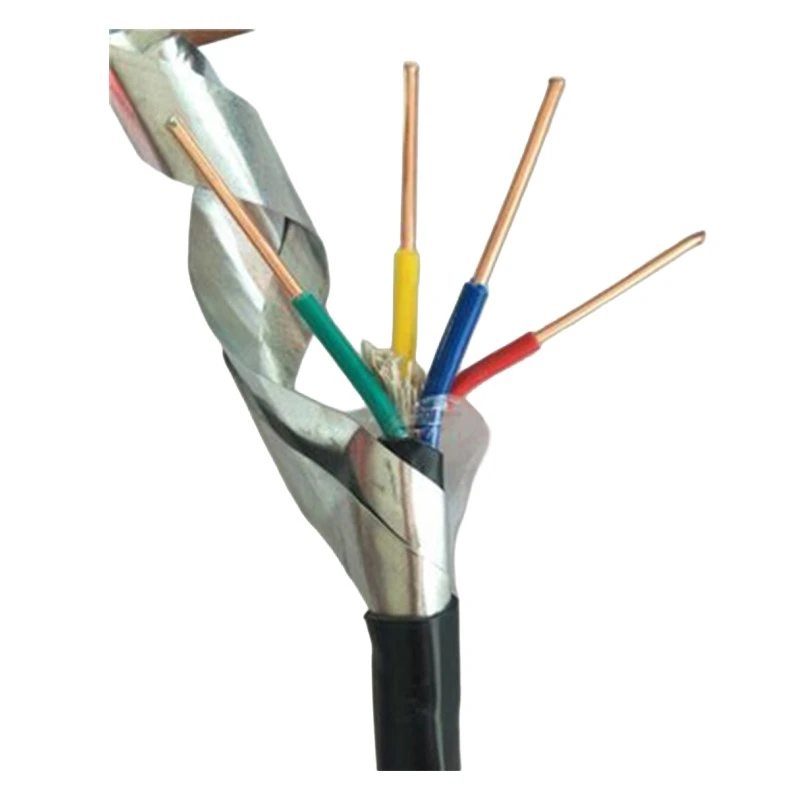
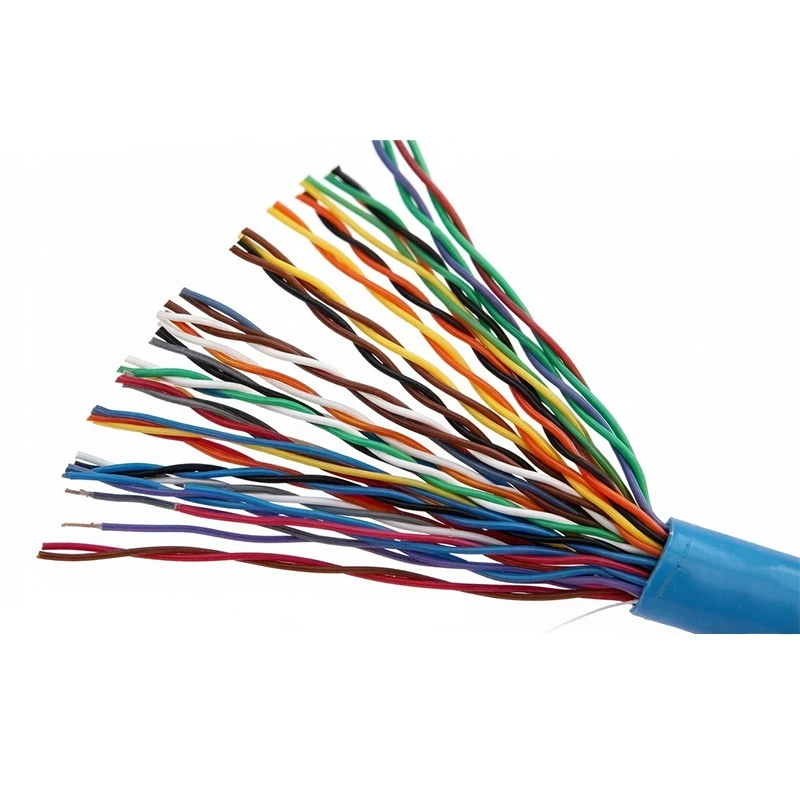
Our Instrument Signal Cable is designed specifically to minimize signal distortion. It's made with high - quality materials that offer excellent insulation and shielding properties. The shielding helps to block out external electromagnetic interference (EMI) and radio - frequency interference (RFI), which are common causes of signal distortion.
Keep Cable Length in Check
The length of the cable can also have a big impact on signal distortion. As the signal travels through the cable, it loses some of its strength. The longer the cable, the more the signal degrades. So, try to keep the cable as short as possible.
If you absolutely need a longer cable, consider using a signal booster or a repeater. These devices can help to amplify the signal and keep it strong over longer distances. But remember, using too many boosters or repeaters can also introduce some additional noise and distortion, so use them sparingly.
Proper Installation
How you install the cable matters a great deal. Make sure the cable is installed away from other electrical equipment that could cause interference. For example, don't run the instrument signal cable parallel to power cables. Power cables can generate strong electromagnetic fields that can interfere with the signal in the instrument cable.
Also, avoid sharp bends in the cable. Sharp bends can damage the internal conductors and insulation, leading to signal distortion. When routing the cable, use gentle curves instead.
Grounding
Proper grounding is crucial for reducing signal distortion. Grounding helps to provide a path for electrical noise to flow away from the cable. Make sure the cable is properly grounded at both ends. A good ground connection can significantly reduce the amount of interference and noise in the signal.
Cable Routing and Separation
When routing multiple cables, it's important to separate different types of cables. For example, keep power cables and instrument signal cables separate. You can use cable trays or conduits to keep the cables organized and separated.
If you have to cross different types of cables, do it at a 90 - degree angle. This helps to minimize the amount of interference between the cables.
Use High - Quality Connectors
The connectors at the ends of the cable can also affect the signal quality. Low - quality connectors can introduce resistance and impedance mismatches, which can lead to signal distortion. Make sure to use high - quality connectors that are compatible with your cable.
Our company offers a range of connectors that are specifically designed to work with our Instrument Signal Cable. These connectors are made with high - quality materials and are designed to provide a reliable and low - resistance connection.
Consider Cable Type for Specific Applications
Depending on your application, you might need a specific type of cable. For example, if you're working in a high - temperature environment, you'll want a cable with good heat resistance. Our Fire Rated Instrumentation Cable is a great option for such applications. It's designed to maintain its integrity even in high - temperature and fire - prone environments, reducing the risk of signal distortion due to heat damage.
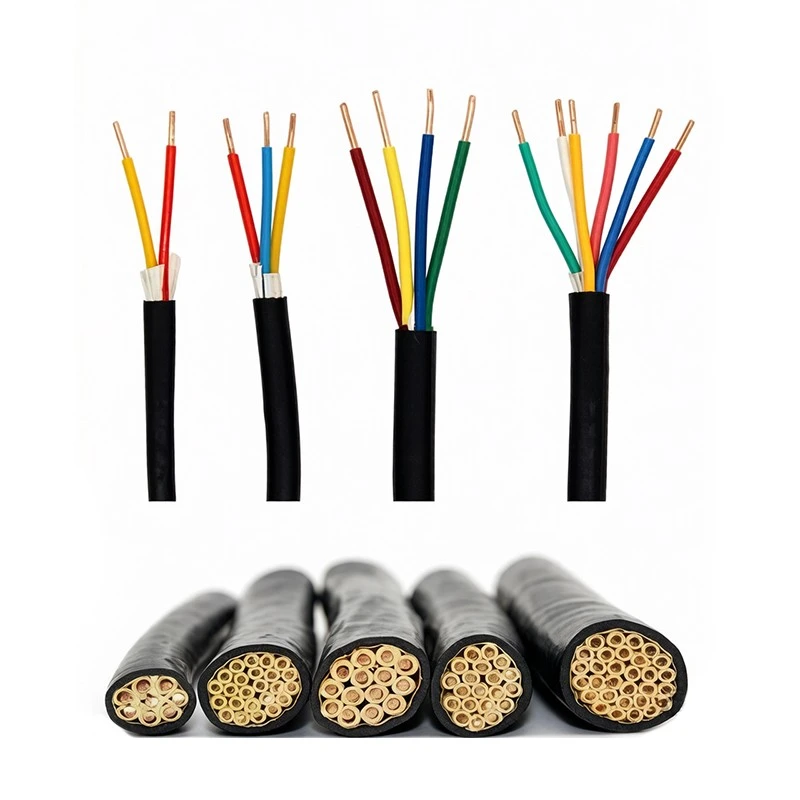
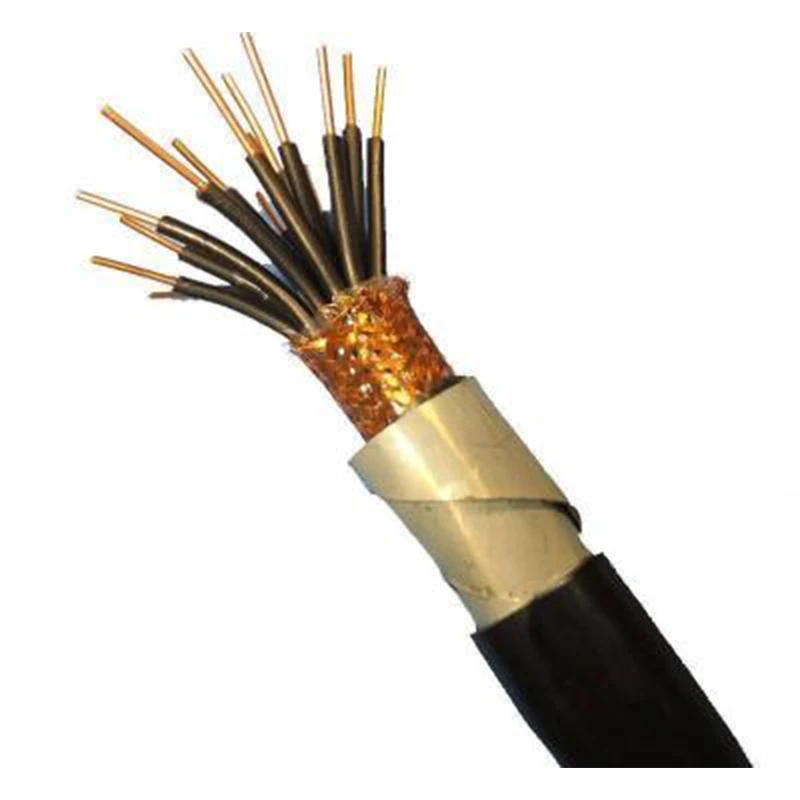
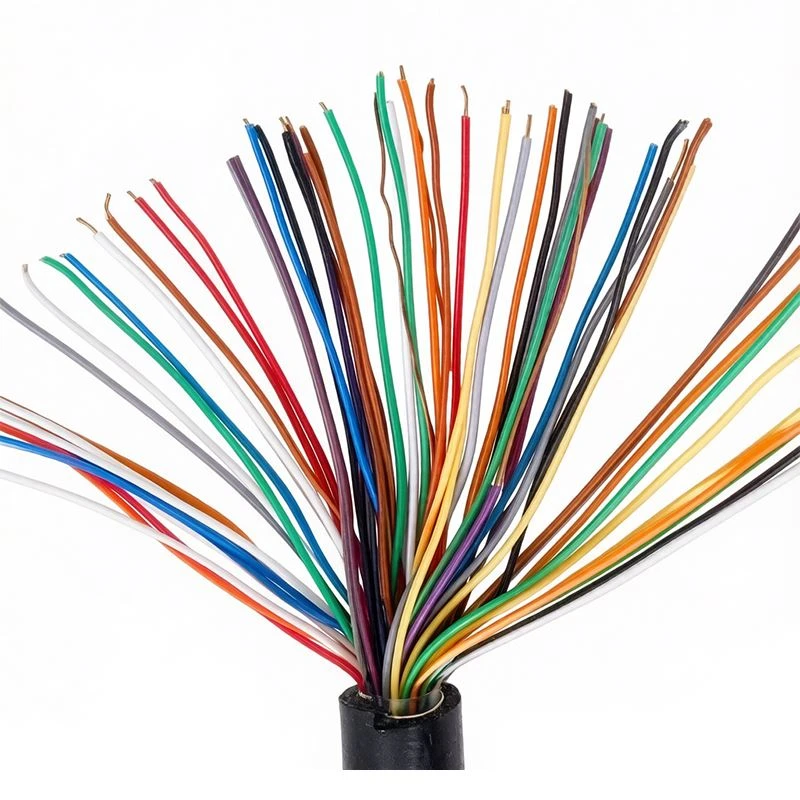
If you need a cable with multiple conductors for transmitting multiple signals, our Multi Conductor Control Cable is a good choice. It's designed to keep the signals separate and minimize crosstalk between the conductors.
For applications related to motor control, our Motor Control Cable is specifically engineered to handle the electrical demands of motors and reduce signal distortion in motor control systems.
And if you're looking for a more general - purpose control cable, our Pvc Control Cable offers good performance at a reasonable cost. It's suitable for a wide range of control applications and helps to reduce signal distortion in those setups.
Regular Maintenance and Inspection
Once the cable is installed, it's important to perform regular maintenance and inspections. Check for any signs of damage, such as cuts, abrasions, or fraying. Damaged cables can cause signal distortion, so it's important to replace them as soon as possible.
Also, check the connectors for any signs of corrosion or loose connections. Tighten any loose connectors and clean the corrosion to ensure a good electrical connection.
Conclusion
Reducing signal distortion in an instrument signal cable is all about making the right choices and taking proper care. By choosing the right cable, keeping the length in check, installing it properly, grounding it correctly, using high - quality connectors, and performing regular maintenance, you can significantly reduce the risk of signal distortion.
If you're in the market for high - quality instrument signal cables or need more advice on reducing signal distortion, don't hesitate to reach out. We're here to help you find the best solutions for your specific needs. Whether you're working on a small project or a large - scale industrial application, we've got the products and expertise to support you.
References
- Electrical Wiring Handbook, 19th Edition
- Handbook of Electrical and Electronics Technology