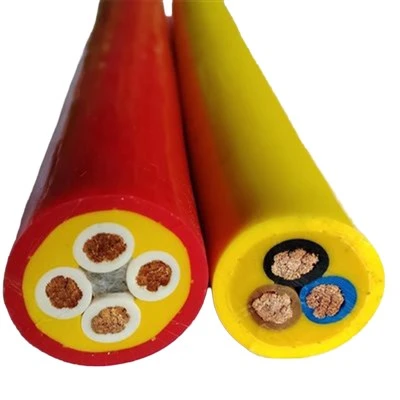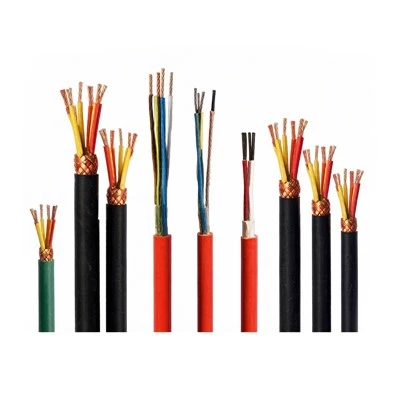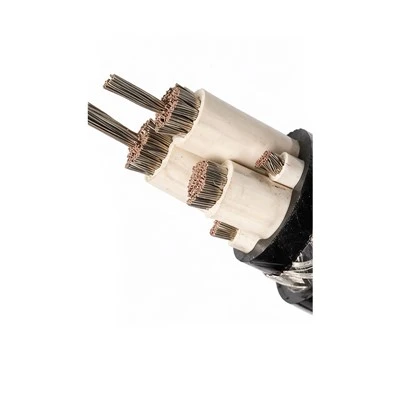



High operating temperatures can cause conventional cables to fail. Insulation materials may soften, deform, or degrade, resulting in short circuits, signal distortion, or complete system failure.
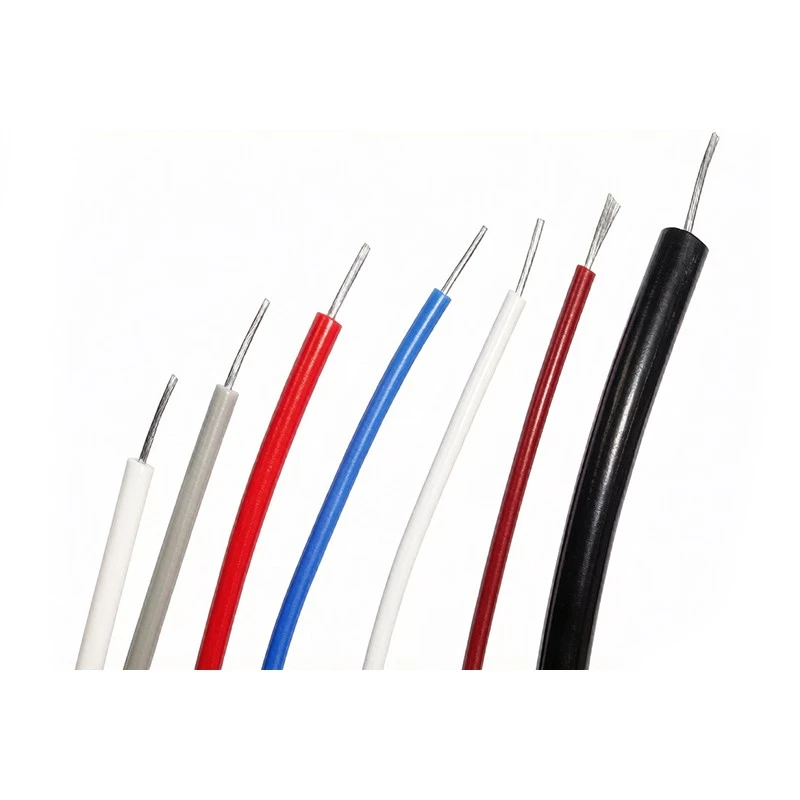
Our Temperature resistant cable is designed to maintain stable electrical and mechanical performance under continuous thermal stress. Advanced high-temperature materials are used for both insulation and jacket layers, ensuring long-term reliability in demanding industrial environments.

High-Temperature Insulation Material Options

Different temperature environments require different material selections. Our product range includes multiple insulation systems:
XLPE (Cross-linked Polyethylene) – rated up to 105°C
Fluoroplastic (FEP / PFA) – rated up to 200°C–260°C
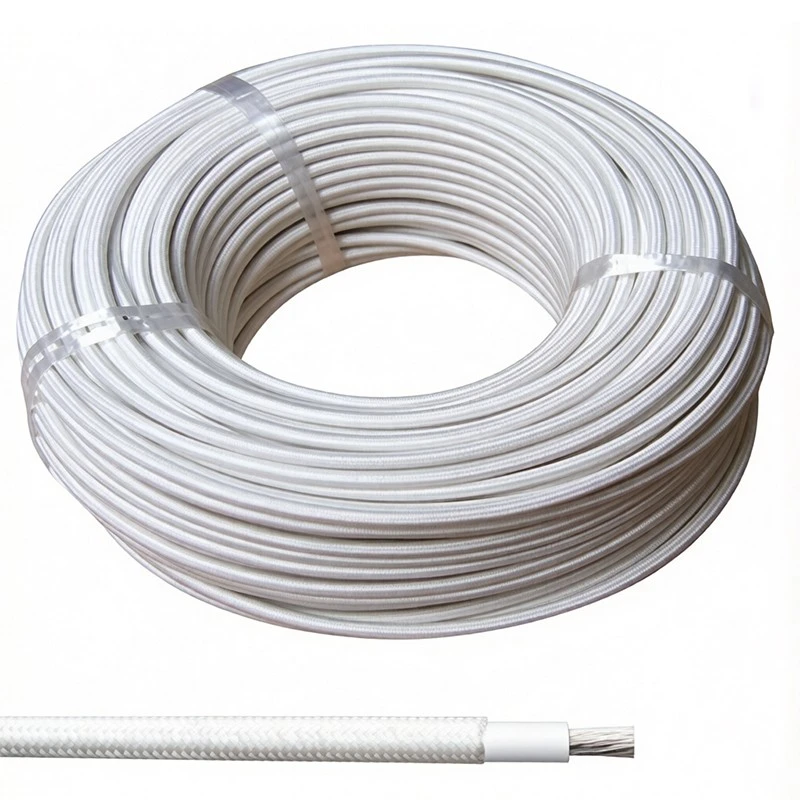
Fiberglass Insulation System – rated up to 450°C
These materials maintain stable dielectric properties and mechanical integrity under elevated temperatures, ensuring consistent electrical performance without softening, cracking, or breakdown.
Selecting the correct temperature rating is a matter of application engineering rather than maximum rating selection.
105°C Class – suitable for motor junction boxes, control cabinets, and moderately warm environments
150°C–200°C Class – suitable for steam lines, heat tracing areas, and thermal equipment zones
260°C Class – suitable for ovens, drying systems, and industrial heating equipment
450°C Class – suitable for kilns, boilers, and extreme high-temperature furnace environments
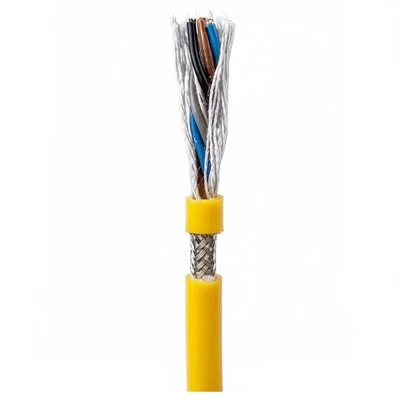
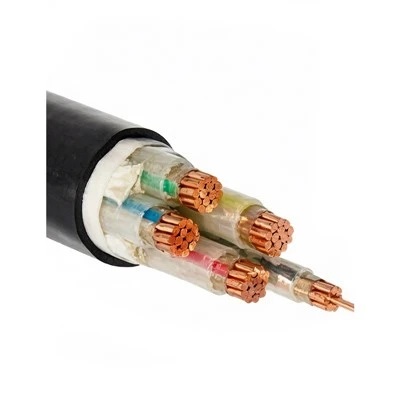
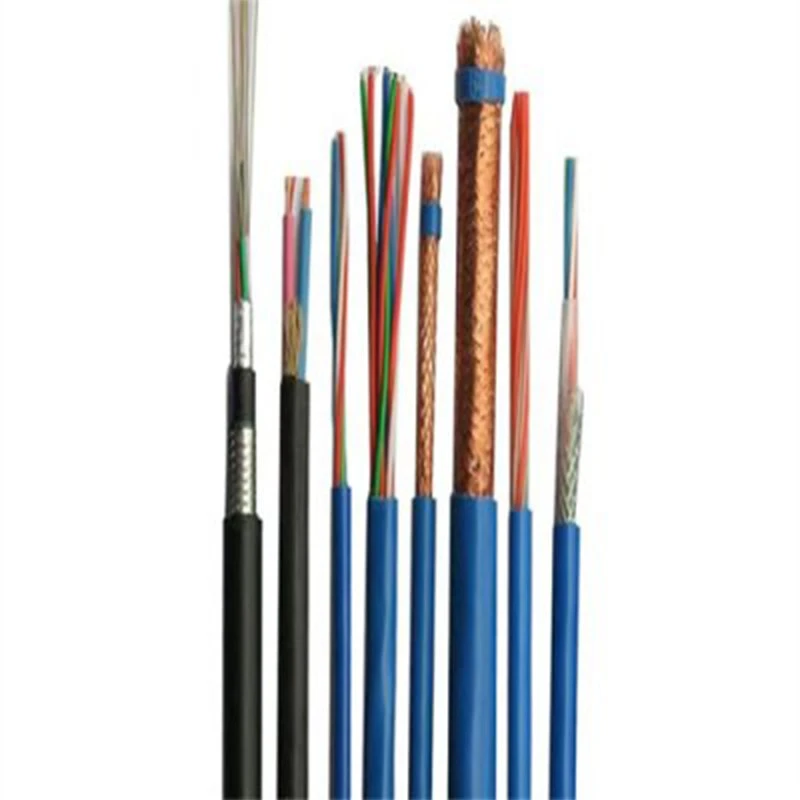
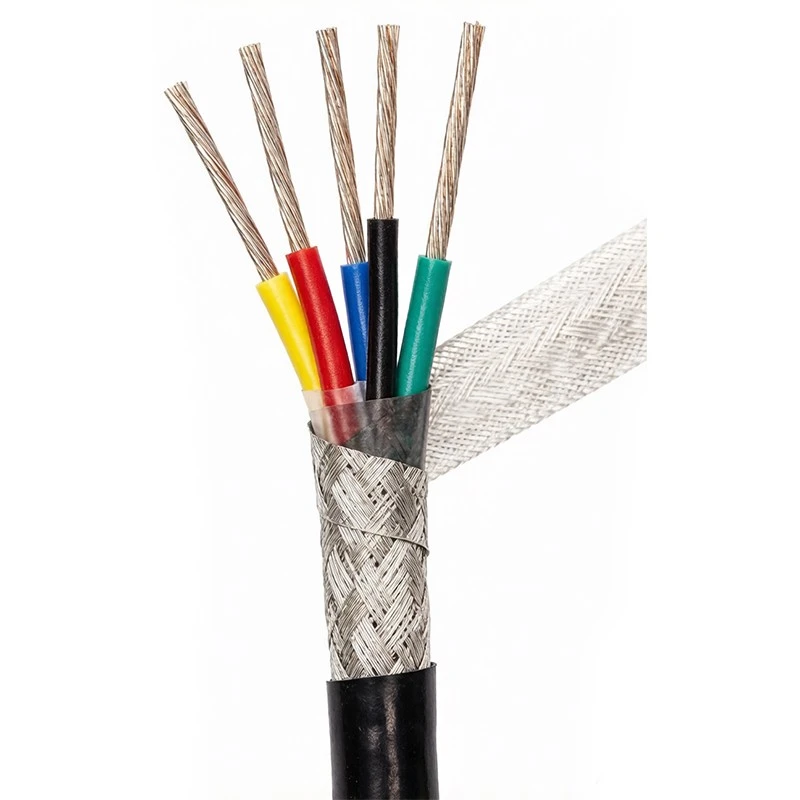
Shielded configurations are available for environments with electromagnetic interference. High-purity copper conductors combined with temperature-stable insulation ensure consistent signal transmission. Electrical parameters such as capacitance and insulation resistance remain stable within rated operating conditions.

Application Engineering Support

Our engineering team evaluates key application conditions including ambient temperature, heat radiation sources, operating cycles, and expected service life. Based on these parameters, we recommend the most suitable insulation system and temperature rating.
All products comply with CE and RoHS standards and are manufactured in accordance with IEC 60227 and EN 50288 requirements. Common models including KGG, KGGP, YGP, ZR-KGG, NH-KGG, KVV, and YJV are available from stock.
For export projects, we provide complete technical documentation including test reports, thermal performance data, and moisture-resistant packaging suitable for long-distance transportation.
Key Specifications
|
Parameter |
Specification |
|
Common Models |
KGG, KGGP, YGP, ZR-KGG, NH-KGG |
|
Conductor |
High-Purity Oxygen-Free Copper / Tinned Copper |
|
High-Temperature Materials |
XLPE / FEP / PFA / Fiberglass |
|
Shielding Structure |
Tinned Copper Braid (Optional) |
|
Working Temperature |
-40°C ~ +450°C (depending on material system) |
Frequently Asked Questions
Hot Tags: temperature resistant cable, China temperature resistant cable manufacturers, suppliers, factory