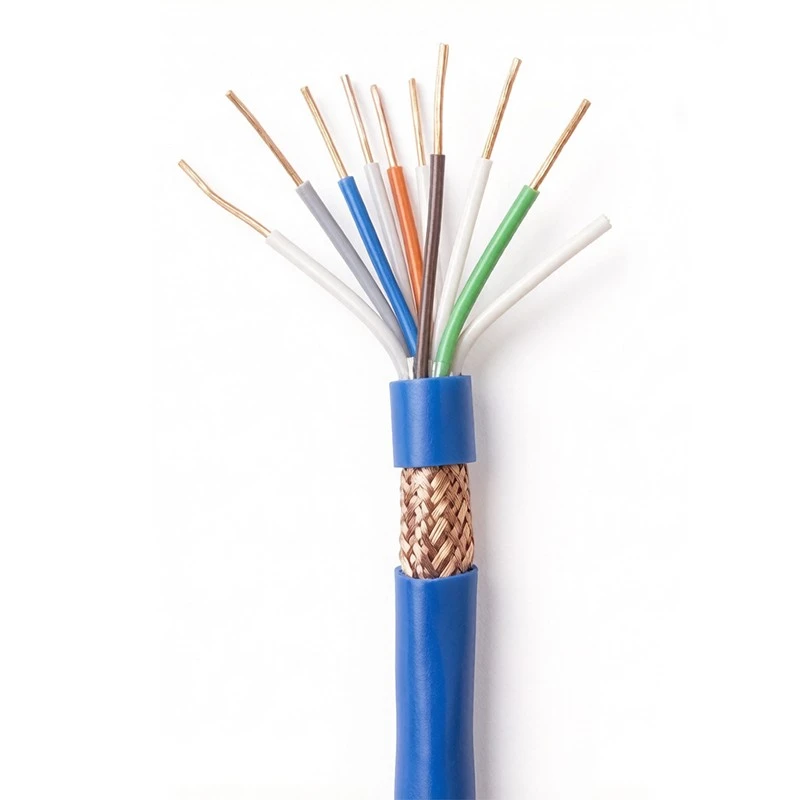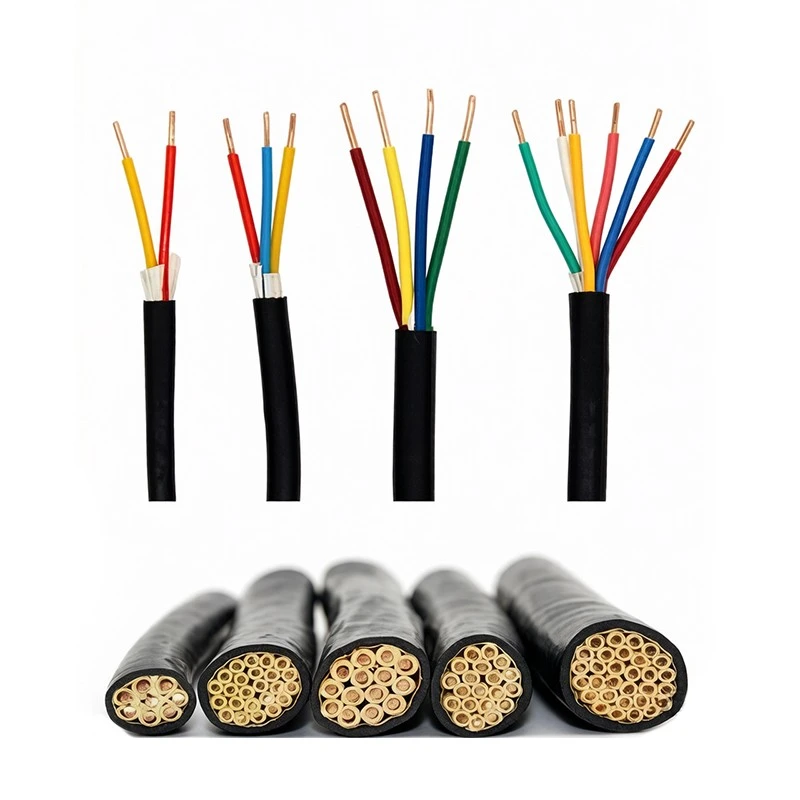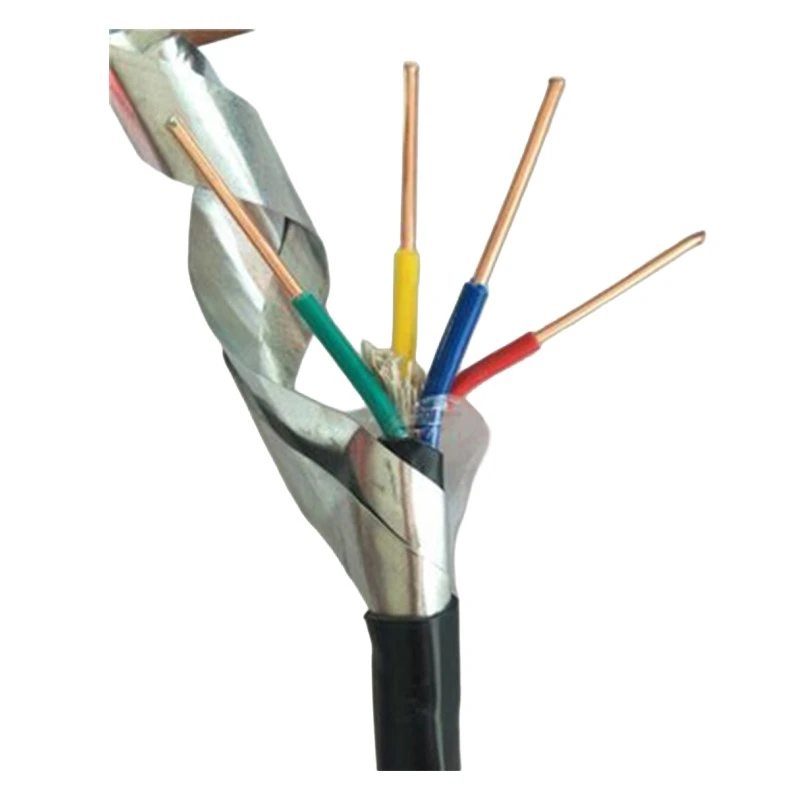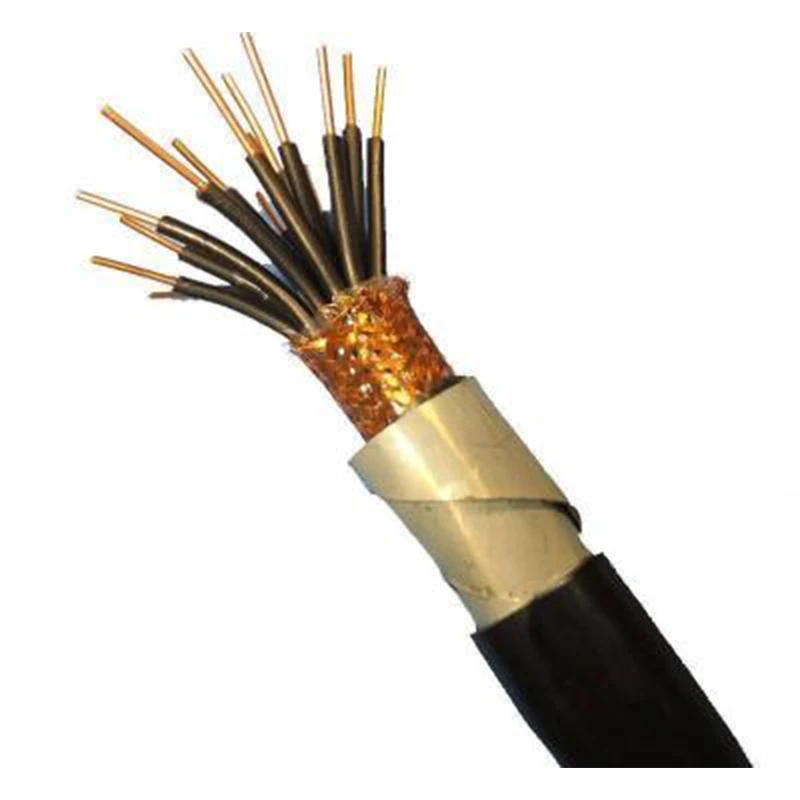


Hey there! As a supplier specializing in Electrical Control Cable, I often get asked about the fire-resistant properties of these cables. It's a super important topic, especially when it comes to ensuring the safety and reliability of electrical systems. So, let's dive right in and have a chat about what makes these cables fire-resistant.
What Are Fire-Resistant Properties?
When we talk about fire-resistant properties, we're referring to a cable's ability to withstand fire and maintain its functionality for a certain period. This is crucial in critical applications where electrical systems need to keep running even during a fire. For instance, in airports, hospitals, and industrial plants, control cables are essential for emergency systems, and their fire resistance can be a matter of life and death.
How Do Electrical Control Cables Achieve Fire Resistance?
There are several ways manufacturers make electrical control cables fire-resistant. One common method is by using fire-resistant materials in the cable's insulation and sheathing. These materials are designed to resist ignition, slow down the spread of fire, and reduce the amount of smoke and toxic gases released when exposed to high temperatures.
Insulation Materials
Insulation is the first line of defense in a cable. Fire-resistant insulation materials, such as cross-linked polyethylene (XLPE) and ethylene propylene rubber (EPR), have excellent thermal properties. They can withstand high temperatures without melting or catching fire easily. XLPE, for example, has a high melting point and good mechanical strength, making it ideal for use in fire-resistant cables.
Sheathing Materials
The sheathing of a cable provides additional protection. PVC (polyvinyl chloride) is a common sheathing material, but it may not be the best choice for fire-resistant applications because it can release toxic gases when burned. However, there are also fire-resistant PVC options available, as well as other materials like low-smoke zero-halogen (LSZH) compounds. LSZH sheathing emits minimal smoke and no halogen gases when exposed to fire, which is a huge advantage in enclosed spaces where visibility and air quality are crucial.
Types of Fire-Resistant Electrical Control Cables
As a supplier, I offer a variety of fire-resistant electrical control cables to meet different needs. Let me introduce you to some of them.
Universal Control Cable
This type of cable is designed to be versatile and can be used in a wide range of applications. It typically has a high level of fire resistance, which makes it suitable for both indoor and outdoor use. The universal control cable is often made with high-quality insulation and sheathing materials that can withstand fire and prevent the spread of flames.
Flexible Instrument Cable
Flexible instrument cables are used in applications where flexibility is essential, such as in control panels and instrumentation systems. These cables are usually thin and lightweight, but they still offer good fire resistance. The use of flexible fire-resistant insulation materials allows them to bend and twist without compromising their fire protection capabilities.
Pvc Control Cable
As I mentioned earlier, PVC is a common material for cable sheathing. Fire-resistant PVC control cables are designed to reduce the risk of fire and minimize the release of toxic gases. They are often used in residential and commercial buildings where fire safety regulations need to be met.
Motor Control Cable
Motor control cables are used to connect motors to control systems. These cables need to be able to handle high temperatures and electrical currents, as well as be fire-resistant. The insulation and sheathing of motor control cables are typically made with materials that can withstand the heat generated by motors and prevent fire from spreading in case of a malfunction.
Testing and Certification
To ensure the fire-resistant properties of our electrical control cables, we subject them to rigorous testing. There are several international standards and certifications that cables need to meet, such as the IEC 60332 series for fire resistance and the IEC 61034 series for low smoke emission. These tests simulate real-fire conditions and evaluate the cable's performance in terms of flame spread, smoke generation, and toxic gas emission.
Why Choose Our Fire-Resistant Electrical Control Cables?
As a suppliers, we take pride in offering high-quality fire-resistant electrical control cables. Here are some reasons why you should choose us:
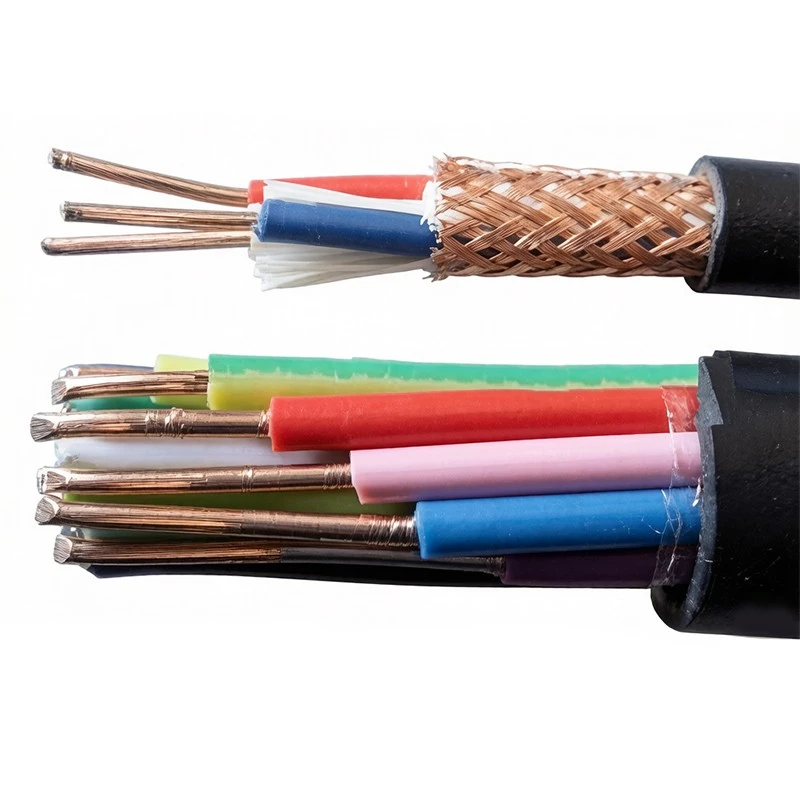
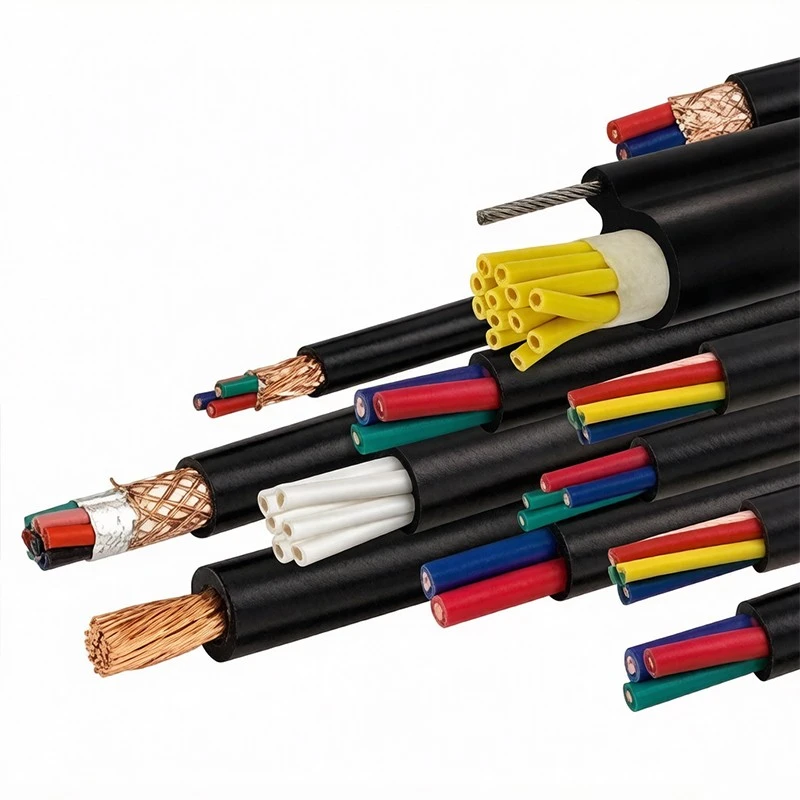
- Quality Assurance: We only use the best materials and manufacturing processes to ensure the reliability and safety of our cables. Our products are tested and certified to meet international standards, so you can have peace of mind knowing that you're getting a top-quality product.
- Wide Range of Options: We offer a diverse range of fire-resistant cables to suit different applications and requirements. Whether you need a universal control cable or a motor control cable, we've got you covered.
- Expert Support: Our team of experts is always ready to help you choose the right cable for your project. We can provide technical advice, product recommendations, and support throughout the installation process.
Connect with Us for Your Cable Needs
If you're in the market for fire-resistant electrical control cables, I'd love to have a chat with you. Whether you're working on a small residential project or a large industrial installation, we can help you find the perfect cable solution. Feel free to reach out and start a conversation about your requirements. I'm looking forward to working with you to ensure the safety and efficiency of your electrical systems.
References
- IEC 60332-1-2:2019, Tests on electric and optical fibre cables under fire conditions - Part 1-2: Test for vertical flame propagation for a single insulated wire or cable - Procedure for 1 kW pre-mixed flame.
- IEC 61034-2:2019, Determination of the optical density of the smoke generated by cables - Part 2: Test procedure and requirements under defined conditions of thermal attack and visibility.