

Can Shielded Flat Ribbon Cable be used in automation systems?
Hey there! As a supplier of Shielded Flat Ribbon Cable, I often get asked if this type of cable can be used in automation systems. Well, let's dive into it and find out.
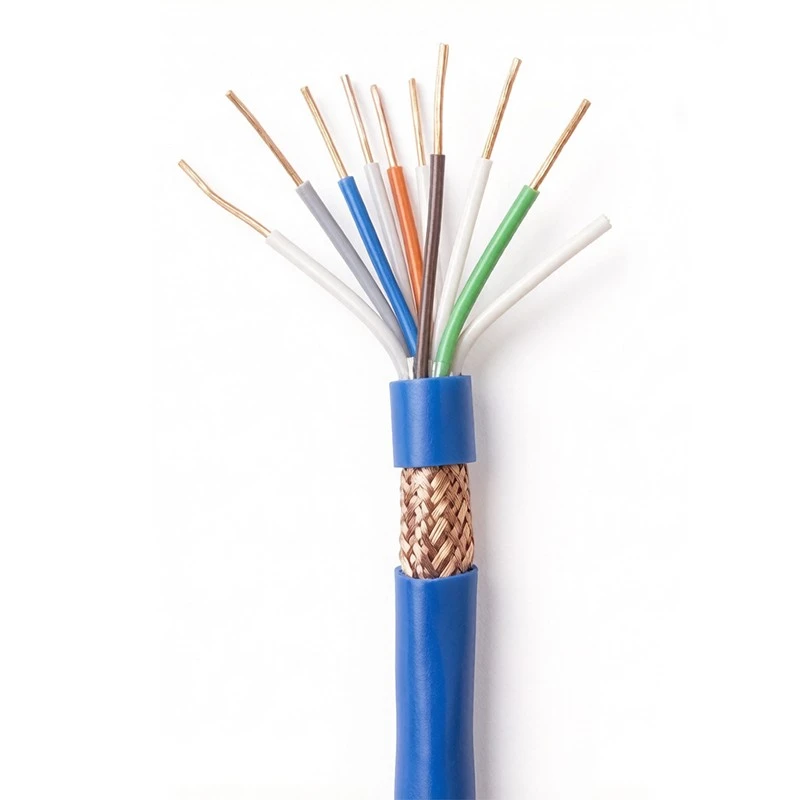
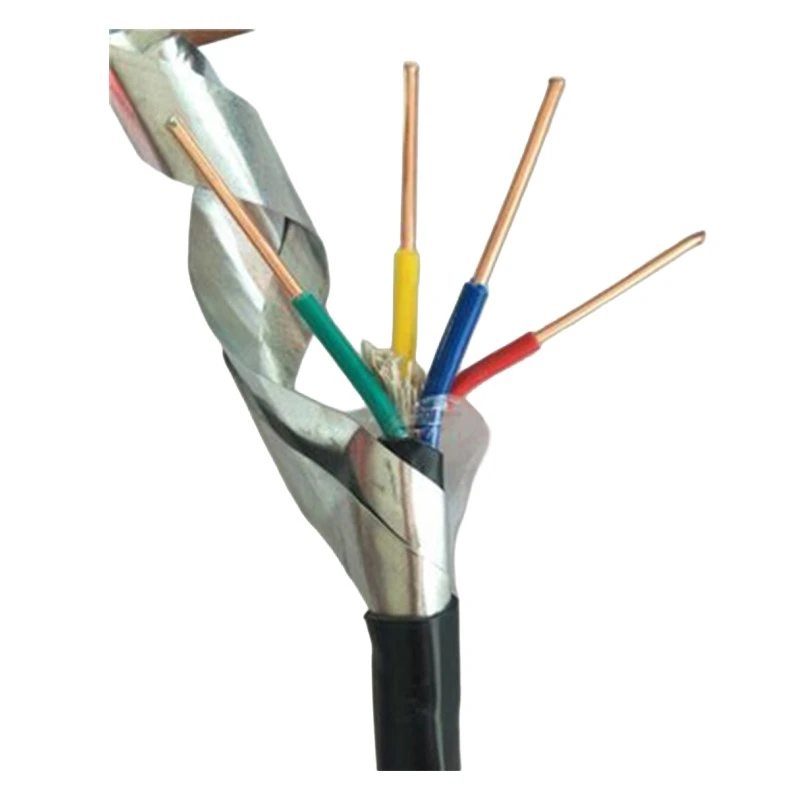
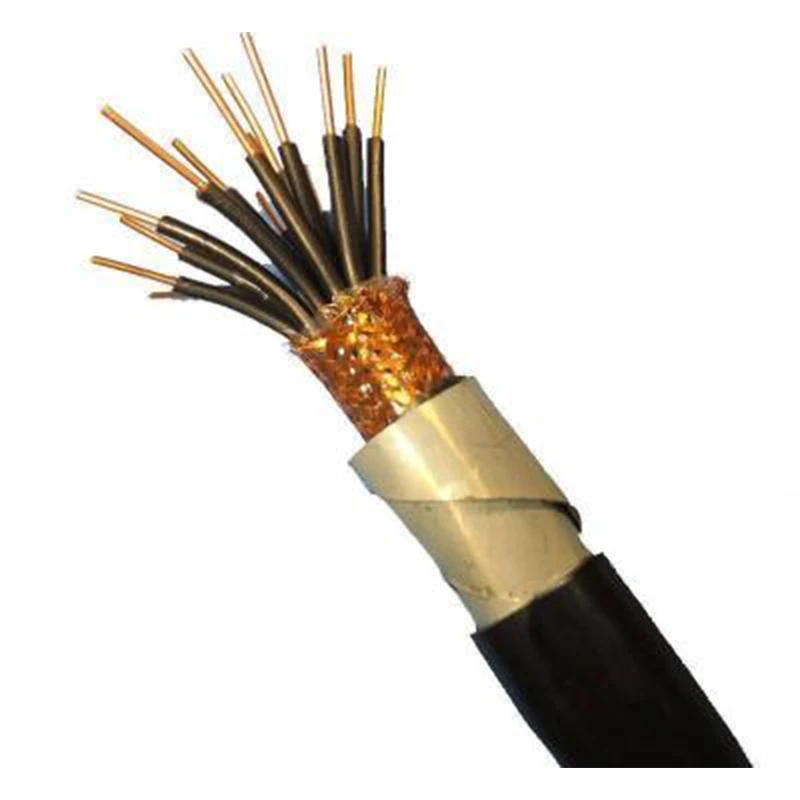
First off, let's talk a bit about what Shielded Flat Ribbon Cable is. It's a type of cable that consists of multiple insulated conductors laid flat next to each other and covered by a shield. The shield is usually made of a conductive material like aluminum or copper, and its main purpose is to protect the cables from electromagnetic interference (EMI) and radio frequency interference (RFI). This is crucial in many applications, especially those where the signals being transmitted are sensitive.
Now, when it comes to automation systems, there are a few key requirements that a cable needs to meet. Automation systems rely on accurate and reliable communication between different components such as sensors, actuators, controllers, and more. Any interference in the signal transmission can lead to errors, malfunctions, and even system failures. That's where the shielding in the flat ribbon cable comes in handy.
The shield in the Shielded Flat Ribbon Cable helps to maintain the integrity of the signals by blocking out external electromagnetic noise. For example, in a manufacturing automation system where there are a lot of motors, generators, and other electrical equipment running, there can be a significant amount of EMI. Without proper shielding, the signals from sensors or the commands sent to actuators could get distorted, causing the automated processes to go haywire.
Another important aspect of automation systems is the need for flexibility. Many automation setups involve moving parts, such as robotic arms or conveyor belts. The cable needs to be able to bend and flex without breaking or losing its electrical properties. Shielded Flat Ribbon Cable is designed to be flexible, making it suitable for these types of applications. It can withstand repeated bending and twisting, which is essential for long - term use in dynamic automation environments.
In addition to shielding and flexibility, the organization of conductors in a flat ribbon cable is also beneficial for automation systems. The flat structure allows for easy routing and management of multiple wires. In an automation system, there are often many different signals that need to be transmitted, and having the conductors neatly arranged in a flat ribbon makes it easier to install, troubleshoot, and replace the cable if necessary.
Now, let's compare Shielded Flat Ribbon Cable with some other types of cables commonly used in automation. For instance, Flat Ribbon Power Cable is mainly used for power transmission. While it may have some similarities in terms of its flat structure, it may not provide the same level of shielding as a dedicated shielded cable. This means that if you're dealing with sensitive signal transmission in an automation system, a flat ribbon power cable might not be the best choice.
Silicone Ribbon Cable is known for its high - temperature resistance and flexibility. However, it may not have the same shielding capabilities as a shielded flat ribbon cable. So, if your automation system is in a high - temperature environment but also needs protection from EMI, you might need to look at adding additional shielding or using a Shielded Flat Ribbon Cable that can also withstand high temperatures.
High Temperature Ribbon Cable is designed to operate in extreme heat conditions. But again, the focus is more on temperature resistance rather than shielding. If your automation system is in a hot environment with a lot of electromagnetic interference, a high - temperature shielded flat ribbon cable would be a better option.
High Flex Ribbon Cable is great for applications where there is a lot of movement. It can handle a large number of flex cycles without failing. But without proper shielding, it may not be suitable for automation systems where signal integrity is critical.
There are some challenges when using Shielded Flat Ribbon Cable in automation systems, though. One of the main challenges is the cost. Shielded cables generally cost more than unshielded ones. This is because of the additional material and manufacturing processes required to add the shield. However, when you consider the potential cost of system failures due to interference, the investment in a shielded cable can be well worth it in the long run.
Another challenge is the installation. The shielding needs to be properly grounded to be effective. Improper grounding can lead to issues where the shield actually becomes a source of interference instead of a protector. So, it's important to follow the manufacturer's guidelines carefully during installation.
In conclusion, Shielded Flat Ribbon Cable can definitely be used in automation systems. Its shielding properties help to protect sensitive signals from interference, its flexibility makes it suitable for dynamic applications, and its flat structure simplifies cable management. While there are some challenges like cost and proper installation, the benefits far outweigh the drawbacks in most automation scenarios.
If you're involved in an automation project and are considering the use of Shielded Flat Ribbon Cable, I'd be more than happy to have a chat with you. We can discuss your specific requirements, the best cable options for your system, and how we can provide the right solution at a competitive price. Don't hesitate to reach out for a quote or to discuss your cable needs further.

References
- Industry standards for cable use in automation systems
- Technical data sheets of Shielded Flat Ribbon Cable products