

Can flexible instrument cables be used in nuclear power plants?
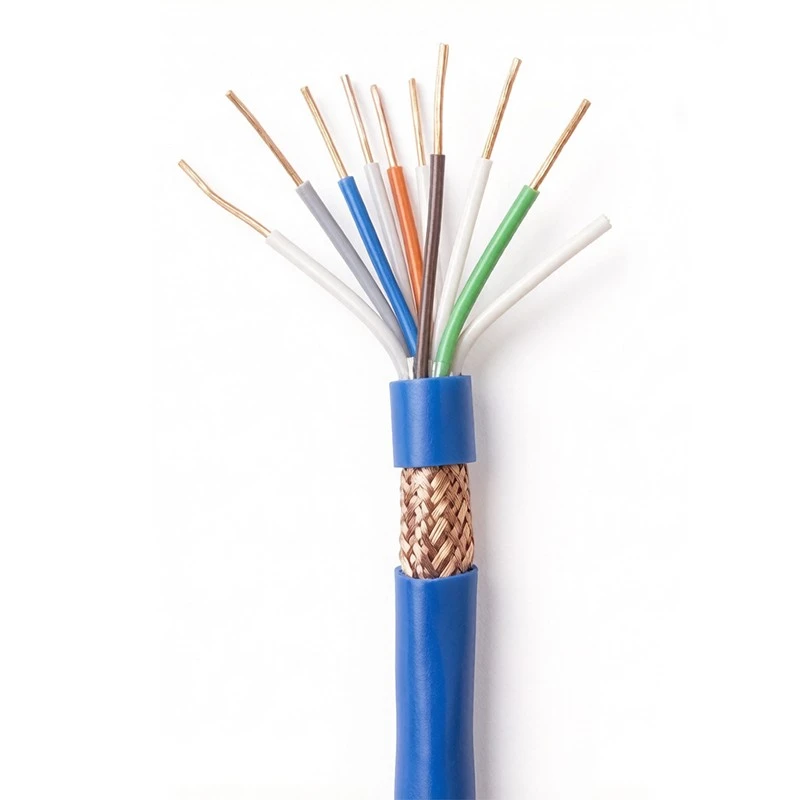
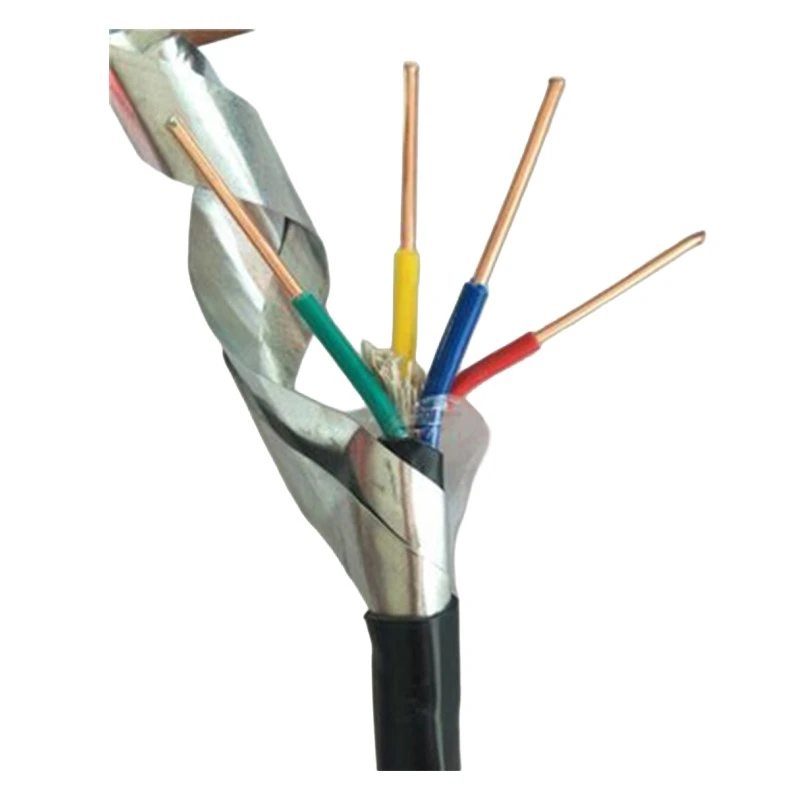
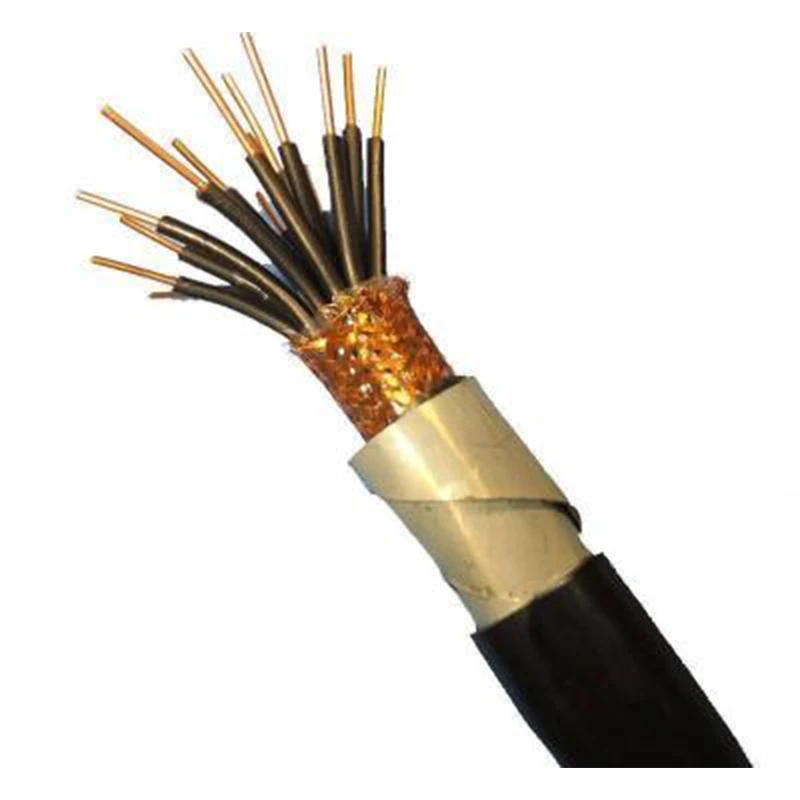
As a supplier of flexible instrument cables, I often encounter inquiries regarding the suitability of our products in various demanding environments, especially in nuclear power plants. Nuclear power plants are highly specialized facilities with strict safety and performance requirements. In this blog post, I will delve into the question of whether flexible instrument cables can be used in nuclear power plants, exploring the technical aspects, regulatory considerations, and benefits of using such cables in these high - stakes settings.
Technical Requirements in Nuclear Power Plants
Nuclear power plants operate under extreme conditions that pose unique challenges to the electrical infrastructure, including cables. These conditions involve high radiation levels, elevated temperatures, and the potential for exposure to chemicals and moisture.
Radiation resistance is a critical factor. High - energy radiation can cause degradation of cable materials over time, leading to reduced insulation properties and mechanical strength. The cables used in nuclear power plants must be able to withstand long - term radiation exposure without significant deterioration. A flexible instrument cable designed for this environment needs to have radiation - resistant insulation materials, such as special types of polymers that can maintain their integrity under radiation.
Temperature is another crucial aspect. Nuclear power plants have areas with high operating temperatures, and the cables must be able to function properly within these temperature ranges. For example, in some reactor core - adjacent areas, temperatures can reach several hundred degrees Celsius. Flexible instrument cables must have insulating materials that can resist thermal degradation and maintain their flexibility even at high temperatures.
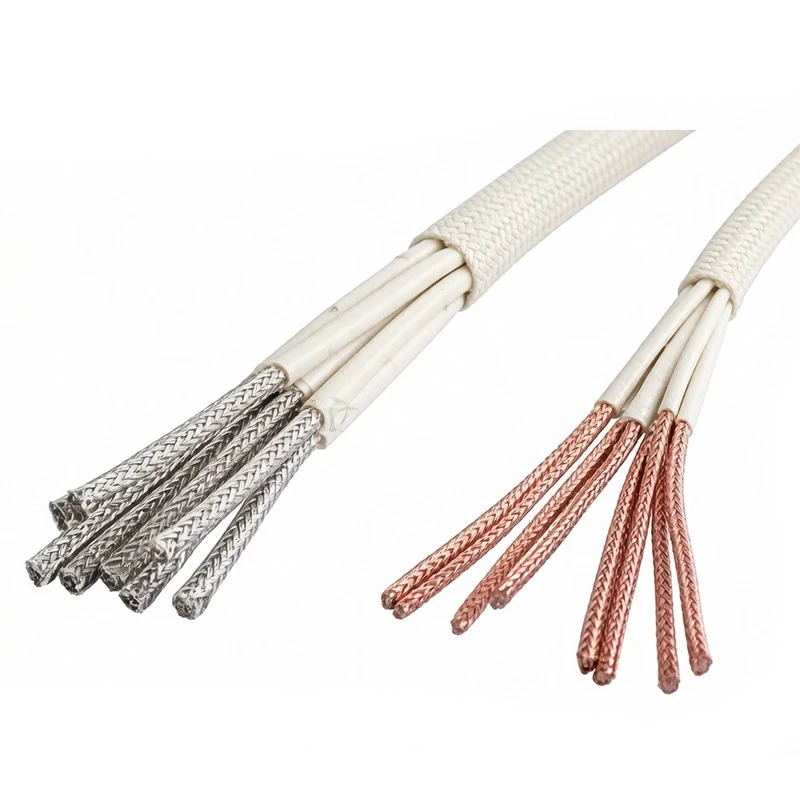
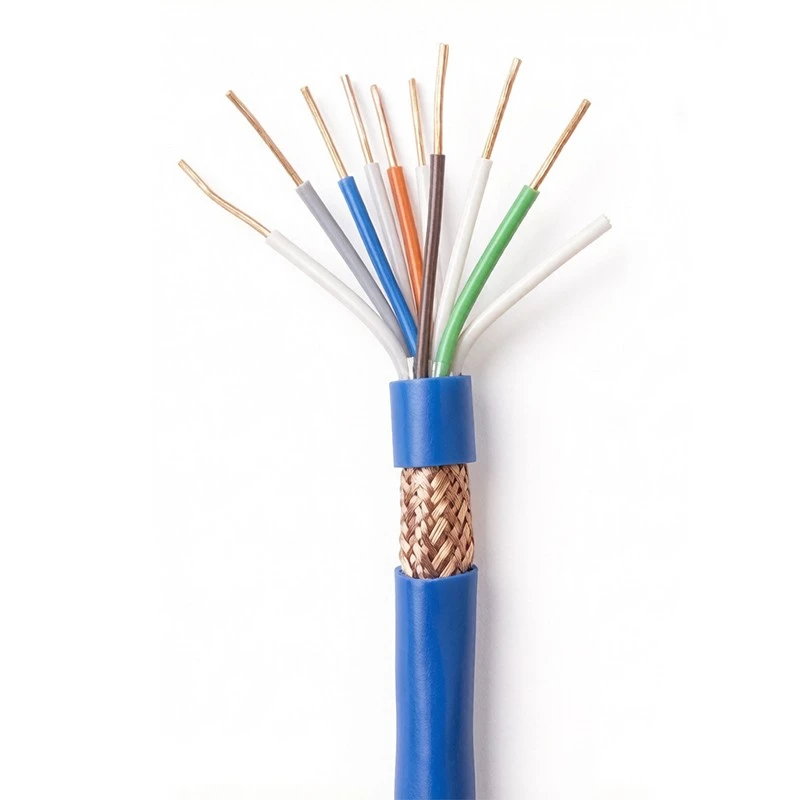
Chemical resistance is also essential. Nuclear power plant operations involve the use of various chemicals, and the cables may come into contact with coolants, lubricants, and cleaning agents. A flexible instrument cable should be able to resist the corrosive effects of these chemicals to ensure long - term reliability.
Meet the Requirements
Our flexible instrument cables are engineered to meet these stringent requirements. We use advanced materials and manufacturing processes to enhance radiation resistance. Our insulation materials are carefully selected and tested to ensure they can maintain their electrical and mechanical properties even after prolonged exposure to high - energy radiation.
In terms of temperature resistance, our cables are designed with heat - resistant polymers that can withstand the high temperatures commonly found in nuclear power plants. These materials keep the cables flexible, allowing for easy installation and maintenance even in hot environments.
Regarding chemical resistance, our cables undergo extensive testing to ensure they can withstand contact with a wide range of chemicals used in nuclear power plant operations. This helps to prevent corrosion and damage to the cable, extending its service life.
Regulatory Considerations
The use of cables in nuclear power plants is strictly regulated by national and international standards. In the United States, the Nuclear Regulatory Commission (NRC) has established comprehensive regulations for nuclear power plant components, including cables. These regulations cover aspects such as design, manufacturing, testing, and installation.
Our flexible instrument cables are designed and manufactured in compliance with relevant international standards, such as the IEEE (Institute of Electrical and Electronics Engineers) standards for cables used in nuclear power plants. These standards ensure that the cables meet the highest levels of safety and performance. We also have a rigorous quality control system in place to ensure that every cable leaving our factory meets or exceeds these regulatory requirements.
Benefits of Using Flexible Instrument Cables
There are several advantages to using flexible instrument cables in nuclear power plants. One of the main benefits is their ease of installation. Nuclear power plants have complex layouts with many tight spaces and intricate piping systems. Flexible cables can be easily bent and routed around obstacles, reducing the installation time and labor costs.
Another benefit is their flexibility, which allows for better stress distribution. In a dynamic environment like a nuclear power plant, where there may be vibrations and movements, flexible cables can better withstand these mechanical stresses compared to rigid cables. This can reduce the risk of cable damage and failure over time.
Furthermore, flexible instrument cables are more adaptable to changes in the plant's configuration. If there are any modifications or expansions in the nuclear power plant, flexible cables can be easily re - routed or extended, minimizing the need for extensive cable replacement.
Our Related Product Range
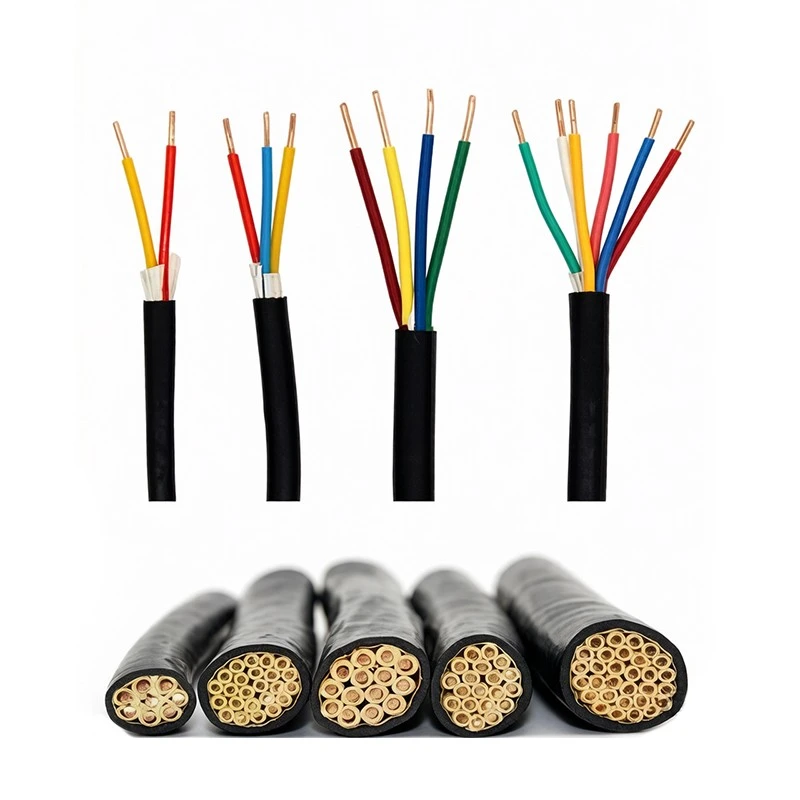
In addition to our flexible instrument cables, we also offer a range of other types of cables suitable for nuclear power plants, such as Pvc Control Cable, Copper Control Cable, Motor Control Cable, Fire Rated Instrumentation Cable, and Electrical Control Cable. These cables are also designed to meet the high - standards required in nuclear power plants.
Call to Action
If you are involved in the design, construction, or maintenance of a nuclear power plant and are looking for high - quality cables, we would be delighted to discuss your specific requirements. Our experienced team can provide you with detailed technical information and customized solutions to meet your project needs. Contact us today to start the procurement discussion.
References
- IEEE Standards for Cables in Nuclear Power Plants
- Nuclear Regulatory Commission (NRC) Regulations for Nuclear Power Plant Components
- Technical Reports on Cable Materials and Their Performance in High - Radiation and High - Temperature Environments