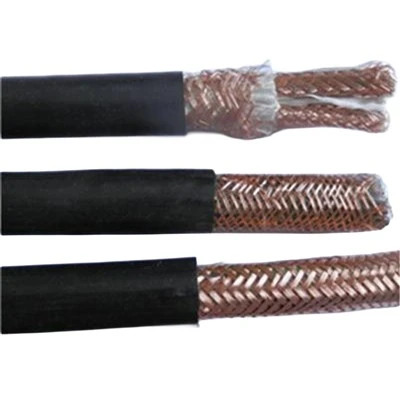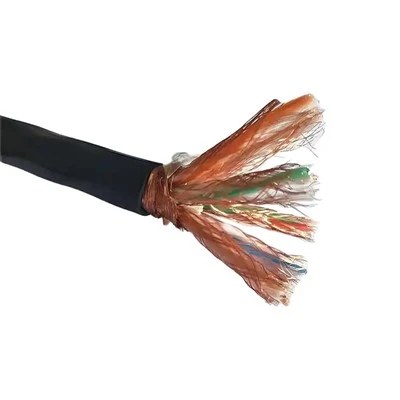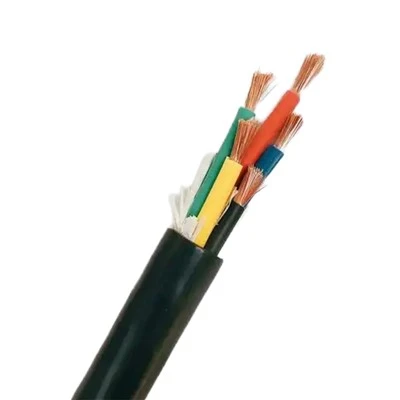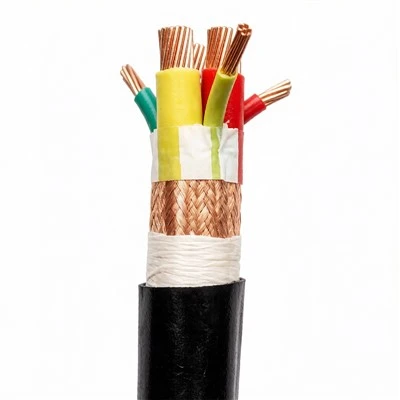

A flat cable is a type of cable with a flat shape. Compared to traditional round cables, it offers many unique advantages and a wide range of applications. Flat cables typically use multiple strands of copper wire as conductors, covered with insulation and a protective layer. These materials often include polymers such as butyl polymers to improve the cable's flexibility, corrosion resistance, and cold resistance.
Flat cables are particularly suitable for applications requiring frequent bending, such as lifting machinery, cranes, and transmission equipment. Due to their flat structure, the cable will not knot or fold unevenly when bent, thus avoiding damage caused by cable twisting. Furthermore, the flat cable structure makes installation easier, saving significant time and labor. The conductor cores of the cable are usually arranged according to certain rules, such as straight lines or a staggered pattern, for easy identification and installation.
Flat cables have a wide range of applications, including electrical connections between mobile electrical equipment in harsh environments such as power generation, metallurgy, chemical industry, and ports. In addition, flat cables are widely used in various flaw detection equipment, power transmission lines in self-supporting shafts and inclined racks, as well as control, lighting, and communication lines. In home decoration, flat cables are also popular due to their aesthetic appeal and space-saving features.
Flat cables, with their unique structure and superior performance, are increasingly widely used in industrial production and daily life, becoming an important part of modern cable technology.