
Material Selection and Pre-treatment
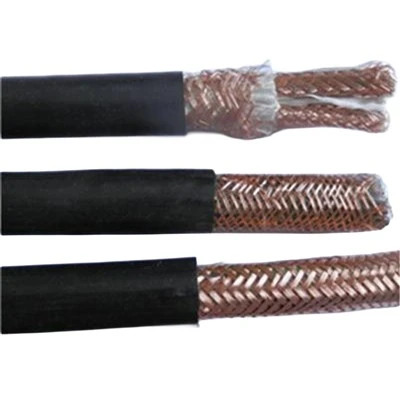
The core of compensating cables lies in the ingenious design of the material combination. PVC is used as the base insulation layer, combining flexibility and durability; the conductor is made of a special alloy to ensure stable resistance at different temperatures. The pre-treatment stage requires three key operations: conductor annealing to relieve stress, drying the insulation material, and anti-oxidation plating of the metal terminals. These steps directly affect the signal compensation accuracy of the final product.
Five Steps to Precision Machining
The complete process resembles the manufacture of precision instruments:
Conductor Forming: The alloy is machined to a diameter of 0.1mm using multiple drawing dies.
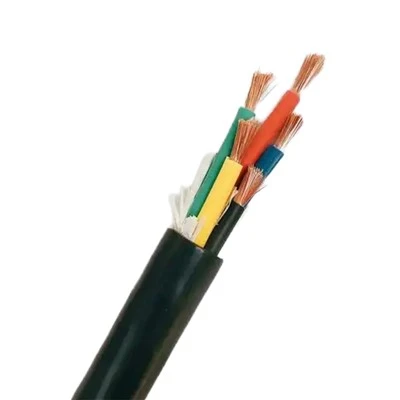
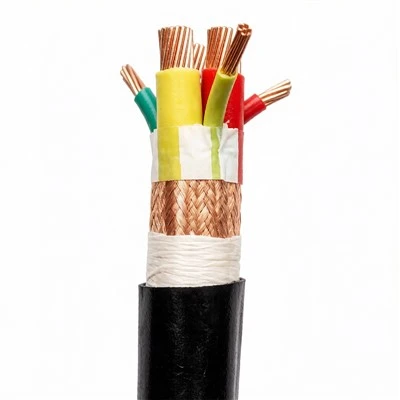
Layered Insulation: The conductor is wrapped using a three-layer co-extrusion technique, with the thickness error of each layer controlled within ±0.02mm.
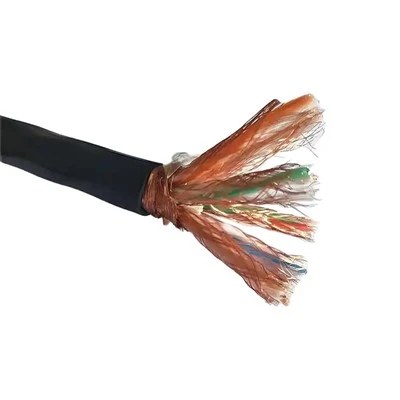
Stranding and Braiding: Multiple strands of wire are twisted at a specific angle to effectively cancel electromagnetic interference.
Sheath Forming: Wear-resistant textures are simultaneously imprinted during the extrusion of the outer sheath.
Terminal Treatment: Laser welding of the connecting terminals ensures a contact resistance of less than 5mΩ.
Quality Verification and Optimization
Each batch of products undergoes rigorous testing:
7N-level tensile strength testing simulates ten years of wear and tear.
High and low temperature cycling testing verifies stability under operating conditions from -40℃ to 120℃.
Bending testing ensures that the wooden shaft maintains its performance after encapsulation.