
Choosing computer cables requires comprehensive consideration of multiple factors to ensure their performance and reliability in practical applications. First, clearly defining the application scenario is fundamental. Computer cables are typically used for data transmission and signal transmission, and different applications have different requirements. For example, in high-speed network environments, cables with high transmission rates and low latency may be necessary; while in industrial automation control, the focus may be more on the cable's anti-interference capabilities and durability.
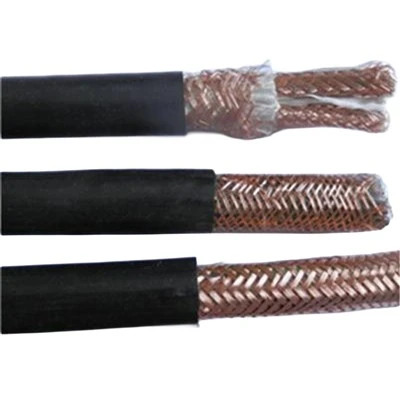
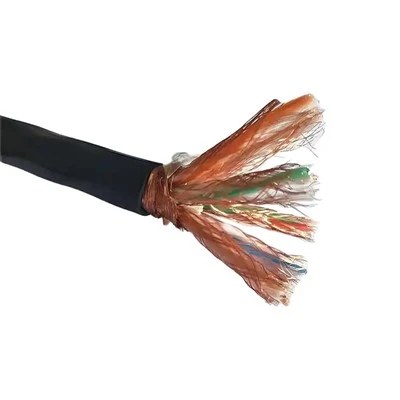
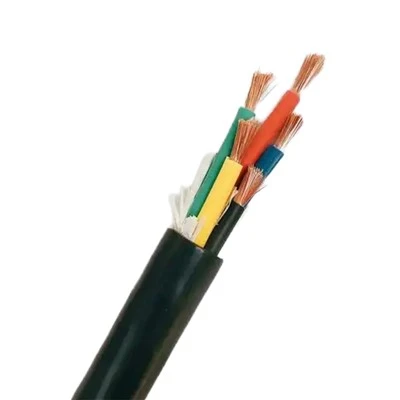
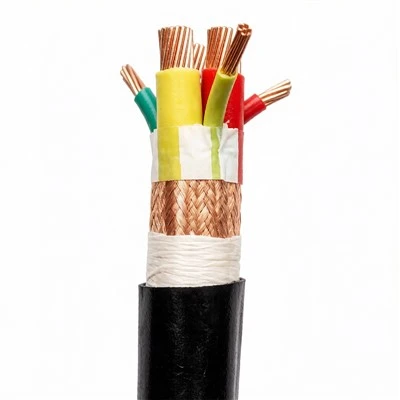
Second, understanding the cable's specifications is crucial. Computer cable specifications include conductor material, insulation material, shielding type, number of cores, and cross-sectional area. Conductor materials are typically copper or tin-plated copper, offering good conductivity and mechanical strength; insulation materials must possess excellent temperature resistance and electrical insulation properties, commonly using polyvinyl chloride (PVC), polyethylene (PE), and fluoroplastics; the shielding design directly affects the cable's anti-interference capability, with common shielding methods including single-layer shielding, double-layer shielding, and braided shielding. Furthermore, the selection of the number of cores and cross-sectional area must be rationally configured based on the actual current load and transmission distance to avoid problems caused by overload or signal attenuation.
Furthermore, environmental conditions are also a crucial factor influencing cable selection. In high-temperature, humid, or corrosive environments, cables with appropriate protection ratings should be prioritized. For example, in high-temperature environments, flame-retardant cables with high temperature resistance can be selected; in humid environments, waterproof and moisture-proof cables can be chosen; and in locations with chemical corrosion, corrosion-resistant special cables are required. Simultaneously, the installation method and laying environment must be considered, such as whether a small bending radius is required or frequent relocation is necessary, as these factors will influence cable selection.
In addition, the flame retardancy and fire resistance of cables cannot be ignored. In locations with high safety requirements, such as data centers and computer rooms, cables meeting flame-retardant standards should be selected to reduce fire risk. At the same time, the fire resistance rating of the cable must meet relevant national standards and industry specifications to ensure its safety under extreme conditions.
Finally, the cable's service life and maintenance costs also need to be considered. Although high-performance cables have a higher initial investment, their longer service life and lower maintenance costs often result in greater economic benefits. Therefore, when selecting computer cables, a comprehensive evaluation of their cost-effectiveness should be conducted to choose products that meet current needs and offer long-term stable performance.
In conclusion, selecting computer cables is a systematic project that requires a comprehensive analysis of multiple aspects, including application scenarios, specifications, environmental conditions, flame retardancy, and service life. Only by fully understanding all requirements can a scientific and reasonable decision be made to ensure that the cable performs optimally in practical applications.