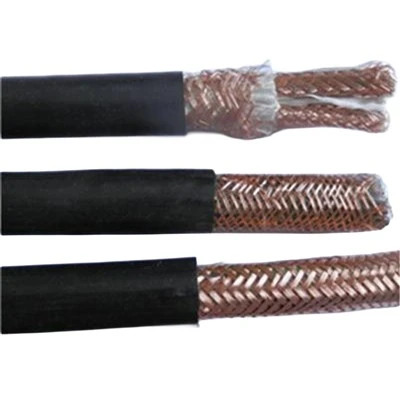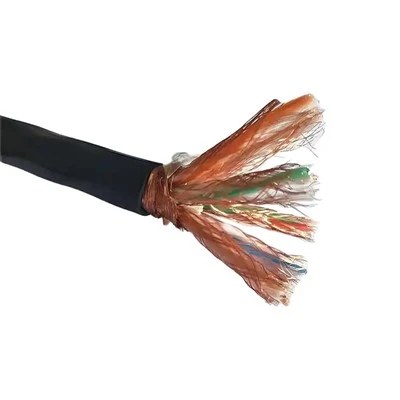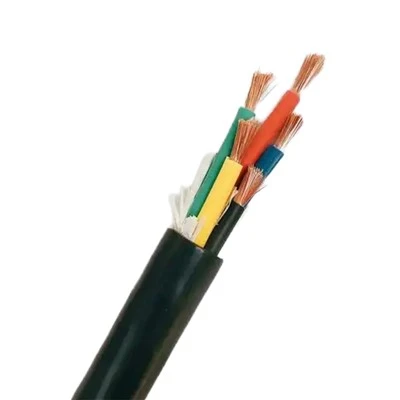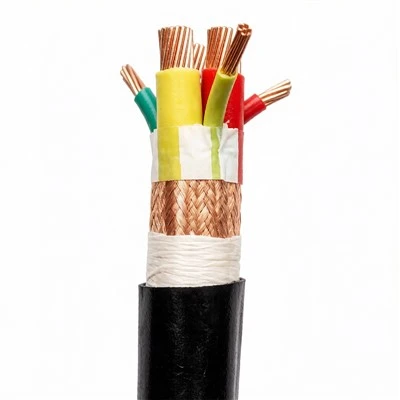

Compensating leads primarily serve two functions: first, to extend the cold junction of the thermocouple; and second, to compensate for the resistance effects of the connecting wires.
Extending the Cold Junction: In thermocouple temperature measurement systems, the temperature stability of the cold junction is crucial for measurement accuracy.
Compensating leads can move the cold junction from harsh measurement environments to more temperature-stable locations, such as control rooms or inside instruments, thereby reducing the impact of cold junction temperature fluctuations on the measurement results.
Compensating for Resistance Effects: The thermoelectric potential signal output by a thermocouple is relatively weak, and the resistance generated by the connecting wires can significantly affect the signal. Compensating leads are made of the same or similar materials as the thermocouple, and their temperature coefficient of resistance matches that of the thermocouple, thus compensating for the influence of the connecting wire resistance on the thermoelectric potential signal to a certain extent, improving measurement accuracy.