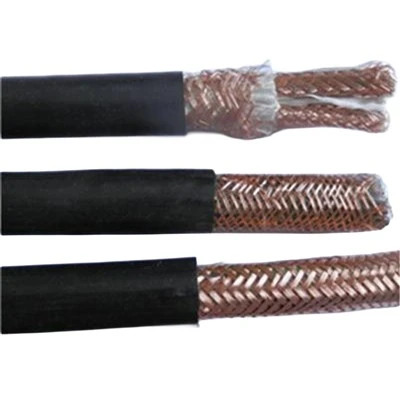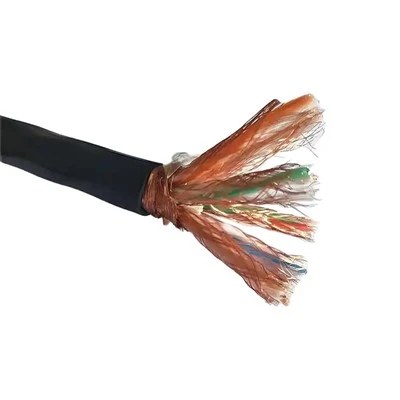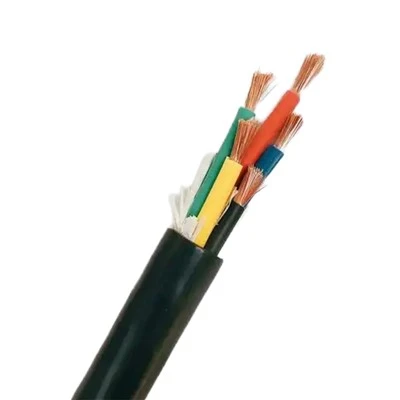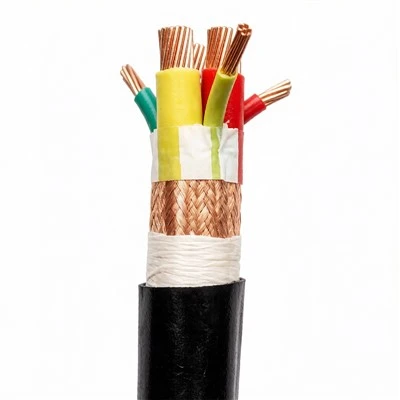

The most significant performance characteristic of high-temperature resistant cables is, first and foremost, their resistance to high temperatures. The insulation, wrapping, fillers, and sheathing of high-temperature cables generally utilize materials with strong high and low temperature resistance, such as fluoroplastics, silicone rubber, fiberglass, and mica. These materials not only possess strong high-temperature resistance but also a certain degree of low-temperature resistance.
When the operating environment of a cable is harsh, the performance of ordinary cables will be significantly reduced or damaged, affecting their normal use. The thermal insulation and high-temperature resistance of high-temperature resistant cables ensure that their performance is not damaged in high-temperature operating environments, guaranteeing their normal use.
High-temperature resistant cables are used in the electronics industry for: temperature compensation wires, low-temperature resistant wires, high-temperature heating wires, aging-resistant wires, and flame-retardant wires.
High-temperature resistant cables are used in the household appliance industry for: internal wiring in air conditioners, microwave ovens, electronic sterilizers, rice cookers, electric kettles, electric heaters, electric ovens, electric frying pans, and lighting fixtures.
High-temperature resistant cables are used in high-temperature environments in enterprises for: internal wiring in boiler rooms, steel rolling mills, fax machines, printers, copiers, scanners, etc.; wiring for instrument motors; and in high-temperature environments such as electronics and gas equipment.
High-temperature resistant cables are also widely used in industries related to heat and high temperatures, such as petrochemicals, steel, aerospace, shipbuilding, military, pharmaceuticals, food, plastics machinery, and boilers.
Ordinary cables are prone to aging after a period of use due to environmental factors, leading to varying degrees of degradation in their performance parameters. However, high-temperature cables, due to their advanced manufacturing processes, have strong anti-aging capabilities and can be used for extended periods without aging, thus significantly extending their overall lifespan.