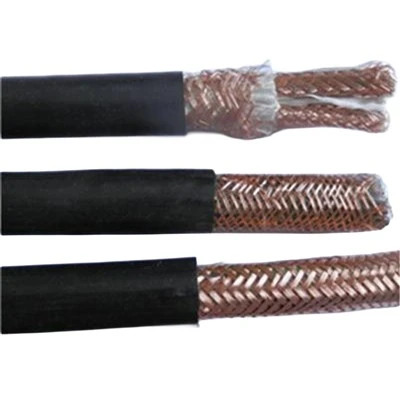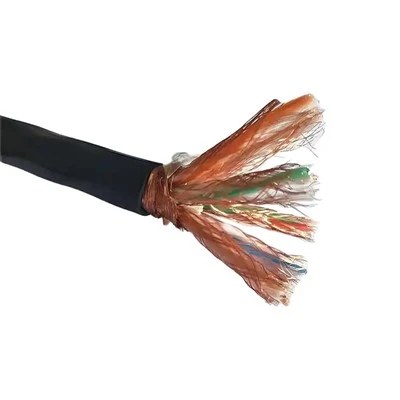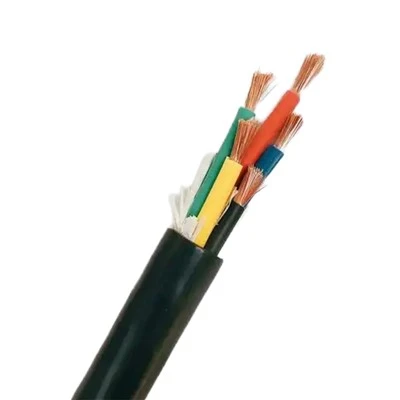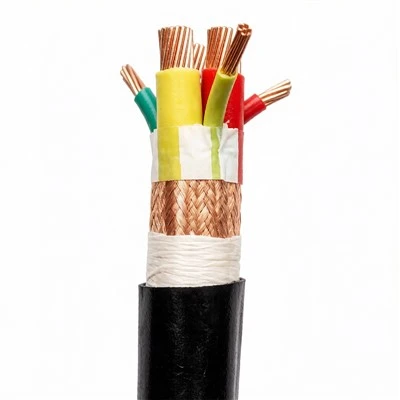

Flat cables are a type of cable with a unique design and wide range of applications. Their characteristics and performance make them outstanding in many application scenarios. This article will detail the features of flat cables and their applications in different fields.
The most significant feature of flat cables is their flat shape. This design not only reduces the space occupied by the cable, making it more aesthetically pleasing, but also makes it easier to lay out and install in limited spaces. The flexibility and adaptability of flat cables make them ideal for use in environments requiring frequent bending and movement, such as in cranes, automated conveyor systems, and fast-moving equipment.
Flat cables are typically manufactured using high-quality materials, such as polyurethane (PUR), which have excellent abrasion and bending resistance. This means that flat cables can maintain good electrical performance under frequent bending and movement, extending their service life. Furthermore, flat cables are characterized by strong anti-interference capabilities; their shielding design effectively prevents electromagnetic interference, ensuring the stability of signal transmission, making them particularly suitable for use in demanding industrial environments.
Another important feature of flat cables is their ease of installation and maintenance. Due to their flat structure, the installation process becomes simpler and more convenient, reducing the time and cost of maintenance and replacement for workers. This is undoubtedly a significant advantage for industrial environments requiring frequent cable maintenance and replacement.
In terms of performance, flat cables meet numerous standards and specifications. For example, their rated operating voltage is typically AC 450/750V and below, and their operating ambient temperature range is -40 to 70℃. The minimum bending radius of a flat cable is 10 times its smaller side thickness, ensuring it will not be damaged when bent. Furthermore, the minimum tensile strength of the insulation and sheath of flat cables is 10 N/mm², and the minimum elongation at break is 150%, maintaining good performance even at -40℃.
Flat cables have a wide range of applications. In crane control systems, flat cables provide stable and reliable power and signal transmission, ensuring safety during high-altitude operations. In modern industrial production lines, flat cables provide reliable power support for the coordinated operation of multiple devices. In building elevators and transmission facilities, the superior performance of flat cables is fully utilized, ensuring the safe and efficient operation of elevators.
With the rapid development of industrial automation and intelligent manufacturing, the requirements for cable products are also increasing. Flat cables, with their superior performance, have become a crucial support for the promotion of new technologies. In recent years, market demand for flat cables has been increasing year by year, especially in logistics and manufacturing. It is expected that the market size of industrial cables will continue to expand in the coming years, with flat cables gaining a larger market share due to their superior performance and applicability.
Flat cables, with their unique design, superior performance, and wide range of applications, have become an indispensable part of modern industry and daily life. Whether in cranes, automated conveyor systems, or high-speed mobile equipment, flat cables demonstrate outstanding practical value. With continuous technological advancements and increasing market demand, flat cables will play an even more important role in more fields.