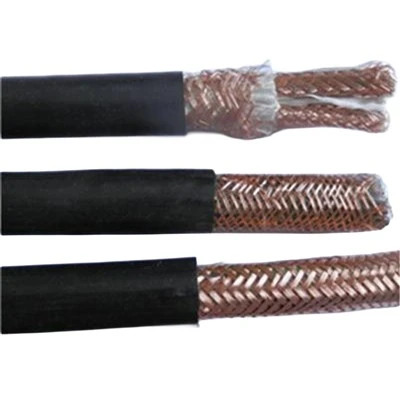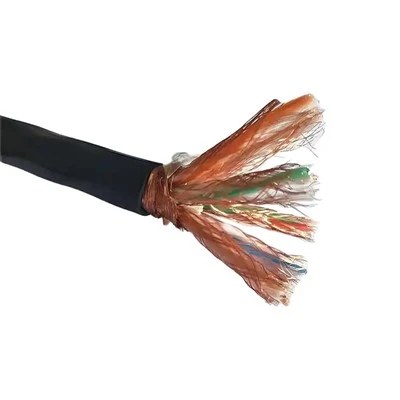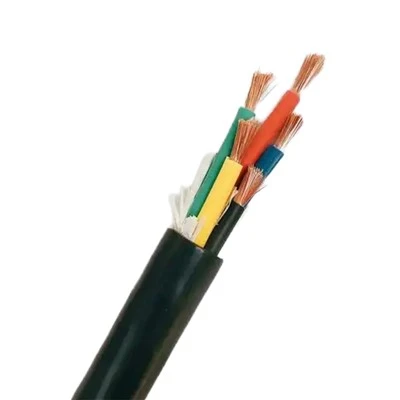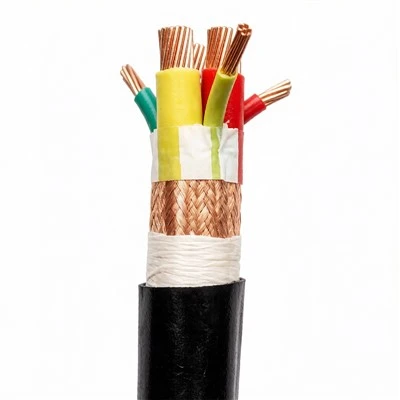

Specialty cables possess a series of special properties to meet specific harsh environments or functional requirements. Their core characteristics include high temperature resistance, corrosion resistance, flame retardancy, tensile strength, and low smoke/halogen-free properties. Specialty cables can operate at extreme high temperatures, with long-term continuous operating temperatures reaching 125℃ to 250℃ or higher; some aerospace cables can withstand temperatures exceeding 1000℃.
Specialty cables can adapt to harsh environments such as chemical media, humidity, salt spray, and oil contamination. Examples include oil-resistant cables, waterproof cables, and seawater corrosion-resistant cables suitable for marine engineering. Specialty cables have fire-resistant properties; flame-retardant cables are self-extinguishing upon removal of the flame, and fire-resistant cables (such as NH-YJV) can continuously supply power for more than 90 minutes at temperatures of 750-800℃. Environmentally friendly specialty cables are characterized by low smoke and halogen-free properties, with low halogen content (e.g., ≤0.5%), high light transmittance during combustion (e.g., ≥60%), low smoke emission, and low toxicity.
Specialty cables maintain stable operation under complex conditions such as extreme temperatures, electromagnetic interference, radiation, and vibration, ensuring safe and reliable power and signal transmission. They possess unique mechanical and physical properties, including high flexibility, torsion resistance, lightweight, rodent and termite resistance, and crush resistance. For example, flexible cables can have a bending radius as small as four times their outer diameter and withstand over 20 million folds. Specialty cables also include special electrical properties such as low inductance, low noise, and interference resistance to meet the needs of precision instruments and high-speed signal transmission.