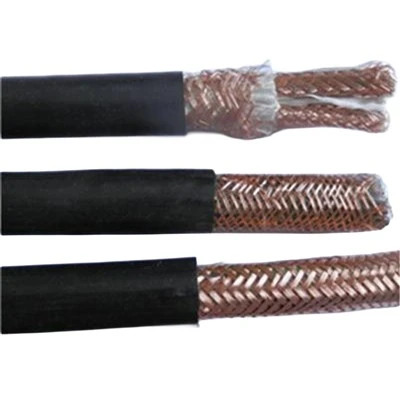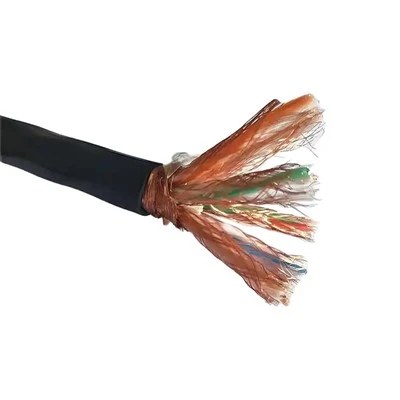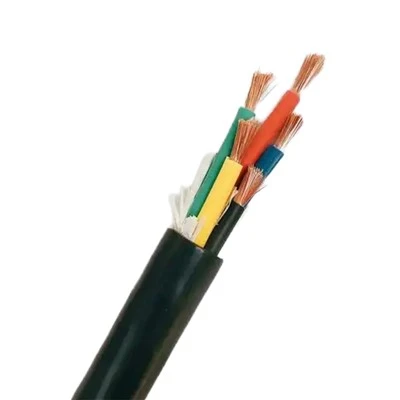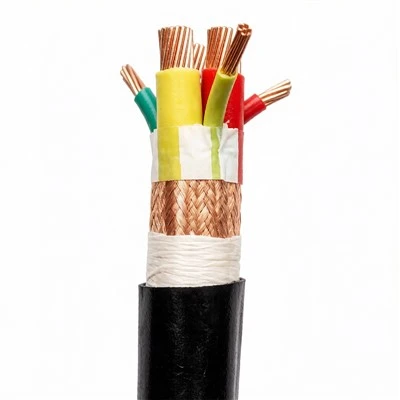

Compensating wires are special wires used in temperature measurement systems to connect thermocouples to display instruments. Their core function is to compensate for errors caused by changes in the cold junction temperature of the thermocouple. Their manufacturing process is precise and rigorous, mainly consisting of three stages: conductor material selection, insulation layer treatment, and shielding and sheath processing.
Conductor Material Preparation
The conductors of compensating wires typically use alloy materials that match the thermocouple electrodes, such as copper-copper-nickel (T-type) or nickel-chromium-nickel-silicon (K-type). These alloys need to undergo melting, drawing, and other processes to produce fine wires of uniform diameter. During the drawing process, tension and speed must be controlled to ensure stable conductor resistivity, thereby guaranteeing the accuracy of signal transmission.
Insulation Layer Coating
The outer layer of the conductor needs to be wrapped with a high-temperature resistant insulating material, commonly polytetrafluoroethylene (PTFE) or glass fiber. The insulating material is uniformly covered on the conductor surface through an extrusion process and then cured at high temperature to form a dense protective layer. This step has strict requirements for insulation performance, temperature resistance, and mechanical strength to avoid signal interference or short circuits.
Shielding and Sheathing Processing
To reduce electromagnetic interference, some compensating conductors are fitted with metal braided shields.