
Flat cables, also known as flat flexible cables, are a type of cable widely used in various electrical equipment and systems. Their unique flat structure makes them excellent in applications requiring frequent bending, limited installation space, and neat folding. Depending on the application scenario and performance requirements, flat cables can be classified into several types. The following are the main classifications of flat cables and their characteristics.
Based on the insulation material, flat cables can be classified into soft polyvinyl chloride (PVC) insulated, polyester insulated, and fluoroplastic insulated types. These materials have different temperature resistance, oil resistance, abrasion resistance, and flame retardant properties, making them suitable for different environmental conditions. For example, PVC insulated cables are suitable for general electrical equipment connections, while fluoroplastic insulated cables are suitable for applications in high-temperature and corrosive environments.
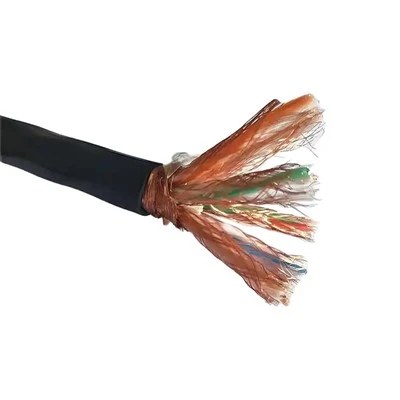
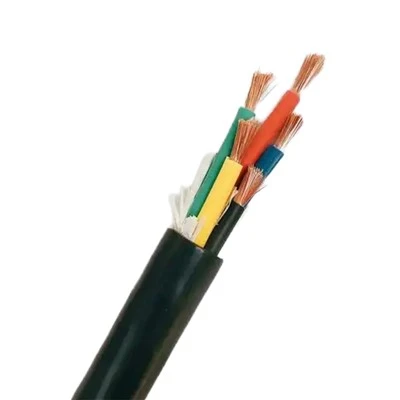
Based on the conductor structure, flat cables can be classified into single-core, double-core, and multi-core types. Single-core flat cables are typically used for simple signal transmission, while multi-core flat cables are suitable for complex electrical systems, such as stage lighting equipment, printers, and scanners. Multi-core flat cables can be designed with different numbers and arrangements of cores to meet specific application requirements.
Flat cables can be categorized into two types based on their tensile strength: standard and tensile-strength. Standard flat cables are primarily used for light-load applications, while tensile-strength flat cables incorporate high-strength steel wire ropes or other load-bearing elements on both sides of the cable core to enhance tensile strength. This type of cable is suitable for applications requiring frequent movement and high tensile strength, such as cranes, overhead cranes, and hoists.
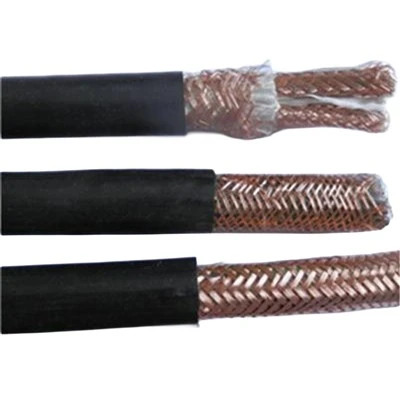
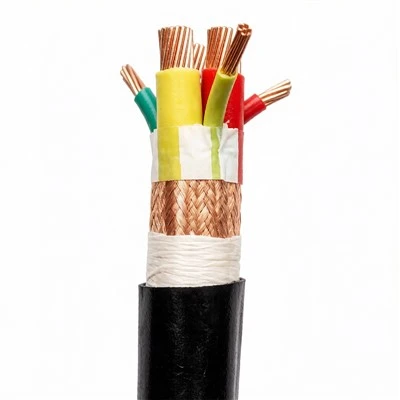
Flat cables can also be categorized into shielded and unshielded types based on their shielding. Shielded flat cables have an additional metallic shielding layer around the conductor to prevent electromagnetic interference and signal attenuation. This type of cable is suitable for applications requiring high reliability and interference resistance, such as medical equipment, communication systems, and industrial automation equipment.
Furthermore, flat cables can be classified according to their application: general-purpose, elevator-specific, and stage lighting-specific. General-purpose flat cables are suitable for connecting various general electrical equipment, while elevator-specific flat cables are specifically designed for elevator systems and offer excellent bending and tensile strength. Stage lighting-specific flat cables are flame-retardant, oil-resistant, and weather-resistant, making them suitable for connecting various stage lighting equipment.
Flat cables come in various types, allowing you to choose the appropriate type based on different application scenarios and performance requirements. Whether for ordinary electrical equipment connections or complex industrial automation systems, flat cables provide reliable electrical connections and excellent performance.