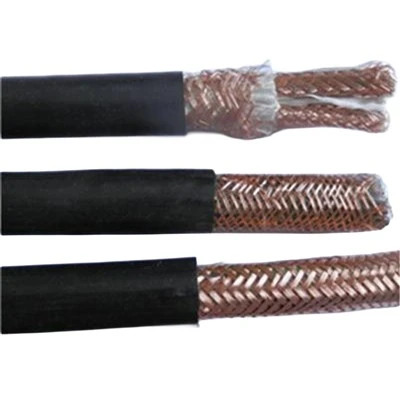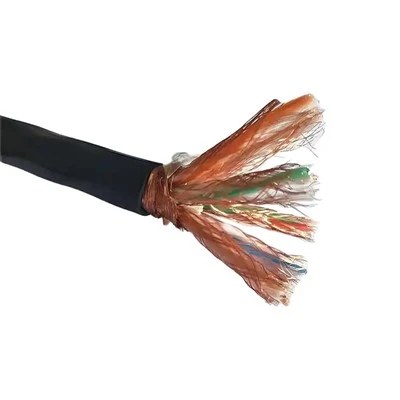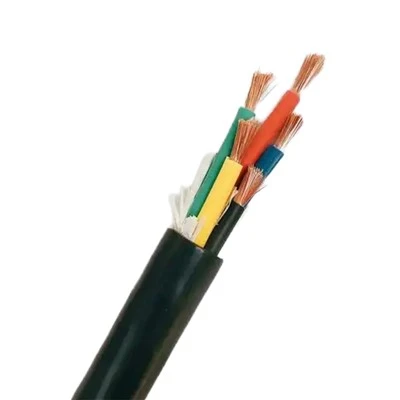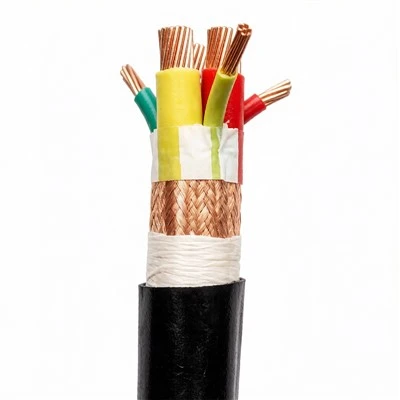

Flat cables, as a new type of cable, have gradually gained widespread application in various fields due to their high efficiency, convenience, and flexibility. Their unique structural design and superior performance make them play an important role in electronics, automotive, and automation control.
In the electronics field, flat cables are widely used. They are extensively used in electronic products such as mobile phones, digital cameras, laptops, and tablets. Especially in mobile phones and tablets, flat cables are ideal for long-distance data and signal transmission, and can also be used for connections between screens and motherboards. Furthermore, flat cables are widely used in electrical appliances such as water heaters, induction cookers, and microwave ovens. These appliances typically require the connection of multiple devices, and flat cables facilitate easier connections between these devices.
In the automotive industry, flat cables are also widely used. Flat flexible cables can be used to connect various electrical devices inside the car, such as dashboards, audio systems, and air conditioners. They can also be used to connect external devices such as sensors and cameras. Flat flexible cables can also be used in automotive charging circuits, such as USB charging ports. Due to their compact structure, light weight, and good transmission performance, flat flexible cables have broad application prospects in the automotive industry. In the field of automation control, flat cables are also widely used. Especially in robotics, flat cables, due to their flat shape, flexibility, and high elasticity, are easier to wire and can meet the requirements of robots. Flat cables can also be used for various functions of robots, such as motion control, communication, and power supply. Furthermore, flat cables are widely used in CNC machine tools. CNC machine tools require the transmission of a large number of signals for various control functions, while also providing substantial power support. Flat cables are suitable for both transmission and control, and can also transmit power.
Besides the above-mentioned fields, flat cables also have wide applications in other areas. For example, in network communication systems, flat cables have gradually replaced traditional round network cables. They offer advantages such as small footprint, flexibility, ease of installation, and space saving, making computer room layouts more flexible. Simultaneously, flat cables are widely used in electronic equipment connection cables, high-definition audio-visual transmission cables, monitoring equipment connection cables, and home decoration.
Flat cables possess excellent performance and a wide range of applications. In the future, with continuous technological advancements and the expansion of application areas, the application of flat cables will become even more widespread. Flat cables will become an indispensable and important component in fields such as electronics, automotive, automation control, and others.