

Hey there! As a supplier of Motor Control Cables, I often get asked about the thermal stability of these cables. So, I thought I'd take a moment to break it down and share some insights with you.
First off, let's talk about what thermal stability actually means. In simple terms, thermal stability refers to a cable's ability to maintain its performance and integrity under different temperature conditions. For motor control cables, this is super important because motors can generate a lot of heat during operation. If the cable can't handle the heat, it can lead to all sorts of problems, like insulation breakdown, reduced conductivity, and even cable failure.
There are a few key factors that affect the thermal stability of a motor control cable. One of the most important is the type of insulation material used. Different insulation materials have different temperature ratings, which indicate the maximum temperature they can withstand without degrading. For example, some common insulation materials for motor control cables include PVC (Polyvinyl Chloride), XLPE (Cross-Linked Polyethylene), and EPR (Ethylene Propylene Rubber).
PVC is a popular choice because it's relatively inexpensive and has good mechanical properties. However, its temperature rating is usually around 70°C to 90°C, which may not be sufficient for high-temperature applications. XLPE, on the other hand, has a higher temperature rating, typically around 90°C to 130°C. It also offers better electrical properties and is more resistant to environmental factors like moisture and chemicals. EPR is another option with a temperature rating similar to XLPE, and it's known for its excellent flexibility and resistance to ozone.
Another factor that affects thermal stability is the cable's construction. Cables with multiple conductors are more likely to generate heat due to the increased electrical resistance. To mitigate this, some cables are designed with a larger cross-sectional area for the conductors, which helps to reduce resistance and heat generation. Additionally, cables may be constructed with a heat-resistant jacket or shielding to further protect the insulation from high temperatures.
The operating environment also plays a role in the thermal stability of a motor control cable. If the cable is installed in a high-temperature area, such as near a furnace or in a hot industrial setting, it will be exposed to more heat and may require a cable with a higher temperature rating. Similarly, if the cable is exposed to direct sunlight or other sources of heat, it's important to choose a cable that can withstand these conditions.
Now, let's talk about why thermal stability is so important for motor control cables. As I mentioned earlier, motors generate a lot of heat during operation. If the cable can't handle the heat, it can lead to insulation breakdown, which can cause short circuits and other electrical problems. This can not only damage the motor and the cable but also pose a safety hazard. Additionally, a cable with poor thermal stability may experience reduced conductivity, which can lead to voltage drops and decreased motor performance.
So, how can you ensure that your motor control cable has good thermal stability? The first step is to choose the right cable for your application. Consider the temperature requirements of your motor and the operating environment, and select a cable with a temperature rating that meets or exceeds these requirements. You can also look for cables that are specifically designed for high-temperature applications, such as those with a heat-resistant jacket or shielding.
It's also important to install the cable correctly. Make sure the cable is routed away from sources of heat and that there is adequate ventilation around the cable. Avoid overcrowding the cable tray or conduit, as this can restrict airflow and increase the temperature of the cable. Additionally, make sure the cable is properly terminated and that all connections are tight and secure.
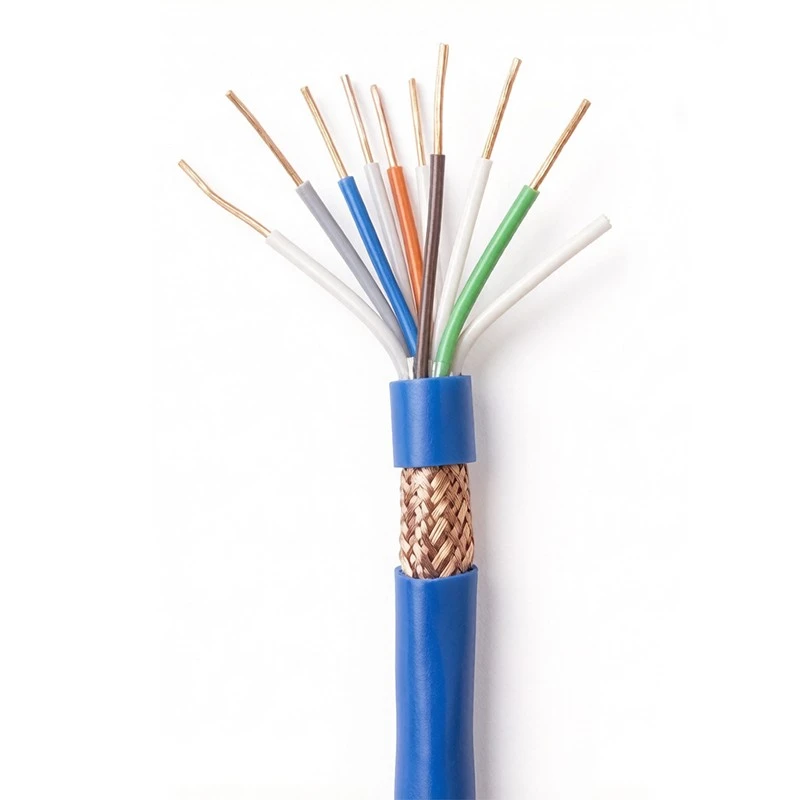
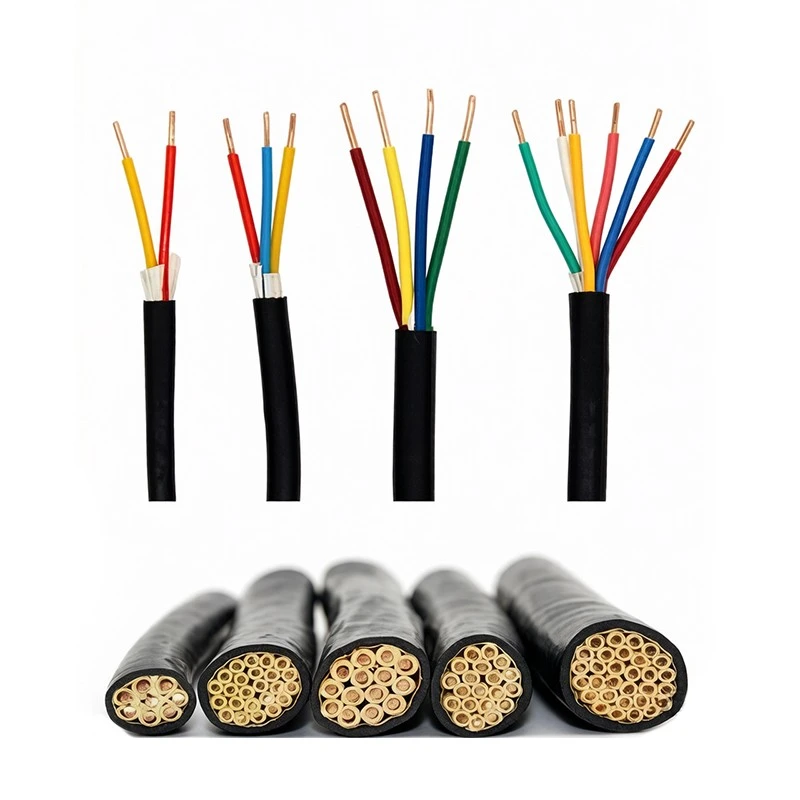
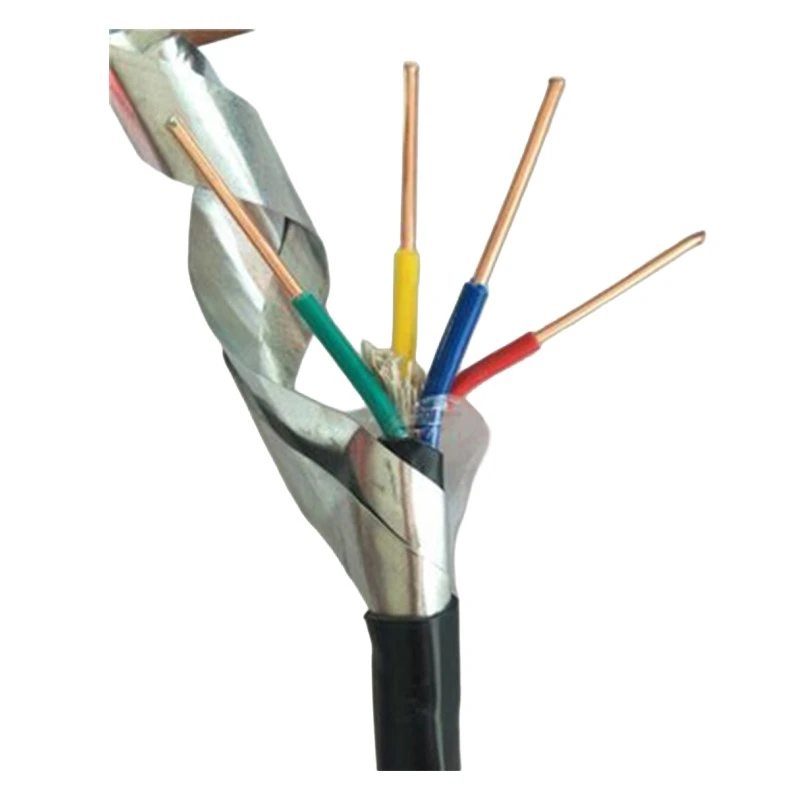
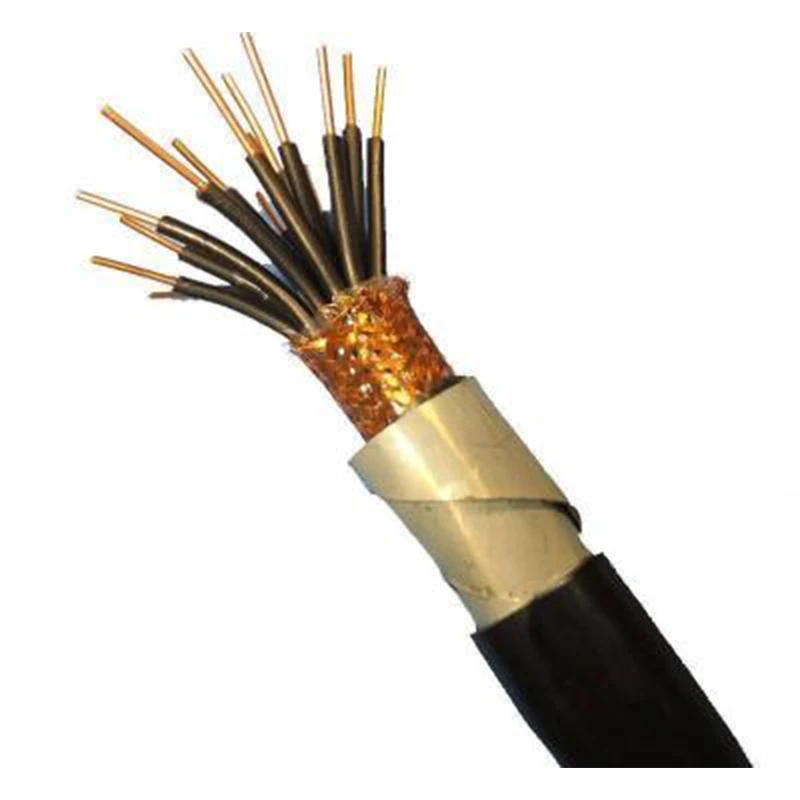
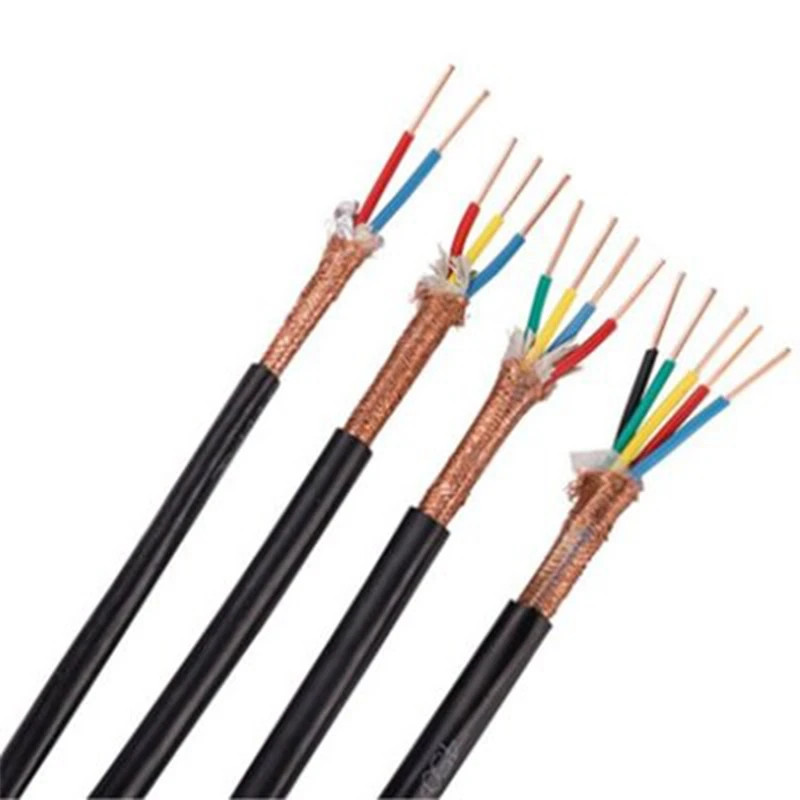
At our company, we offer a wide range of Motor Control Cables with excellent thermal stability. Our cables are made from high-quality materials and are designed to meet the most demanding applications. Whether you need a Multi Conductor Control Cable, a Screened Control Cable, an Instrument Signal Cable, or a Copper Control Cable, we have the right solution for you.

If you're in the market for a Motor Control Cable, I encourage you to contact us to discuss your specific needs. Our team of experts can help you choose the right cable for your application and provide you with all the information you need to make an informed decision. We're committed to providing our customers with the highest quality products and the best possible service, so you can trust us to meet your needs.
In conclusion, thermal stability is an important factor to consider when choosing a Motor Control Cable. By understanding the factors that affect thermal stability and taking the necessary steps to ensure that your cable has good thermal stability, you can help to prevent problems and ensure the reliable operation of your motor. If you have any questions or need more information, please don't hesitate to contact us. We're here to help!
References:
- Electrical Wiring Handbook, 17th Edition
- National Electrical Code (NEC)
- Cable Manufacturers Association International (CMI)