

What is the minimum operating temperature for Fire Resistant Control Cable?
As a prominent supplier of Fire Resistant Control Cable, I am frequently asked about the minimum operating temperature for these cables. Understanding this critical parameter is essential for ensuring the reliable and safe operation of electrical systems, especially in environments where temperature fluctuations are common.
The Significance of Minimum Operating Temperature
The minimum operating temperature of a fire-resistant control cable is the lowest temperature at which the cable can function effectively without experiencing significant degradation in its electrical and mechanical properties. Operating a cable below its minimum temperature can lead to a range of issues, including increased brittleness, reduced flexibility, and potential damage to the insulation and jacket materials. These problems can compromise the cable's performance, increase the risk of electrical failures, and even pose a safety hazard.
Factors Affecting the Minimum Operating Temperature
Several factors influence the minimum operating temperature of fire-resistant control cables. The primary factor is the type of insulation and jacket materials used in the cable construction. Different materials have different temperature ratings, and cables designed for use in low-temperature environments typically feature insulation and jackets made from materials with excellent cold resistance properties.
For example, some cables use cross-linked polyethylene (XLPE) insulation, which offers good electrical properties and a relatively wide temperature range. However, XLPE may become brittle at very low temperatures, limiting its suitability for extremely cold environments. In contrast, cables with fluoropolymer insulation, such as polytetrafluoroethylene (PTFE) or fluorinated ethylene propylene (FEP), have excellent cold resistance and can operate at much lower temperatures without significant degradation.
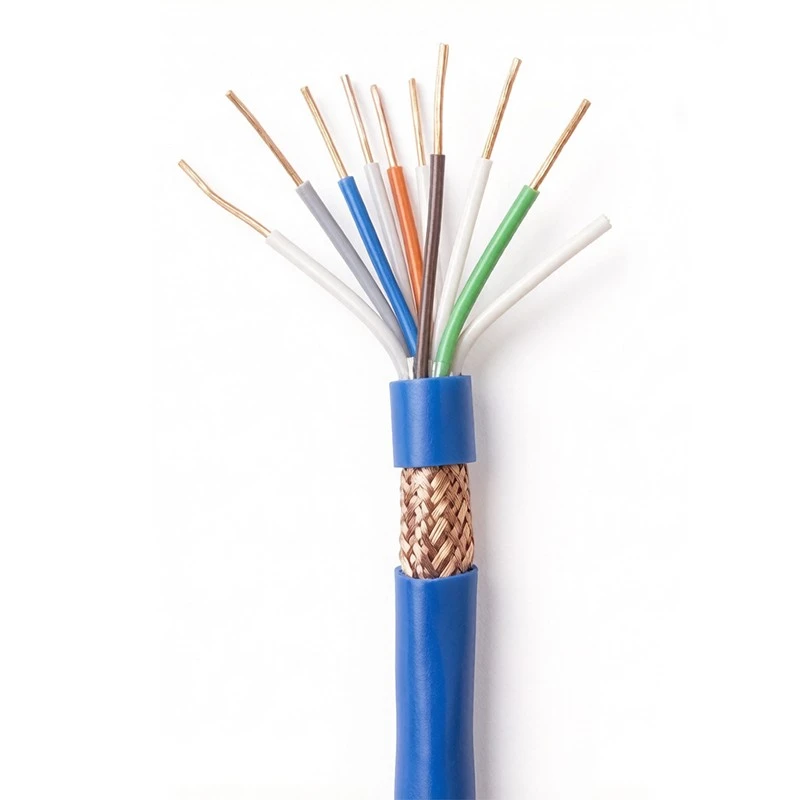
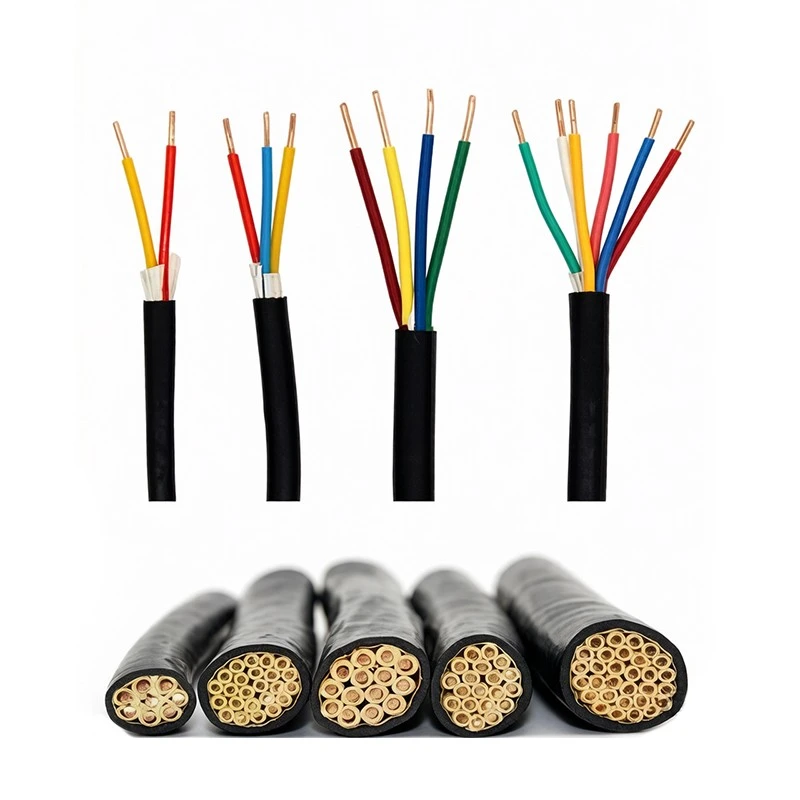
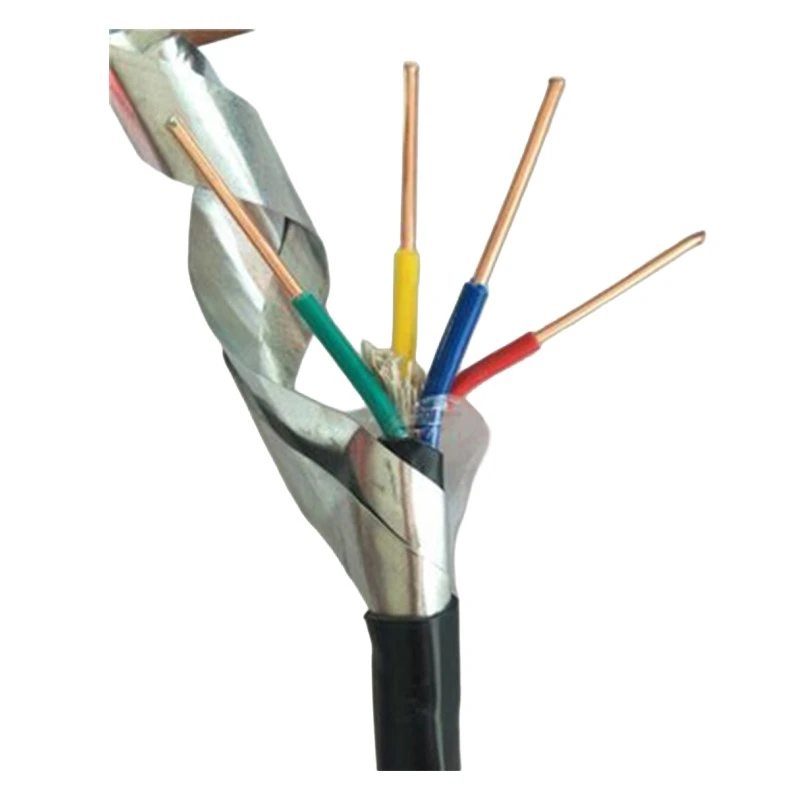
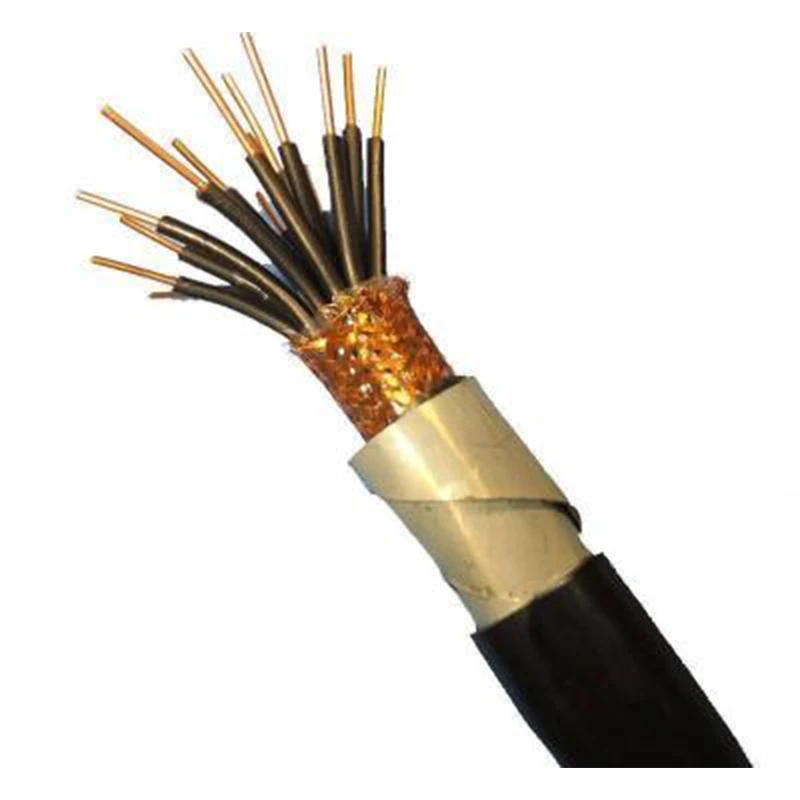
Another factor that affects the minimum operating temperature is the cable's construction and design. Cables with a more robust construction, including multiple layers of insulation and a protective jacket, are generally better able to withstand low temperatures. Additionally, cables with a smaller diameter and less flexibility may be more prone to damage at low temperatures.
Typical Minimum Operating Temperatures for Fire Resistant Control Cables
The minimum operating temperature for fire-resistant control cables can vary widely depending on the specific cable design and the materials used. In general, most standard fire-resistant control cables are rated for a minimum operating temperature of -20°C to -40°C. However, for applications in extremely cold environments, such as those found in arctic regions or cold storage facilities, cables with a lower minimum operating temperature may be required.

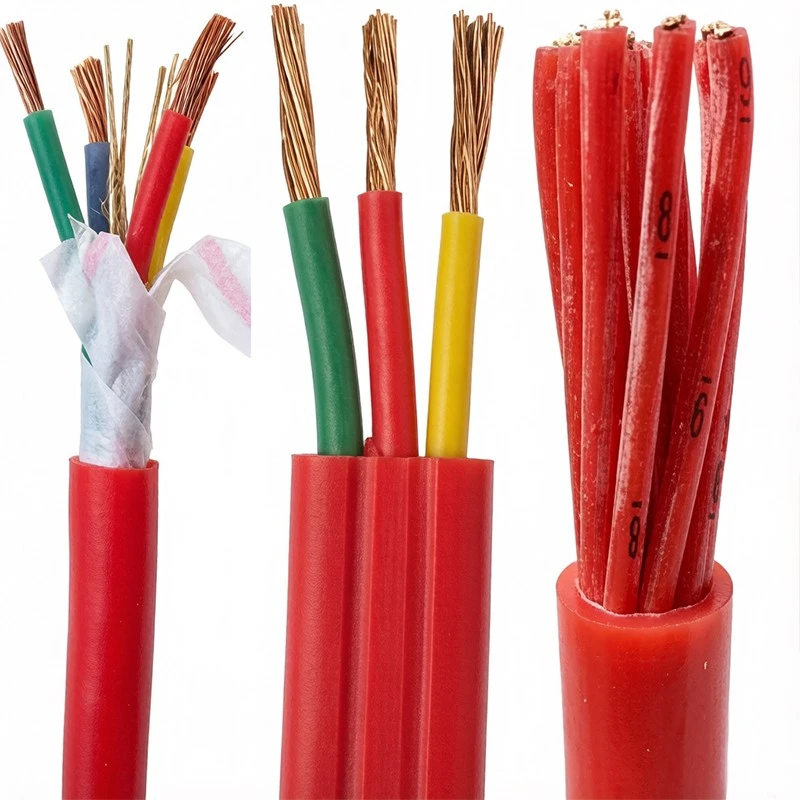
Some specialized fire-resistant control cables are designed to operate at temperatures as low as -60°C or even lower. These cables typically feature advanced insulation and jacket materials, such as PTFE or FEP, which offer excellent cold resistance and can maintain their flexibility and electrical properties at extremely low temperatures.
Selecting the Right Cable for Low-Temperature Applications
When selecting a fire-resistant control cable for low-temperature applications, it is essential to consider the specific requirements of the environment and the electrical system. Here are some key factors to keep in mind:
- Minimum Operating Temperature: Ensure that the cable's minimum operating temperature rating is suitable for the lowest temperature expected in the application. Consider any potential temperature fluctuations or extreme cold conditions that may occur.
- Insulation and Jacket Materials: Choose cables with insulation and jacket materials that offer excellent cold resistance. Fluoropolymer materials, such as PTFE or FEP, are often a good choice for low-temperature applications.
- Cable Construction: Opt for cables with a robust construction that can withstand the mechanical stresses associated with low temperatures. Multiple layers of insulation and a protective jacket can provide additional protection.
- Flexibility: Consider the flexibility requirements of the application. Cables that need to be bent or flexed frequently may require a more flexible design.
Other High-Temperature Cables in Our Product Range
In addition to Fire Resistant Control Cable, we also offer a wide range of other high-temperature cables to meet the diverse needs of our customers. Our product portfolio includes:
- High Temp Ribbon Cable: These cables are designed for use in high-temperature environments where space is limited. They offer excellent electrical performance and flexibility.
- Fire Resistant Power Cable: Ideal for applications where reliable power transmission is critical, these cables are designed to withstand high temperatures and provide long-term performance.
- High Temperature Resistant Cable: These cables are engineered to operate in extreme high-temperature environments without compromising their electrical or mechanical properties.
- High Temperature Flexible Cable: Suitable for applications that require frequent movement or bending, these cables offer excellent flexibility and high-temperature resistance.
Contact Us for Your Cable Needs
Selecting the right cable for your specific application is crucial to ensure the reliable and safe operation of your electrical system. If you have any questions or need assistance in choosing the appropriate fire-resistant control cable or other high-temperature cables, our team of experts is here to help. We can provide you with detailed product information, technical support, and guidance on cable selection and installation.
Contact us today to discuss your cable requirements and find the perfect solution for your application. We look forward to working with you to meet your high-temperature cable needs.
References
- "Cable Engineering Handbook", Third Edition, by John A. Turner
- "Electrical Installation Handbook", Schneider Electric
- Industry standards and specifications related to fire-resistant cables, such as IEEE, UL, and IEC standards.