

In the realm of electrical systems, control cables play a pivotal role in ensuring seamless operation and efficient power transmission. As an esteemed Electrical Control Cable supplier, I've witnessed firsthand the critical nature of choosing the right type of cable for various applications. Today, I'll delve into the fundamental differences between shielded and unshielded electrical control cables, shedding light on their unique characteristics, applications, and advantages.
Understanding the Basics: Shielded vs. Unshielded Cables
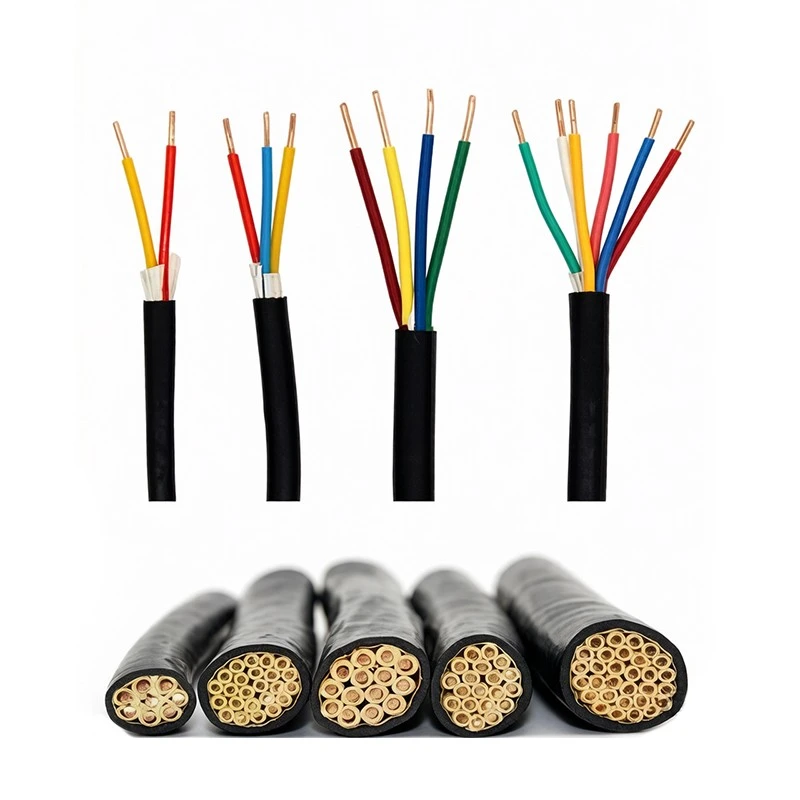
At the core of the matter, the primary distinction between shielded and unshielded electrical control cables lies in the presence or absence of a shielding layer. Unshielded cables, as the name implies, lack this protective barrier. They consist of conductors insulated with materials such as PVC (Polyvinyl Chloride) or XLPE (Cross - linked Polyethylene), which provide basic electrical insulation but do not offer protection against electromagnetic interference (EMI) or radio - frequency interference (RFI).
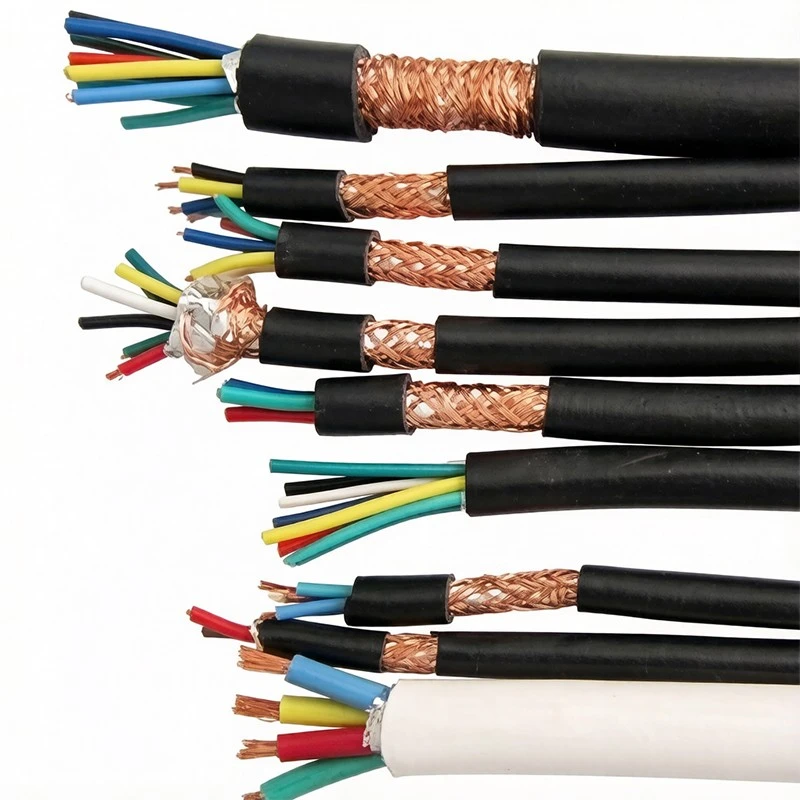
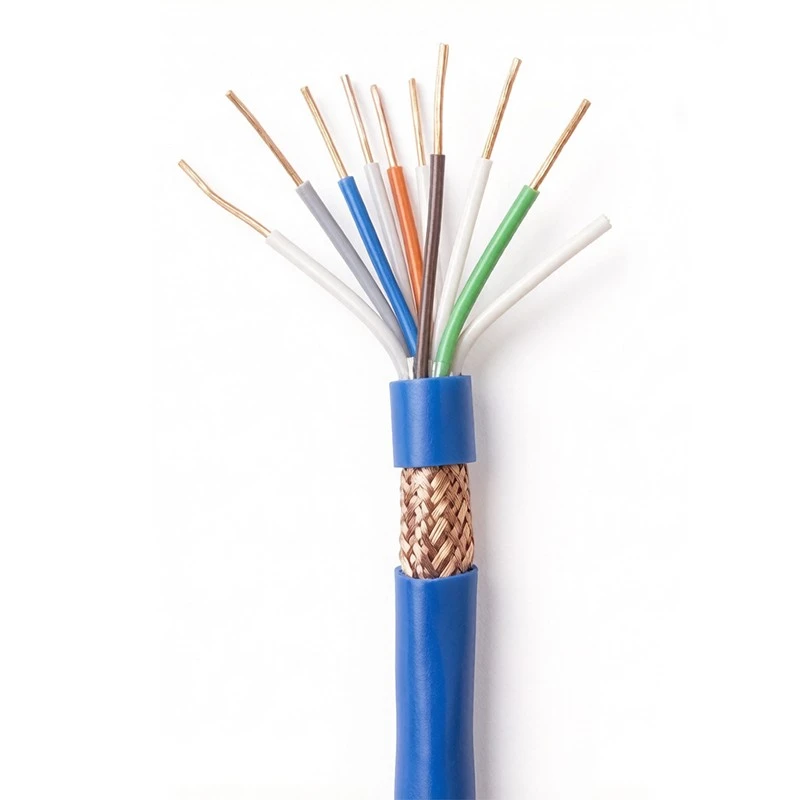
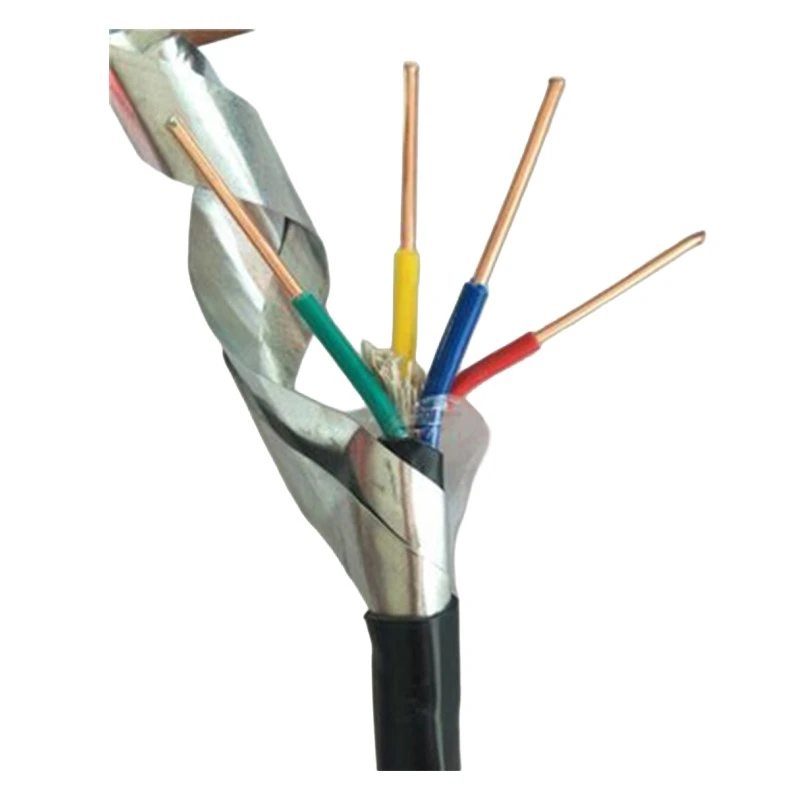
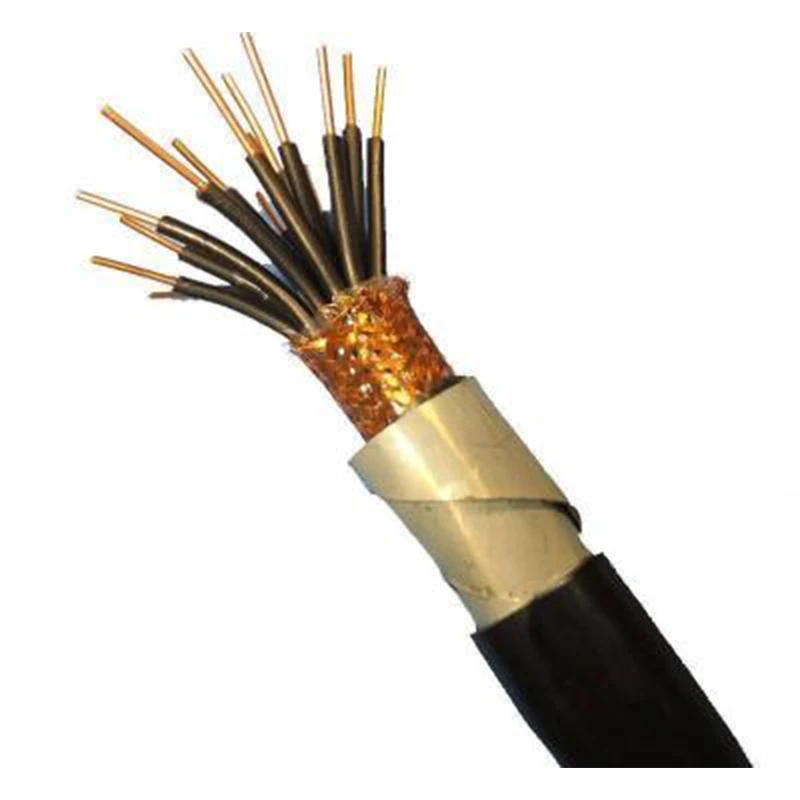
On the other hand, shielded cables are equipped with a conductive layer that surrounds the insulated conductors. This shielding can be made of materials like copper foil, braided copper, or a combination of both. The shielding acts as a Faraday cage, effectively blocking external electromagnetic fields from interfering with the signals transmitted through the conductors and preventing the cable from radiating its own electromagnetic fields.
Construction and Design
Unshielded control cables are relatively simple in construction. They typically have a central conductor, which can be made of copper or aluminum, surrounded by an insulating layer. Multiple conductors are often bundled together within an outer jacket, which provides mechanical protection and environmental resistance. The simplicity of their design makes them cost - effective and easy to install, which is one of the reasons they are widely used in many general - purpose applications.
Shielded control cables, however, have a more complex construction. In addition to the conductors and insulation, they include the shielding layer. The shielding can be either a solid foil that wraps around the conductors or a braided mesh. Foil shielding is more effective at blocking high - frequency interference, while braided shielding offers better protection against low - frequency interference. A drain wire is often included along with the shielding to provide a path for the induced currents to flow to the ground. The entire assembly is then covered with an outer jacket for protection.
Applications
Unshielded control cables are commonly used in applications where the risk of electromagnetic interference is low. These include basic lighting control systems, simple motor control circuits in industrial settings where the electromagnetic environment is relatively clean, and domestic electrical wiring. For example, in a small office building, unshielded cables can be used to connect light switches to the lighting fixtures. Their low cost and ease of installation make them a practical choice for such applications.
Shielded control cables are essential in environments where EMI and RFI are prevalent. They are widely used in industries such as telecommunications, automation, and aerospace. In a modern factory, shielded cables are used to connect Programmable Logic Controllers (PLCs) to sensors and actuators. The shielding ensures that the control signals are not corrupted by the electromagnetic noise generated by large motors, variable - frequency drives, and other equipment. In the telecommunications industry, shielded cables are used to transmit sensitive data signals, preventing interference that could lead to data loss or errors. For more details on specific types of shielded cables, you can visit our Screened Control Cable page.
Performance
The performance of unshielded and shielded control cables varies significantly, especially in terms of their ability to withstand electromagnetic interference. Unshielded cables are more susceptible to external electromagnetic fields. When subjected to high levels of EMI or RFI, the signals transmitted through the conductors can become distorted, leading to errors in the operation of the electrical equipment. This can result in reduced efficiency, malfunctions, and even equipment damage in severe cases.
Shielded cables, due to their shielding layer, offer superior performance in terms of EMI and RFI immunity. The shielding effectively diverts the external electromagnetic fields away from the conductors, ensuring that the signals remain clean and undistorted. This makes them ideal for applications where reliable signal transmission is critical, such as in control systems for precision machinery or in data communication networks.
Installation Considerations
Installing unshielded control cables is relatively straightforward. They do not require any special grounding or shielding connections, which simplifies the installation process. However, it is still important to follow proper cable routing and installation practices to minimize the risk of mechanical damage. For example, cables should be installed in conduit or cable trays to protect them from physical impact and environmental factors.
Shielded cables require more careful installation. The shielding layer must be properly grounded to ensure its effectiveness. This typically involves connecting the drain wire to a reliable ground point. Additionally, the cables must be installed in such a way that the shielding is not damaged during the installation process. Sharp bends or cuts in the shielding can compromise its ability to block electromagnetic interference.
Cost
Cost is an important factor to consider when choosing between shielded and unshielded control cables. Unshielded cables are generally less expensive than shielded cables. The simple design and lack of a shielding layer make them more cost - effective to manufacture. This makes them a popular choice for applications where cost is a major concern and the risk of electromagnetic interference is minimal.
Shielded cables are more expensive due to their more complex construction and the use of additional materials for the shielding. However, the cost is often justified in applications where the reliability of the electrical system is of utmost importance. The investment in shielded cables can prevent costly downtime and equipment failures caused by electromagnetic interference.
Other Types of Control Cables
In addition to shielded and unshielded control cables, there are other types of control cables available in the market. Our Multi Conductor Control Cable is designed to carry multiple signals in a single cable, which is useful in applications where space is limited. The Armoured Control Cable provides additional mechanical protection, making it suitable for harsh environments where the cable may be exposed to physical stress. The Universal Control Cable offers a versatile solution for a wide range of applications, while the Flexible Instrument Cable is ideal for applications that require flexibility, such as in moving machinery.
Conclusion
In conclusion, the choice between shielded and unshielded electrical control cables depends on a variety of factors, including the application, the electromagnetic environment, performance requirements, and cost. Unshielded cables are a cost - effective option for applications where EMI and RFI are not a concern, while shielded cables are necessary for environments with high levels of electromagnetic interference. As an Electrical Control Cable supplier, we have the expertise and the product range to help you make the right choice for your specific needs.
If you are in the process of planning an electrical project and need assistance in selecting the appropriate control cables, or if you have any questions about our products, we encourage you to reach out for a procurement discussion. Our team of experts is ready to provide you with detailed information and guidance to ensure the success of your project.
References
- Electrical Installation Guide, International Electrotechnical Commission (IEC)
- Cable Engineering Handbook, various industry - specific publishers