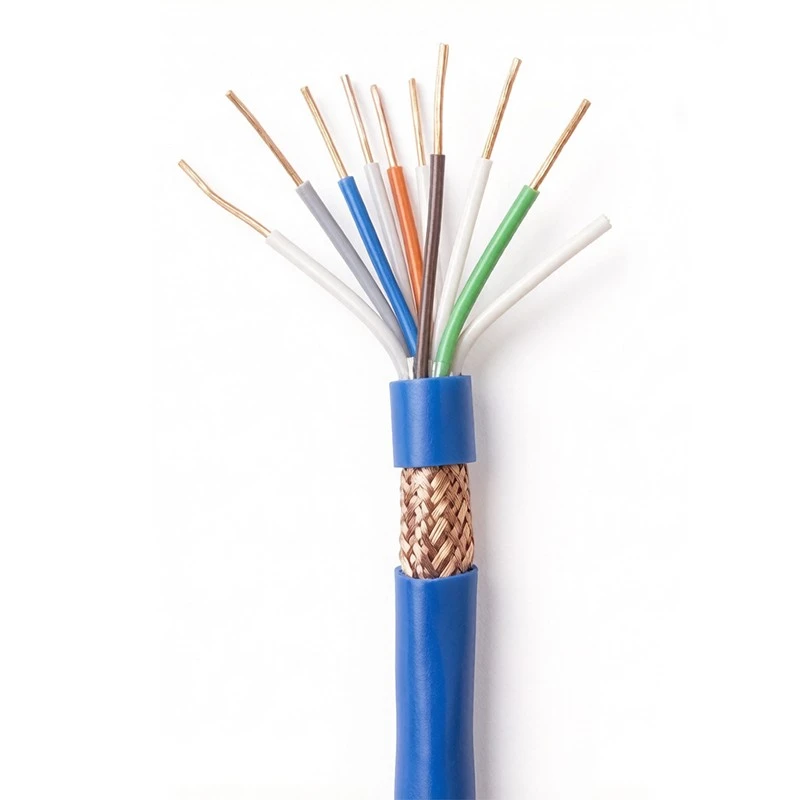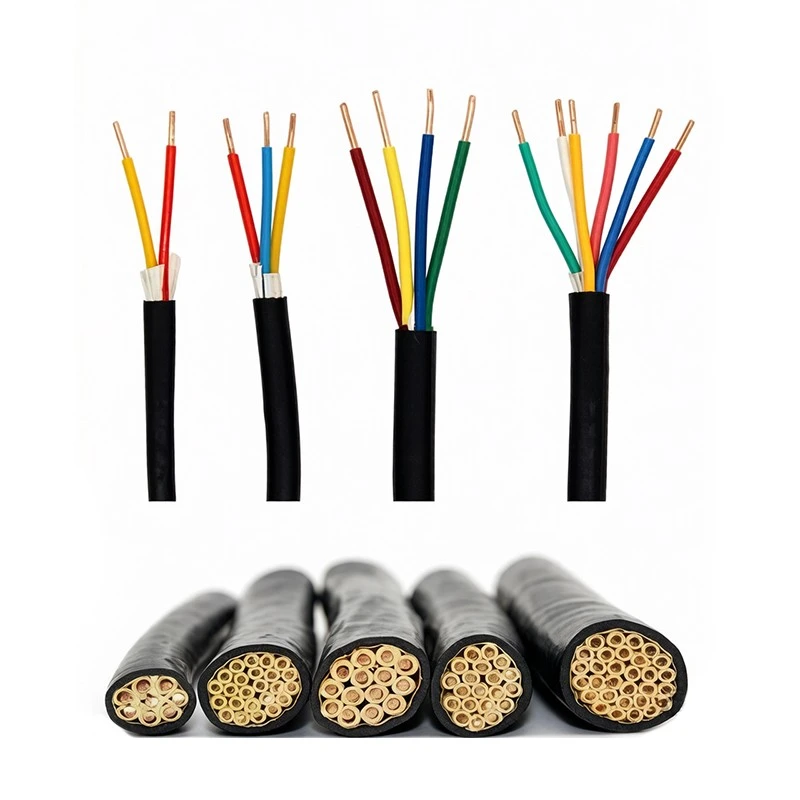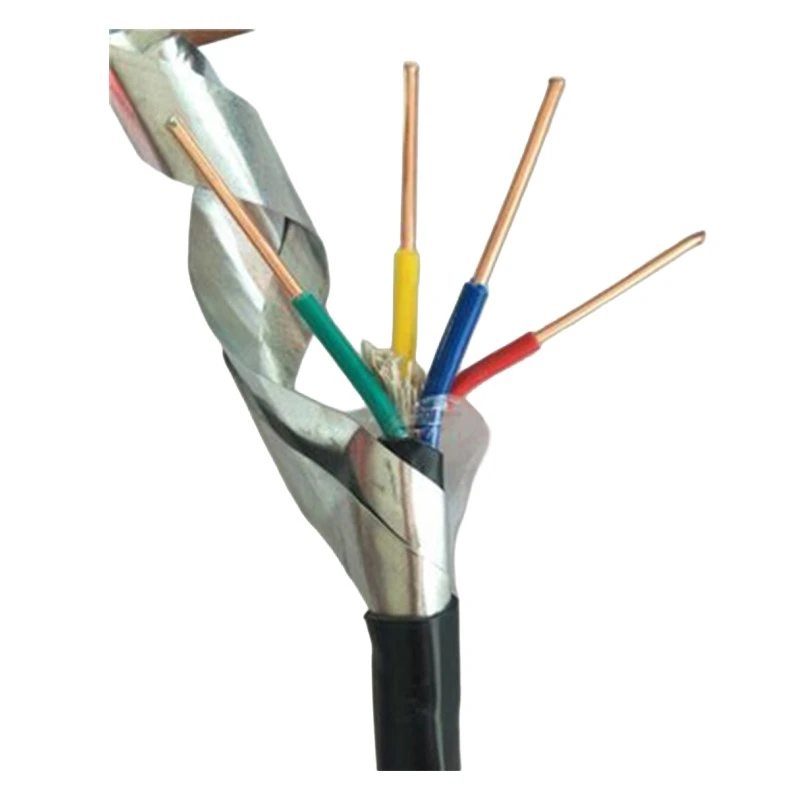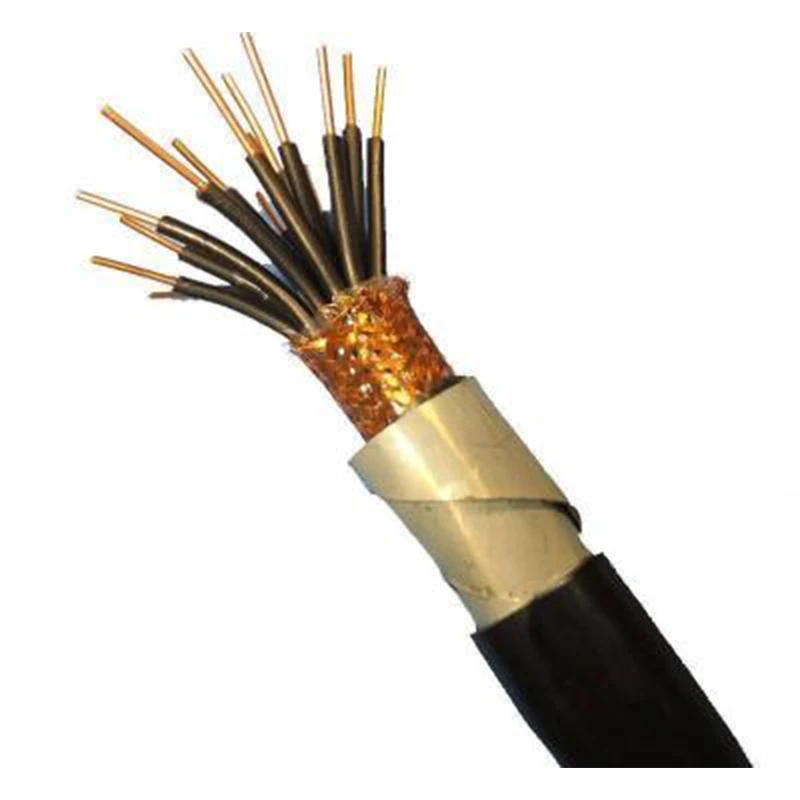


The bending radius of a Ribbon Power Cable is a crucial parameter that significantly impacts its performance, durability, and overall functionality. As a reputable Ribbon Power Cable supplier, we understand the importance of this aspect and are here to provide in - depth insights into what the bending radius means and how it affects our products.
Understanding the Concept of Bending Radius
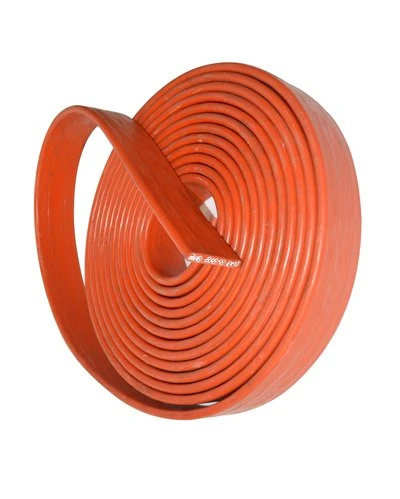
The bending radius of a cable refers to the minimum radius around which the cable can be bent without causing damage to its internal structure or degrading its electrical properties. In the context of Ribbon Power Cables, the bending radius determines how flexible the cable is and where it can be installed. A smaller bending radius implies greater flexibility, allowing the cable to be used in tight spaces or complex routing scenarios. On the other hand, a larger bending radius may require more installation space but offers better protection against mechanical stress.
Factors Affecting the Bending Radius of Ribbon Power Cables
1. Cable Construction
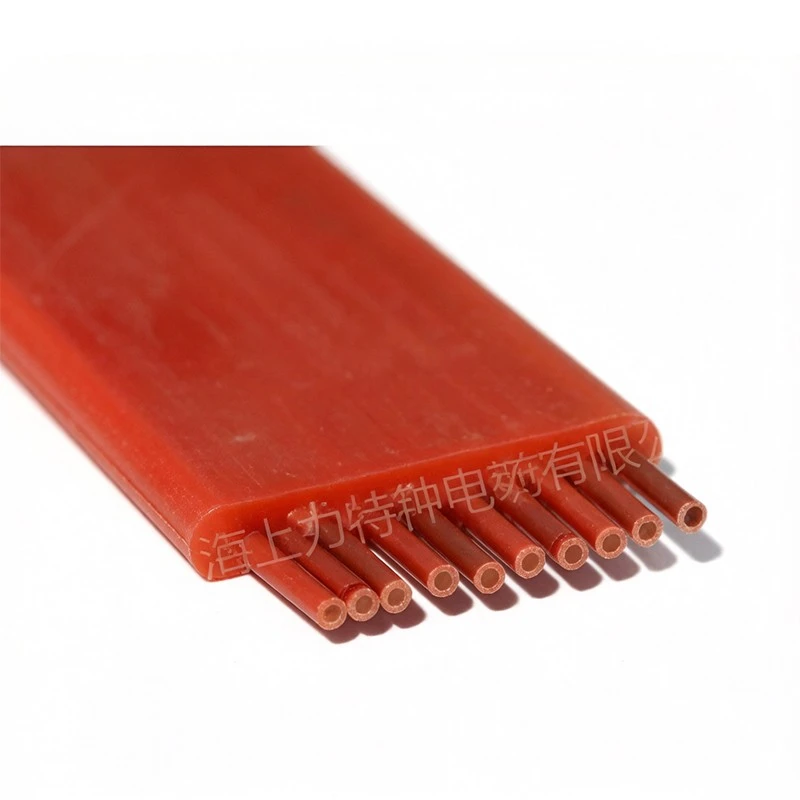
The materials and design used in constructing Ribbon Power Cables play a vital role in determining their bending radius. For instance, cables with a more flexible insulating material will generally have a smaller bending radius. Our Silicone Ribbon Cable is a prime example. Silicone is known for its excellent flexibility, heat resistance, and electrical insulation properties. Thanks to the silicone insulation, these cables can be bent more tightly compared to cables with other types of insulation, making them suitable for applications where space is limited.
2. Conductor Size and Configuration
The size and configuration of the conductors within the Ribbon Power Cable also influence the bending radius. Thicker conductors typically require a larger bending radius because they are less flexible. In contrast, thinner conductors can be bent more easily. Additionally, the arrangement of the conductors, such as parallel or twisted configurations, can affect the cable's overall flexibility. Our Ribbon Power Cable offers various conductor sizes and configurations to meet the diverse needs of our customers, and we can help select the appropriate option based on the required bending radius.
3. Operating Environment
The environment in which the Ribbon Power Cable operates can have a significant impact on its bending radius. High - temperature environments can cause the cable materials to become softer, potentially reducing the bending radius. However, excessive heat can also degrade the cable's insulation over time. Our High Temperature Ribbon Cable is specifically designed to withstand extreme temperatures while maintaining its flexibility and electrical performance. Similarly, cryogenic environments can make the cable materials more brittle, increasing the necessary bending radius. Our Cryogenic Ribbon Cable is engineered to operate reliably in extremely cold conditions, with a carefully determined bending radius that ensures its integrity.
Importance of Maintaining the Correct Bending Radius
1. Electrical Performance
Bending a Ribbon Power Cable beyond its recommended bending radius can cause numerous electrical problems. For example, it can lead to conductor deformation, which may increase resistance and cause uneven current distribution. This, in turn, can result in overheating, voltage drops, and reduced overall efficiency. By maintaining the correct bending radius, we can ensure that the cable performs optimally and delivers the required power reliably.
2. Mechanical Durability
The mechanical integrity of a Ribbon Power Cable is closely related to its bending radius. Excessive bending can cause the insulation to crack, exposing the conductors to the environment and increasing the risk of short circuits and electrical failures. It can also weaken the cable's structure, making it more prone to breakage. Adhering to the proper bending radius helps prolong the cable's lifespan and reduces the need for frequent replacements.
3. Installation Efficiency
In practical applications, the bending radius affects the ease of installation. A cable with a smaller bending radius can be routed more easily through tight spaces, reducing the installation time and labor costs. Our Flat Ribbon Power Cable is designed with a relatively small bending radius, making it an ideal choice for installations where space is at a premium and complex cable routing is required.
How We Determine and Ensure the Bending Radius of Our Ribbon Power Cables
As a supplier of Ribbon Power Cables, we employ a combination of advanced testing and strict quality control measures to determine and maintain the appropriate bending radius for our products.
1. Material Testing
Before using any material in the production of our cables, we conduct extensive tests to evaluate its flexibility, strength, and other mechanical properties. This helps us select the best materials for achieving the desired bending radius. For example, we test different types of insulation materials to ensure they can withstand the required bending without cracking or losing their electrical insulation properties.
2. Cable Design and Prototyping
Our engineering team uses state - of - the - art design tools to optimize the cable's structure and conductor configuration for the desired bending radius. We create prototypes and subject them to rigorous testing, including repeated bending cycles, to verify their performance. Based on the test results, we make necessary adjustments to the design to ensure that the final product meets or exceeds the industry standards for bending radius.
3. Quality Control during Production
During the production process, we implement strict quality control procedures to ensure that each cable meets the specified bending radius requirements. We use precision manufacturing equipment and techniques to ensure consistent cable dimensions and structure. Our quality control inspectors perform regular checks on the cables to detect any deviations from the standards and take corrective actions immediately.
Practical Tips for Installing Ribbon Power Cables to Maintain the Bending Radius
1. Plan the Cable Routing in Advance
Before installation, carefully plan the cable routing to avoid sharp bends and ensure that the cable can be bent within the recommended radius. Use cable management tools such as cable trays, conduits, and clips to guide the cable and maintain its shape.
2. Use the Right Tools
When bending the cable, use appropriate tools to avoid applying excessive force. Specialized cable bending tools can help ensure that the cable is bent smoothly and evenly within the specified radius.
3. Follow the Manufacturer's Guidelines
Always follow the manufacturer's guidelines regarding the bending radius and installation procedures. If you have any questions or need further guidance, our technical support team is available to assist you.
Conclusion
In summary, the bending radius of a Ribbon Power Cable is a critical factor that influences its electrical performance, mechanical durability, and installation efficiency. As a trusted Ribbon Power Cable supplier, we are committed to providing high - quality cables with well - defined bending radii that meet the diverse needs of our customers. Whether you need a cable for a high - temperature environment, a cryogenic application, or a tight - space installation, we have the right solution for you.
If you are in the market for Ribbon Power Cables and want to learn more about our products or discuss your specific requirements, we encourage you to reach out to us. Our experienced sales team is ready to assist you in finding the best cable solutions for your applications. Let's start a conversation about how our Ribbon Power Cables can meet your power transmission needs.
References
- Cable Engineering Handbook, Fifth Edition.
- Industry Standards for Power Cable Installation and Maintenance.