

Hey there! As a supplier of Flat Ribbon Power Cables, I've seen my fair share of cable issues. Today, I'm gonna share some tips on how to troubleshoot a faulty flat ribbon power cable. Whether you're a DIY enthusiast or a professional in the tech field, these steps can come in handy.
Initial Checks
Before you dive into the nitty - gritty of cable troubleshooting, start with a simple visual inspection. Unplug the cable from both ends. This is important because you don't want to risk electric shock or short - circuiting while you're checking it.
Once it's unplugged, take a close look at the cable. Look for any obvious signs of physical damage like cuts, frays, or kinks. Sometimes, just a small cut in the insulation can expose the wires inside, leading to electrical problems. If you find any damage like this, it might be a quick fix if it's a minor issue. You can use electrical tape to cover small cuts, but if the damage is extensive, it's probably time to get a new cable. You can check out our Flat Ribbon Power Cable options for a replacement.
Testing the Connection Points
Next up, examine the connectors at both ends of the cable. These are the parts that plug into devices. Make sure they're clean and free of any debris. Sometimes, dust or dirt can build up in the connectors, causing a poor connection. You can use a can of compressed air to blow out any dust from the connector pin holes.
If the connectors are dirty, you can also use a contact cleaner. Just spray a small amount onto a cotton swab and gently clean the connector pins. After cleaning, plug the cable back in and see if the problem is solved.
Using a Multimeter
If the visual inspection and cleaning didn't solve the issue, it's time to break out the multimeter. A multimeter is a handy tool that can measure voltage, resistance, and continuity.
First, set your multimeter to the continuity setting. This setting will beep if there's a complete electrical path. Touch the two probes of the multimeter to the two ends of one of the wires in the flat ribbon cable. If the multimeter beeps, that wire is good. Repeat this process for each wire in the cable.
If you find a wire that doesn't show continuity, it means there's a break in that wire. In most cases, it's difficult to repair a broken wire inside a flat ribbon cable, and you'll likely need to replace the cable.
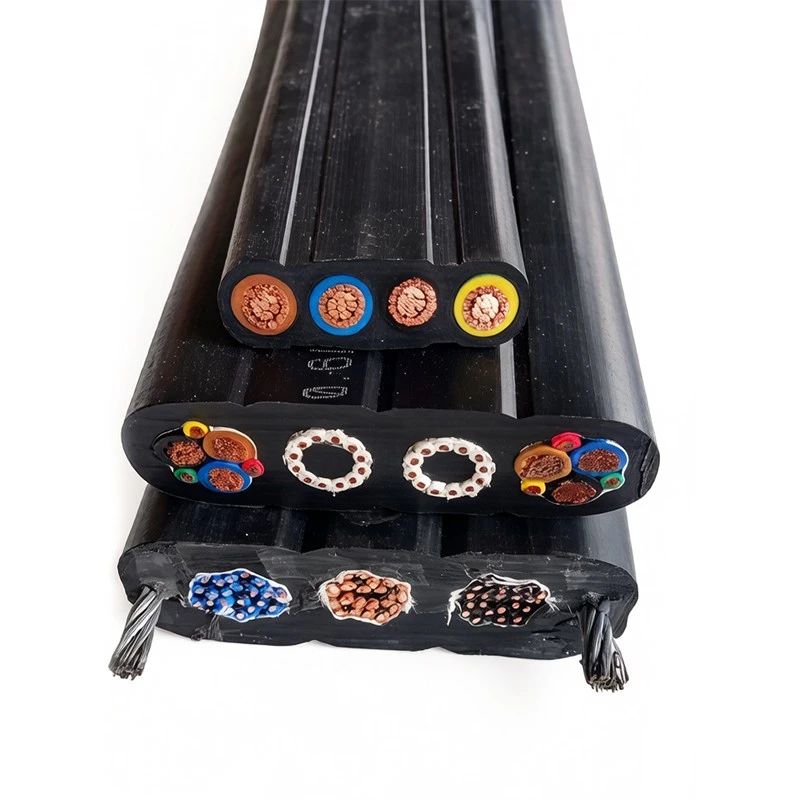
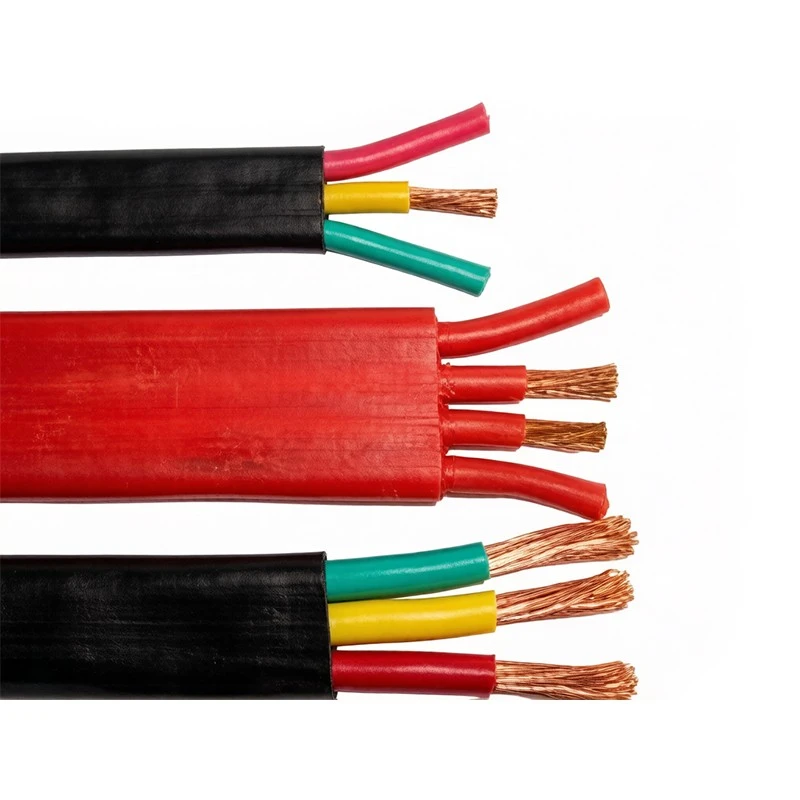
Considering Environmental Factors
Sometimes, the problem with a flat ribbon power cable isn't due to physical damage or a broken wire. Environmental factors can also play a role.
For example, if the cable is exposed to high temperatures for a long time, it can cause the insulation to degrade. This is where our High Temperature Ribbon Cable comes in handy. It's designed to withstand higher temperatures without losing its performance.
On the other hand, if the cable is in a very cold environment, it can become brittle and more likely to break. Our Cryogenic Ribbon Cable is built to handle extremely low temperatures.
Shielding Issues
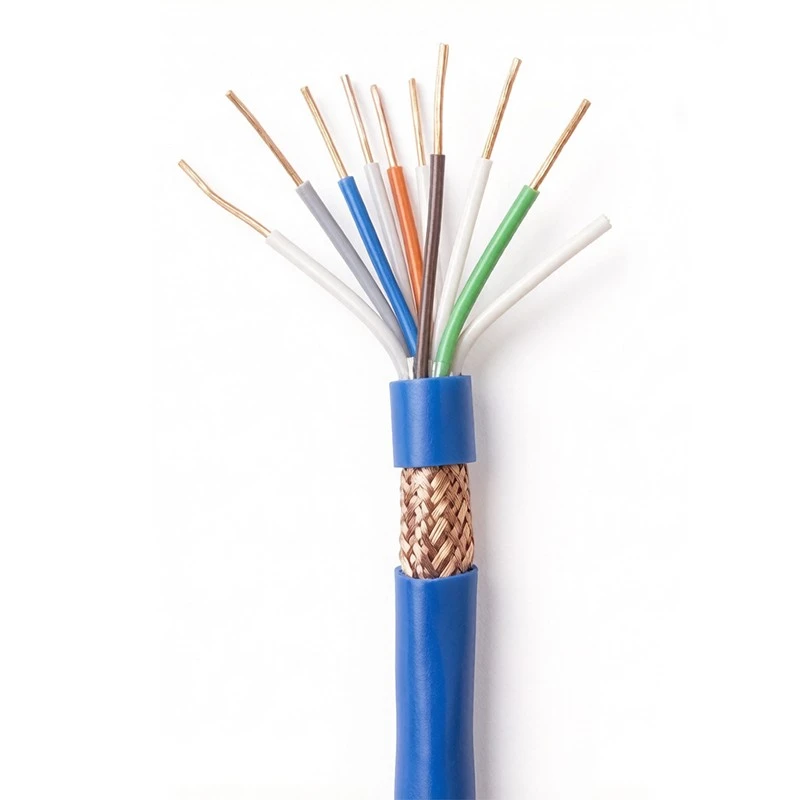
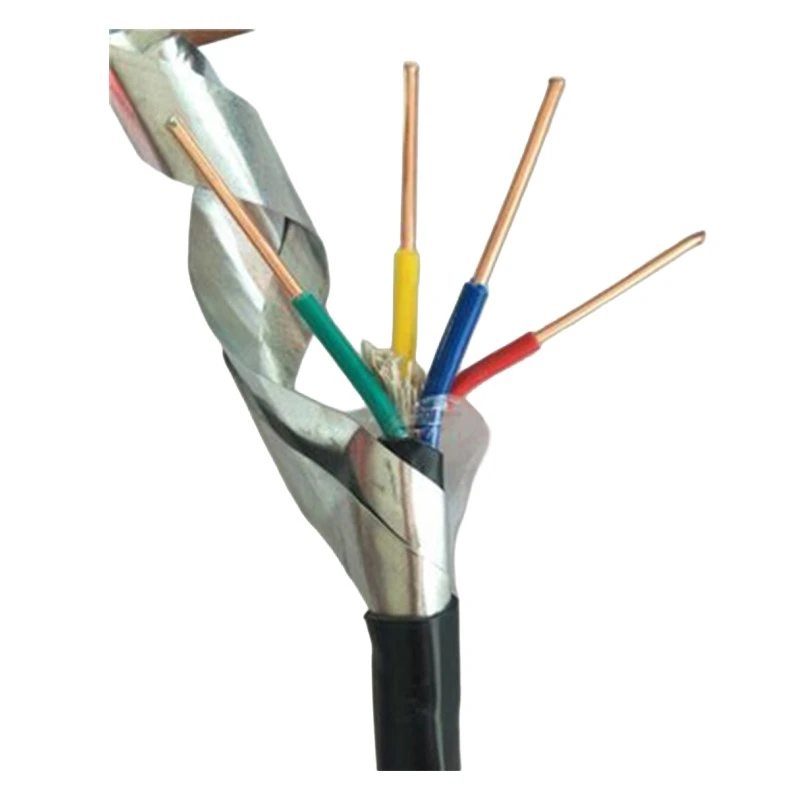
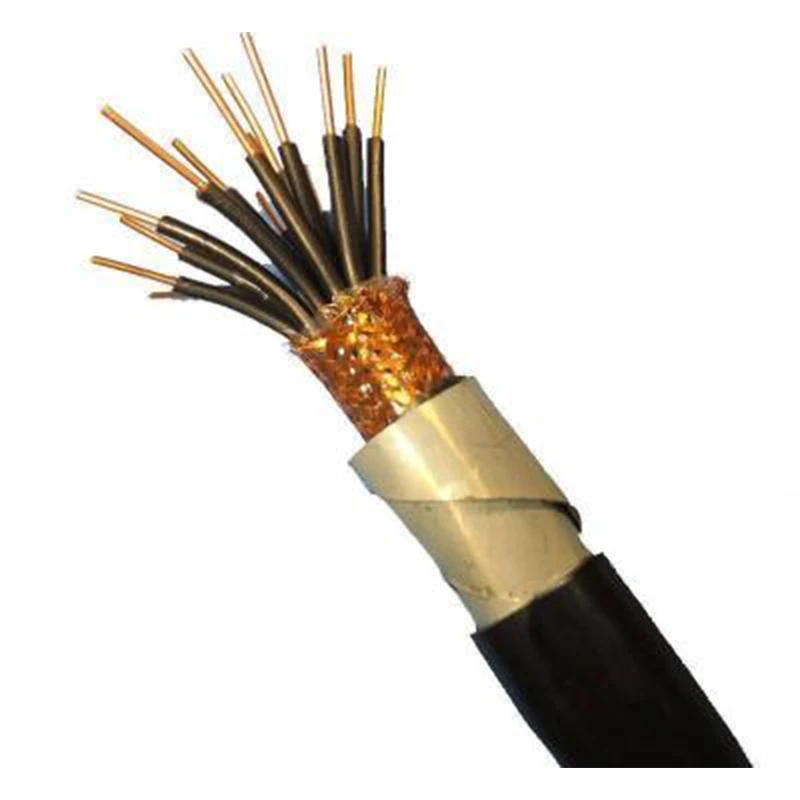
If you're using a cable in an environment with a lot of electromagnetic interference (EMI), shielding can be a crucial factor. A shielded flat ribbon cable helps protect the wires inside from EMI.
If you suspect that EMI is causing problems with your cable, you might want to consider using a Shielded Flat Ribbon Cable. Check the shielding on your existing cable to make sure it's intact. If the shielding is damaged, it won't be able to do its job effectively.
Material - Specific Considerations
Different types of flat ribbon power cables are made from different materials. For example, silicone - based cables have their own set of characteristics.
Silicone ribbon cables are known for their flexibility and resistance to heat and chemicals. If you're using a Silicone Ribbon Cable, make sure it's not being stretched too much or exposed to chemicals that could damage the silicone.
When to Replace the Cable
If you've gone through all the troubleshooting steps and still can't fix the problem, it's probably time to replace the cable. Using a faulty cable can not only cause your devices to malfunction but also pose a safety risk.
As a Flat Ribbon Power Cable supplier, we offer a wide range of cables to meet your needs. Whether you need a standard cable for everyday use or a specialized cable for a specific environment, we've got you covered.
Conclusion
Troubleshooting a faulty flat ribbon power cable can seem daunting at first, but if you follow these steps, you can often figure out what's wrong and take the necessary steps to fix it. Remember, it's always better to be safe than sorry when dealing with electrical components.
If you're in the market for a new flat ribbon power cable or have any questions about our products, don't hesitate to reach out. Our team is ready to assist you with your cable needs and help you find the best solution for your situation.
Let's chat about your cable requirements and get you the right product!
References
- General knowledge from the electrical and cable industry.
- Experience from working as a Flat Ribbon Power Cable supplier.