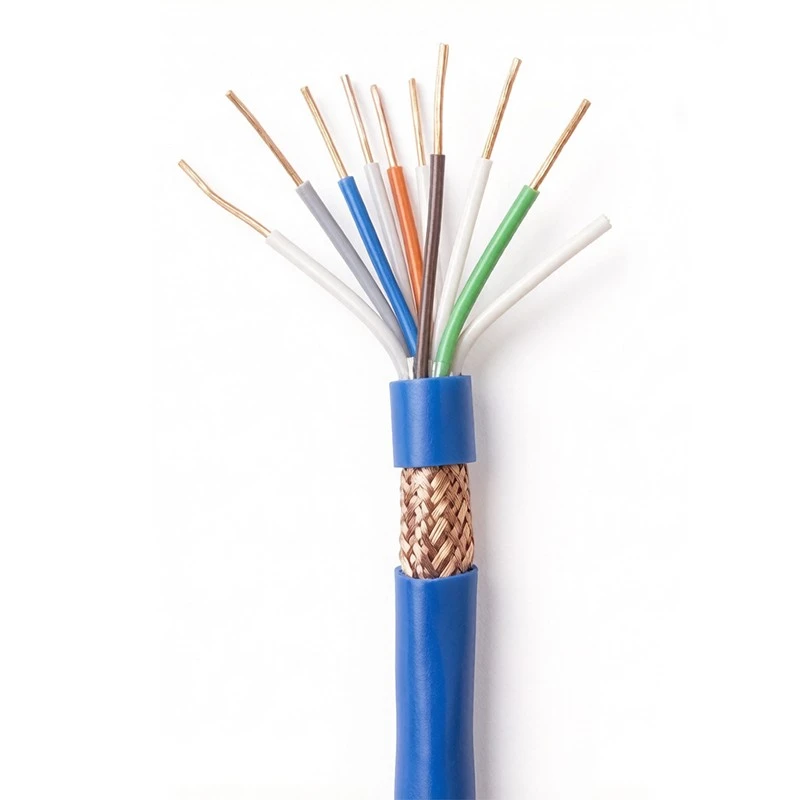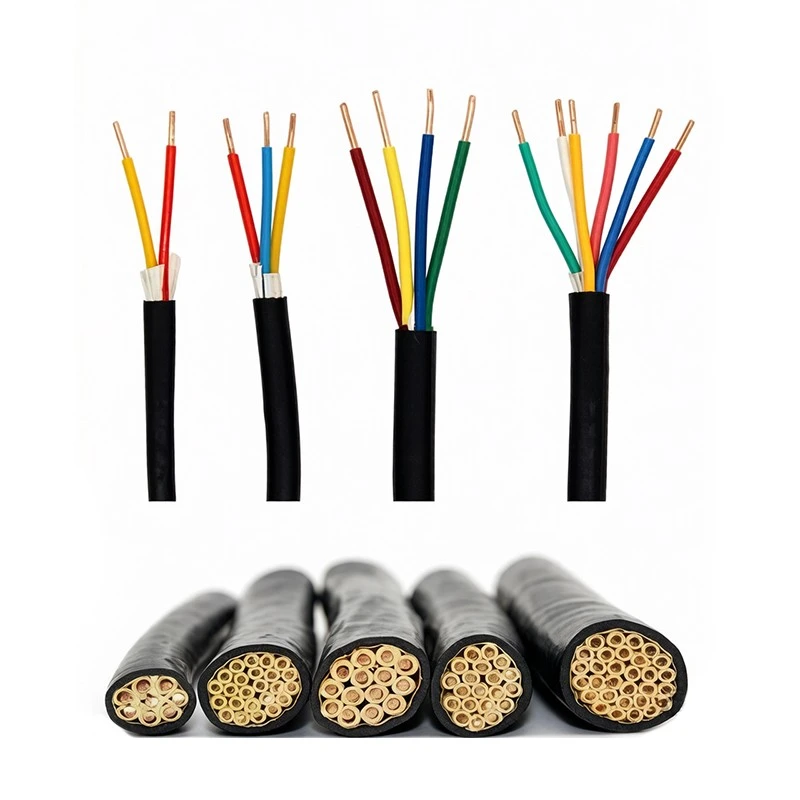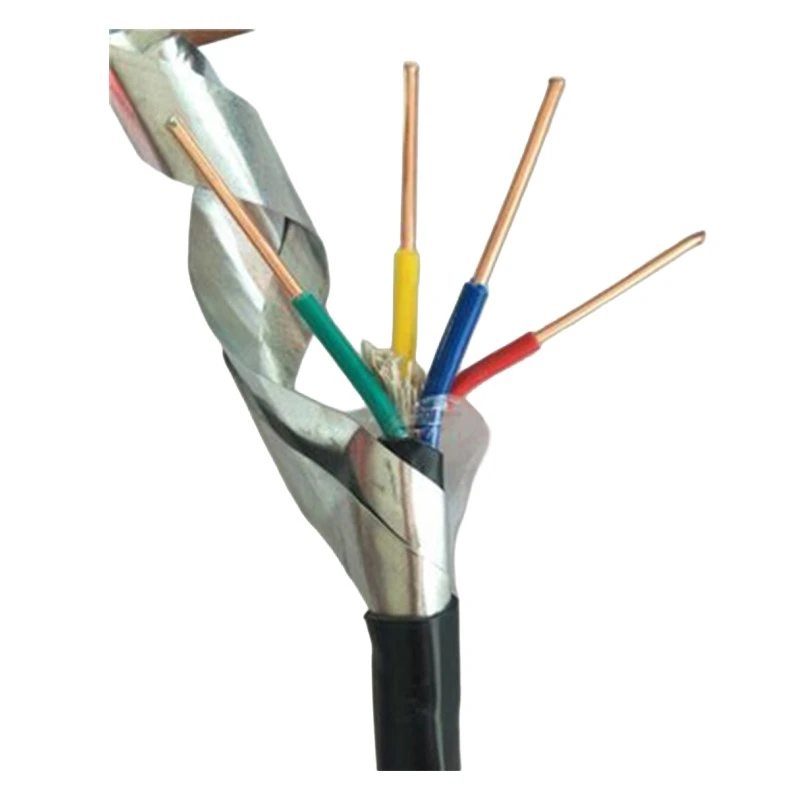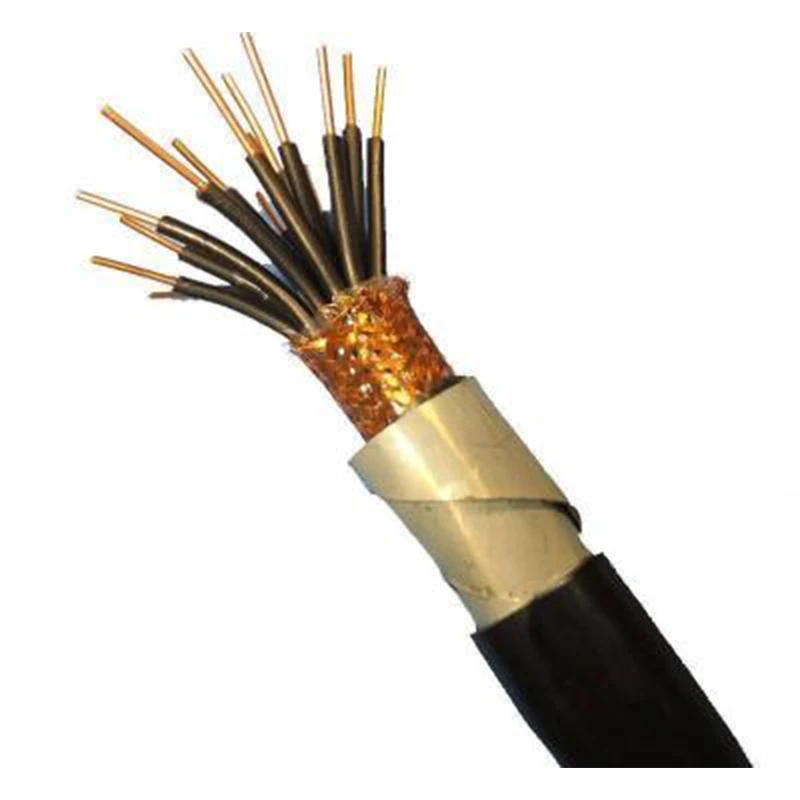

Hey there! As a specialty cables supplier, I've seen firsthand the importance of proper cable recycling. Specialty cables, like Specialty Computer Cables, High Flex Control Cable, Enhanced Fire Cable, Lszh Fire Resistant Cable, and Flame Retardant Pvc Cable, play a crucial role in various industries. But what happens when they reach the end of their lifespan? That's where recycling comes in.
Why Recycling Specialty Cables Matters
First off, let's talk about why it's so important to recycle these cables. Specialty cables often contain valuable materials like copper, aluminum, and even some precious metals. By recycling them, we can recover these materials and reuse them in the production of new cables or other products. This not only conserves natural resources but also reduces the need for mining and refining, which can be pretty harmful to the environment.
Another big reason is to reduce waste. When specialty cables are thrown away in landfills, they can take up a lot of space. Plus, some of the materials in these cables can be toxic and may leach into the soil and water over time, posing a risk to the environment and human health. Recycling helps to keep these harmful substances out of landfills and gives the cables a new life.
Understanding the Types of Specialty Cables
Before we dive into the recycling process, it's important to understand the different types of specialty cables. Each type has its own unique composition and recycling requirements.
- Specialty Computer Cables: These cables are used in computer systems and often have a complex design. They may contain a combination of copper conductors, insulation materials, and shielding. Recycling these cables requires careful separation of the different components to recover the valuable metals.
- High Flex Control Cable: Designed for applications where frequent bending and flexing are required, these cables are made with materials that can withstand mechanical stress. The recycling process for high flex control cables focuses on extracting the metals while ensuring the proper disposal of the insulation and other non - metallic components.
- Enhanced Fire Cable: These cables are engineered to resist fire and maintain circuit integrity during a fire event. They may have special fire - resistant coatings and insulation materials. When recycling enhanced fire cables, it's crucial to handle them properly to avoid releasing any toxic substances associated with the fire - resistant features.
- Lszh Fire Resistant Cable: Low Smoke Zero Halogen (LSZH) cables are designed to emit low levels of smoke and halogen gases when exposed to fire. Recycling these cables involves separating the LSZH insulation from the conductors to recover the metals without causing environmental pollution.
- Flame Retardant Pvc Cable: PVC (Polyvinyl Chloride) is a common insulation material in these cables, which is treated to be flame - retardant. Recycling flame retardant PVC cables requires special treatment to remove the PVC and recover the underlying conductors.
The Recycling Process
Now that we know the types of cables, let's look at the general steps in the recycling process.
Collection
The first step is to collect the specialty cables. This can be done in several ways. We as suppliers often encourage our customers to return the old cables when they purchase new ones. This way, we can ensure that the cables are properly recycled instead of ending up in the trash. Some recycling companies also offer collection services, where they pick up the cables from businesses or industrial sites.
Sorting
Once the cables are collected, they need to be sorted. This is a crucial step because different types of cables have different recycling requirements. Workers will separate the cables based on their type, size, and material composition. For example, they'll group all the specialty computer cables together and do the same for the high flex control cables.
Shredding
After sorting, the cables are shredded into small pieces. Shredding helps to expose the conductors inside the cables and makes it easier to separate the metals from the insulation and other non - metallic materials. Specialized shredding equipment is used to ensure that the cables are shredded evenly.
Separation
The shredded cable pieces then go through a separation process. There are different methods for this, depending on the materials in the cables. One common method is mechanical separation, which uses magnets to separate the magnetic metals (like iron) from the non - magnetic metals (like copper and aluminum). Another method is density separation, where the shredded pieces are placed in a liquid solution, and the different materials float or sink based on their density.
Metal Recovery
Once the metals are separated from the non - metallic materials, they are further refined to obtain pure metals. This usually involves melting the metals and removing any impurities. The recovered metals can then be used in the production of new cables or other metal products.
Disposal of Non - metallic Materials
The non - metallic materials, such as insulation and sheathing, need to be disposed of properly. Some of these materials can be recycled, while others may need to be sent to a specialized waste treatment facility. For example, PVC insulation may be processed to make new PVC products, while some fire - resistant materials may need to be treated to neutralize any toxic substances before disposal.
Challenges in Recycling Specialty Cables
Recycling specialty cables isn't without its challenges. One of the main challenges is the complex composition of these cables. As I mentioned earlier, they often contain a combination of different materials, which makes the separation process more difficult. Additionally, some of the materials used in specialty cables, such as fire - resistant coatings and LSZH insulation, may require special treatment to ensure proper recycling and avoid environmental pollution.
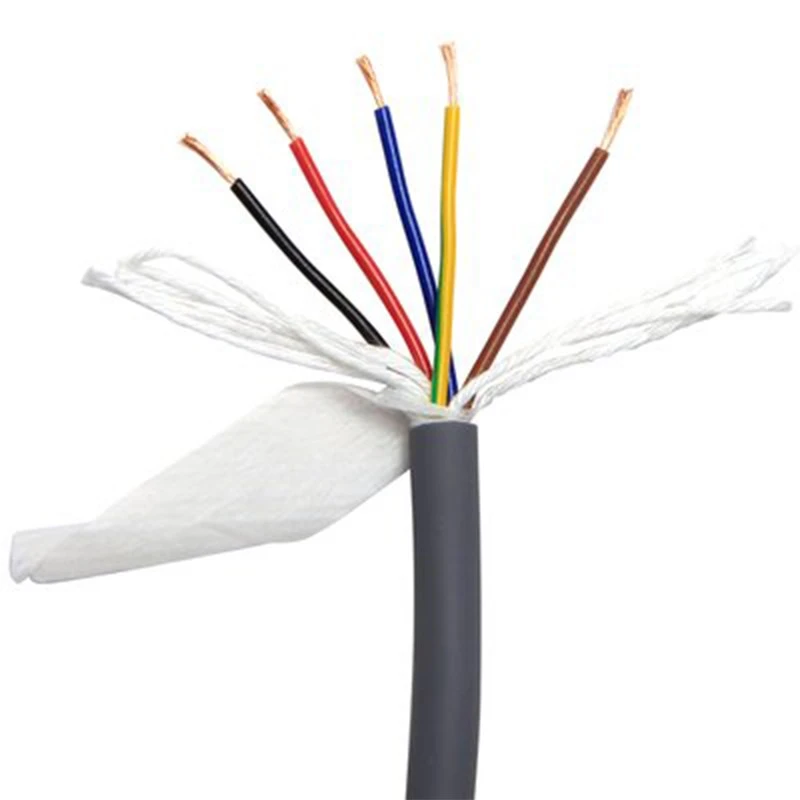

Another challenge is the lack of awareness among consumers and businesses about the importance of cable recycling. Many people simply throw away old cables without realizing that they can be recycled. As a supplier, we're trying our best to educate our customers about the benefits of recycling and encourage them to participate in our recycling programs.
Tips for Properly Recycling Specialty Cables
If you're a customer or a business dealing with specialty cables, here are some tips to help you recycle them properly:
- Keep the Cables Intact: Try to keep the cables in their original state as much as possible before recycling. Cutting or damaging the cables can make the recycling process more difficult.
- Separate Different Types of Cables: If you have multiple types of specialty cables, separate them before sending them for recycling. This will make the sorting process easier and more efficient.
- Find a Reputable Recycling Company: Look for a recycling company that has experience in recycling specialty cables. Make sure they follow proper environmental practices and can provide you with a certificate of recycling.
Contact Us for Your Specialty Cable Needs
If you're in the market for high - quality specialty cables, we're here to help. We offer a wide range of specialty cables, including Specialty Computer Cables, High Flex Control Cable, Enhanced Fire Cable, Lszh Fire Resistant Cable, and Flame Retardant Pvc Cable. Our team of experts can help you choose the right cables for your specific needs and provide you with guidance on proper cable installation and recycling.
References
- Environmental Protection Agency. "Cable Recycling Guidelines."
- International Cable Recycling Association. "Specialty Cable Recycling Best Practices."
- Journal of Sustainable Materials Management. "Recycling Technologies for Specialty Cables."