
Hey everyone! I'm a supplier of High Flex Ribbon Cable, and in today's blog, I wanna talk about how to control the radiation emission of these cables. First off, let's understand why it's so important to control radiation emission from high flex ribbon cables.
In modern electronics, electromagnetic interference (EMI) is a real headache. When high flex ribbon cables emit radiation, it can mess with other nearby electronic devices. This interference can lead to malfunctions in sensitive equipment, data errors, and even safety hazards in some critical applications like medical devices or aerospace systems.
Understanding the Sources of Radiation in High Flex Ribbon Cables
Before we can control the radiation, we need to know where it comes from. There are a few main culprits. One is the electrical current flowing through the conductors in the cable. As current moves, it creates a magnetic field, and if the current is alternating (AC), this magnetic field changes over time, which can radiate electromagnetic energy.
Another source is the high - frequency signals that these cables often carry. High - speed data transmission in modern electronics means that the cables are dealing with signals in the megahertz (MHz) or even gigahertz (GHz) range. These high - frequency signals are more prone to radiating energy into the surrounding environment.
Shielding: The First Line of Defense
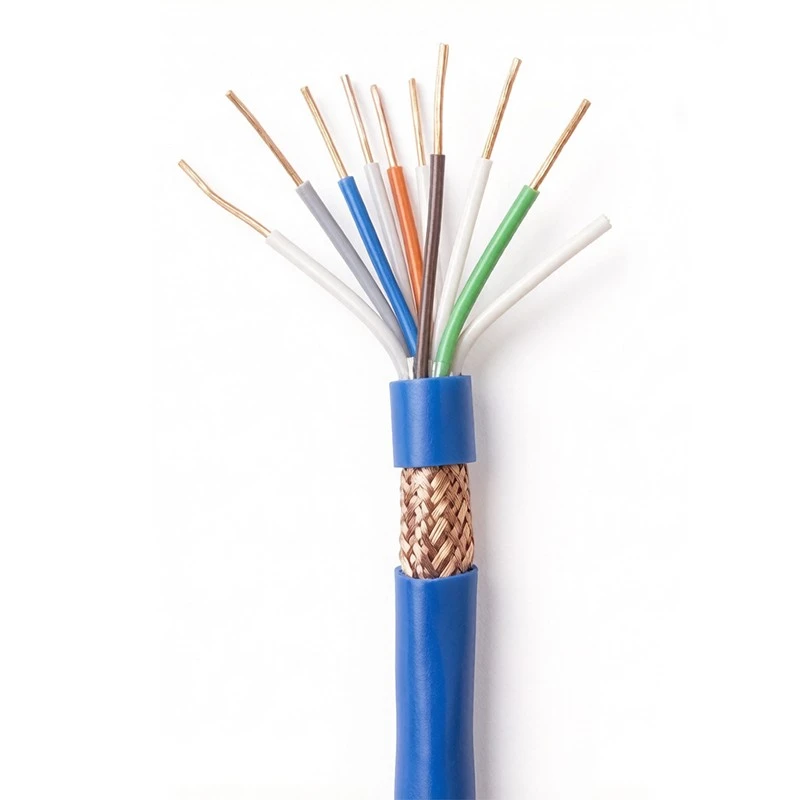
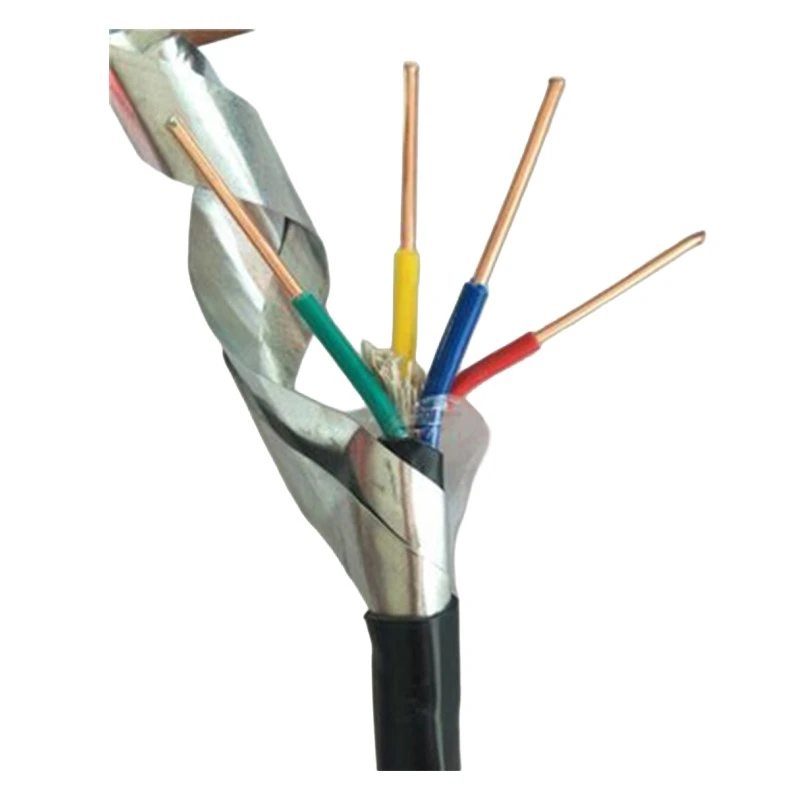
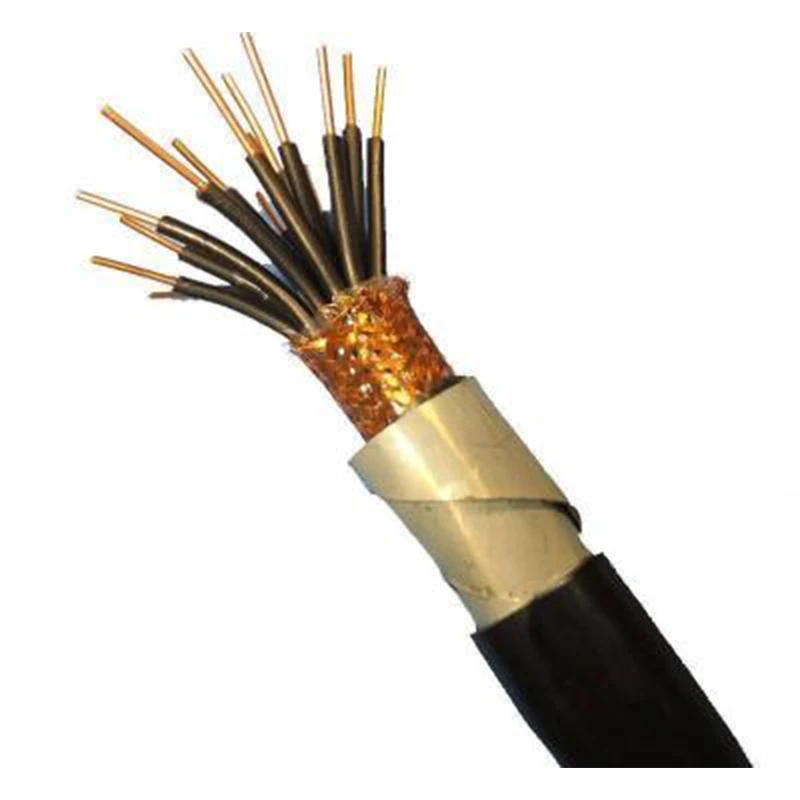
One of the most effective ways to control radiation emission is through shielding. A Shielded Flat Ribbon Cable is designed with a conductive layer around the inner conductors. This shield acts as a barrier, preventing the electromagnetic fields generated by the current and signals in the cable from escaping into the environment.
There are different types of shielding materials available. Metallic foils, like aluminum or copper foil, are commonly used. They are lightweight and can be easily applied during the cable manufacturing process. Another option is braided shields, which are made of fine metal wires woven together. Braided shields offer better flexibility compared to foil shields, which makes them ideal for high flex applications where the cable needs to bend and twist repeatedly.
Twisting the Conductors
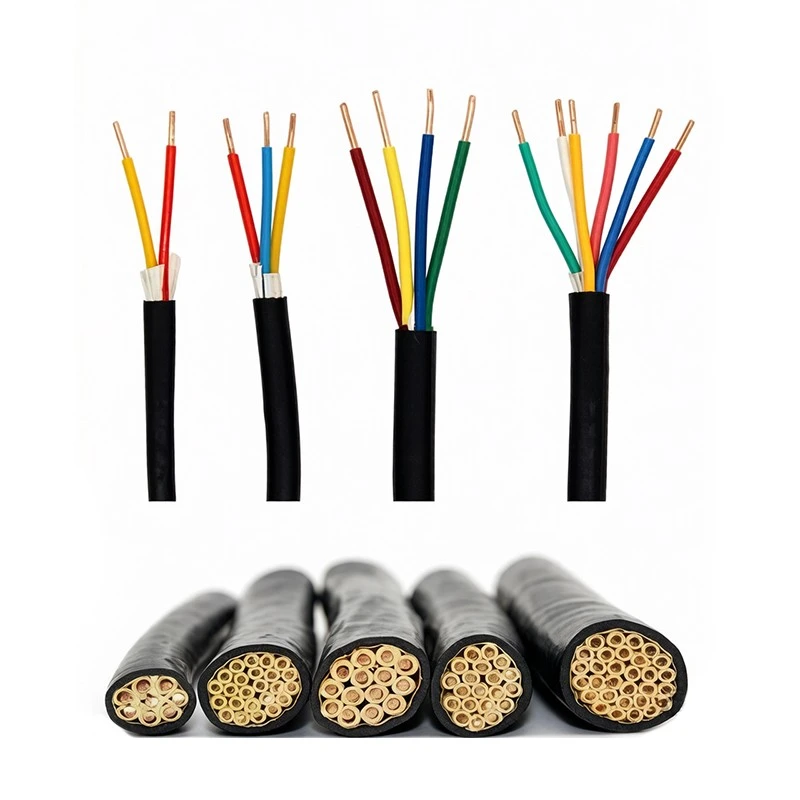
Twisting the conductors within the high flex ribbon cable can also help reduce radiation emission. When two conductors carrying equal and opposite currents are twisted together, the magnetic fields they generate tend to cancel each other out to some extent. This is especially effective for differential signal transmission, where two wires are used to carry a signal and its inverse.
The number of twists per unit length, known as the twist pitch, plays an important role. A smaller twist pitch generally results in better cancellation of the magnetic fields and lower radiation. However, making the cables with a very small twist pitch can be challenging and may increase the cost of production.
Using Low - Radiation Materials
The choice of materials for the insulation and conductors in the high flex ribbon cable can also impact radiation emission. Some insulation materials have better dielectric properties, which can help contain the electromagnetic fields within the cable. For example, materials with a low dielectric constant can reduce the capacitance between the conductors, which in turn can reduce the radiation.
When it comes to conductors, using materials with low electrical resistance is crucial. Low - resistance conductors generate less heat and electrical noise, which can contribute to radiation. Copper is a popular choice for conductors in high flex ribbon cables due to its high conductivity.
Cable Termination and Grounding
Proper cable termination and grounding are often overlooked but are essential for controlling radiation emission. When the cable is terminated, the shield needs to be connected to the appropriate ground point. A good ground connection provides a low - impedance path for the electromagnetic energy to flow to the ground, preventing it from radiating into the environment.
In addition, the way the individual conductors are terminated can also affect radiation. Making sure that the terminations are tight and free of loose connections can reduce the chances of electromagnetic leakage.
Designing for High - Frequency Performance
As high flex ribbon cables are often used in high - speed data transmission applications, designing the cable for high - frequency performance is vital. This involves optimizing the cable's impedance, which helps in minimizing signal reflections and reducing radiation.
The impedance of a cable is determined by its physical dimensions, such as the diameter of the conductors and the spacing between them, as well as the dielectric constant of the insulation material. By carefully controlling these parameters during the cable design process, we can ensure that the cable has a consistent impedance over its length, which is essential for high - frequency performance and reduced radiation.
Testing and Validation
Finally, no matter how well we design and manufacture the high flex ribbon cables, it's important to test and validate their radiation emission levels. There are various testing methods available, such as using an anechoic chamber to measure the electromagnetic radiation in a controlled environment.
By regularly testing the cables, we can ensure that they meet the required electromagnetic compatibility (EMC) standards. This not only helps in controlling the radiation emission but also gives our customers the confidence that the cables they are using are reliable and won't cause interference in their electronic systems.
The Role of Different Types of Ribbon Cables in Controlling Radiation
When it comes to radiation control, different types of ribbon cables have their own unique features. For example, High Temperature Ribbon Cable often uses materials that can withstand high temperatures without losing their electrical or insulating properties. This can be beneficial in terms of radiation control, as high - temperature operation can sometimes lead to increased electrical noise and radiation.
Ribbon Power Cable and Flat Ribbon Power Cable are designed to carry power, which means they deal with relatively high currents. Controlling the radiation from these cables is crucial, as power - related radiation can have a significant impact on nearby electronic devices. By applying the same principles of shielding, conductor twisting, and proper grounding, we can effectively reduce the radiation emission from these power - carrying ribbon cables.
Conclusion
Controlling the radiation emission of high flex ribbon cables is a multi - faceted challenge. It involves everything from the choice of materials and cable design to proper installation and testing. As a supplier, we're constantly working on improving our manufacturing processes and technologies to ensure that our cables meet the highest standards of electromagnetic compatibility.
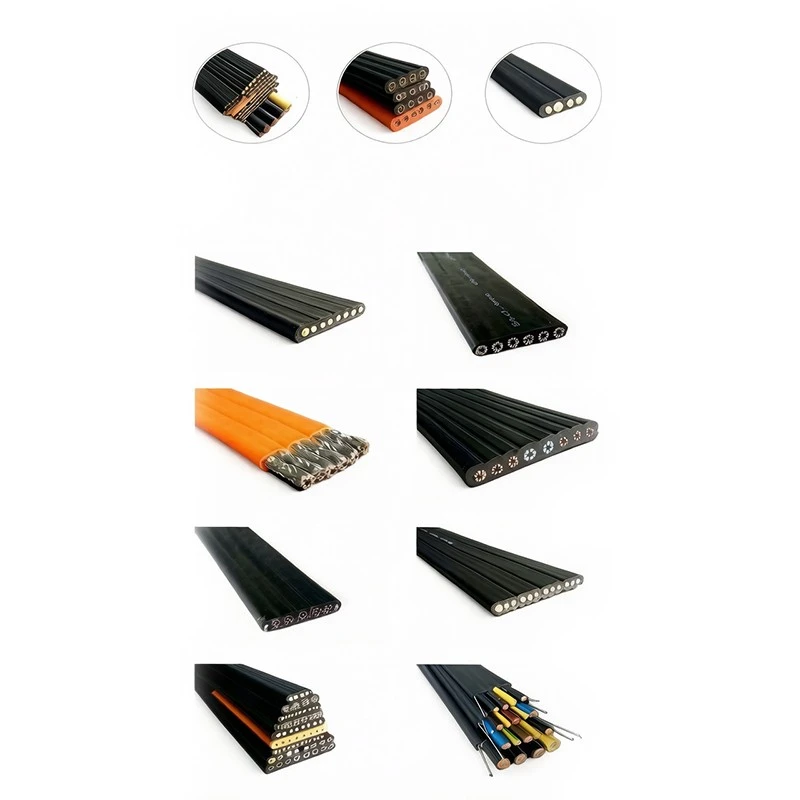
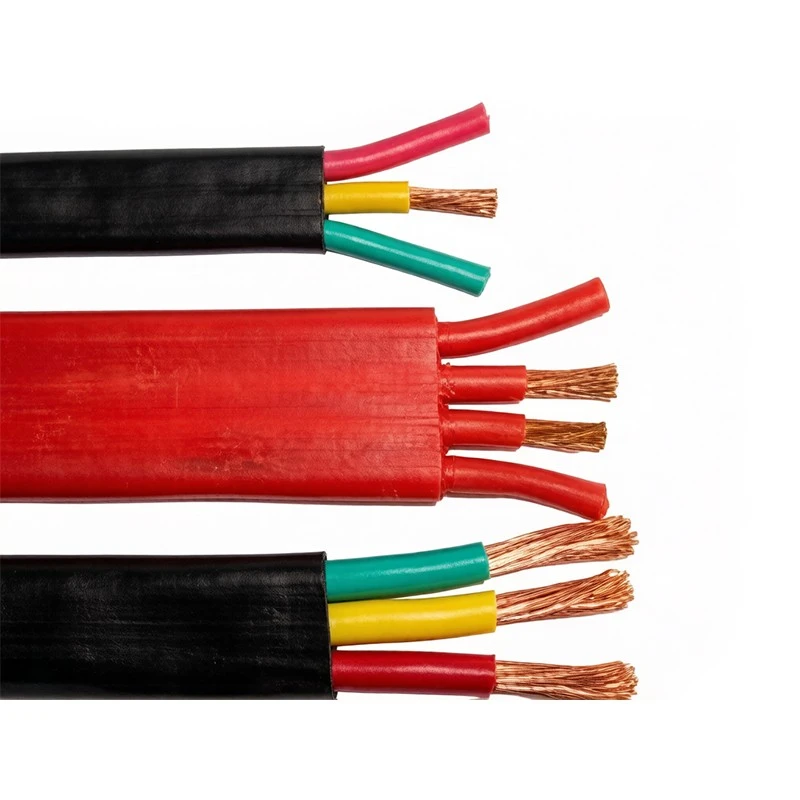
If you're in the market for high flex ribbon cables or any of the other types of ribbon cables I've mentioned, and you're concerned about radiation emission, don't hesitate to reach out. We can work together to find the best solution for your specific application. Whether it's a high - speed data transmission system or a power - hungry electronic device, we've got the expertise to provide you with cables that not only perform well but also keep radiation under control.
Let's have a chat about your requirements, and we'll see how we can help you get the most out of your electronic systems.
References
- Electromagnetic Compatibility Engineering by Henry W. Ott
- Handbook of Electronic Packaging Design by Clyde E. Coombs, Jr.