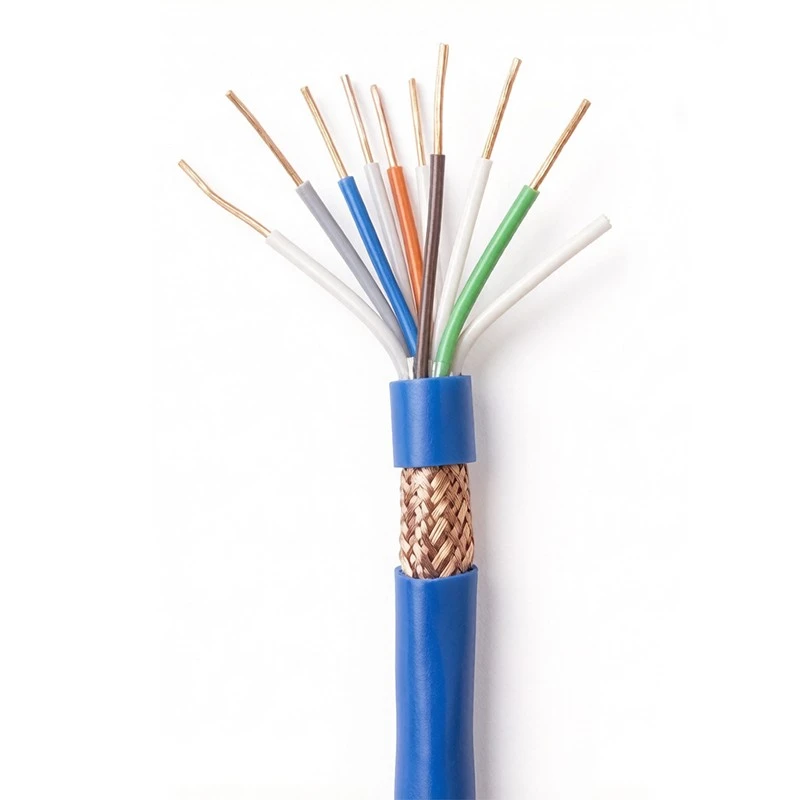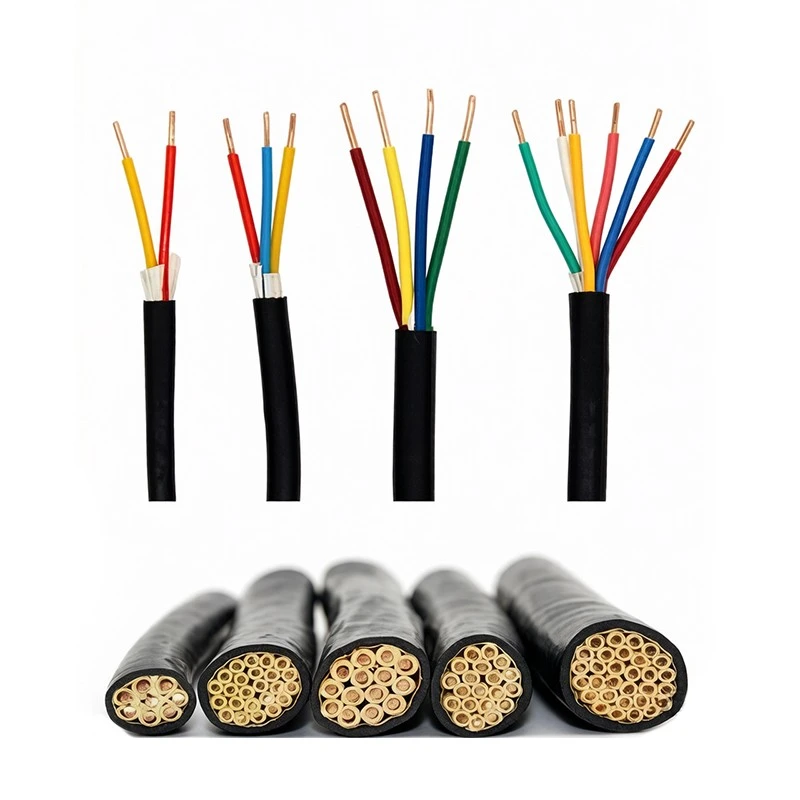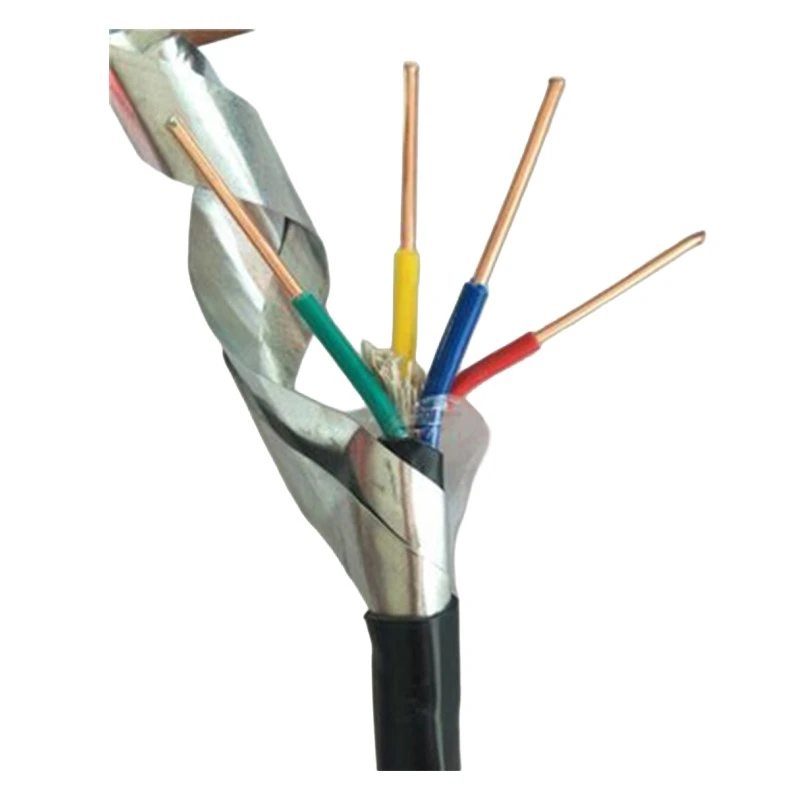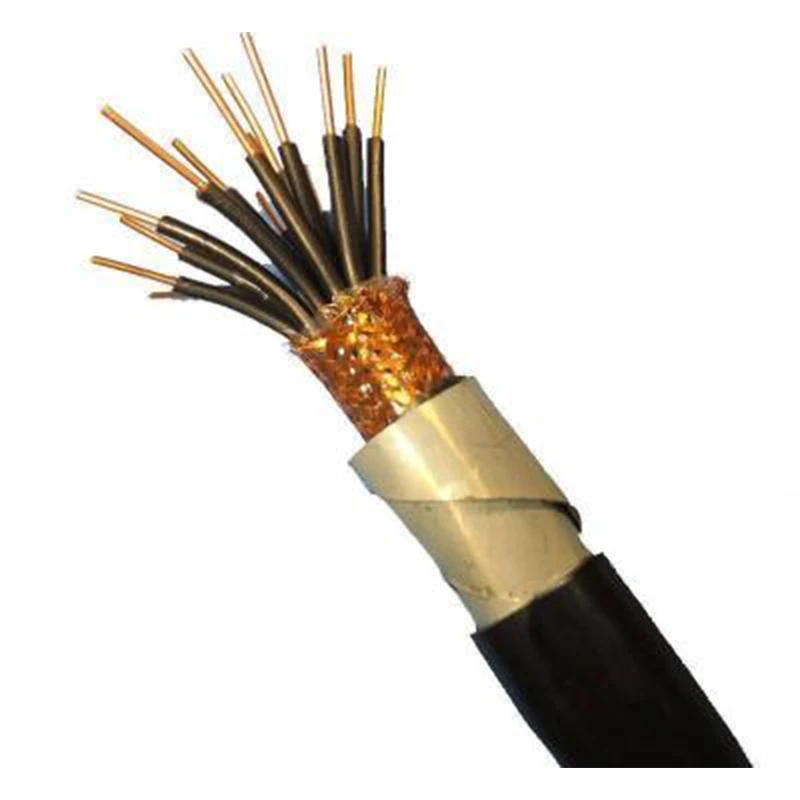


Fire safety is a critical concern in any industrial, commercial, or residential setting. Electrical systems are often a significant source of fire hazards, and this is where fire-resistant control cables play a vital role. As a leading supplier of Fire Resistant Control Cable, I have witnessed firsthand how these cables contribute to enhancing fire safety. In this blog post, I will delve into the various ways in which fire-resistant control cables contribute to fire safety and why they are an essential component of any electrical system.
Understanding Fire-Resistant Control Cables
Before we explore how fire-resistant control cables contribute to fire safety, it is important to understand what they are. Fire-resistant control cables are designed to maintain circuit integrity in the event of a fire. They are constructed using special materials that can withstand high temperatures and prevent the spread of fire, ensuring that critical control systems continue to function even in extreme conditions.
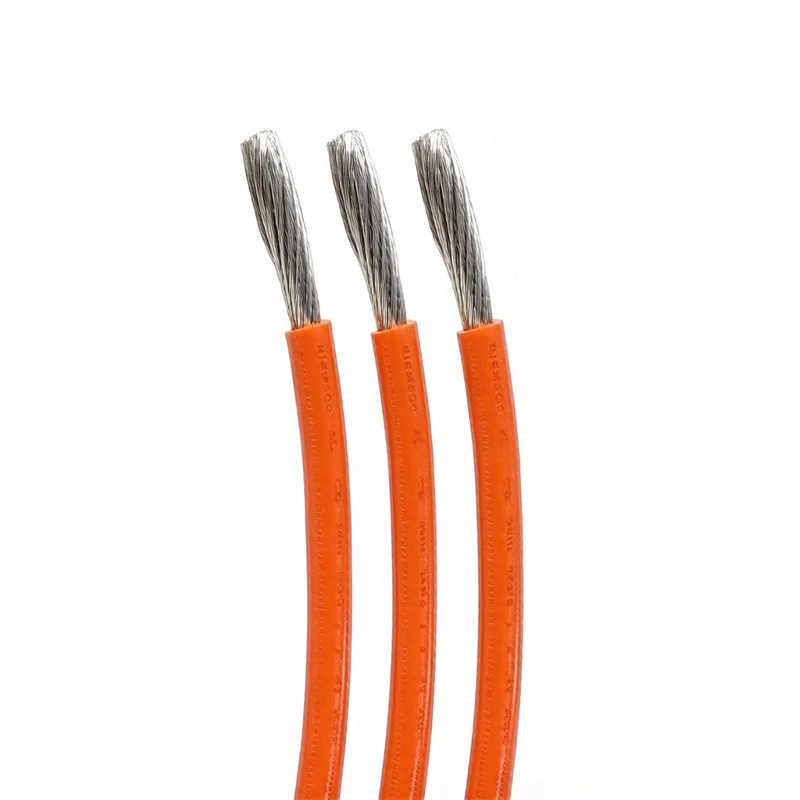
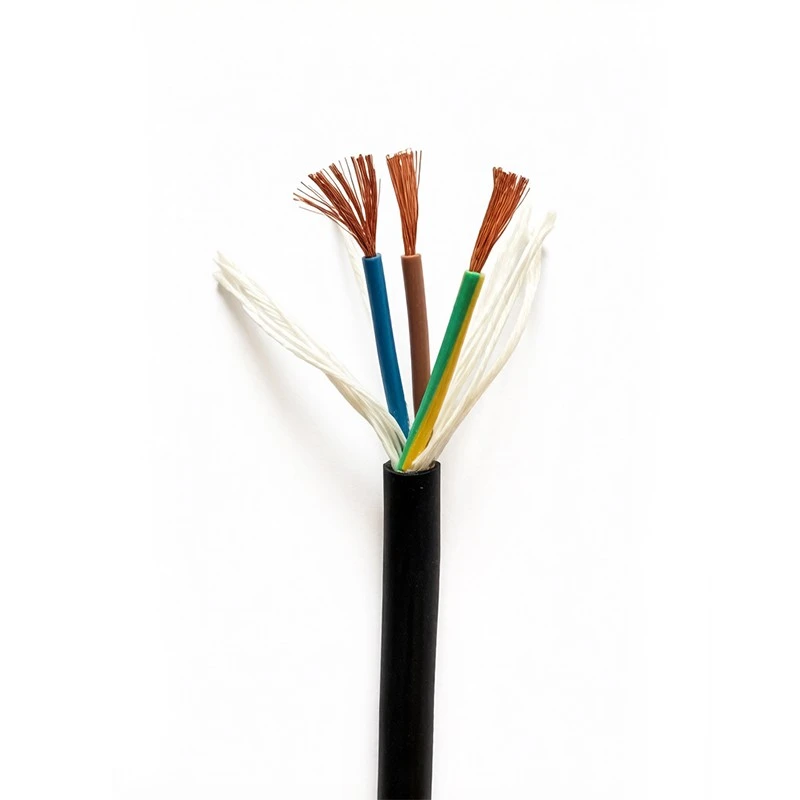
The key feature of fire-resistant control cables is their ability to resist the propagation of fire. This is achieved through the use of fire-resistant insulation materials and sheaths that can prevent the cable from igniting and limit the spread of flames. Additionally, these cables are designed to maintain electrical conductivity for a specified period during a fire, allowing essential control systems to operate and emergency measures to be taken.
Preventing Fire Spread
One of the primary ways in which fire-resistant control cables contribute to fire safety is by preventing the spread of fire through the electrical wiring system. In a fire, ordinary cables can act as a fuel source, allowing the fire to spread rapidly throughout a building. However, fire-resistant control cables are designed to have a low flammability rating, which means they are less likely to ignite and spread the fire.
The insulation and sheath materials used in fire-resistant control cables are typically made of flame-retardant substances, such as halogen-free materials or mica tapes. These materials have inherent fire-resistant properties that can prevent the cable from burning and limit the release of toxic gases and smoke. By using fire-resistant control cables, the risk of fire spreading through the electrical wiring system is significantly reduced, giving occupants more time to evacuate the building safely.
Maintaining Circuit Integrity
In a fire emergency, it is crucial that critical control systems, such as fire alarms, sprinkler systems, and emergency lighting, continue to function. Fire-resistant control cables are designed to maintain circuit integrity during a fire, ensuring that these essential systems remain operational.
The ability of fire-resistant control cables to maintain circuit integrity is achieved through their construction and the use of high-quality materials. The insulation and conductors of these cables are designed to withstand high temperatures without losing their electrical properties. This means that even in the presence of a fire, the cables can continue to carry electrical signals and power, allowing the control systems to function as intended.
For example, in a large commercial building, fire-resistant control cables are used to connect the fire alarm system to the control panel. In the event of a fire, these cables ensure that the alarm signals are transmitted accurately, allowing the building occupants to be alerted and evacuated in a timely manner. Similarly, fire-resistant control cables are used in sprinkler systems to control the flow of water and ensure that the system operates effectively to suppress the fire.
Reducing Toxic Gas and Smoke Emission
Another important contribution of fire-resistant control cables to fire safety is the reduction of toxic gas and smoke emission. In a fire, ordinary cables can release large amounts of toxic gases and smoke, which can be harmful to human health and make it difficult for occupants to evacuate the building.
Fire-resistant control cables are typically made of halogen-free materials, which do not release toxic halogen gases when burned. Halogen gases, such as chlorine and bromine, can be extremely toxic and can cause respiratory problems, eye irritation, and even death. By using halogen-free fire-resistant control cables, the risk of exposure to these harmful gases is significantly reduced, making the environment safer for occupants during a fire.
In addition to reducing toxic gas emission, fire-resistant control cables also produce less smoke compared to ordinary cables. Smoke can obscure visibility and make it difficult for occupants to find their way out of a burning building. By using fire-resistant control cables that produce less smoke, the visibility in a fire situation is improved, allowing occupants to evacuate more safely.
Complying with Fire Safety Standards
Fire-resistant control cables are designed and manufactured to meet strict fire safety standards. These standards are established by regulatory bodies and industry organizations to ensure the safety of electrical systems in buildings.
When you choose fire-resistant control cables from a reputable supplier, you can be confident that the cables meet or exceed the relevant fire safety standards. This compliance not only ensures the safety of your electrical system but also helps you to meet the legal requirements for fire safety in your building.
For example, in many countries, building codes require the use of fire-resistant cables in certain applications, such as fire alarm systems and emergency lighting. By using fire-resistant control cables that comply with these standards, you can ensure that your building is in full compliance with the law and provide a safe environment for occupants.
Other High-Temperature Cables in Fire Safety
In addition to fire-resistant control cables, our company also offers a range of other high-temperature cables that can contribute to fire safety. These include High Temperature Silicone Cable, High Temp Ribbon Cable, High Temperature Flexible Cable, and High Temperature Resistant Cable.
High-temperature silicone cables are known for their excellent heat resistance and flexibility. They are often used in applications where high temperatures are present, such as in industrial ovens and furnaces. These cables can withstand temperatures up to several hundred degrees Celsius, making them ideal for use in fire-prone environments.
High-temp ribbon cables are flat cables that are designed to provide a compact and flexible solution for high-temperature applications. They are commonly used in electronic devices and equipment that require reliable signal transmission in high-temperature environments.
High-temperature flexible cables are designed to be flexible and easy to install, even in tight spaces. They are often used in applications where the cable needs to be bent or flexed repeatedly, such as in robotic arms and moving machinery. These cables can withstand high temperatures and provide reliable performance in challenging environments.
High-temperature resistant cables are designed to resist the effects of high temperatures, such as oxidation and melting. They are commonly used in industrial applications where extreme heat is present, such as in power plants and refineries. These cables can provide long-term reliability and performance in high-temperature environments.
Conclusion
Fire-resistant control cables are an essential component of any electrical system when it comes to fire safety. They play a crucial role in preventing the spread of fire, maintaining circuit integrity, reducing toxic gas and smoke emission, and complying with fire safety standards. By choosing high-quality fire-resistant control cables from a reputable supplier, you can ensure the safety of your electrical system and provide a safe environment for occupants.
In addition to fire-resistant control cables, our company offers a range of other high-temperature cables that can further enhance fire safety in your applications. Whether you need high-temperature silicone cables, high-temp ribbon cables, high-temperature flexible cables, or high-temperature resistant cables, we have the solutions to meet your needs.
If you are interested in learning more about our fire-resistant control cables or other high-temperature cables, or if you have a specific project in mind and would like to discuss your requirements, please feel free to contact us. Our team of experts is ready to assist you in finding the right cables for your application and ensuring the highest level of fire safety.
References
- National Fire Protection Association (NFPA). NFPA 70: National Electrical Code.
- International Electrotechnical Commission (IEC). IEC 60331: Circuit integrity cables for use in fire conditions.
- Underwriters Laboratories (UL). UL 2196: Fire-Resistant Cables for Use in Safety Circuits.