

Hey there! As a supplier of Screened Control Cables, I get a lot of questions about how these cables work. So, I thought I'd take a few minutes to break it down for you in a way that's easy to understand.
What is a Screened Control Cable?
First things first, let's talk about what a screened control cable actually is. A screened control cable is a type of cable that's designed to transmit control signals in electrical systems. It's used in a wide range of applications, from industrial automation and machinery to building management systems.
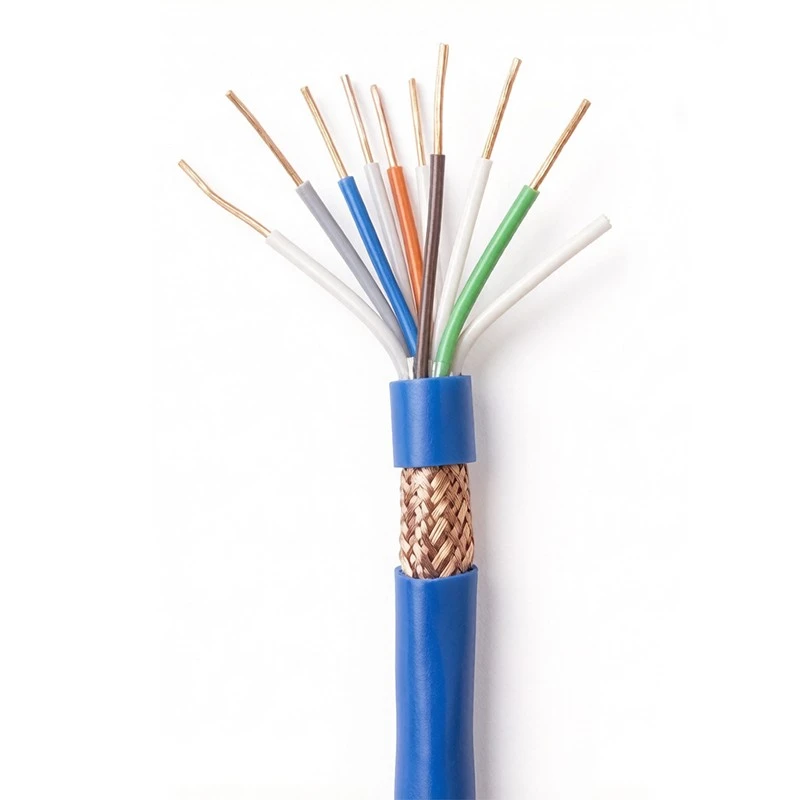
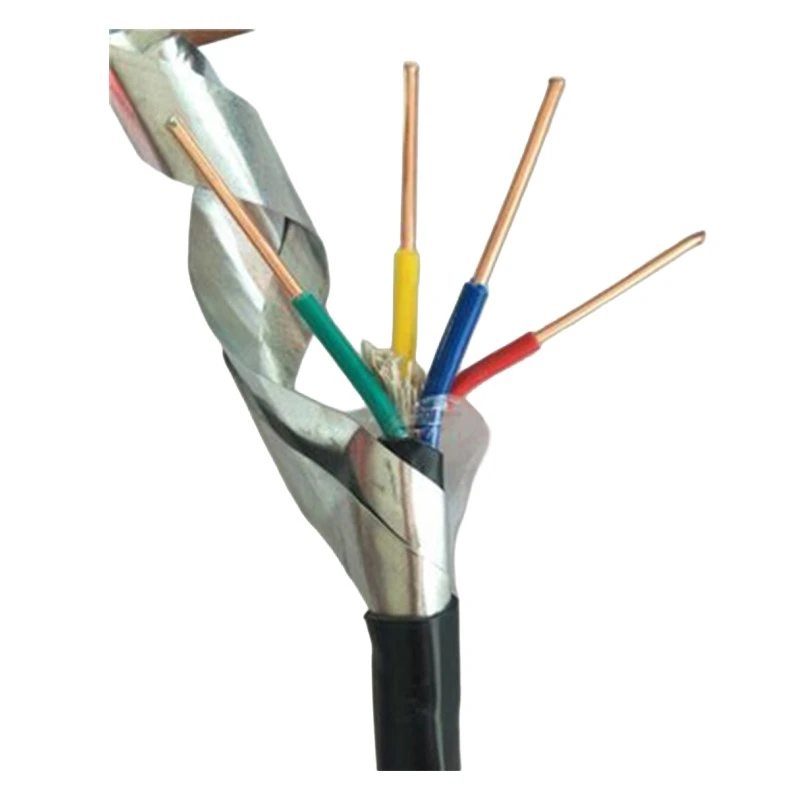
The "screened" part of the name refers to the cable's shielding. The shielding is a layer of conductive material that surrounds the inner conductors of the cable. This shielding serves a very important purpose: it helps to protect the signals being transmitted through the cable from interference.
How Does the Shielding Work?
Interference can come from a variety of sources, such as electromagnetic fields (EMFs) generated by nearby electrical equipment or radio frequency interference (RFI) from wireless devices. When an unshielded cable is exposed to these types of interference, the signals being transmitted through the cable can become distorted or corrupted.
The shielding on a screened control cable acts as a barrier between the inner conductors and the external interference. It works by creating a Faraday cage around the conductors. A Faraday cage is an enclosure made of conductive material that blocks electromagnetic fields. When an external EMF or RFI hits the shielding, the shielding absorbs the energy and diverts it to the ground. This prevents the interference from reaching the inner conductors and causing problems with the signal.
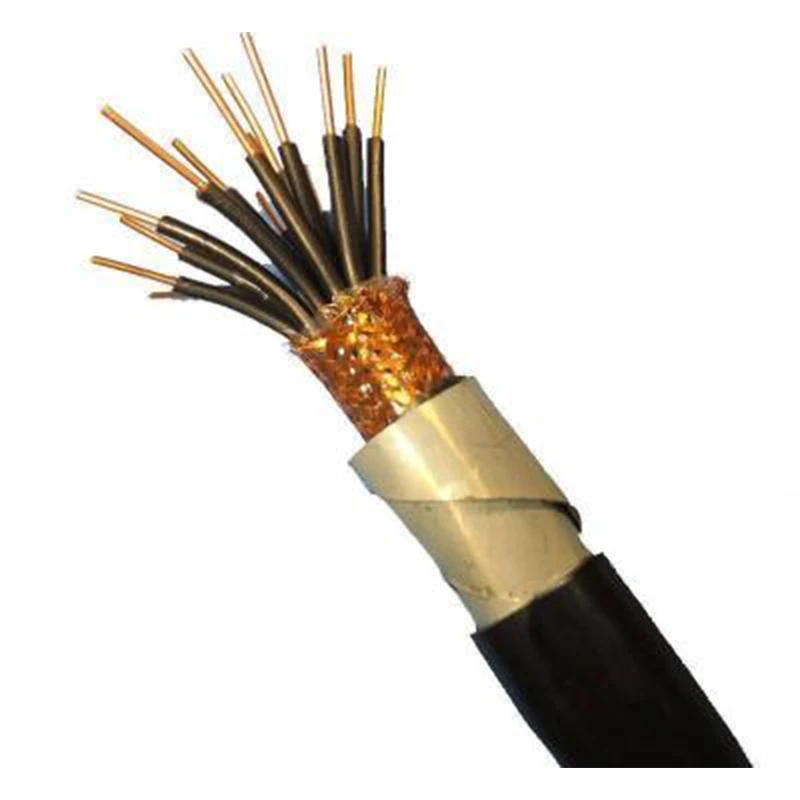
There are different types of shielding materials used in screened control cables, including aluminum foil, copper braid, and a combination of both. Each type of shielding has its own advantages and disadvantages, and the choice of shielding material depends on the specific application and the level of protection required.
- Aluminum Foil Shielding: Aluminum foil shielding is lightweight and relatively inexpensive. It provides good coverage and is effective at blocking high-frequency interference. However, it's not very durable and can be easily damaged during installation.
- Copper Braid Shielding: Copper braid shielding is more durable than aluminum foil shielding and provides better protection against low-frequency interference. It's also more flexible, which makes it easier to install in tight spaces. However, it's more expensive and heavier than aluminum foil shielding.
- Combination Shielding: Some screened control cables use a combination of aluminum foil and copper braid shielding. This provides the best of both worlds: the aluminum foil provides good high-frequency protection, while the copper braid provides good low-frequency protection and durability.
How Do Screened Control Cables Transmit Signals?
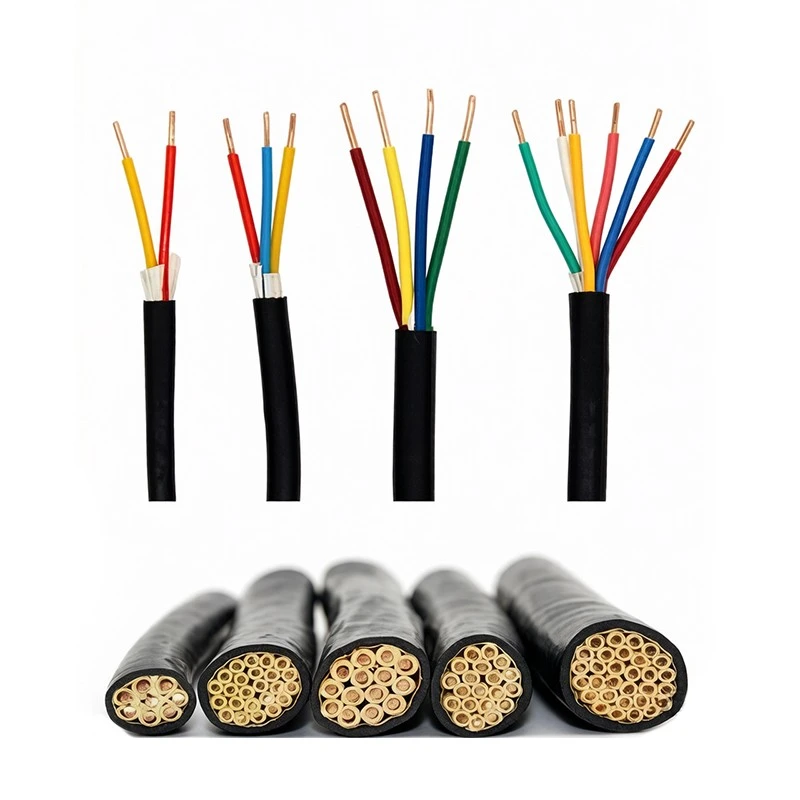
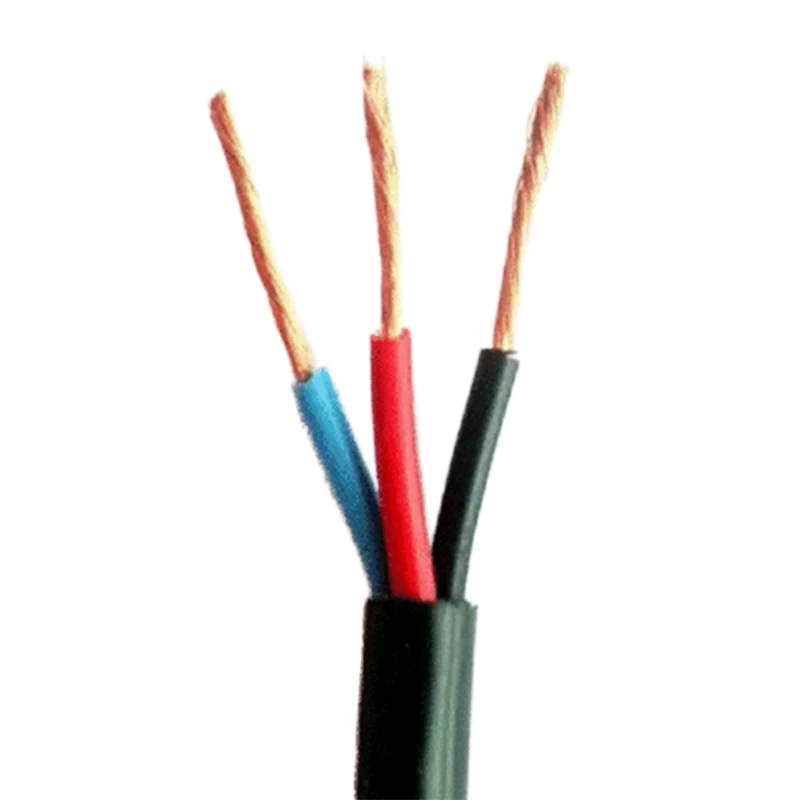
Now that we've talked about the shielding, let's talk about how screened control cables actually transmit signals. Inside the cable, there are usually multiple conductors, each of which is insulated from the others. These conductors are typically made of copper, which is a good conductor of electricity.
The signals are transmitted through the conductors in the form of electrical currents. The current flowing through the conductors creates a magnetic field around the conductors. This magnetic field is what allows the signals to be transmitted from one end of the cable to the other.
The insulation around the conductors is important because it helps to prevent the current from leaking out and causing short circuits. It also helps to reduce the amount of interference between the conductors.
In addition to the conductors and the shielding, screened control cables also have an outer jacket. The outer jacket is made of a durable material, such as PVC or polyethylene, and it helps to protect the cable from physical damage, moisture, and environmental factors.
Different Types of Screened Control Cables
There are several different types of screened control cables available on the market, each with its own unique features and applications. Here are a few examples:
- Universal Control Cable: As the name suggests, universal control cables are designed to be used in a wide range of applications. They're suitable for both indoor and outdoor use and can handle a variety of control signals.
- Silco Control Cables: Silco control cables are known for their high-temperature resistance and flexibility. They're often used in applications where the cable needs to be bent or flexed frequently, such as in machinery and robotics.
- Electrical Control Cable: Electrical control cables are specifically designed for use in electrical control systems. They're used to transmit control signals between different components of the system, such as switches, relays, and sensors.
- Copper Control Cable: Copper control cables are made from high-quality copper conductors, which provides excellent electrical conductivity. They're often used in applications where high-speed data transmission is required, such as in data centers and telecommunications systems.
- Flexible Instrument Cable: Flexible instrument cables are designed to be used in instrumentation and control systems. They're very flexible and can be easily routed through tight spaces. They're also resistant to mechanical stress and vibration, which makes them suitable for use in industrial environments.
Why Choose Screened Control Cables?
So, why should you choose screened control cables for your applications? Here are a few reasons:
- Interference Protection: As we mentioned earlier, the shielding on screened control cables helps to protect the signals being transmitted through the cable from interference. This ensures that the signals are transmitted accurately and reliably, which is essential for the proper functioning of electrical systems.
- Durability: Screened control cables are designed to be durable and resistant to physical damage, moisture, and environmental factors. This means that they can withstand the harsh conditions of industrial and commercial environments and provide long-lasting performance.
- Flexibility: Many screened control cables are flexible, which makes them easy to install in tight spaces and around corners. This can save time and money during the installation process.
- Versatility: There are many different types of screened control cables available, each with its own unique features and applications. This means that you can choose the cable that's best suited for your specific needs.
Contact Us for Your Screened Control Cable Needs
If you're in the market for screened control cables, we're here to help. As a leading supplier of screened control cables, we offer a wide range of products to meet your needs. Whether you're looking for a universal control cable, a silco control cable, or an electrical control cable, we've got you covered.
Our team of experts can help you choose the right cable for your application and provide you with all the information you need to make an informed decision. We also offer competitive pricing and fast delivery, so you can get your cables when you need them.
So, don't hesitate to contact us today to discuss your requirements and get a quote. We look forward to working with you!

References
- "Electrical Cables: Theory and Practice" by Andrew Wright
- "Handbook of Electrical Installation Work" by Brian Scaddan
- "Cable Installation Handbook" by Thomas A. Lipetz