

As a supplier of Ribbon Power Cables, I understand the paramount importance of safeguarding these cables from physical damage. Physical harm to Ribbon Power Cables can lead to malfunctions, power disruptions, and even pose safety risks. In this blog, I'll share some effective strategies and best practices on how to protect Ribbon Power Cables, ensuring their long - term performance and reliability.
Understanding Ribbon Power Cables
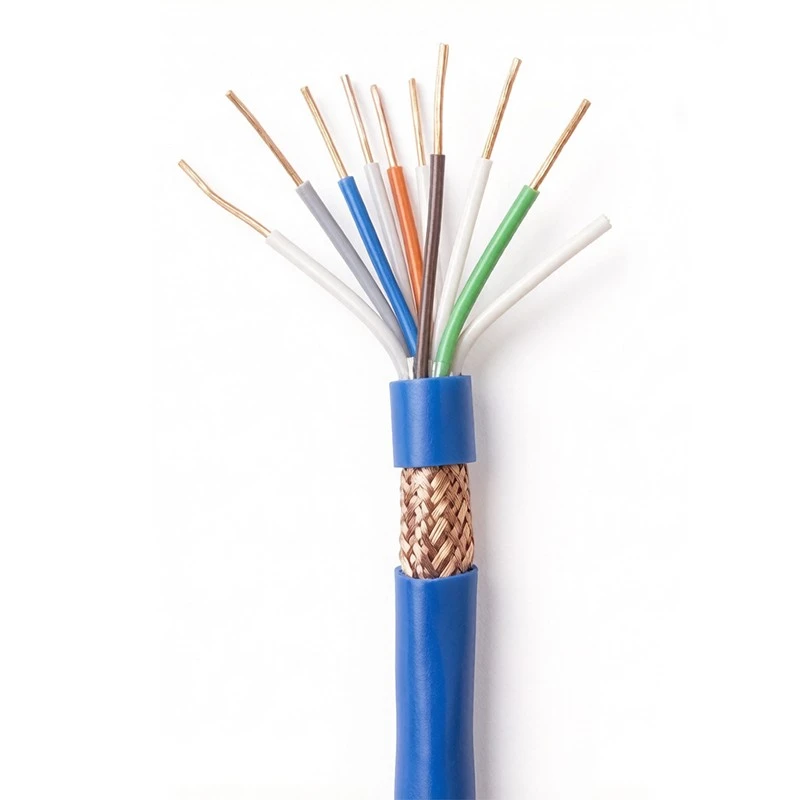
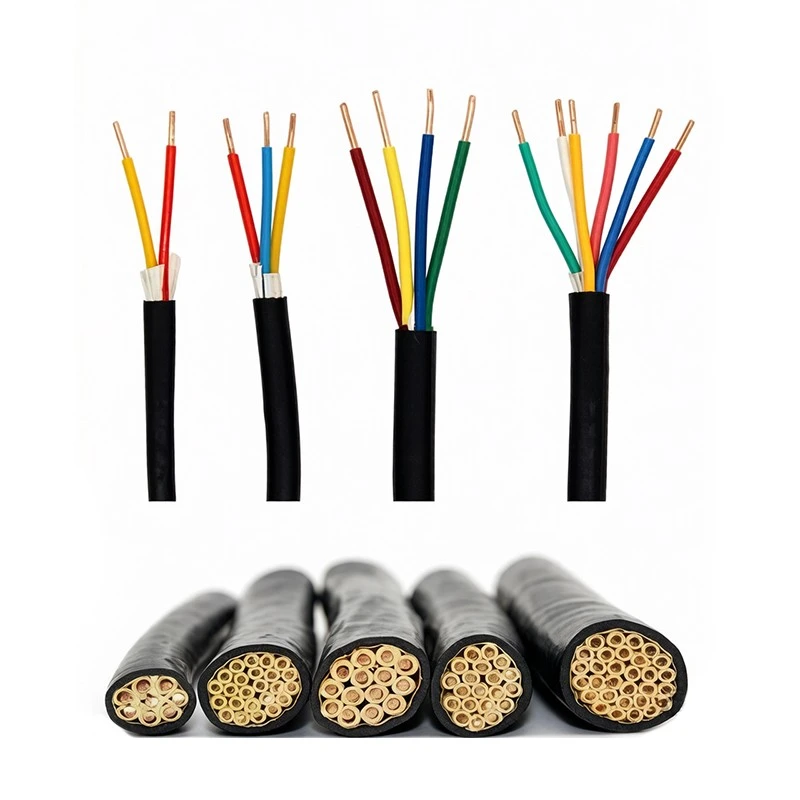
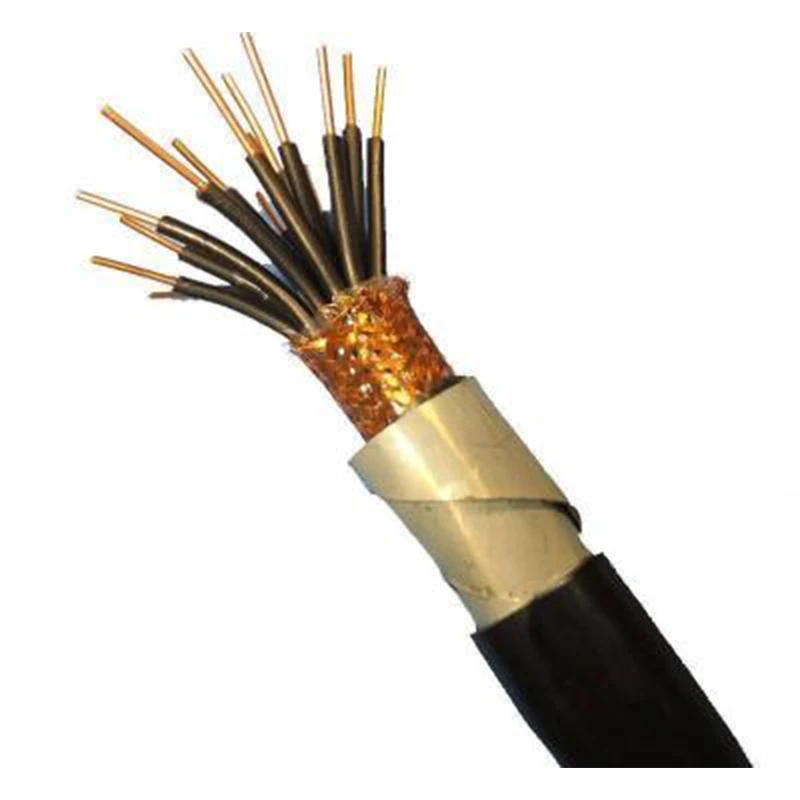
Before delving into protection methods, it's essential to understand what Ribbon Power Cables are. These cables consist of multiple insulated conductors running parallel to each other and are often encased in a flat, ribbon - like sheath. They are widely used in various applications, including consumer electronics, automotive, and industrial equipment, due to their space - saving design and high - density wiring capabilities. We offer a range of Ribbon Power Cables, such as Shielded Flat Ribbon Cable, High Flex Ribbon Cable, High Temperature Ribbon Cable, Flat Ribbon Power Cable, and Silicone Ribbon Cable, each tailored to specific industry needs.
External Protection Measures
Cable Conduits
One of the most straightforward ways to protect Ribbon Power Cables is by using cable conduits. Conduits act as a physical barrier, shielding the cables from mechanical damage, such as abrasion, impact, and crushing. They can be made from various materials, including metal, plastic, and fiberglass. Metal conduits offer high - strength protection and are suitable for industrial environments where cables may be exposed to heavy machinery or sharp objects. Plastic conduits, on the other hand, are lightweight and corrosion - resistant, making them ideal for indoor and outdoor applications with less severe physical threats.
When installing cable conduits, ensure that they are the appropriate size for the Ribbon Power Cables. The conduit should have enough space to accommodate the cable without causing it to bend or twist excessively. Additionally, seal the ends of the conduit to prevent dust, moisture, and pests from entering.
Cable Trays
Cable trays are another popular option for cable protection. They are designed to support and organize multiple cables, including Ribbon Power Cables. Cable trays can be installed on walls, ceilings, or floors, providing a safe and accessible pathway for the cables. They are available in different types, such as ladder trays, wire mesh trays, and solid - bottom trays.
Ladder trays are suitable for heavy - duty applications as they offer high load - bearing capacity. Wire mesh trays, on the other hand, provide good ventilation, which helps to dissipate heat generated by the cables. Solid - bottom trays are ideal for protecting cables from dust and debris. When using cable trays, make sure to secure the Ribbon Power Cables properly using cable ties or clips to prevent them from moving or falling.
Cable Armor
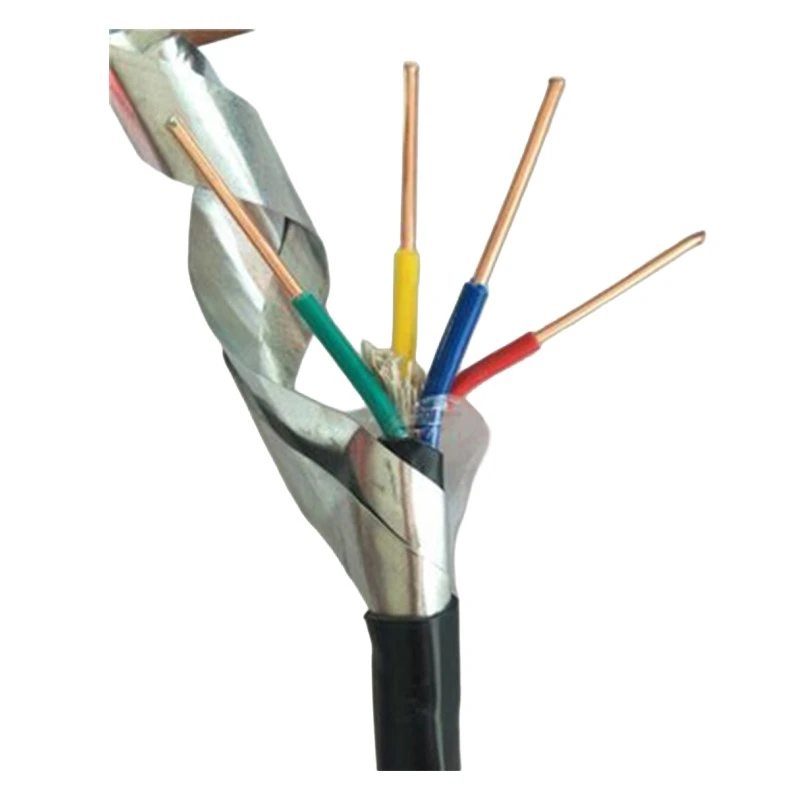
For Ribbon Power Cables that need extra protection, cable armor can be used. Cable armor consists of a layer of metal or other strong material that is wrapped around the cable. It provides excellent resistance to mechanical damage, including cutting, puncturing, and impact. There are two main types of cable armor: steel wire armor and steel tape armor.
Steel wire armor offers high flexibility and is suitable for cables that need to be bent or routed around obstacles. Steel tape armor, on the other hand, provides a more rigid and robust protection, making it ideal for cables that are exposed to high - stress environments. When choosing cable armor, consider the specific requirements of your application, such as the level of protection needed and the flexibility of the cable.
Installation Best Practices
Proper Routing
Proper routing of Ribbon Power Cables is crucial for their protection. Avoid routing the cables near sharp edges, moving parts, or areas where they may be subject to excessive stress. Instead, choose a smooth and straight path for the cables, and use cable guides or clamps to keep them in place.
When routing the cables through walls or floors, use cable sleeves or grommets to prevent the cables from being damaged by the edges of the holes. Additionally, make sure to leave enough slack in the cables to allow for movement and expansion without causing tension.
Avoiding Over - Bending
Ribbon Power Cables have a minimum bend radius, which is the smallest radius that the cable can be bent without causing damage to the conductors or the insulation. Exceeding the minimum bend radius can lead to signal loss, power leakage, and even cable failure.
When installing the cables, refer to the manufacturer's specifications for the minimum bend radius. Use cable bending tools or templates to ensure that the cables are bent within the acceptable range. If the cables need to be bent at a sharp angle, consider using a cable bend radius adapter to protect the cables.
Secure Termination
Proper termination of Ribbon Power Cables is essential for their performance and protection. Make sure to use the correct termination methods and tools, such as crimping or soldering, depending on the type of cable and the application.
When terminating the cables, ensure that the conductors are clean, straight, and properly inserted into the terminals. Use a torque wrench to tighten the terminals to the recommended torque value to prevent loose connections, which can cause overheating and electrical arcing. Additionally, protect the terminated ends of the cables with heat - shrink tubing or other insulation materials to prevent moisture and dust from entering.
Environmental Considerations
Temperature and Humidity
Extreme temperatures and high humidity can have a negative impact on the performance and lifespan of Ribbon Power Cables. High temperatures can cause the insulation material to degrade, leading to reduced electrical insulation and increased risk of short - circuits. Low temperatures can make the cables brittle and prone to cracking.
When installing the cables, consider the environmental temperature and humidity conditions. For applications in high - temperature environments, choose High Temperature Ribbon Cable, which is designed to withstand elevated temperatures. Use cable insulation materials that have good thermal stability and moisture resistance. Additionally, provide proper ventilation and cooling to maintain the temperature of the cables within the acceptable range.
Chemical Exposure
Ribbon Power Cables may be exposed to various chemicals in industrial, automotive, and other environments. Chemical exposure can cause the insulation material to dissolve, swell, or become brittle, leading to cable damage.

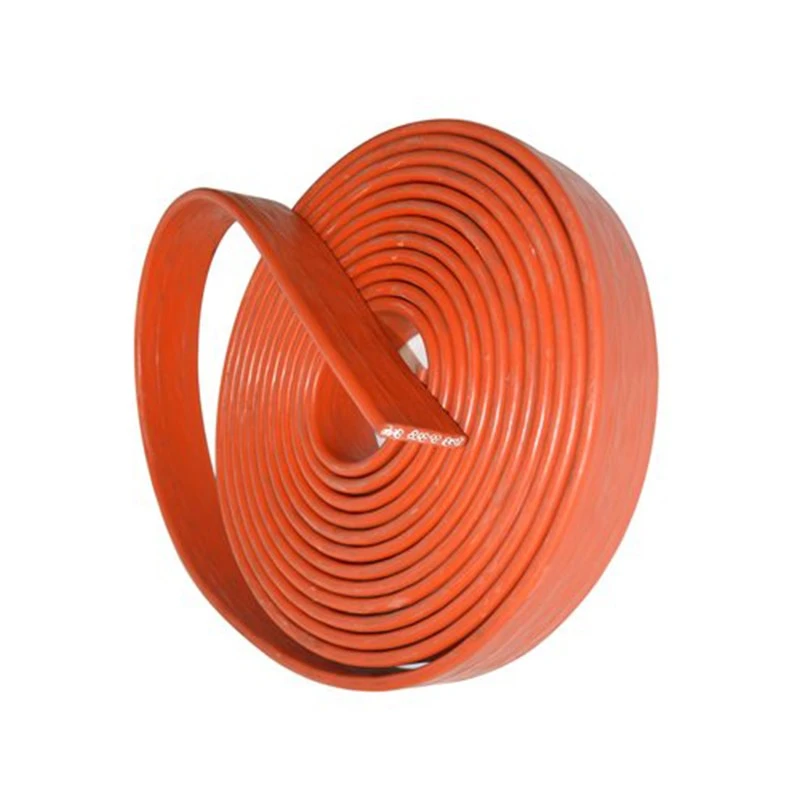
To protect the cables from chemical exposure, use cables with chemical - resistant insulation materials, such as fluoropolymers or silicones. Additionally, cover the cables with protective coatings or enclosures to prevent direct contact with the chemicals. If the cables are exposed to chemicals, clean them regularly with a compatible cleaning solution to remove any residues.
Regular Inspection and Maintenance
Regular inspection and maintenance are essential for ensuring the long - term protection of Ribbon Power Cables. Conduct visual inspections of the cables periodically to check for signs of damage, such as cuts, abrasions, or discoloration. Look for any signs of loose connections, overheating, or corrosion at the terminals.
If any damage is detected, replace the damaged section of the cable or the entire cable as soon as possible. Additionally, perform electrical tests on the cables, such as insulation resistance tests and continuity tests, to ensure that they are functioning properly.
Keep a record of the inspection and maintenance activities, including the date of inspection, the findings, and any actions taken. This will help you to track the condition of the cables over time and identify any potential problems early on.
In conclusion, protecting Ribbon Power Cables from physical damage requires a combination of external protection measures, proper installation practices, consideration of environmental factors, and regular inspection and maintenance. By following these strategies, you can ensure the reliable performance and long - term durability of your Ribbon Power Cables.
If you are in need of high - quality Ribbon Power Cables or have any questions about cable protection, we are here to help. Our team of experts can provide you with professional advice and customized solutions to meet your specific requirements. Contact us for more information and to start a procurement discussion.
References
- "Electrical Wiring Handbook", by Terrell Croft and Wilford Summers
- "Cable Installation Manual", various industry standards organizations