

Do Silco Control Cables have good chemical resistance?
As a supplier of Silco Control Cables, I often receive inquiries from customers about the performance of our products, especially their chemical resistance. In this blog post, I will delve into the topic to provide you with a clear understanding of how Silco Control Cables fare when it comes to chemical exposure.
Understanding Chemical Resistance in Cables
Before we discuss the chemical resistance of Silco Control Cables, let's first understand what chemical resistance means in the context of cables. Chemical resistance refers to a cable's ability to withstand the effects of various chemicals, including acids, bases, solvents, and oils, without significant degradation in its physical or electrical properties. A cable with good chemical resistance can maintain its performance and integrity when exposed to harsh chemical environments, which is crucial for ensuring the reliable operation of electrical systems.
Factors Affecting Chemical Resistance of Cables
Several factors can influence the chemical resistance of cables, including the type of insulation and jacketing materials used, the cable construction, and the specific chemicals to which the cable is exposed.
Insulation and Jacketing Materials
The insulation and jacketing materials play a vital role in determining a cable's chemical resistance. Different materials have different levels of resistance to various chemicals. For example, polyvinyl chloride (PVC) is a commonly used insulation and jacketing material known for its good resistance to many chemicals, including water, acids, and alkalis. On the other hand, some specialized materials, such as fluoropolymers, offer excellent chemical resistance to a wide range of aggressive chemicals, including solvents and strong acids.
Cable Construction
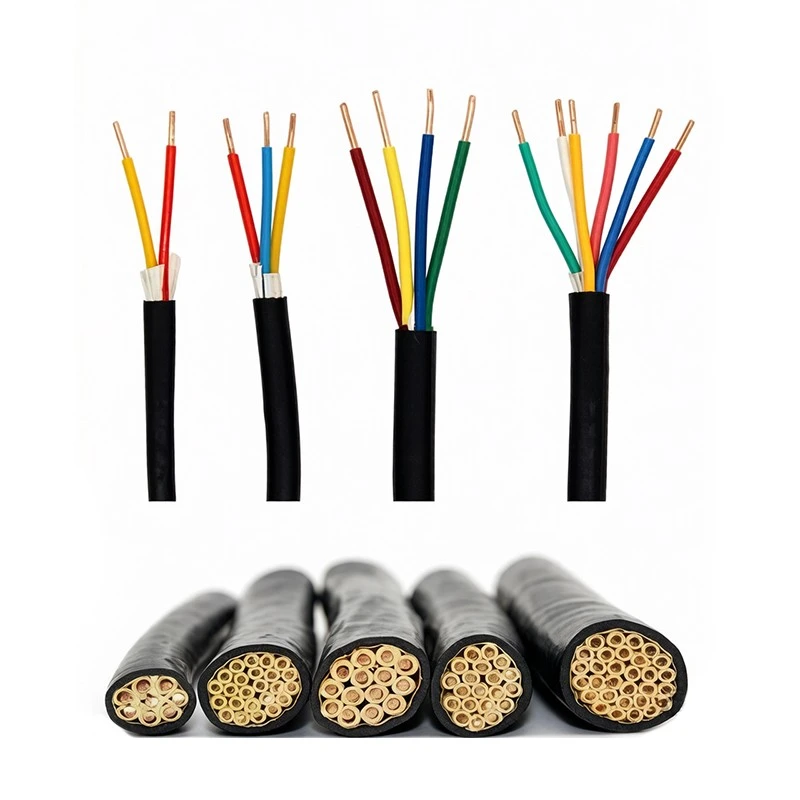
The construction of the cable can also affect its chemical resistance. For instance, a cable with a tightly packed conductor and a thick insulation layer may provide better protection against chemical penetration compared to a cable with a loose construction. Additionally, the use of multiple layers of insulation and jacketing can enhance the overall chemical resistance of the cable.
Chemical Exposure
The specific chemicals to which the cable is exposed also play a significant role in determining its chemical resistance. Some chemicals are more aggressive than others and can cause more severe damage to the cable. For example, strong acids and bases can react with the insulation and jacketing materials, leading to corrosion and degradation. Solvents can dissolve the materials, causing them to lose their mechanical and electrical properties.
Chemical Resistance of Silco Control Cables
Silco Control Cables are designed and manufactured to meet the highest standards of quality and performance. Our cables are engineered to provide excellent chemical resistance, making them suitable for use in a wide range of industrial applications where exposure to chemicals is common.
High - Quality Materials
We use high - quality insulation and jacketing materials in our Silco Control Cables. Depending on the application requirements, we may select materials such as PVC, cross - linked polyethylene (XLPE), or fluoropolymers. PVC is a popular choice for many applications due to its good chemical resistance, flexibility, and cost - effectiveness. It offers resistance to water, many acids, and alkalis. XLPE provides better electrical insulation properties and improved resistance to heat and chemicals compared to traditional polyethylene. Fluoropolymers, on the other hand, offer exceptional chemical resistance to a wide range of aggressive chemicals, including solvents, strong acids, and bases.
Robust Construction
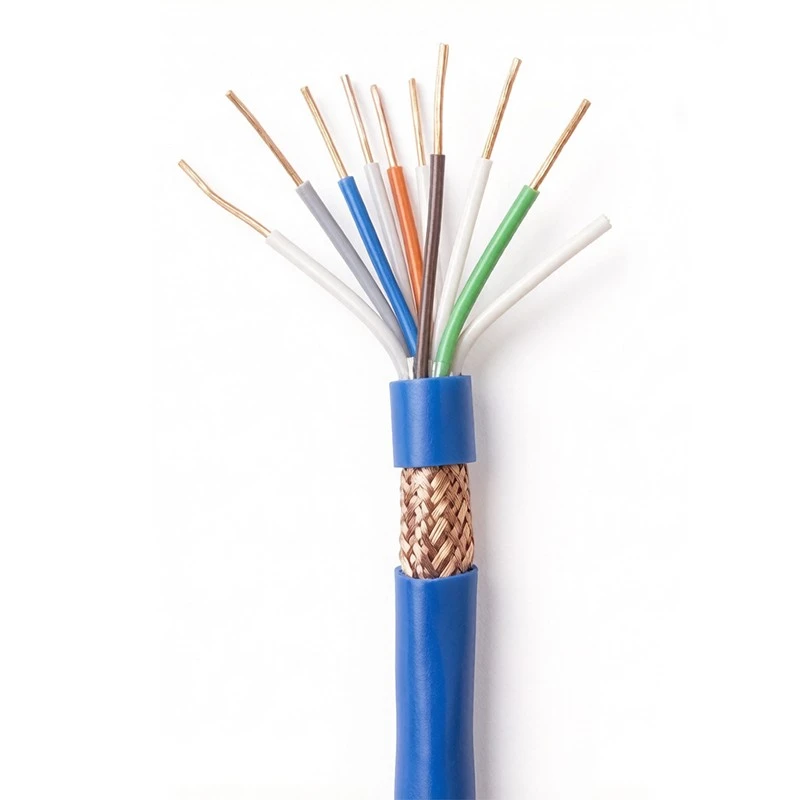
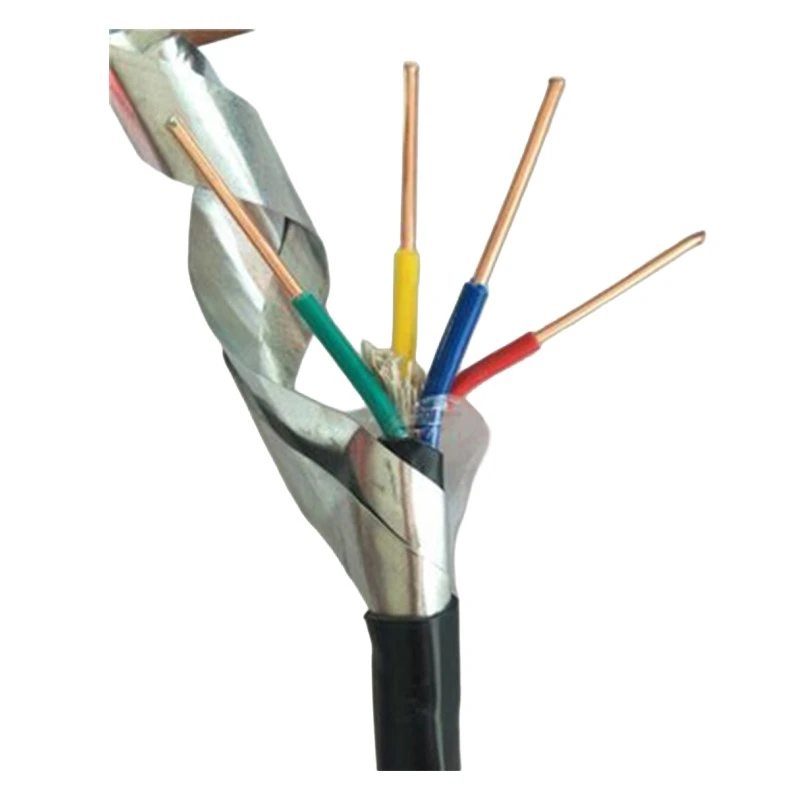
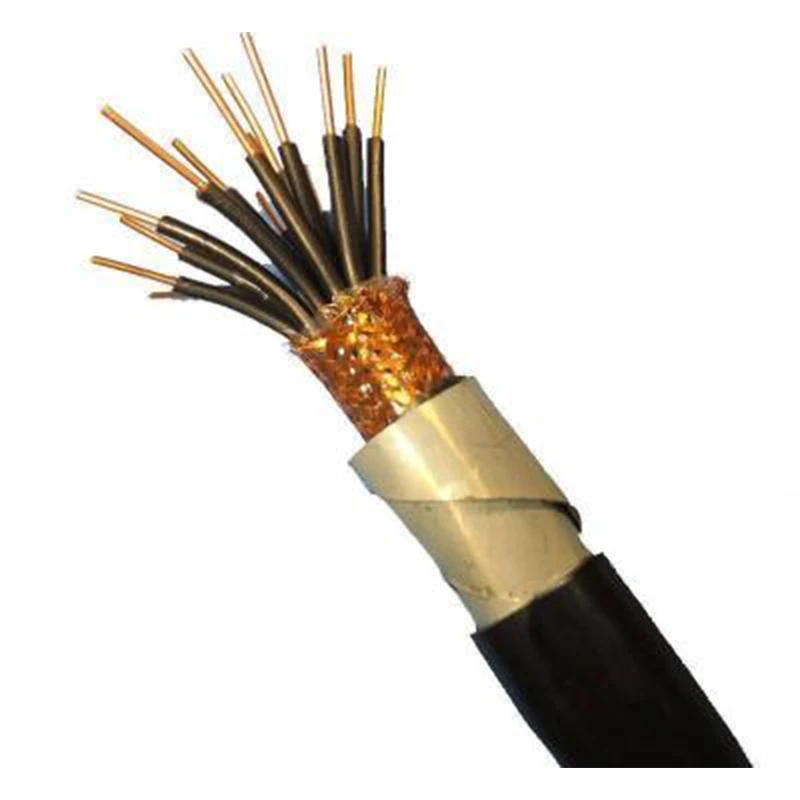
The construction of our Silco Control Cables is designed to enhance their chemical resistance. We use tightly packed conductors and multi - layer insulation and jacketing systems. The multi - layer design provides an additional barrier against chemical penetration, ensuring that the cable's electrical core is well - protected. In addition, our cables are designed to resist mechanical damage, which can help prevent chemicals from reaching the internal components of the cable.
Testing and Certification
To ensure the chemical resistance of our Silco Control Cables, we conduct rigorous testing on our products. We test our cables against a variety of chemicals under different conditions to simulate real - world scenarios. Our cables are also certified to meet international standards for chemical resistance, which provides our customers with the assurance that our products will perform as expected in harsh chemical environments.
Applications of Silco Control Cables with Good Chemical Resistance
The excellent chemical resistance of Silco Control Cables makes them suitable for a variety of applications, including:


Chemical Processing Plants
In chemical processing plants, cables are often exposed to a wide range of chemicals, including acids, bases, and solvents. Silco Control Cables can withstand these harsh chemicals, ensuring the reliable operation of the electrical systems in the plant.
Oil and Gas Industry
In the oil and gas industry, cables are exposed to various chemicals, such as crude oil, natural gas, and drilling fluids. Our Silco Control Cables can resist the corrosive effects of these chemicals, making them ideal for use in offshore platforms, refineries, and pipeline installations.
Food and Beverage Industry
In the food and beverage industry, cables may come into contact with cleaning agents, disinfectants, and food products. Silco Control Cables with good chemical resistance can ensure the safety and hygiene of the production environment by withstanding the effects of these substances.
Comparison with Other Types of Control Cables
When comparing Silco Control Cables with other types of control cables, such as Pvc Control Cable, Universal Control Cable, Motor Control Cable, Flexible Instrument Cable, and Fire Rated Instrumentation Cable, our Silco Control Cables stand out in terms of chemical resistance. While PVC control cables offer good general - purpose chemical resistance, Silco Control Cables can provide enhanced protection in more demanding chemical environments. Universal control cables may have a broader range of applications, but our Silco Control Cables can be customized to meet specific chemical resistance requirements. Motor control cables are designed for motor - related applications, and our Silco Control Cables can offer better chemical resistance in addition to reliable motor control. Flexible instrument cables and fire - rated instrumentation cables have their own unique features, but Silco Control Cables combine good chemical resistance with other performance characteristics, making them a versatile choice for various industrial applications.
Conclusion
In conclusion, Silco Control Cables have excellent chemical resistance. Through the use of high - quality materials, robust construction, and rigorous testing, we ensure that our cables can withstand the effects of a wide range of chemicals. Whether you are in the chemical processing industry, the oil and gas sector, or the food and beverage field, our Silco Control Cables can provide reliable performance in harsh chemical environments.
If you are interested in learning more about our Silco Control Cables or would like to discuss your specific requirements for chemical - resistant cables, please feel free to contact us. We are ready to provide you with professional advice and high - quality products to meet your needs.
References
- "Electrical Cable Engineering Handbook"
- "Standards for Chemical Resistance of Electrical Cables"