

As a supplier of control cables, one of the most frequently asked questions I encounter is whether control cables need grounding. This question is not only crucial for the safety and efficiency of electrical systems but also for ensuring compliance with industry standards. In this blog post, I will delve into the science behind grounding control cables, explore the scenarios where grounding is necessary, and discuss the benefits and potential risks associated with grounding.
The Science Behind Grounding
To understand why grounding control cables might be necessary, we first need to grasp the concept of grounding itself. Grounding is the process of connecting an electrical circuit or equipment to the earth. This connection provides a path of least resistance for electrical current in the event of a fault, such as a short - circuit. When a fault occurs, the excess current is safely diverted to the ground, preventing damage to the equipment and reducing the risk of electrical shock to personnel.
Control cables are used to transmit signals and power in various industrial and commercial applications. They are often exposed to electrical noise, electromagnetic interference (EMI), and static electricity. Grounding the control cables can help mitigate these issues by providing a reference point for electrical potential and a path for unwanted electrical currents to flow.
When Control Cables Need Grounding
Protection Against Electrical Faults
In many industrial settings, control cables are part of complex electrical systems. If a fault occurs, such as a short - circuit between the conductors in a control cable or a connection to an external conductive object, the ungrounded cable can pose a significant safety hazard. Grounding the cable ensures that in the event of a fault, the current will flow through the grounding path rather than through other parts of the system or through personnel. For example, in a manufacturing plant where control cables are used to operate machinery, a short - circuit in an ungrounded cable could cause the machinery to malfunction, potentially leading to serious accidents.
Reduction of Electromagnetic Interference (EMI)
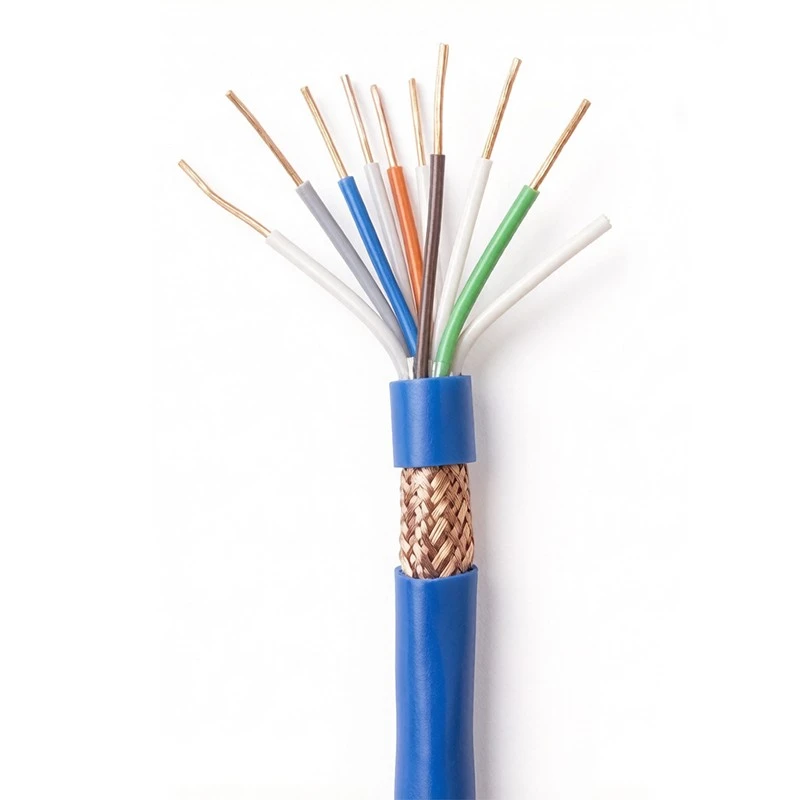
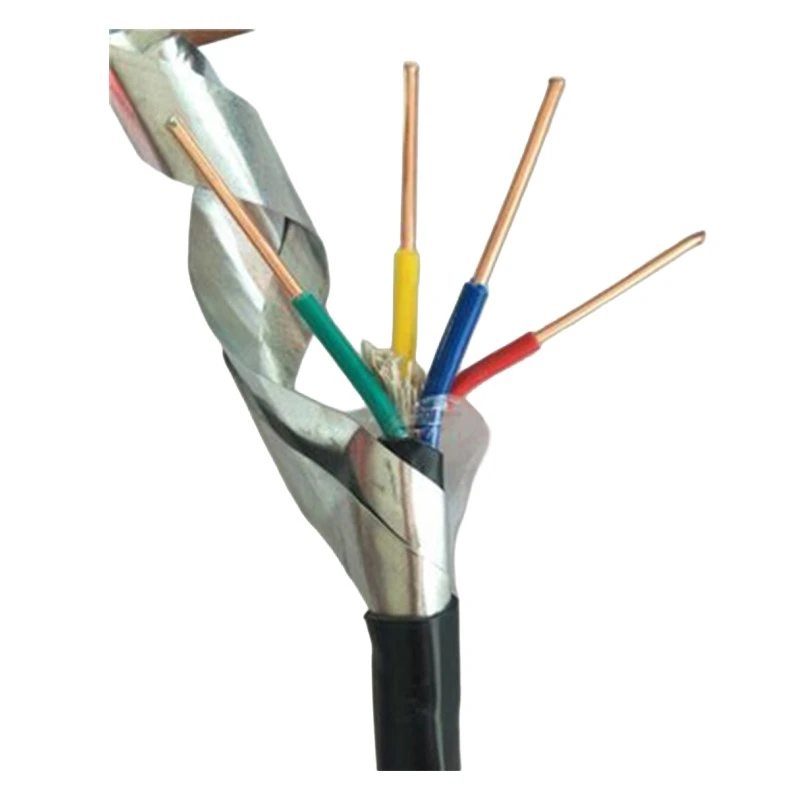
Control cables can act as antennas, picking up electromagnetic signals from their surroundings. This interference can disrupt the normal operation of the control system, leading to inaccurate readings or improper functioning of equipment. Grounding the cable shield can help reduce EMI. The shield acts as a Faraday cage, blocking external electromagnetic fields. By grounding the shield, any induced currents in the shield are safely diverted to the ground, minimizing the impact on the signal conductors inside the cable.
Static Electricity Discharge
Static electricity can build up on control cables, especially in dry environments or when the cables are moved or rubbed against other surfaces. This static charge can cause electrical shocks to personnel and can also damage sensitive electronic components in the control system. Grounding the cables provides a path for the static charge to dissipate, preventing these issues.
Types of Control Cables and Grounding
Armoured Control Cable
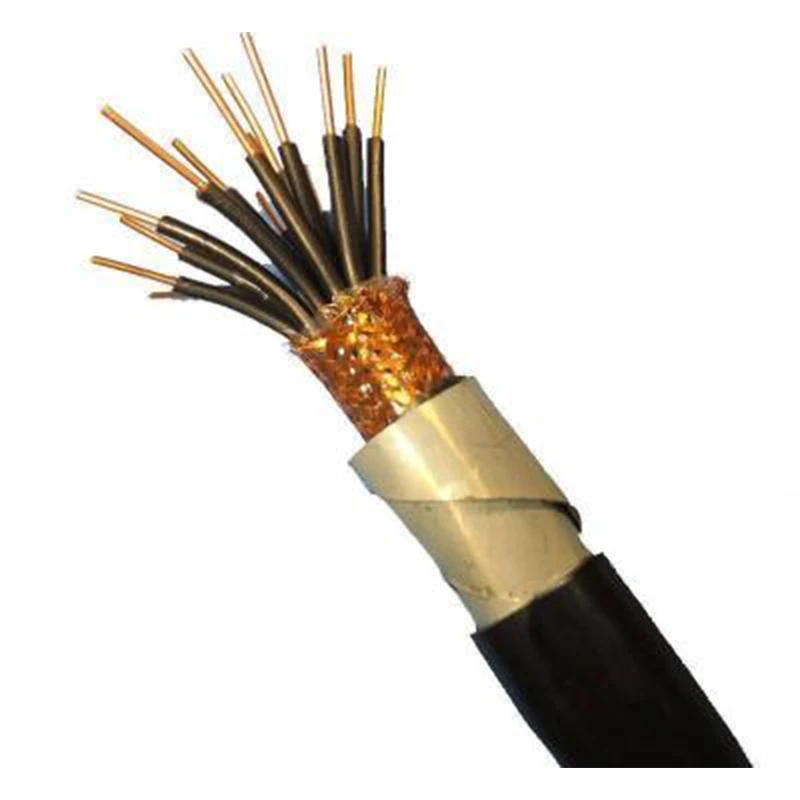
Armoured control cables are designed to provide mechanical protection to the conductors. The armour can also serve as a grounding path. In many cases, the armour is connected to the ground at both ends of the cable. This not only provides protection against physical damage but also helps in reducing EMI and providing a fault - current path.
Copper Control Cable
Copper control cables are widely used due to their excellent electrical conductivity. Grounding copper control cables is essential to ensure the safety of the electrical system. The copper conductors can carry high currents, and in the event of a fault, grounding provides a safe path for the current to flow.
Electrical Control Cable
Electrical control cables are used to transmit power and signals in electrical systems. Grounding these cables is necessary to protect against electrical faults and to reduce EMI. The grounding requirements may vary depending on the specific application and the electrical code requirements.
Multi Conductor Control Cable
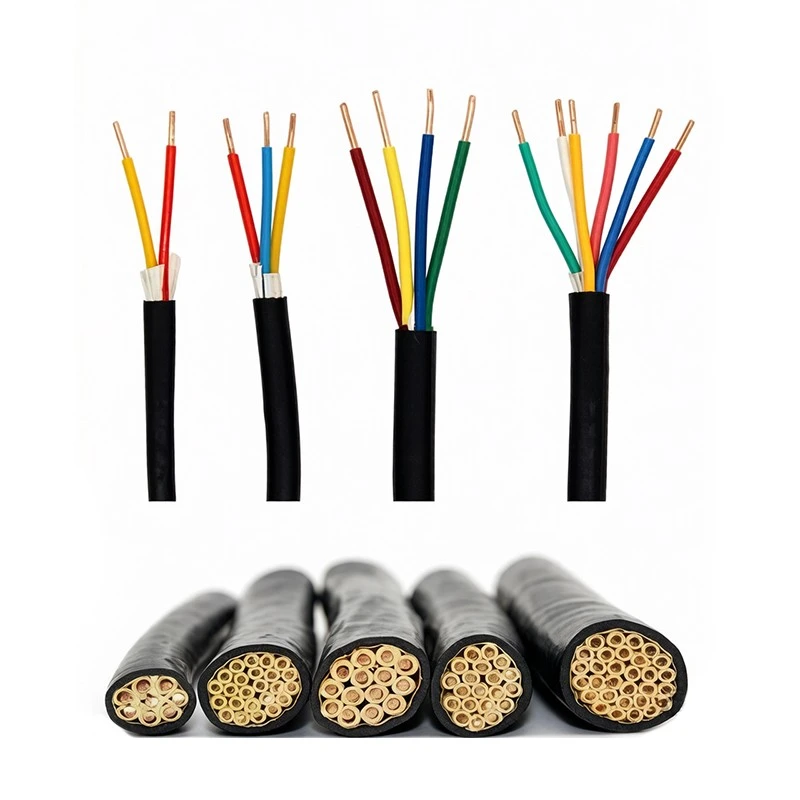
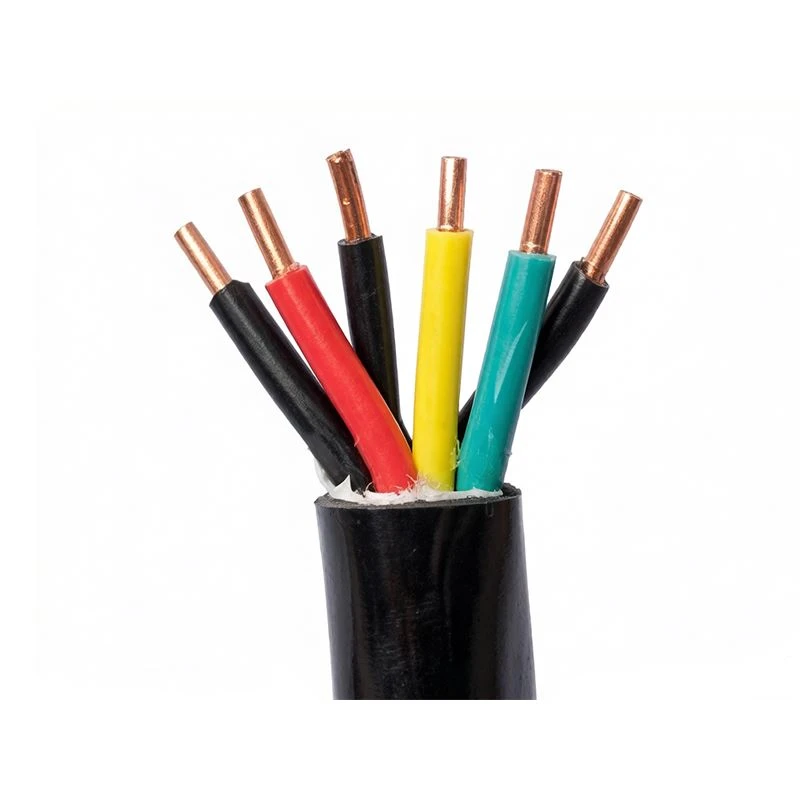
Multi - conductor control cables contain multiple conductors within a single cable jacket. These cables are often used in complex control systems. Grounding the cable shield and, in some cases, individual conductors can help prevent cross - talk between the conductors and reduce EMI.
Flexible Instrument Cable
Flexible instrument cables are used in applications where flexibility is required, such as in robotics or instrumentation systems. Grounding these cables is important to protect the sensitive instruments from electrical interference and to ensure accurate measurements.
Benefits of Grounding Control Cables
Safety
The primary benefit of grounding control cables is safety. By providing a path for fault currents to flow to the ground, grounding reduces the risk of electrical shock to personnel and damage to equipment. This is especially important in industrial environments where workers are in close proximity to electrical systems.

Improved System Performance
Grounding helps in reducing EMI and electrical noise, which can improve the performance of the control system. The signals transmitted through the control cables are more accurate and reliable, leading to better control of equipment and processes.
Compliance with Standards
Many industry standards and electrical codes require control cables to be grounded. By grounding the cables, you ensure compliance with these standards, which is essential for the legal operation of your electrical systems.
Potential Risks of Improper Grounding
Ground Loops
One of the potential risks of grounding control cables is the formation of ground loops. A ground loop occurs when there are multiple paths to ground, and a difference in potential exists between these paths. This can cause unwanted currents to flow in the control cables, leading to interference and potential damage to the equipment. To prevent ground loops, proper grounding techniques should be followed, such as using a single - point grounding system.
Inadequate Grounding
If the grounding is not done correctly, it may not provide effective protection against electrical faults or EMI. For example, if the grounding conductor has a high resistance, the fault current may not be able to flow to the ground quickly enough, increasing the risk of damage to the equipment.
Conclusion
In conclusion, control cables often need grounding to ensure the safety, performance, and compliance of electrical systems. The decision to ground a control cable depends on various factors, including the application, the type of cable, and the potential for electrical faults and interference. As a control cable supplier, I recommend that customers consult with a qualified electrical engineer to determine the appropriate grounding requirements for their specific applications.
If you are in the market for high - quality control cables and need expert advice on grounding, we are here to help. Our team of professionals can provide you with the right products and guidance to ensure the safe and efficient operation of your electrical systems. Contact us today to start a discussion about your control cable needs and how we can assist you in making the best choices for your project.
References
- Electrical Installation Handbook, Schneider Electric
- National Electrical Code (NEC)
- IEEE Standards for Electrical Safety in the Workplace