

Hey there! As a supplier of specialty cables, I often get asked a bunch of questions about our products. One question that pops up quite a bit is, "Can specialty cables resist exposure to chemicals?" Well, let's dive right into this topic and find out.
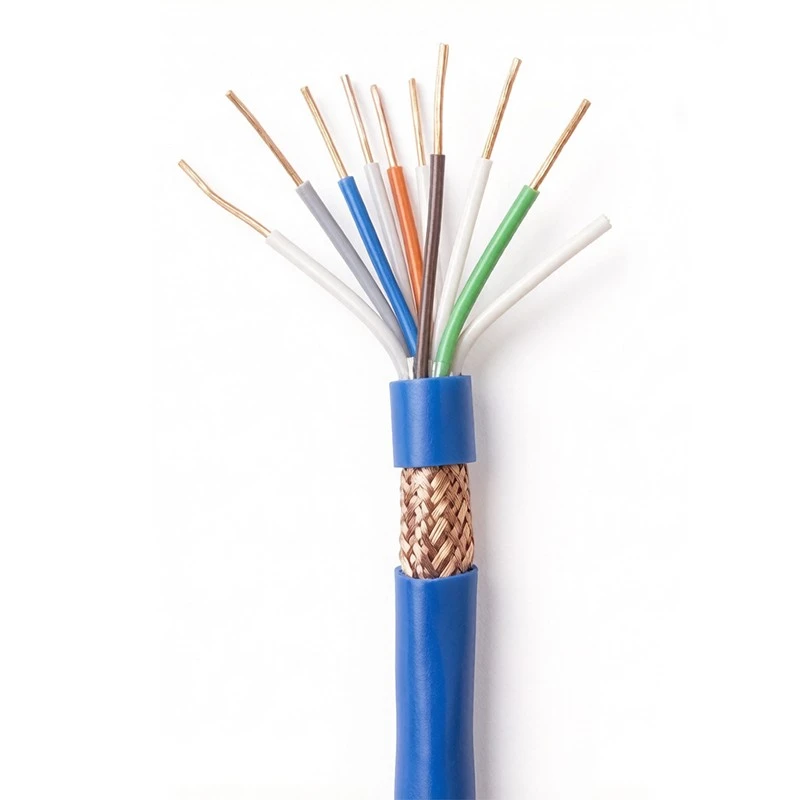
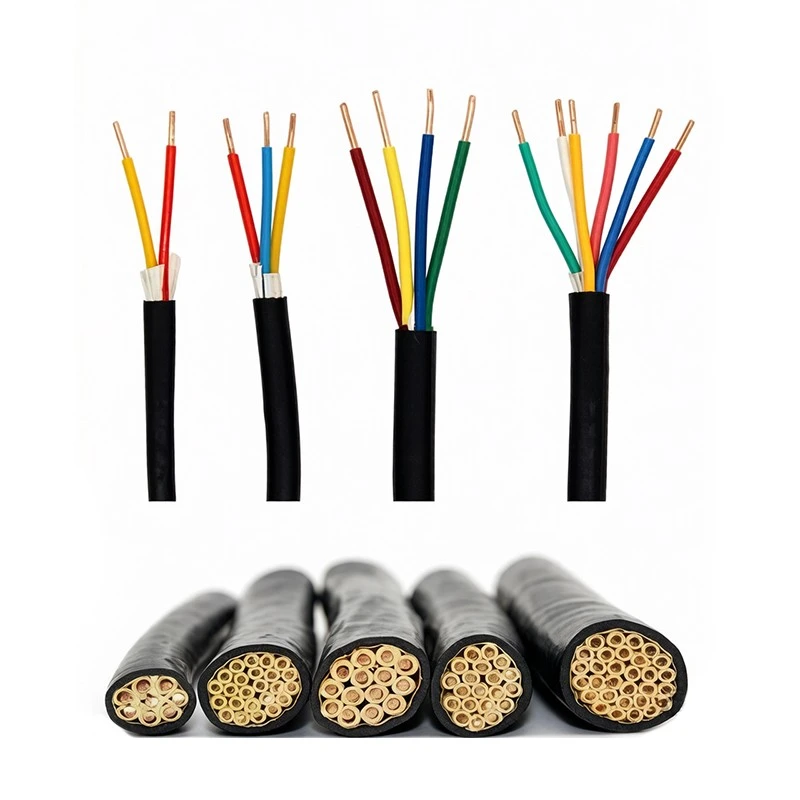
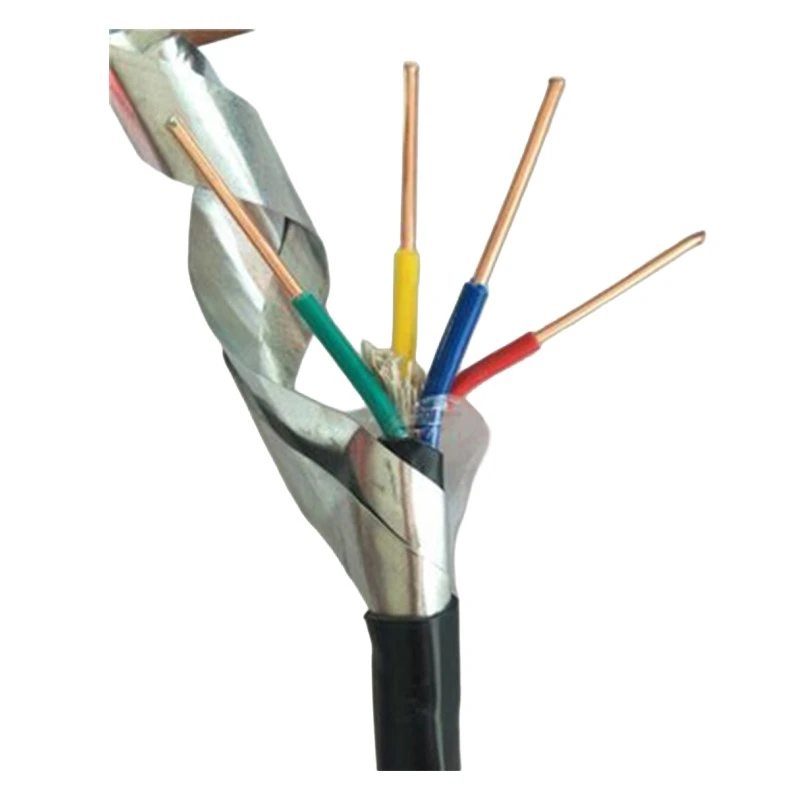
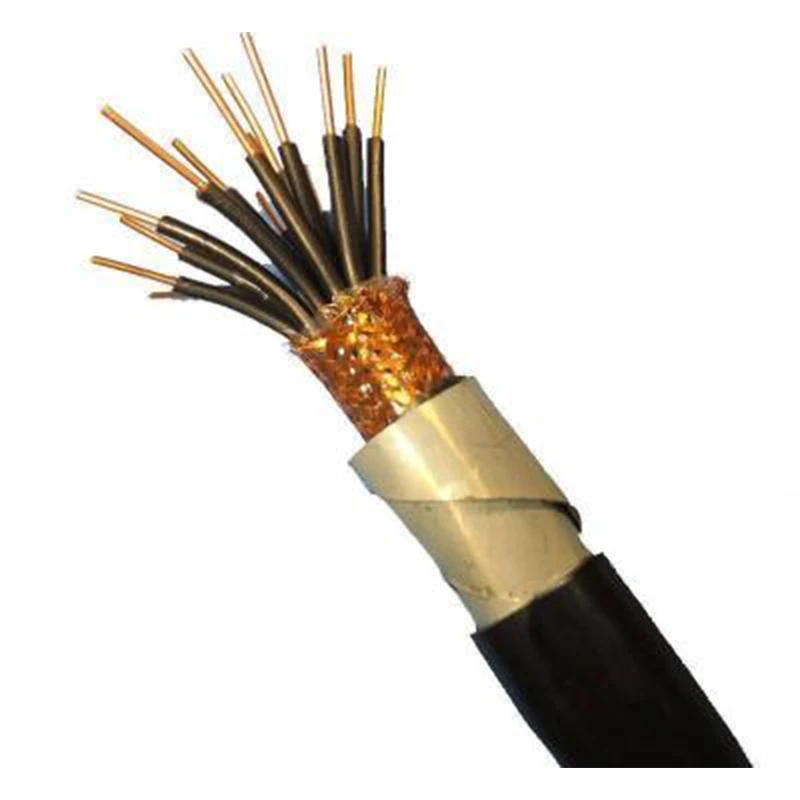
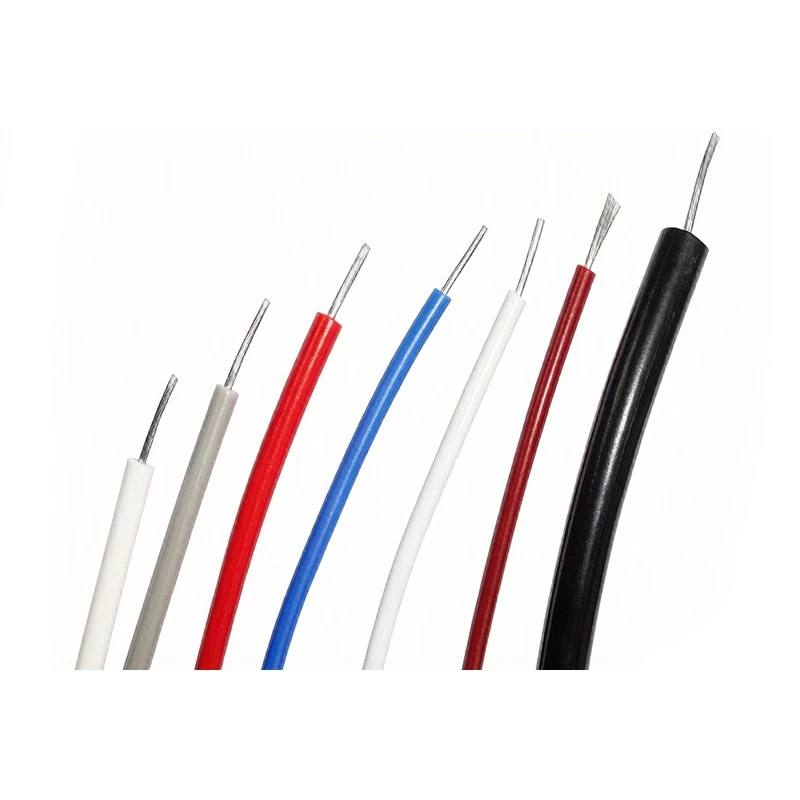
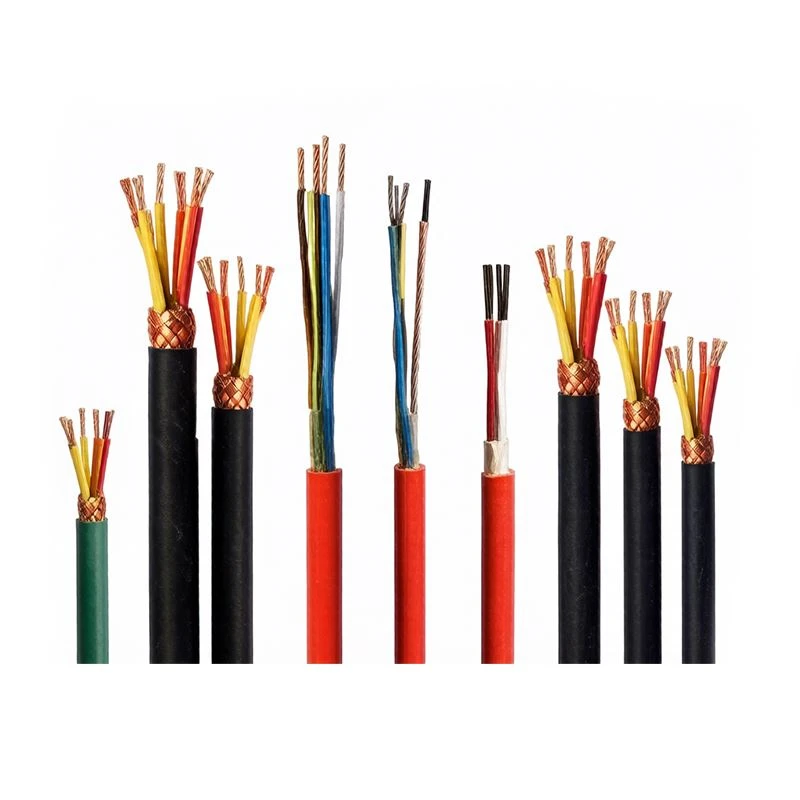
First off, let's understand what specialty cables are. Specialty cables are designed for specific applications where standard cables just won't cut it. They come in all shapes and sizes, and are built to handle unique challenges. For example, we've got Flame Retardant Pvc Cable that's great for places where fire safety is a big concern. Then there's the Temperature Resistant Cable which can withstand extreme heat or cold. And if you're in the computer industry, our Specialty Computer Cables are a top choice. We also have Speciality Cable for general specialized needs and High Flex Control Cable that can handle a lot of bending and flexing.
Now, back to the main question: Can they resist chemicals? The answer is, it depends. Different specialty cables are made with different materials, and the ability to resist chemicals is tied to those materials.
Some of our cables are made with materials that have excellent chemical resistance. For example, cables with a fluoropolymer jacket are known for their high chemical resistance. Fluoropolymers can stand up to a wide range of chemicals, including acids, bases, and solvents. These cables are often used in industries like chemical processing, petrochemical, and pharmaceuticals. In these industries, cables are constantly exposed to all sorts of harsh chemicals, and a cable that can't resist them would quickly degrade, leading to malfunctions and safety hazards.
On the other hand, not all specialty cables are designed to resist chemicals. Some cables, like those used mainly for high-speed data transmission in a clean office environment, might not have the same level of chemical protection. These cables are optimized for other factors, such as signal integrity and flexibility. So, if you need a cable for a chemical - exposed environment, you've got to choose the right one.
Let's talk about how we test the chemical resistance of our cables. We conduct a series of rigorous tests in our labs. One common test is the immersion test. We take samples of the cable and immerse them in different chemicals for a set period of time. Then we check for any signs of degradation, like changes in color, swelling, or loss of mechanical properties. If the cable passes these tests, we can be pretty confident that it will perform well in a real - world chemical - exposed environment.
Another test we do is the spray test. We spray the cable with a fine mist of chemicals and observe how it reacts. This simulates a more realistic scenario where the cable might be exposed to a chemical splash. By doing these tests, we can ensure that our cables meet the highest standards of chemical resistance.
But it's not just about the jacket. The insulation inside the cable also plays a crucial role. If the insulation is damaged by chemicals, it can lead to short - circuits and other electrical problems. That's why we use high - quality insulation materials that are also resistant to chemicals in our cables designed for chemical - prone areas.
Now, let's look at some real - world examples. In a chemical manufacturing plant, our Speciality Cable with a chemical - resistant jacket has been used for years. The cables have to run through areas where there are spills and fumes of various chemicals. Thanks to their high chemical resistance, they've been able to maintain their performance and reliability, reducing downtime and maintenance costs for the plant.
In a research laboratory, our Specialty Computer Cables are used to connect sensitive equipment. Sometimes, there might be small spills of chemicals, and the cables need to be able to resist them. Our cables have proven to be up to the task, ensuring that the data transmission between the equipment remains stable.
If you're in an industry where your cables are going to be exposed to chemicals, it's really important to choose the right specialty cable. Don't just go for the cheapest option. Think about the specific chemicals your cables will encounter, the duration of exposure, and the environmental conditions.
We're here to help you make the right choice. Our team of experts has a wealth of knowledge about specialty cables and their chemical resistance. We can work with you to understand your needs and recommend the best cable for your application.
Whether you're in the chemical industry, the pharmaceutical sector, or any other field where chemical exposure is a concern, we've got the specialty cables you need. So, if you're looking to purchase specialty cables that can resist chemicals, don't hesitate to reach out. We're ready to have a chat with you and discuss how our products can meet your requirements. Let's start a conversation and find the perfect cable solution for your business.
References
- Industry standards for cable chemical resistance testing
- Internal test reports from our cable manufacturing facility