
In the dynamic landscape of electrical and electronic applications, the choice of cables is a crucial decision that can significantly impact the performance, durability, and safety of the system. One such cable type that has gained considerable attention is the shielded flat ribbon cable. As a leading supplier of [Shielded Flat Ribbon Cable], I often encounter the question: Can I use UV-resistant shielded flat ribbon cable? In this blog post, I aim to delve into this topic, exploring the characteristics, advantages, and suitability of UV-resistant shielded flat ribbon cables for various applications.
Understanding UV Resistance in Cables
UV resistance refers to a cable's ability to withstand the damaging effects of ultraviolet (UV) radiation from sunlight. Exposure to UV rays can cause significant degradation of cable materials over time, leading to cracking, brittleness, and a reduction in electrical performance. For cables installed outdoors or in environments with high levels of UV exposure, such as solar power systems, outdoor lighting, and coastal installations, UV resistance is a critical factor.
Characteristics of UV-Resistant Shielded Flat Ribbon Cables
Construction and Materials
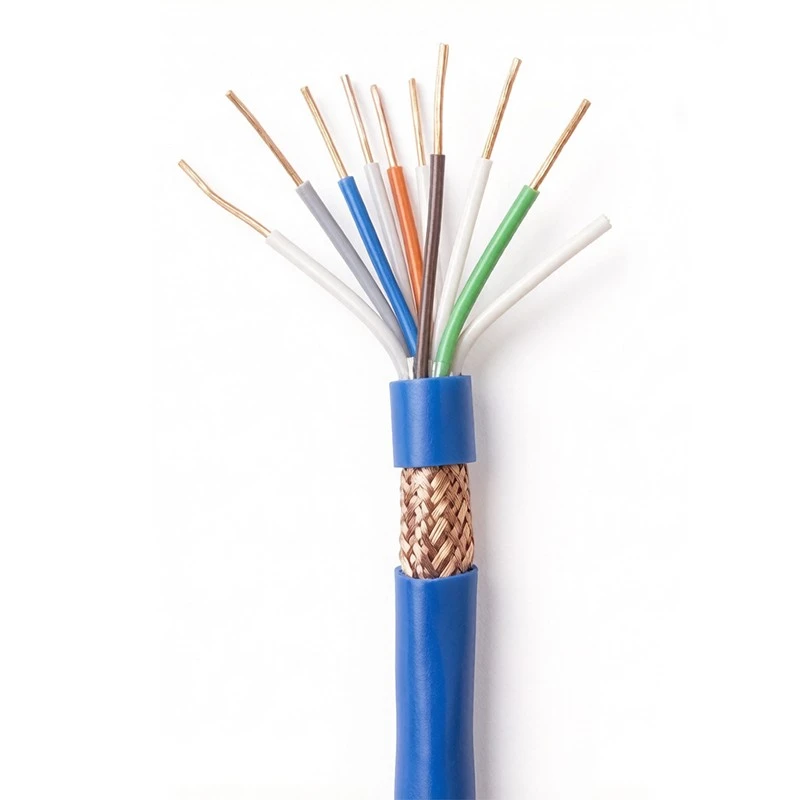
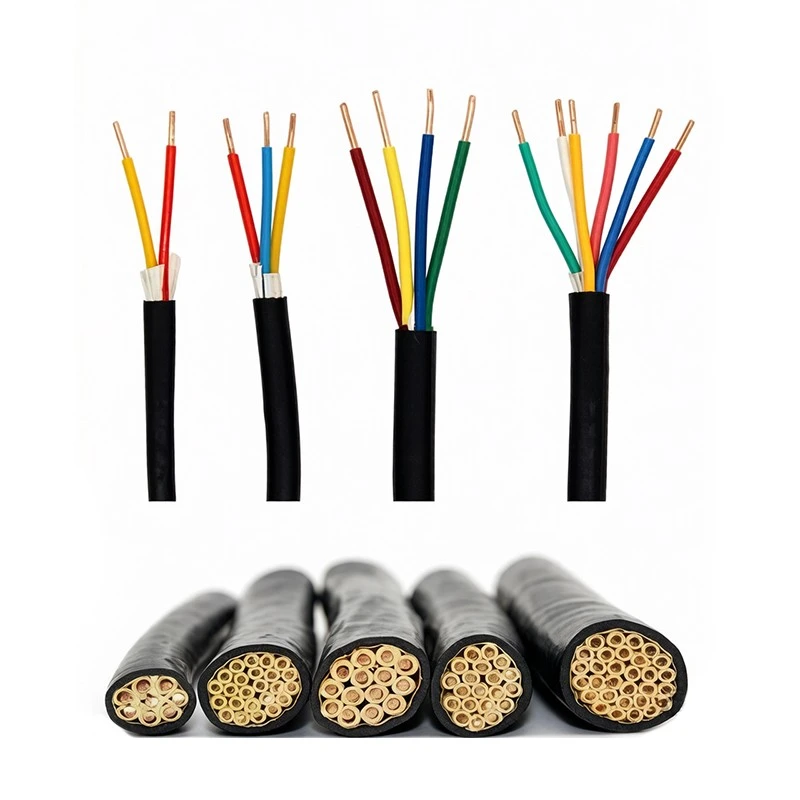
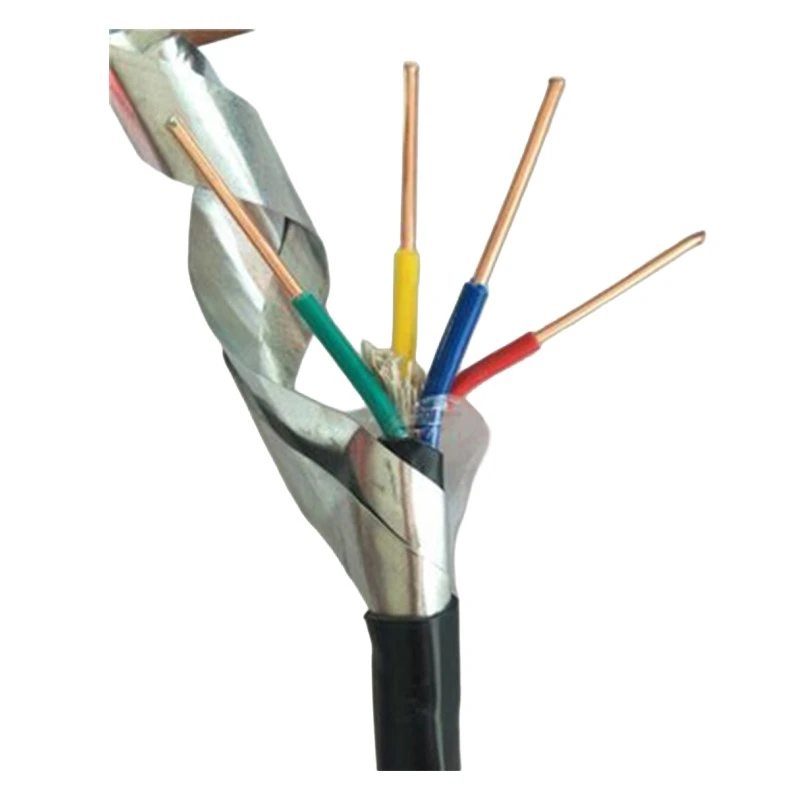
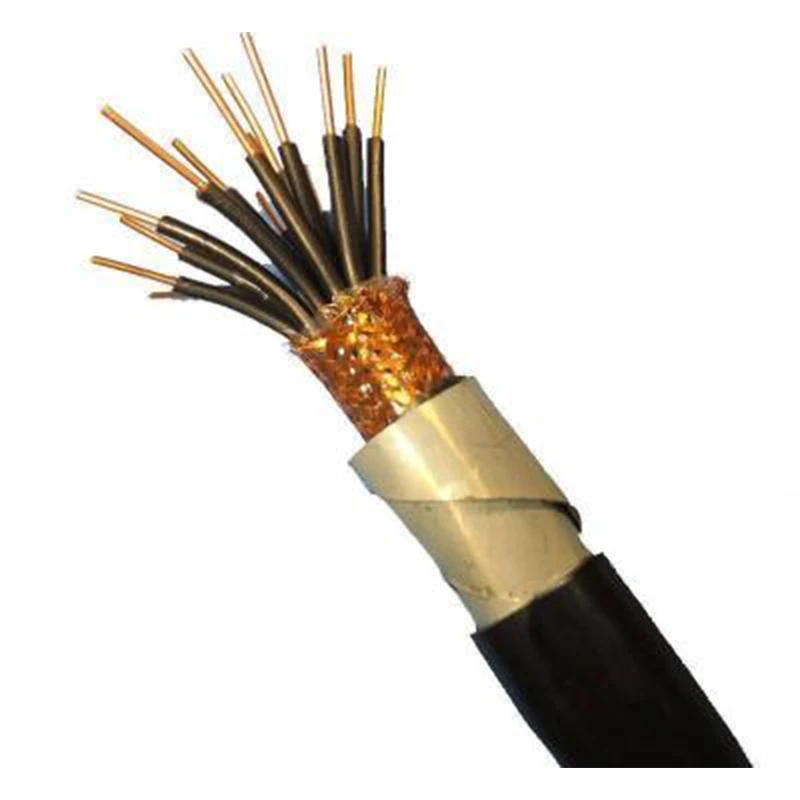
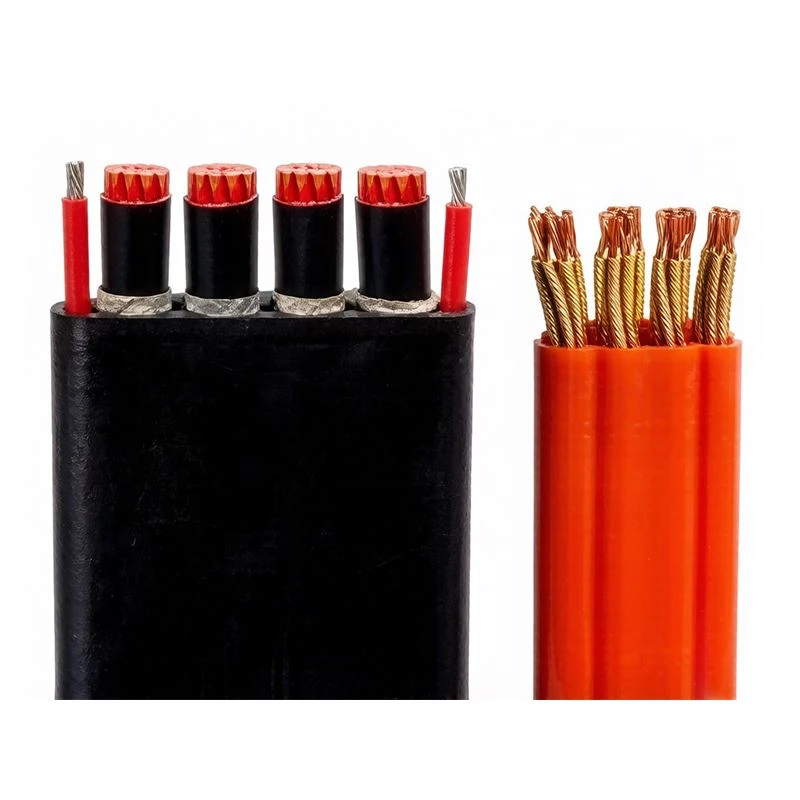
UV-resistant shielded flat ribbon cables are typically constructed with a combination of high-quality insulation materials and shielding layers. The insulation materials are formulated to resist UV degradation, often using additives or special polymers that provide protection against UV rays. The shielding layer, which is usually made of metal foil or braided wire, helps to protect the cable from electromagnetic interference (EMI) and radio frequency interference (RFI).
Electrical Performance
These cables are designed to maintain their electrical performance even under prolonged UV exposure. They offer low capacitance, high impedance, and excellent signal transmission characteristics, making them suitable for a wide range of applications, including data transmission, power distribution, and control systems.
Mechanical Properties
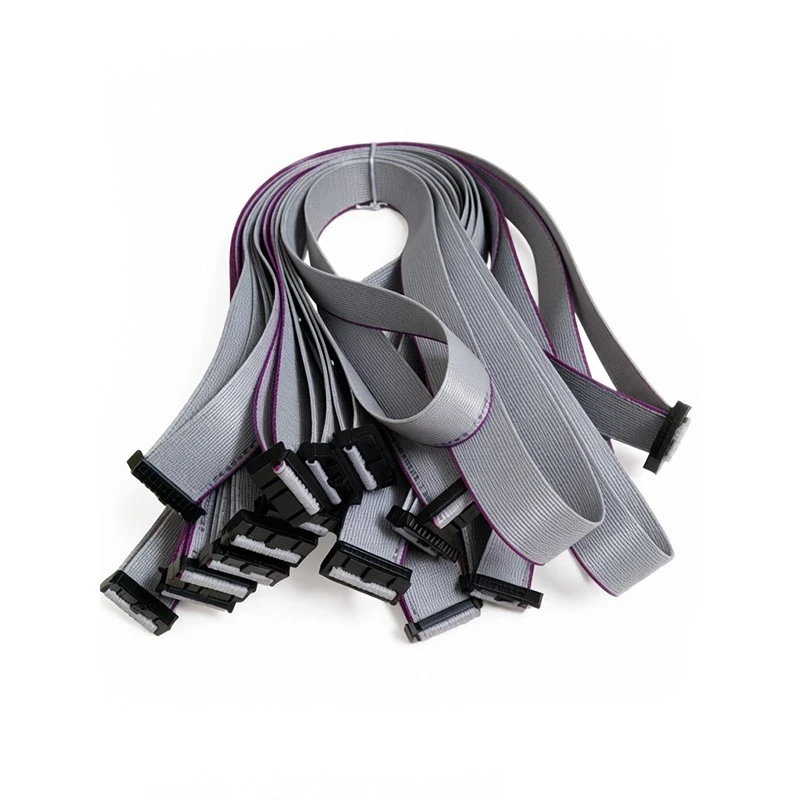
In addition to their electrical performance, UV-resistant shielded flat ribbon cables also exhibit good mechanical properties. They are flexible, easy to install, and can withstand bending, twisting, and other mechanical stresses without compromising their performance.
Advantages of Using UV-Resistant Shielded Flat Ribbon Cables
Durability
One of the primary advantages of UV-resistant shielded flat ribbon cables is their durability. By resisting UV degradation, these cables can have a longer service life, reducing the need for frequent replacements and maintenance costs. This is particularly important for outdoor applications where cables are exposed to harsh environmental conditions.
Reliability
The shielding layer in UV-resistant shielded flat ribbon cables provides protection against EMI and RFI, ensuring reliable signal transmission. This is crucial for applications such as telecommunications, automation, and control systems, where interference can cause errors and malfunctions.
Space Saving
The flat design of ribbon cables allows for easy installation and saves space compared to traditional round cables. This is especially beneficial in applications where space is limited, such as in compact electronic devices and equipment.
Suitability for Different Applications
Solar Power Systems
In solar power systems, UV-resistant shielded flat ribbon cables are used to connect solar panels to inverters, charge controllers, and other components. These cables need to withstand prolonged exposure to sunlight and harsh environmental conditions, making UV resistance essential. The shielding layer also helps to protect the cable from electrical interference, ensuring efficient power transfer.
Outdoor Lighting
Outdoor lighting systems, such as streetlights, landscape lights, and floodlights, require cables that can withstand UV radiation, moisture, and temperature variations. UV-resistant shielded flat ribbon cables are an ideal choice for these applications, providing reliable power distribution and signal transmission.
Marine and Coastal Installations
In marine and coastal environments, cables are exposed to saltwater, humidity, and UV radiation, which can cause corrosion and degradation. UV-resistant shielded flat ribbon cables are designed to resist these harsh conditions, making them suitable for use in boats, ships, offshore platforms, and coastal buildings.
Our Product Range
As a trusted supplier of shielded flat ribbon cables, we offer a wide range of UV-resistant options to meet the diverse needs of our customers. Our product range includes:
- High Flex Ribbon Cable: Ideal for applications that require frequent bending and flexing, such as robotics and automation.
- Silicone Ribbon Cable: Offers excellent flexibility, heat resistance, and UV resistance, making it suitable for high-temperature and outdoor applications.
- Flat Ribbon Power Cable: Designed for power distribution in a variety of applications, including industrial equipment and consumer electronics.
- High Temperature Ribbon Cable: Can withstand high temperatures without compromising its performance, making it suitable for applications such as aerospace and automotive.
- Shielded Flat Ribbon Cable: Provides reliable protection against EMI and RFI, ensuring clear signal transmission in sensitive electronic systems.
Contact Us for Your Cable Needs
If you are considering using UV-resistant shielded flat ribbon cables for your application, we are here to help. Our team of experts can provide you with detailed product information, technical support, and customized solutions to meet your specific requirements. Whether you need a small quantity for a prototype or a large volume for a production project, we can offer competitive pricing and timely delivery.
To learn more about our products and services, please [Contact Us]. We look forward to discussing your cable needs and working with you to find the best solution for your application.
References
- "Electrical Cable Handbook," by Ullrich Mitschke
- "Handbook of Electronic Devices and Components," by Dawn Montevecchi
- Industry standards and guidelines for cable manufacturing and installation