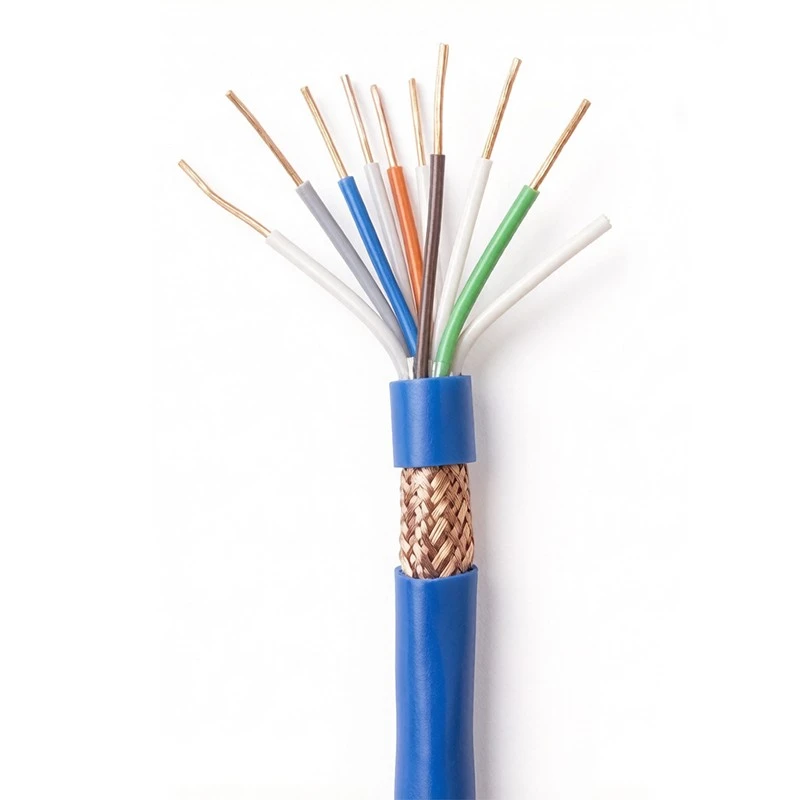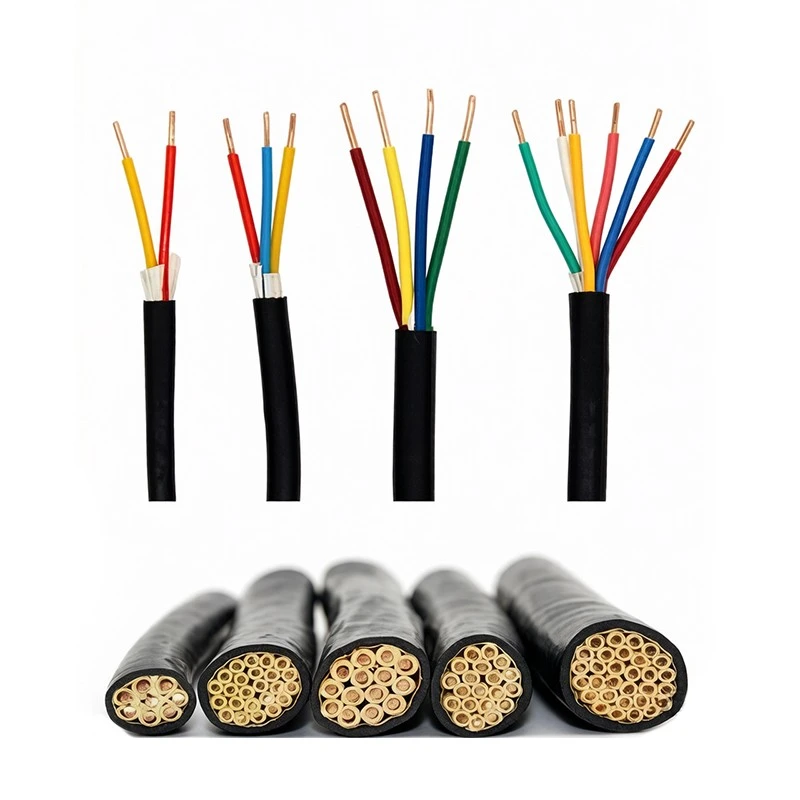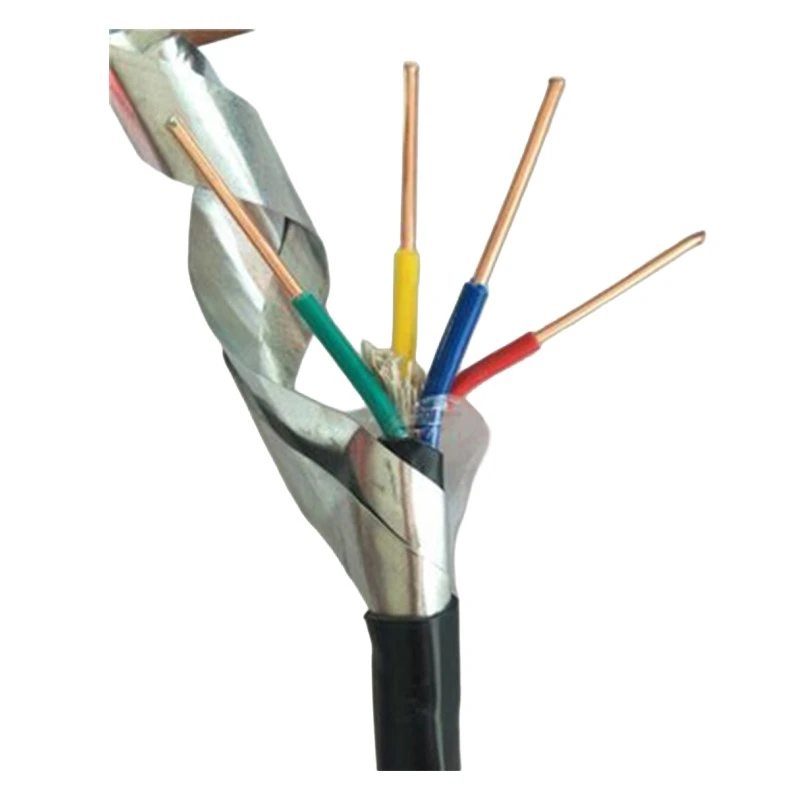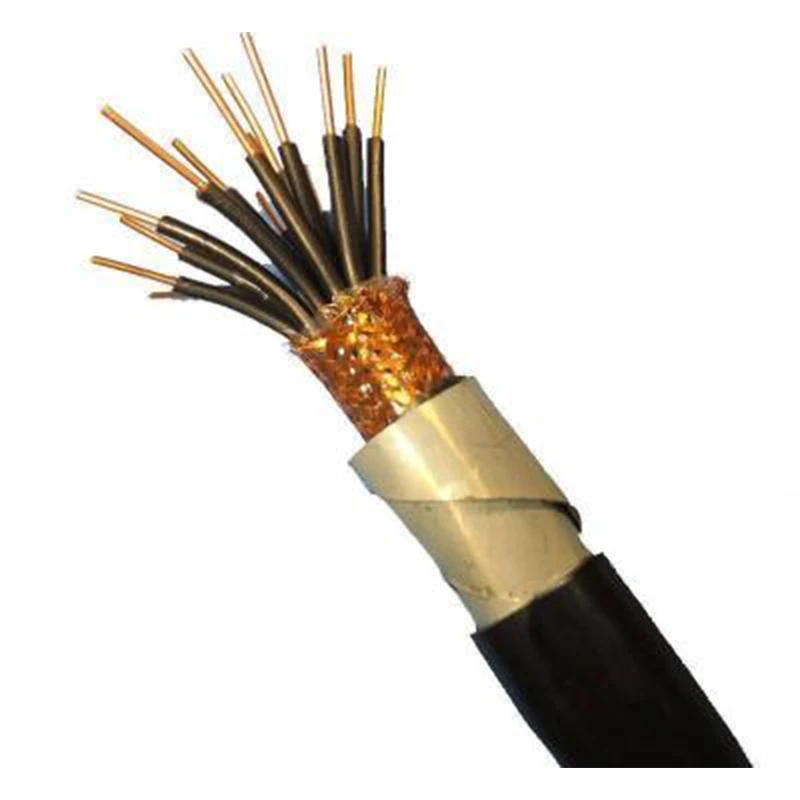


Cryogenic electron microscopes (Cryo-EM) are a revolutionary technology in the field of structural biology, enabling high-resolution imaging of biological macromolecules in their native state. As a supplier of Ribbon Power Cable, Shielded Flat Ribbon Cable, Cryogenic Ribbon Cable, Silicone Ribbon Cable, and High Temperature Ribbon Cable, I often receive inquiries about the suitability of cryogenic ribbon cables for use in cryogenic electron microscopes. In this blog post, I will explore this question in detail, examining the technical requirements of cryo-EM and the properties of cryogenic ribbon cables.
Technical Requirements of Cryogenic Electron Microscopes
Cryo-EM operates at extremely low temperatures, typically around -196°C (77K) using liquid nitrogen or -269°C (4K) with liquid helium. These low temperatures are essential for several reasons. Firstly, they help to preserve the biological samples in a near-native state, reducing the damage caused by radiation during imaging. Secondly, they minimize thermal noise in the detector, which can improve the signal-to-noise ratio and enhance the resolution of the images.
In addition to the low-temperature environment, cryo-EM also requires high-precision electrical connections. The cables used in cryo-EM must be able to transmit electrical signals accurately and reliably, with minimal interference and signal loss. This is crucial for the proper functioning of the microscope, including the electron gun, detector, and other components.
Properties of Cryogenic Ribbon Cables
Cryogenic ribbon cables are specifically designed to operate in low-temperature environments. They are typically made from materials that can withstand extreme cold without becoming brittle or losing their electrical properties. Some common materials used in cryogenic ribbon cables include polyimide, which has excellent thermal stability and mechanical strength at low temperatures.
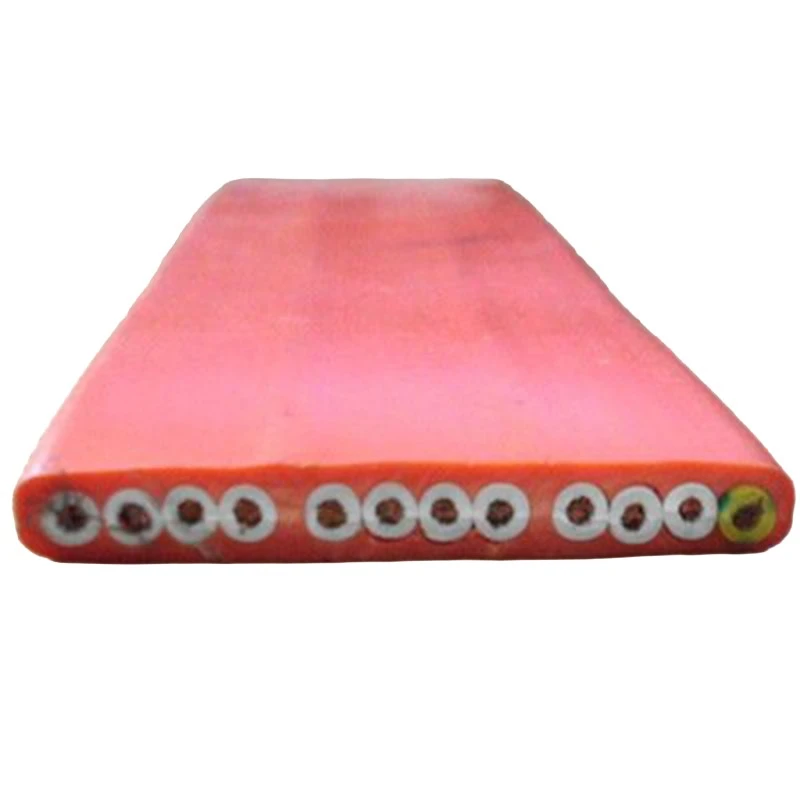
One of the key advantages of cryogenic ribbon cables is their flat, ribbon-like shape. This design allows for a high density of conductors in a small space, which is beneficial for applications where space is limited, such as in cryo-EM. The flat shape also reduces the cross-sectional area of the cable, which can help to minimize heat transfer and reduce the amount of energy required to maintain the low temperature inside the microscope.
Another important property of cryogenic ribbon cables is their low electrical resistance. At low temperatures, the resistance of most materials decreases, which can improve the efficiency of electrical signal transmission. Cryogenic ribbon cables are engineered to take advantage of this effect, ensuring that the electrical signals are transmitted with minimal loss.
Suitability of Cryogenic Ribbon Cables for Cryogenic Electron Microscopes
Based on the technical requirements of cryo-EM and the properties of cryogenic ribbon cables, it is clear that cryogenic ribbon cables are well-suited for use in cryogenic electron microscopes. Their ability to operate at low temperatures, combined with their high-density design and low electrical resistance, make them an ideal choice for transmitting electrical signals in the harsh environment of a cryo-EM.
However, it is important to note that not all cryogenic ribbon cables are created equal. When selecting a cryogenic ribbon cable for use in a cryo-EM, it is essential to consider several factors, including the cable's temperature rating, conductivity, flexibility, and shielding.
The temperature rating of the cable is a critical factor, as it determines the minimum and maximum temperatures at which the cable can operate safely. For cryo-EM applications, the cable should have a temperature rating that is compatible with the operating temperature of the microscope, typically around -196°C or lower.
Conductivity is another important consideration. The cable should have a low electrical resistance to minimize signal loss and ensure accurate signal transmission. High conductivity can also help to reduce heat generation, which is important in a low-temperature environment.
Flexibility is also crucial, as the cables may need to be bent or routed in a confined space inside the microscope. A flexible cable can be easily installed and adjusted without causing damage or introducing stress that could affect its performance.
Finally, shielding is essential to protect the electrical signals from interference. Cryo-EM is a sensitive technology, and even small amounts of electromagnetic interference can degrade the quality of the images. A well-shielded cable can help to minimize this interference and ensure reliable operation of the microscope.
Advantages of Using Cryogenic Ribbon Cables in Cryogenic Electron Microscopes
There are several advantages to using cryogenic ribbon cables in cryogenic electron microscopes. Firstly, as mentioned earlier, their flat design allows for a high density of conductors in a small space, which can help to reduce the size and complexity of the microscope's wiring system. This can lead to a more compact and efficient design, which is particularly important for portable or benchtop cryo-EM systems.
Secondly, the low electrical resistance of cryogenic ribbon cables can improve the performance of the microscope by reducing signal loss and improving the signal-to-noise ratio. This can result in higher-resolution images and more accurate data, which is essential for research in structural biology.
Thirdly, cryogenic ribbon cables are generally more reliable than traditional round cables in a low-temperature environment. Their flat shape and the use of materials that are resistant to cold can help to prevent the cable from becoming brittle or cracking, which can lead to electrical failures.

Considerations for Purchasing Cryogenic Ribbon Cables for Cryogenic Electron Microscopes
When purchasing cryogenic ribbon cables for cryogenic electron microscopes, it is important to work with a reputable supplier. A reliable supplier will have the expertise and experience to help you select the right cable for your specific application, based on factors such as temperature requirements, conductivity, flexibility, and shielding.
It is also important to consider the quality and reliability of the cable. Look for cables that have been tested and certified to meet industry standards for cryogenic applications. This can help to ensure that the cable will perform as expected and provide long-term reliability.
In addition, consider the cost of the cable. While it is important to invest in a high-quality cable, it is also important to find a cable that fits within your budget. Compare prices from different suppliers and look for any discounts or promotions that may be available.
Conclusion
In conclusion, cryogenic ribbon cables are well-suited for use in cryogenic electron microscopes. Their ability to operate at low temperatures, combined with their high-density design, low electrical resistance, and other properties, make them an ideal choice for transmitting electrical signals in the harsh environment of a cryo-EM.
If you are in the market for cryogenic ribbon cables for your cryogenic electron microscope, we would be happy to help. As a leading supplier of Ribbon Power Cable, Shielded Flat Ribbon Cable, Cryogenic Ribbon Cable, Silicone Ribbon Cable, and High Temperature Ribbon Cable, we have the expertise and experience to provide you with the right cable for your specific application. Contact us today to discuss your requirements and learn more about our products.
References
- Frank, J. (2006). Three-Dimensional Electron Microscopy of Macromolecular Assemblies: Visualization of Biological Molecules in Their Native State. Oxford University Press.
- Dubochet, J., Adrian, M., Chang, J. J., Homo, J. C., Lepault, J., McDowall, A. W., & Schultz, P. (1988). Cryo-electron microscopy of vitrified specimens. Quarterly Reviews of Biophysics, 21(2), 129-228.
- Kuhlbrandt, W. (2014). Cryo-EM: the silent revolution. Nature Methods, 11(3), 245-253.