

Airport ground lighting systems are crucial for the safe operation of airports, providing essential visual guidance for pilots during takeoff, landing, and taxiing. These systems require reliable and high - performance cables to ensure continuous and stable power supply and signal transmission. As a supplier of Armoured Control Cable, I often receive inquiries about whether our product can be used in airport ground lighting systems. In this blog, I will explore this question in detail.
Understanding Airport Ground Lighting Systems
Airport ground lighting systems consist of various types of lights, including runway edge lights, runway centerline lights, taxiway lights, and approach lights. These lights need to be highly visible, even in adverse weather conditions such as fog, rain, or snow. To achieve this, they are designed to have a specific intensity and color, and they are often controlled remotely to adjust their operation according to different flight scenarios.
The cables used in these systems must be able to withstand harsh environmental conditions, including extreme temperatures, high humidity, UV radiation, and mechanical stress. They also need to provide excellent electrical insulation and protection against electromagnetic interference (EMI) to ensure accurate signal transmission and prevent malfunctions.
Features of Armoured Control Cable
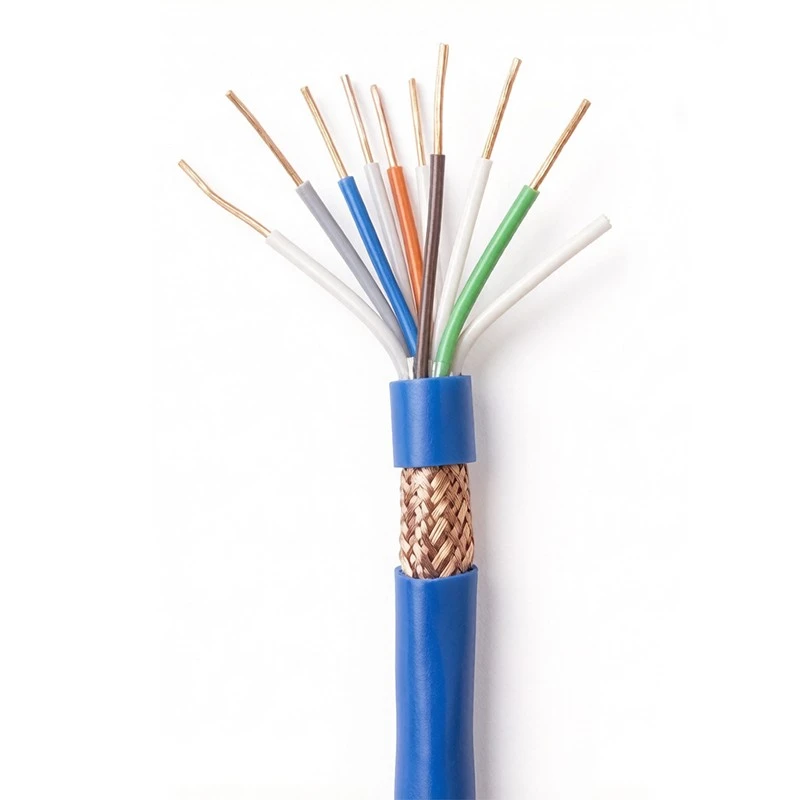
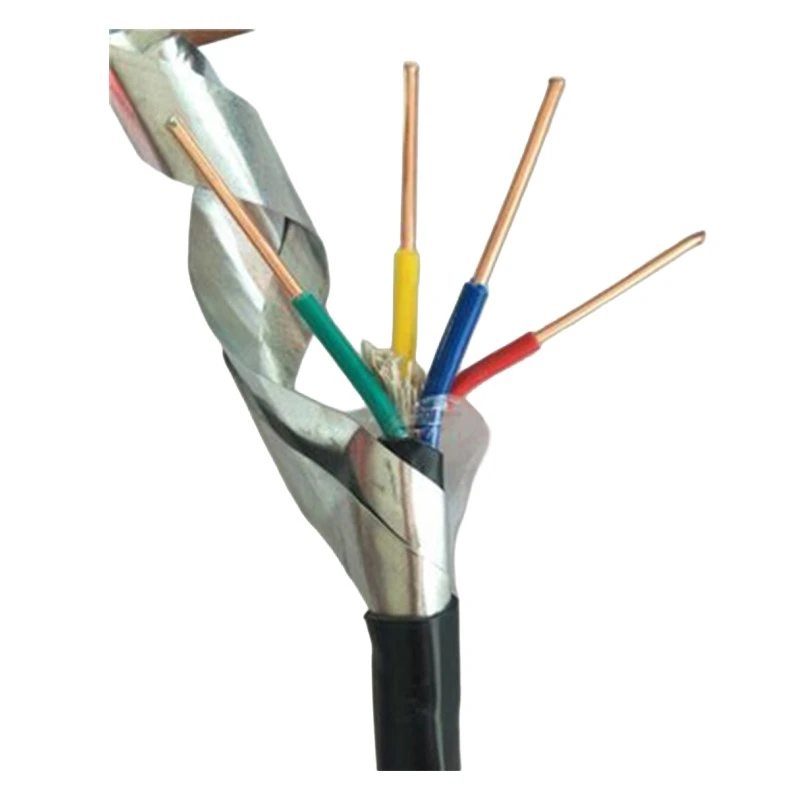
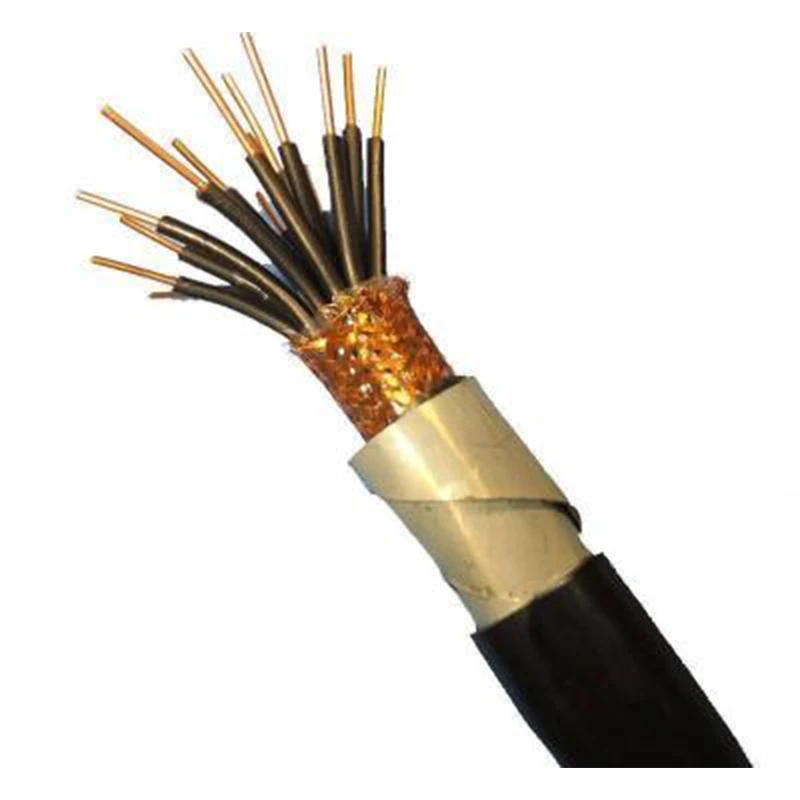
Armoured Control Cable is a type of cable that is designed with an extra layer of protection, usually made of steel or aluminum armor. This armor provides several important benefits:
- Mechanical Protection: The armor layer protects the cable from physical damage, such as abrasion, impact, and crushing. This is particularly important in airport environments where the cables may be exposed to heavy equipment movement, vehicle traffic, and construction activities.
- Environmental Resistance: Armoured Control Cable is resistant to moisture, chemicals, and UV radiation. This makes it suitable for use in outdoor applications, including airport ground lighting systems, where the cables may be exposed to the elements for long periods.
- EMI Shielding: The armor layer can act as a shield against electromagnetic interference, reducing the risk of signal distortion and ensuring reliable communication between the lighting control system and the lights.
- Fire Resistance: Many Armoured Control Cables are designed with fire - resistant materials, which can help prevent the spread of fire in case of an electrical fault.
Suitability of Armoured Control Cable for Airport Ground Lighting Systems
Based on its features, Armoured Control Cable has several advantages that make it a suitable candidate for airport ground lighting systems:
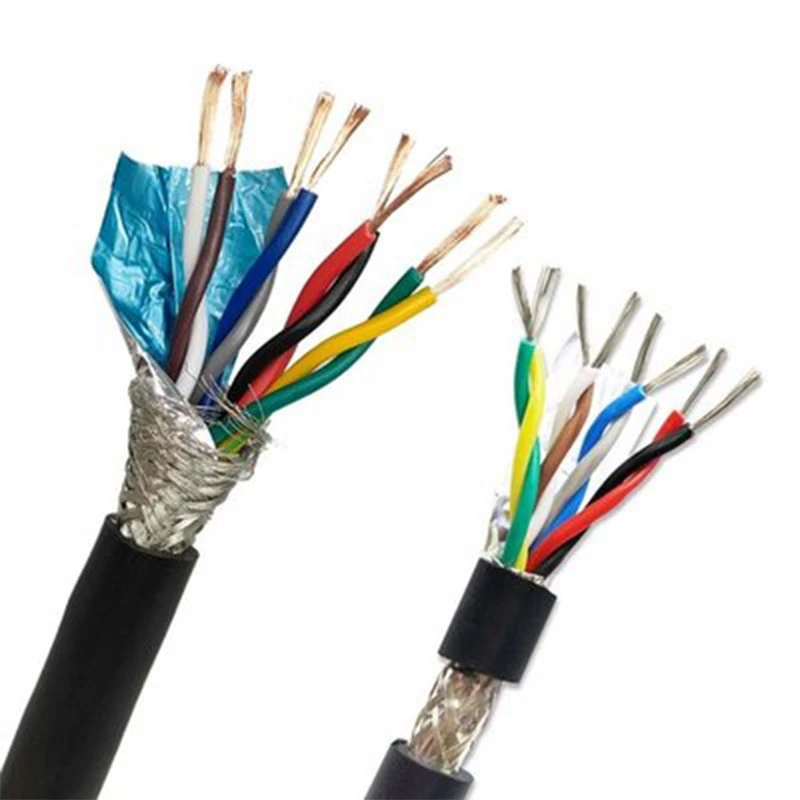
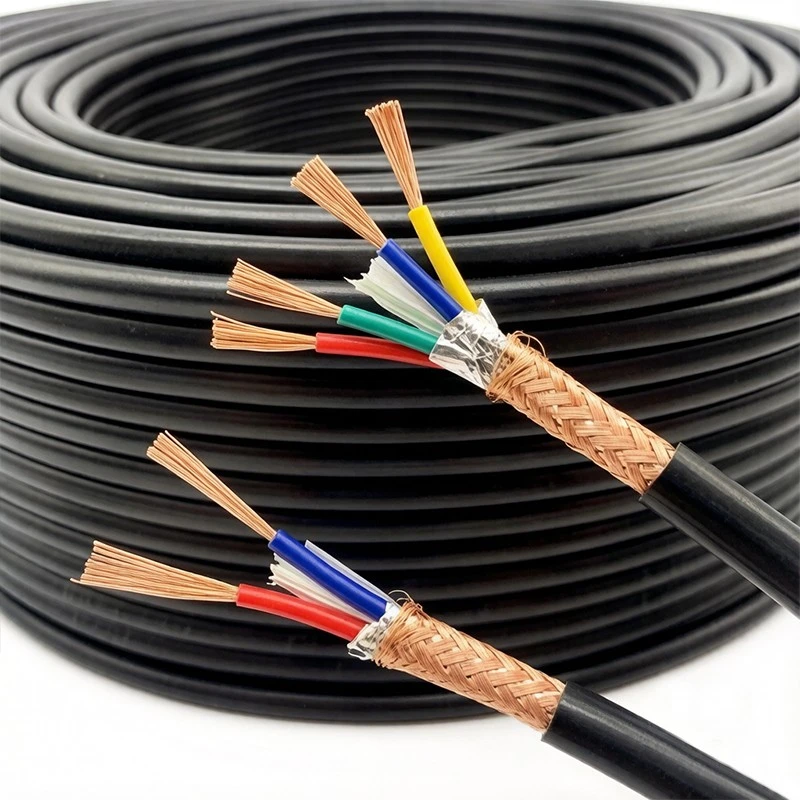
- Reliability: The mechanical protection provided by the armor layer ensures that the cable can withstand the rigors of airport operations without being damaged. This reduces the risk of cable failures, which can lead to lighting outages and compromise flight safety.
- Long - term Performance: The environmental resistance of Armoured Control Cable ensures that it can maintain its performance over a long period, even in harsh outdoor conditions. This reduces the need for frequent cable replacements, saving time and money in the long run.
- Signal Integrity: The EMI shielding properties of the armor layer help to maintain the integrity of the control signals, ensuring that the lights operate correctly and respond accurately to control commands.
- Safety: The fire - resistant properties of many Armoured Control Cables enhance the safety of the airport ground lighting system, reducing the risk of fire hazards.
Comparison with Other Types of Control Cables
While Armoured Control Cable has many advantages, it is also important to compare it with other types of control cables commonly used in airport ground lighting systems:
- Flexible Instrument Cable: Flexible Instrument Cables are designed for applications where flexibility is required. They are often used in areas where the cable needs to be routed around obstacles or where there is a need for frequent movement. However, they may not provide the same level of mechanical protection as Armoured Control Cable.
- Electrical Control Cable: Electrical Control Cables are used for general electrical control applications. They are typically designed to carry control signals and power to different components of a system. While they may have good electrical insulation properties, they may not be as resistant to mechanical damage and environmental factors as Armoured Control Cable.
- Screened Control Cable: Screened Control Cables are designed to reduce electromagnetic interference. They are often used in applications where signal integrity is critical. However, the screening layer may not provide the same level of mechanical protection as the armor layer in Armoured Control Cable.
- Motor Control Cable: Motor Control Cables are used to control and power electric motors. They are designed to handle high currents and may have different electrical characteristics compared to lighting control cables. While they may have some similarities in terms of insulation and protection, they may not be specifically optimized for airport ground lighting applications.
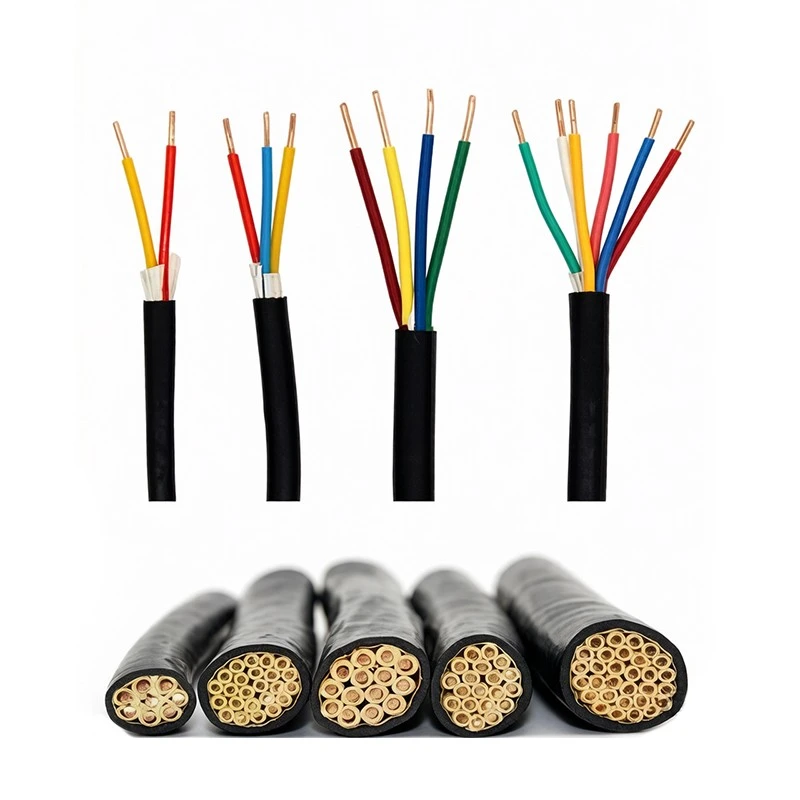
- Multi Conductor Control Cable: Multi Conductor Control Cables are used when multiple signals or power lines need to be carried in a single cable. They can simplify cable routing and installation. However, they may not provide the same level of mechanical and environmental protection as Armoured Control Cable.
Installation Considerations
When using Armoured Control Cable in airport ground lighting systems, proper installation is crucial to ensure its performance and longevity. Here are some installation considerations:
- Cable Routing: The cable should be routed in a way that minimizes the risk of mechanical damage. It should be kept away from sharp edges, moving parts, and areas where it may be exposed to heavy traffic.
- Termination: Proper termination of the cable is essential to ensure good electrical connectivity and prevent signal loss. The armor layer should be properly grounded to provide effective EMI shielding.
- Jointing: If joints are required, they should be made using appropriate jointing kits and techniques to ensure the integrity of the cable. The joints should also be protected against moisture and mechanical damage.
Conclusion
In conclusion, Armoured Control Cable has many features that make it a suitable choice for airport ground lighting systems. Its mechanical protection, environmental resistance, EMI shielding, and fire - resistant properties ensure reliable performance and enhance the safety of the lighting system. While other types of control cables may have their own advantages, Armoured Control Cable offers a comprehensive solution for the demanding requirements of airport applications.
If you are involved in the design, installation, or maintenance of airport ground lighting systems and are interested in using Armoured Control Cable, I encourage you to contact us for a detailed discussion. We can provide you with more information about our products, including their specifications, performance, and pricing. Our team of experts is also available to answer any questions you may have and provide technical support to ensure that you select the right cable for your specific needs.
References
- Aircraft Lighting Handbook, Federal Aviation Administration (FAA)
- International Electrotechnical Commission (IEC) standards for control cables
- National Electrical Code (NEC) requirements for airport electrical installations