

Can a Ribbon Power Cable be used in a smart home device?
Hey there! I'm a supplier of Ribbon Power Cables, and today I want to dive into whether these cables can be used in smart home devices. It's a question I get asked quite a bit, so let's break it down.
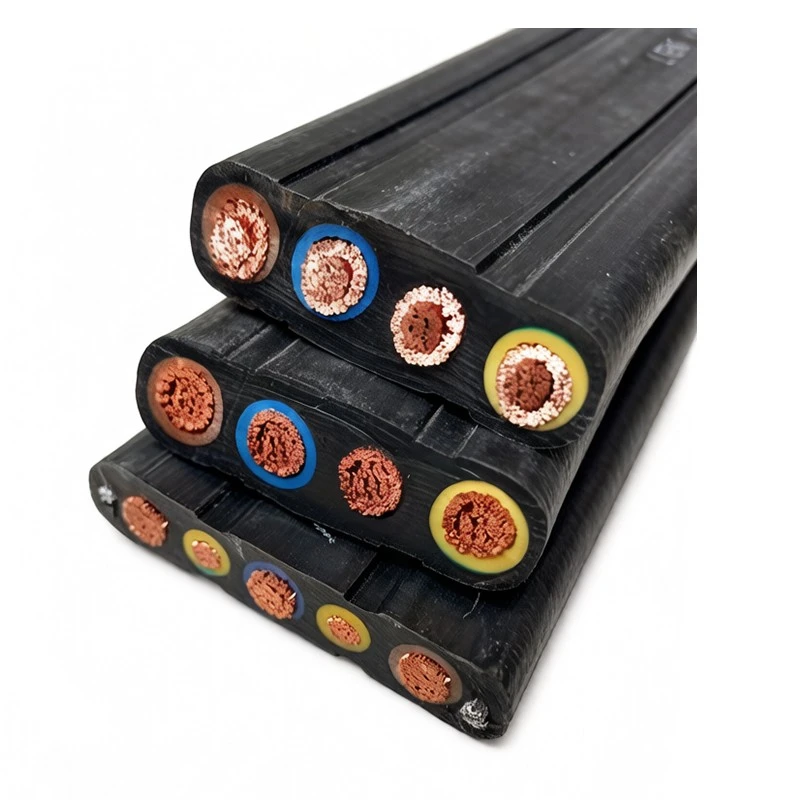
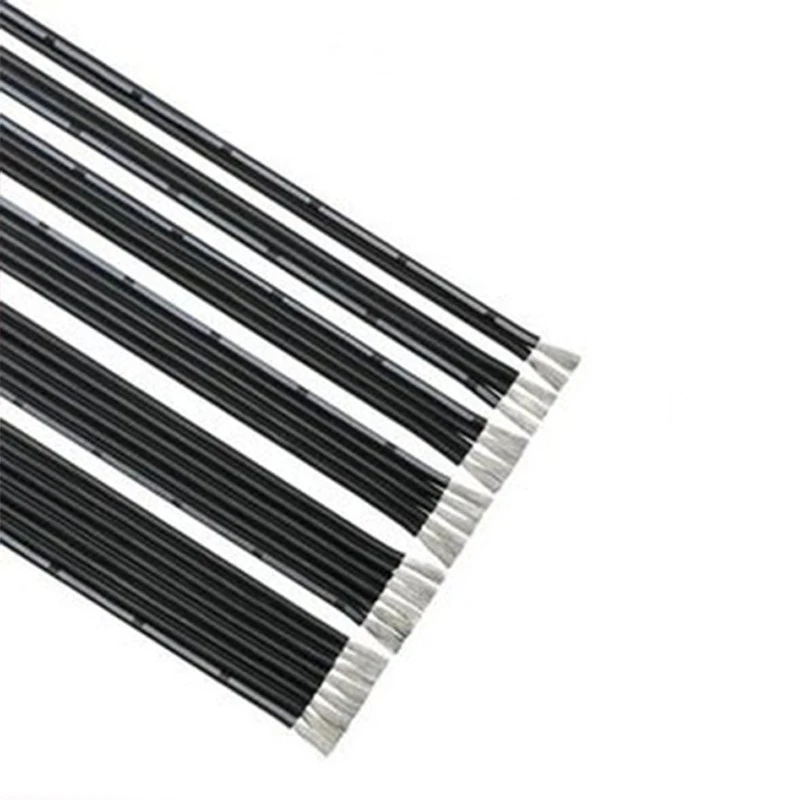
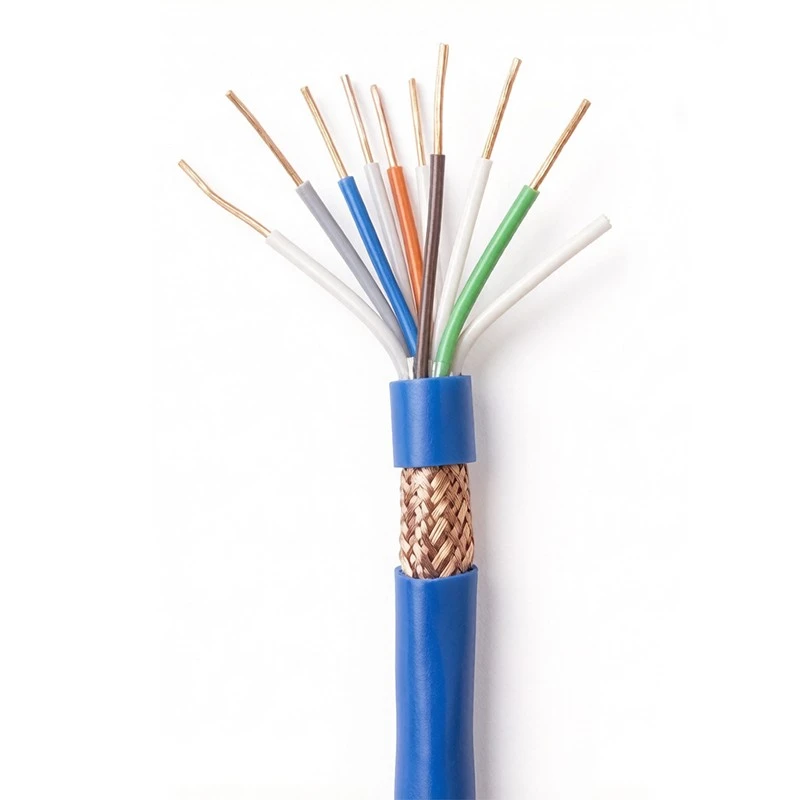
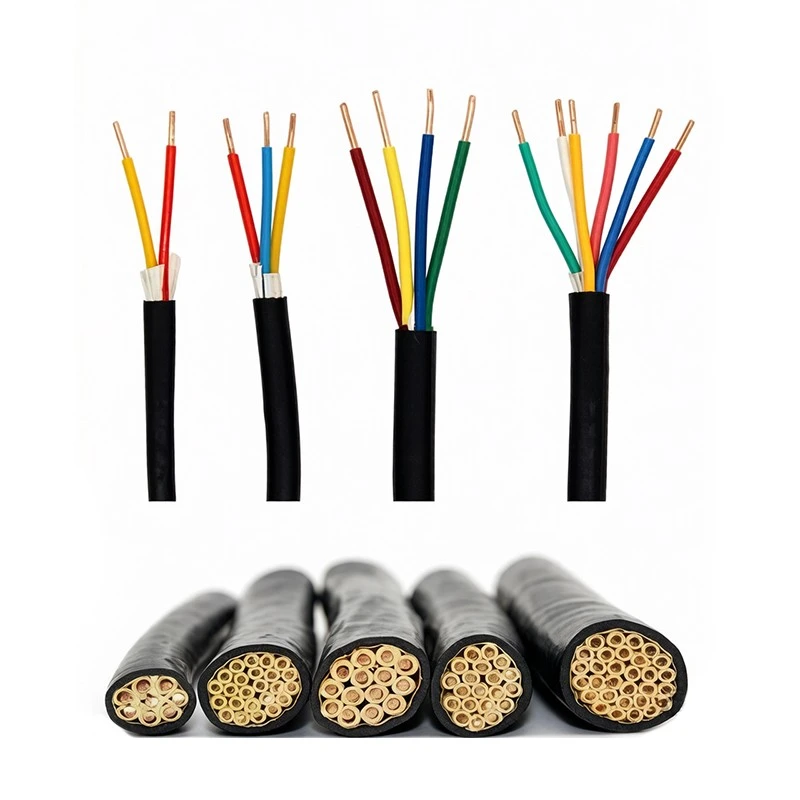
First off, what exactly is a Ribbon Power Cable? Well, it's a flat cable that consists of multiple conducting wires running parallel to each other. These cables are known for their flexibility, space - saving design, and ease of installation. You can check out more about them at this Ribbon Power Cable link.
Now, let's talk about smart home devices. Smart home tech has come a long way in recent years. From smart thermostats that can adjust the temperature based on your preferences to smart lighting systems that can be controlled via your smartphone, these devices are all about convenience and efficiency. But they all need a reliable power source, and that's where power cables come in.
One of the big advantages of using a Ribbon Power Cable in a smart home device is its flexibility. Smart home devices often need to be installed in tight spaces or in areas where the cable might need to bend around corners. A ribbon cable can easily conform to these spaces without getting damaged. For example, if you're installing a smart security camera in a narrow hallway, a ribbon cable can be routed along the wall without taking up too much space.
Another benefit is the ease of installation. Unlike traditional round cables, ribbon cables are flat and can be laid out neatly. This makes it easier for DIY enthusiasts to install smart home devices on their own. You don't have to worry about the cables getting tangled up, which can be a real headache when dealing with multiple devices. And if you're a professional installer, you'll appreciate the time - saving aspect of using ribbon cables.
But it's not all sunshine and rainbows. There are some factors to consider before using a ribbon cable in a smart home device. One of the main concerns is the power requirements. Smart home devices can have different power needs, and you need to make sure that the ribbon cable can handle the load. If the cable can't handle the power, it could overheat, which is not only a safety hazard but can also damage the device.
The environment where the smart home device is installed also matters. For instance, if you're installing a device in a high - temperature area, like near a furnace, you'll need a cable that can withstand the heat. That's where High Temperature Ribbon Cable comes in handy. These cables are designed to operate in extreme temperatures without losing their functionality.
On the other hand, if you're dealing with a device that needs to operate in cold conditions, such as a smart sensor in a freezer, a Cryogenic Ribbon Cable might be the way to go. These cables are specially engineered to work at very low temperatures.
Let's also talk about the type of connection. Smart home devices often require a stable and secure connection. Ribbon cables usually come with connectors that are designed to fit snugly into the device's power port. However, you need to make sure that the connector is compatible with your device. Mismatched connectors can lead to power loss or even short - circuits.
In terms of durability, ribbon cables are generally quite robust. But they can be susceptible to damage if they're pulled too hard or bent at sharp angles. So, when installing them in a smart home device, it's important to handle them with care. You might also want to consider using a protective sleeve to prevent any accidental damage.
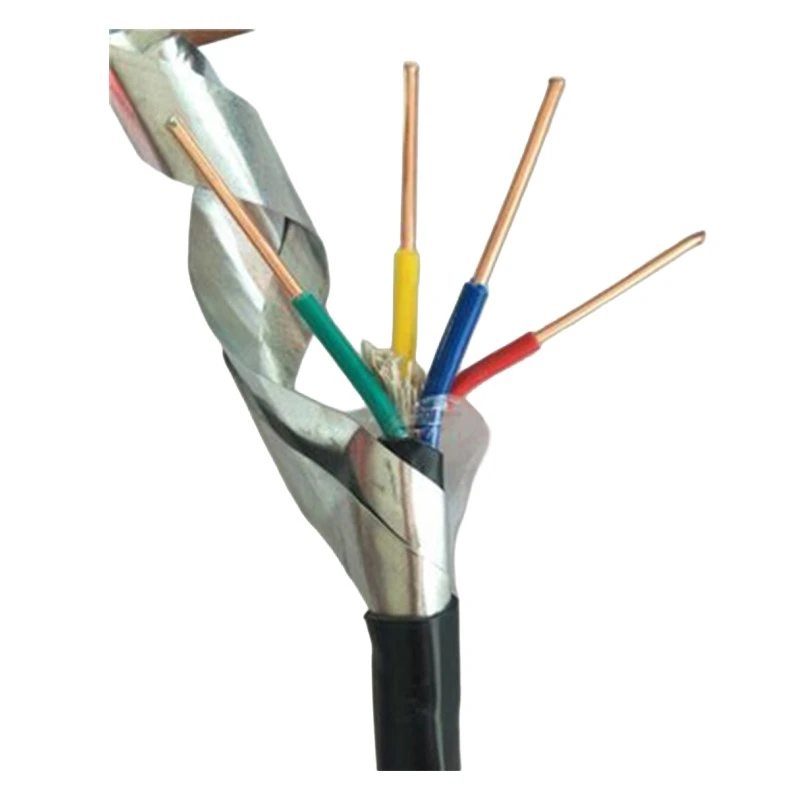
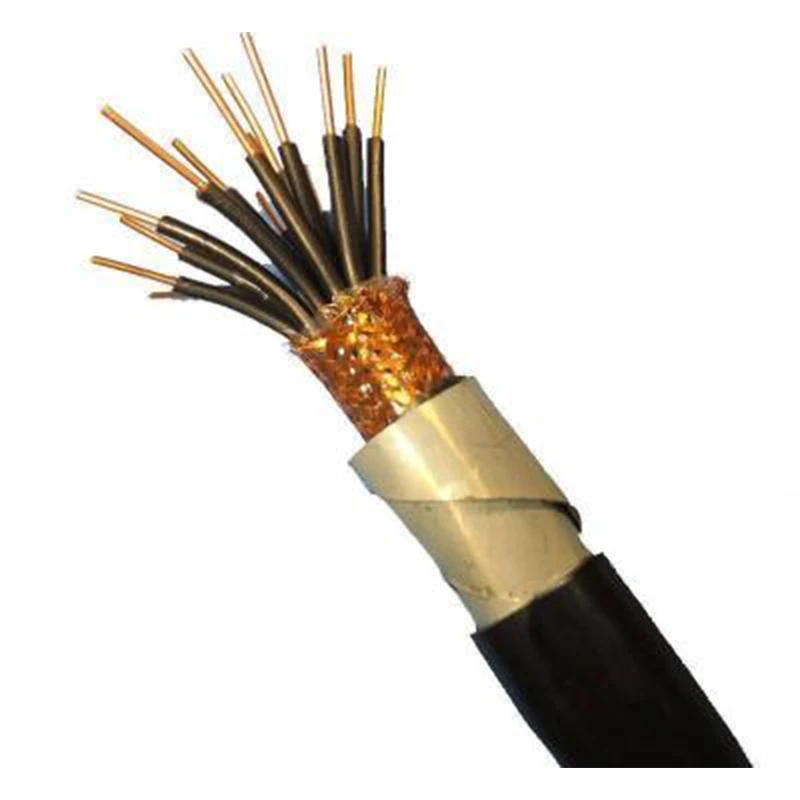
Another aspect to think about is the electromagnetic interference (EMI). Smart home devices are full of electronic components that can be sensitive to EMI. Ribbon cables are designed in a way that can reduce EMI to a certain extent. But in some cases, you might need to use a cable with additional shielding. Silicone Ribbon Cable is a great option here, as silicone has good insulating properties and can help reduce EMI.
Now, let's talk about the cost. In general, ribbon cables are more affordable compared to some other types of power cables. This makes them an attractive option for smart home installations, especially if you're working on a budget. However, you need to balance the cost with the quality and the specific requirements of your smart home device.
If you're still not sure whether a ribbon cable is the right choice for your smart home device, you can always reach out to us. We've been in the business for a long time, and our team of experts can help you make an informed decision. We also offer a wide range of Flat Ribbon Power Cable options to suit different needs.
In conclusion, ribbon power cables can definitely be used in smart home devices, but you need to take into account factors like power requirements, the environment, connector compatibility, and EMI. With the right choice of cable, you can ensure that your smart home devices operate smoothly and safely.
If you're interested in purchasing ribbon power cables for your smart home project, or if you have any questions, don't hesitate to reach out. We're here to help you find the perfect cable solution for your needs.
References
- General knowledge of electrical engineering and smart home technology
- Product specifications and research on ribbon power cables provided by industry resources.