

Yo, folks! I'm a supplier of computer cables, and today I wanna chat about something super important in the cable world - anti-EMI computer cables. You might be wondering, "What the heck is EMI?" Well, EMI stands for electromagnetic interference. It's basically unwanted electrical noise that can mess with your cable's performance.
Let me break it down for you. When you've got a bunch of electronic devices around, they all generate electromagnetic fields. These fields can interfere with the signals traveling through your computer cables. And that interference can lead to all sorts of problems, like data loss, signal degradation, or even complete malfunctions.
So, are there any anti-EMI computer cables out there? You bet there are! At our place, we've got a bunch of great options to protect your cables from EMI.
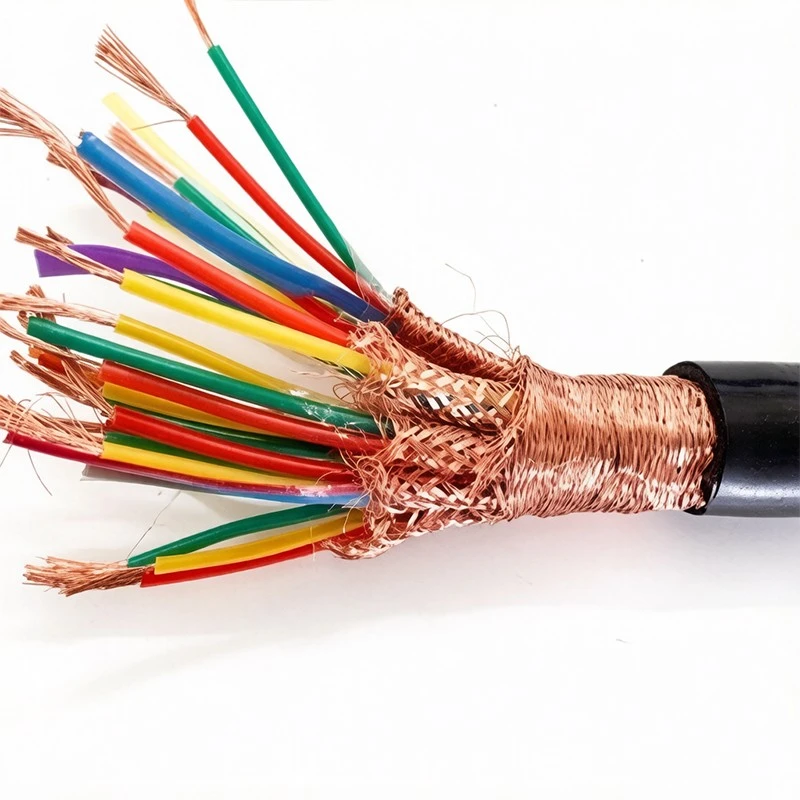
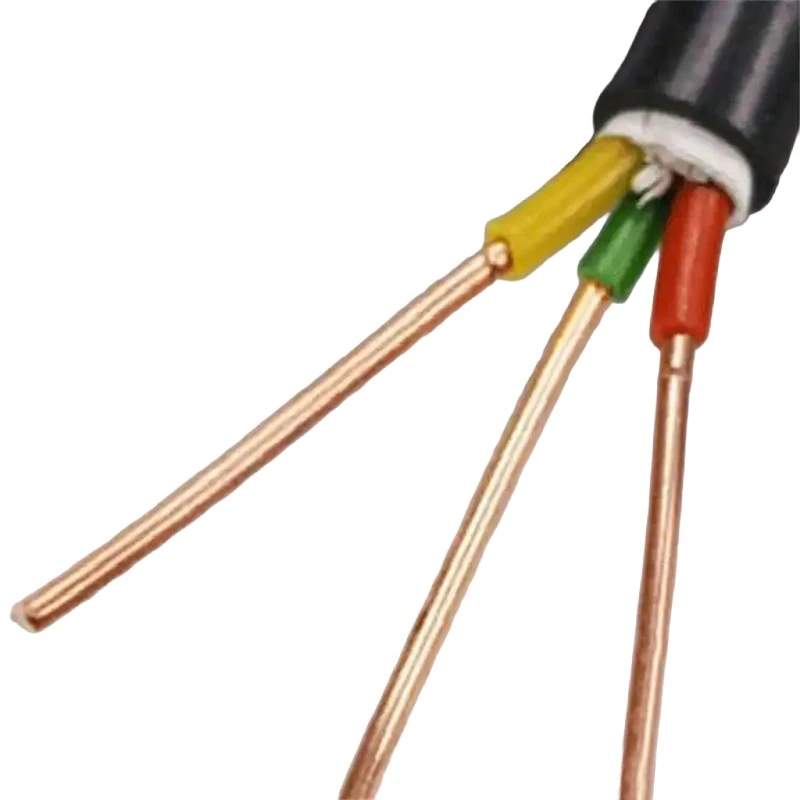
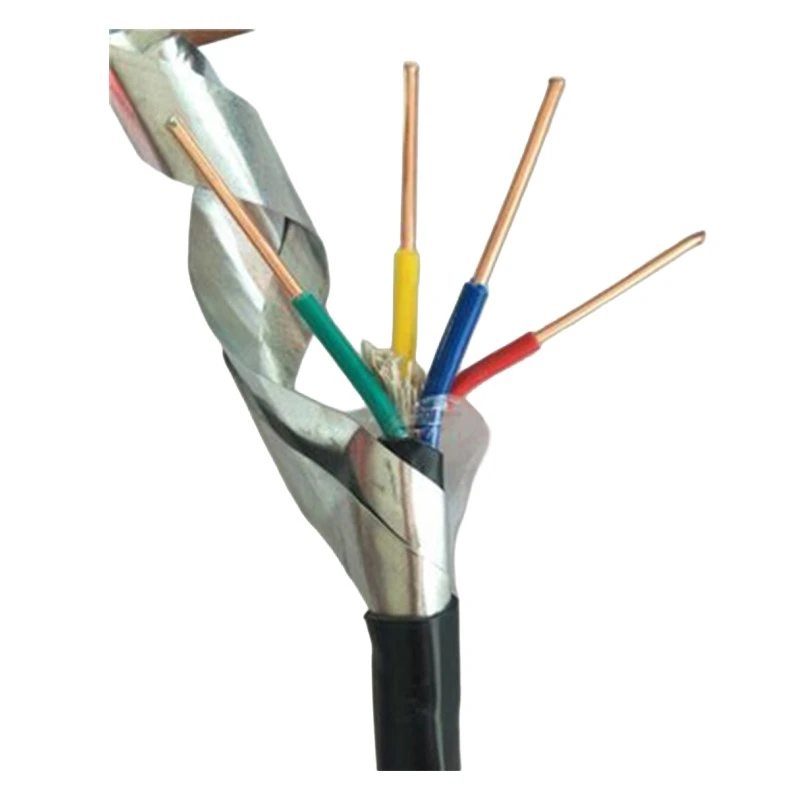
One of our top picks is the Steel Tape Armored Instrument Cable. This baby comes with a steel tape armor that acts as a shield against electromagnetic interference. The steel tape provides a physical barrier that keeps those unwanted electromagnetic waves at bay. It's great for industrial settings where there are lots of electrical devices and high levels of EMI. Whether you're running a factory or a data center, this cable can handle the tough environment and keep your signals strong.
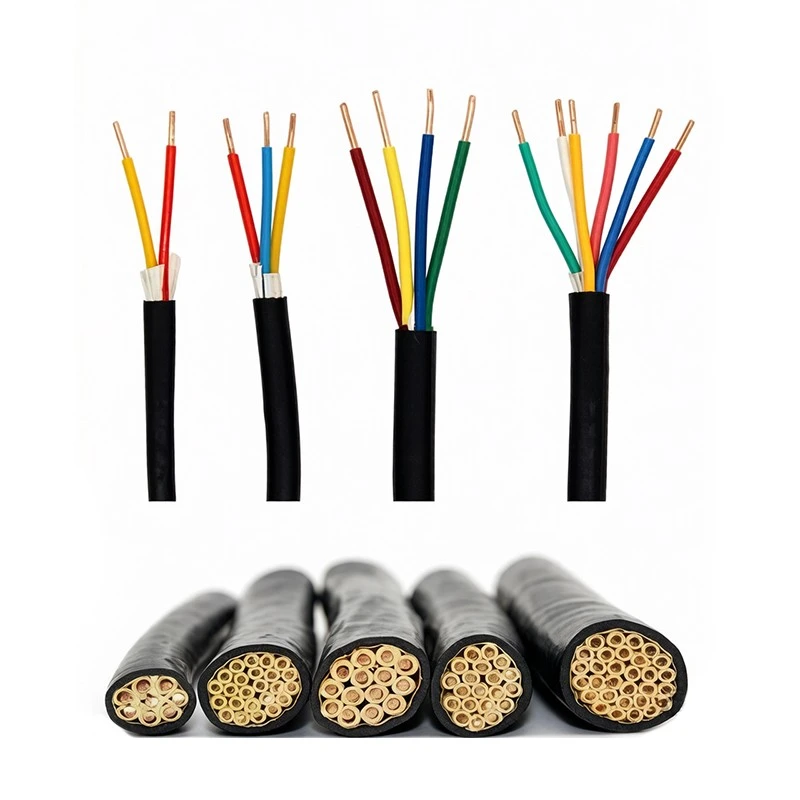
Another awesome option is the Computer Instrument Cable. It's designed specifically for computer and instrumentation applications. This cable is built with high-quality materials that have good resistance to EMI. It can transmit data accurately and reliably, even in the presence of electromagnetic noise. You can use it to connect your computer to various instruments, like sensors or monitors, and be confident that the signals will be clear and stable.
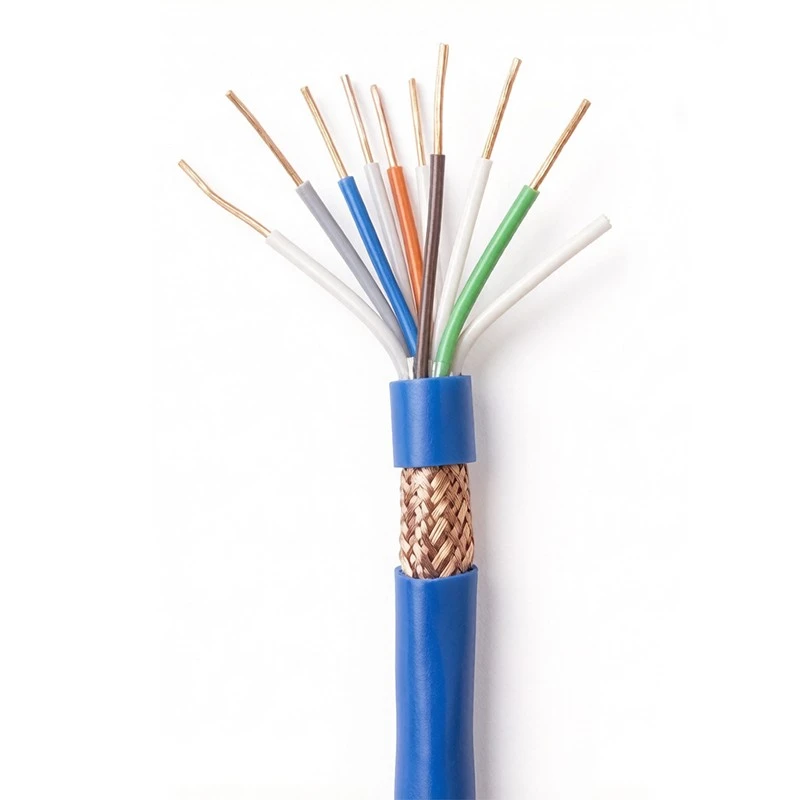
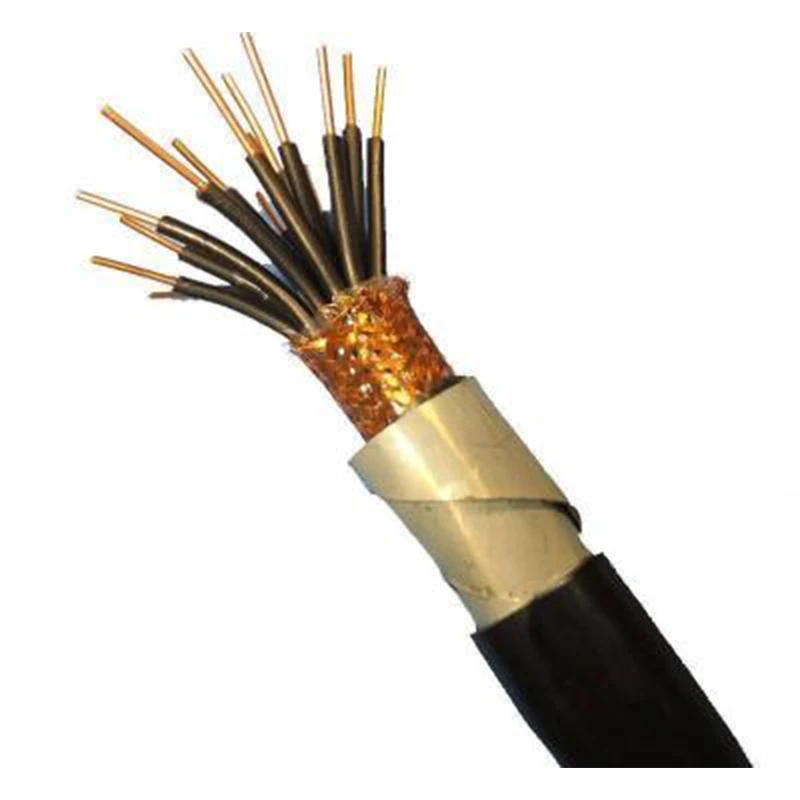
If you need a cable for handling computer signals, check out our Shielded Computer Signal Cable. As the name suggests, it has a shield that protects the signal from EMI. The shield can be made of different materials, like aluminum foil or braided copper. This type of cable is commonly used in networking and telecommunications systems, where a clean and interference-free signal is crucial. It helps to ensure that your data transfer is fast and error-free.
The Computer and Instrument Cable is also a fantastic choice. It's a versatile cable that can be used in both computer and instrumentation applications. It has good electrical properties and is designed to resist EMI. Whether you're setting up a home office or a professional laboratory, this cable can meet your needs. It's easy to install and provides reliable performance.
And then there's the Flexible Shielded Instrument Cable. This cable is not only shielded against EMI but also very flexible. It can be bent and routed easily, which makes it ideal for applications where space is limited or where the cable needs to be moved around a lot. You can use it in robotics, automation systems, or any other application where flexibility is important.
Now, let's talk about how these anti-EMI cables work. The key is the shielding. The shielding material forms a cage around the conductors inside the cable. This cage acts like a Faraday cage, which blocks the electromagnetic fields from reaching the conductors. The shielding can be grounded, which helps to divert the interference away from the cable. Different types of shielding have different levels of effectiveness. For example, a braided copper shield is generally more effective than an aluminum foil shield because it has better conductivity and coverage.
But it's not just about the shielding. The design and construction of the cable also play an important role in reducing EMI. The cable's insulation material, the way the conductors are twisted, and the overall cable layout can all affect its EMI performance. We make sure that our cables are designed and manufactured to the highest standards to minimize EMI.
When you're choosing an anti-EMI computer cable, there are a few things you should consider. First, think about the environment where the cable will be used. If it's a high-EMI environment, like a manufacturing plant or a power substation, you'll need a cable with a more robust shield. Second, consider the type of application. Different applications have different requirements for signal quality and data transfer speed. Make sure the cable you choose can meet those requirements. And finally, think about the length of the cable. Longer cables are more susceptible to EMI, so you might need a better-shielded cable for longer runs.
In conclusion, there are definitely anti-EMI computer cables available, and we've got a great selection to offer. Our cables can help you keep your electronic systems running smoothly by protecting against electromagnetic interference. If you're in the market for high-quality computer cables that can stand up to EMI, don't hesitate to get in touch. We're here to help you find the right cable for your specific needs. Reach out for a chat about your requirements, and we'll work together to come up with the perfect solution.
References
- Various industry standards and specifications for computer cables and EMI protection.
- Technical literature from cable manufacturers and experts in the field of electromagnetic compatibility.