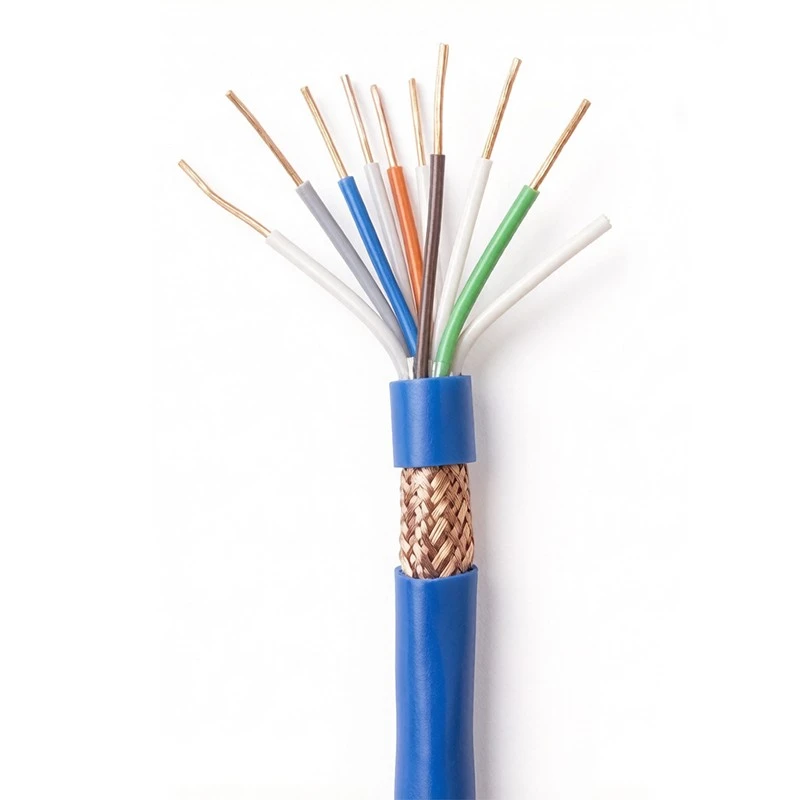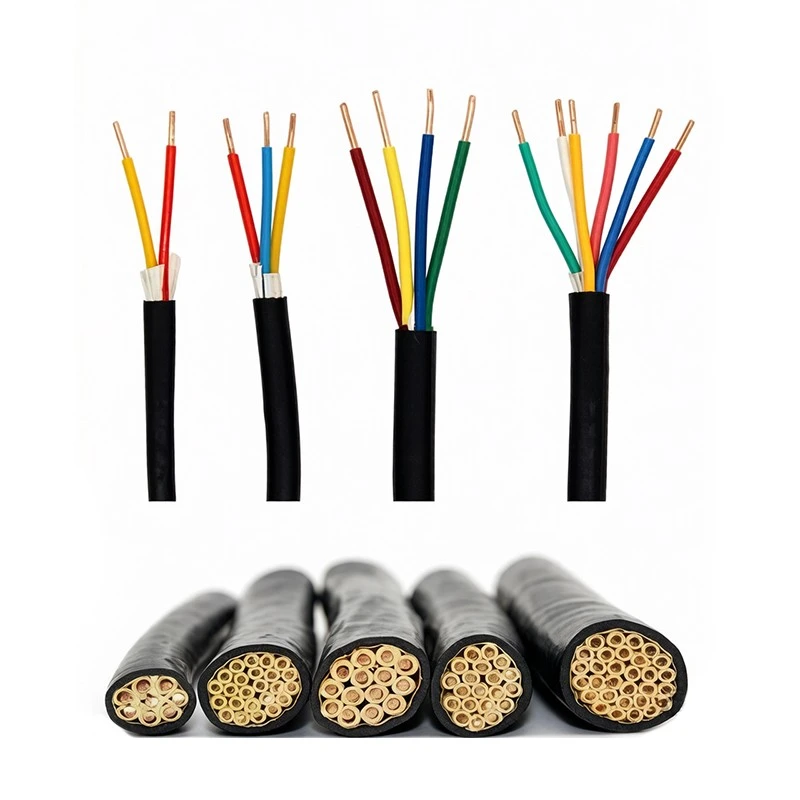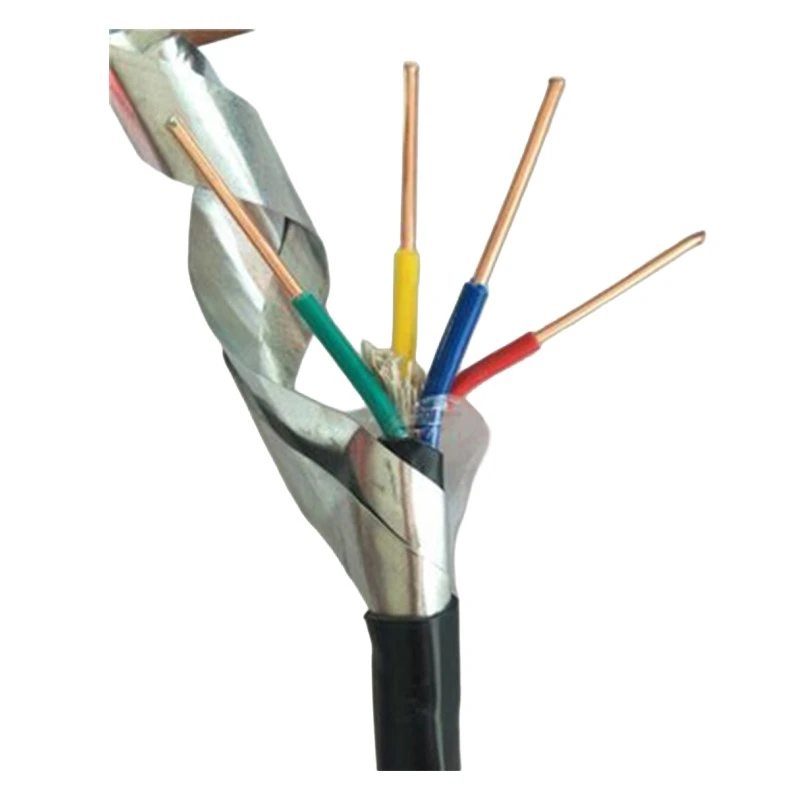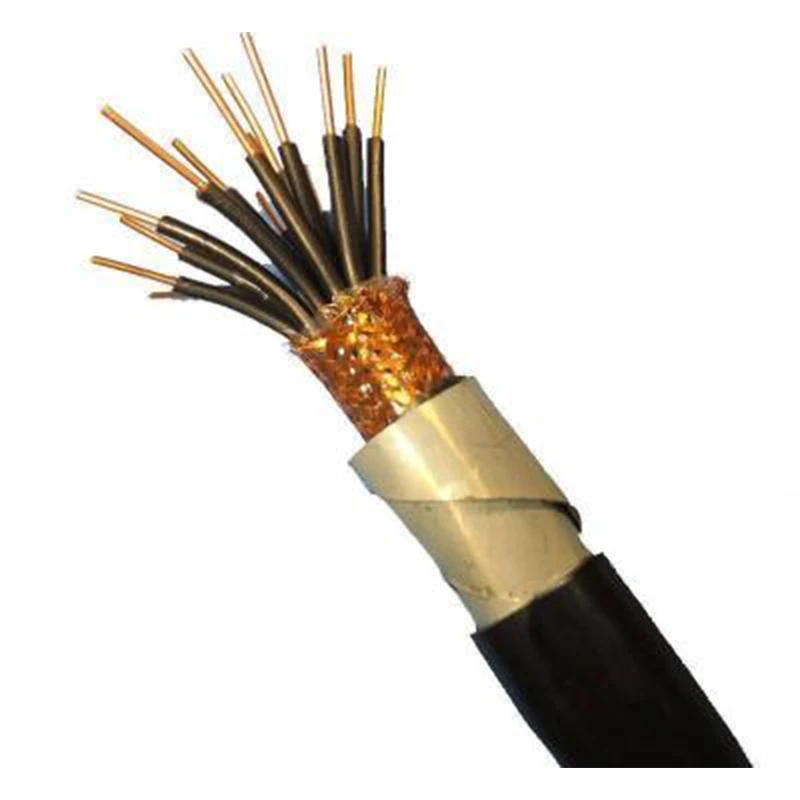


In the realm of electrical wiring, the choice between flat cables and round cables has long been a topic of discussion among engineers, electricians, and industry enthusiasts. As a supplier of flat cables, I often encounter questions regarding the energy efficiency of flat cables compared to their round counterparts. In this blog post, I aim to delve into this topic, examining the scientific principles behind energy transfer in cables and exploring whether flat cables truly offer greater energy efficiency.
Understanding Energy Loss in Cables
Before comparing the energy efficiency of flat and round cables, it's essential to understand the factors that contribute to energy loss in electrical cables. The primary cause of energy loss in cables is resistive heating, which occurs when electric current flows through a conductor. According to Joule's first law, the power dissipated as heat in a conductor is proportional to the square of the current (I) and the resistance (R) of the conductor, given by the formula P = I²R. Therefore, reducing the resistance of the cable is crucial for minimizing energy loss.
Resistance and Cable Geometry
The resistance of a cable is determined by several factors, including the material of the conductor, its cross-sectional area, and its length. Additionally, the geometry of the cable can also influence its resistance. In the case of round cables, the current tends to flow more concentrated towards the center of the conductor due to the skin effect. The skin effect causes the effective cross-sectional area of the conductor to decrease at higher frequencies, leading to an increase in resistance and energy loss.
On the other hand, flat cables have a more uniform distribution of current across the conductor's cross-section. This is because the flat shape allows for a larger surface area for the current to flow, reducing the impact of the skin effect. As a result, flat cables generally have lower resistance compared to round cables of the same cross-sectional area, which can translate into lower energy loss and higher energy efficiency.
Heat Dissipation
Another factor that affects the energy efficiency of cables is heat dissipation. When a cable dissipates heat, it not only wastes energy but can also lead to a decrease in the cable's performance and lifespan. The ability of a cable to dissipate heat depends on its surface area and the thermal conductivity of its insulation material.
Flat cables have a larger surface area compared to round cables of the same cross-sectional area. This larger surface area allows for more efficient heat dissipation, as there is more area available for heat to transfer to the surrounding environment. Additionally, the flat shape of the cable can facilitate better air circulation around the conductor, further enhancing heat dissipation. In contrast, round cables have a smaller surface area and may be more prone to heat buildup, especially when bundled together.
Installation and Space Efficiency
In addition to their potential energy savings, flat cables also offer advantages in terms of installation and space efficiency. Flat cables are typically more flexible and easier to route compared to round cables, which can simplify the installation process and reduce labor costs. They can also be stacked or laid side by side to save space, making them ideal for applications where space is limited.
For example, in data centers and telecommunications equipment, where large numbers of cables need to be routed through cramped spaces, flat cables can provide a more efficient solution. The reduced size and flexibility of flat cables can also help to improve airflow within the equipment, further enhancing energy efficiency by reducing the need for cooling.
Our Flat Cable Solutions
At [our company], we offer a wide range of flat cables designed to meet the diverse needs of our customers. Our flat cables are available in various materials and configurations, each with its own unique properties and advantages.
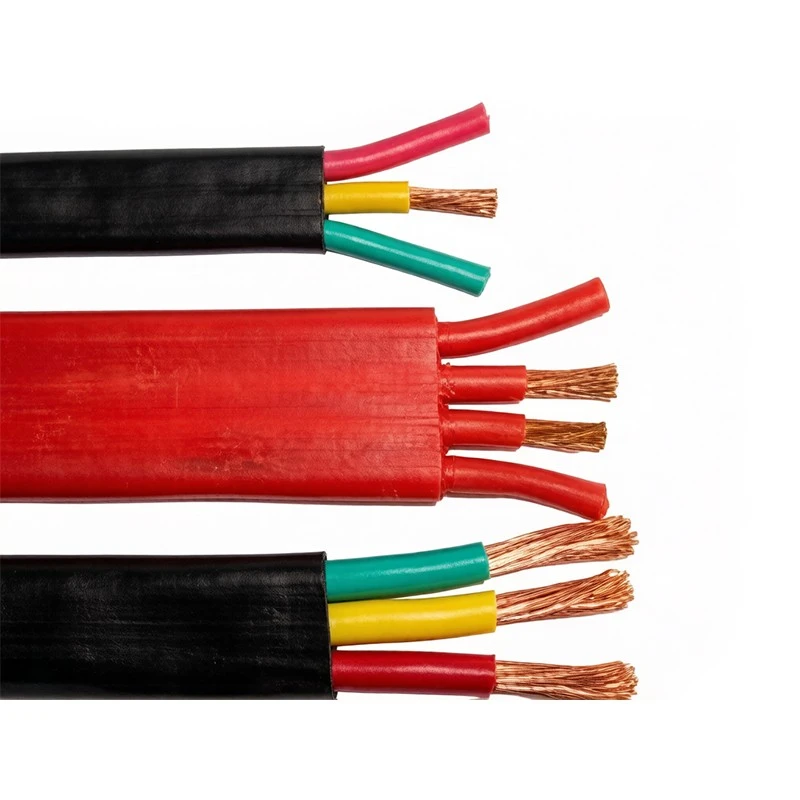
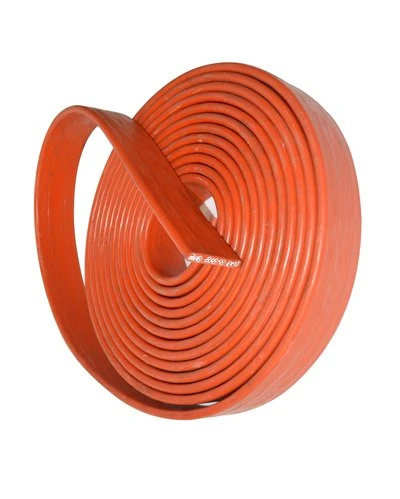
- Silicone Ribbon Cable: Our silicone ribbon cables are made from high-quality silicone insulation, which offers excellent flexibility, heat resistance, and electrical insulation properties. These cables are ideal for applications where high temperatures or extreme flexibility are required.
- High Flex Ribbon Cable: Our high flex ribbon cables are designed for applications that require frequent bending and flexing. These cables are made from a special combination of materials that provide excellent durability and resistance to mechanical stress.
- Ribbon Power Cable: Our ribbon power cables are designed to carry high currents while maintaining low resistance and energy loss. These cables are available in various sizes and configurations to meet the specific power requirements of your application.
- High Temperature Ribbon Cable: Our high temperature ribbon cables are made from materials that can withstand extreme temperatures, making them ideal for applications in harsh environments. These cables are commonly used in industrial furnaces, ovens, and other high-temperature applications.
- Flat Ribbon Power Cable: Our flat ribbon power cables combine the advantages of flat cable geometry with high power-carrying capacity. These cables are ideal for applications where space is limited and high power is required.
Conclusion
In conclusion, flat cables offer several advantages over round cables in terms of energy efficiency. Their lower resistance, better heat dissipation, and superior installation and space efficiency make them a more sustainable choice for many applications. As a supplier of flat cables, we are committed to providing our customers with high-quality, energy-efficient solutions that meet their specific needs.
If you are interested in learning more about our flat cable products or discussing your specific requirements, please feel free to contact us. Our team of experts is ready to assist you in finding the right cable solution for your application. We look forward to the opportunity to work with you and help you achieve greater energy efficiency in your electrical systems.
References
- Chapman, S. J. (2012). Electric Machinery Fundamentals. McGraw-Hill Education.
- Grover, F. W. (1946). Inductance Calculations: Working Formulas and Tables. Dover Publications.
- Nilsson, J. W., & Riedel, S. A. (2015). Electric Circuits. Pearson.